Tratamiento de Prolapso uterino en Israel — obtenga 3 coincidencias personalizadas de clínicas


Revisado médicamente por
Fahad Mawlood
Cómo funciona
¿Cuál es el precio del diagnóstico y los tratamientos de Prolapso uterino en Israel? Descubra ahora
| Israel | España | Turquía | |
|---|---|---|---|
| Sacrohisteropexia Da Vinci para el prolapso uterino | ≈ $13,500 | ≈ $9,500 | de $3,400 |
| Histerectomía con robot DaVinci | ≈ $14,500 | de $21,600 | de $11,600 |
Descubra las mejores clínicas de tratamiento de Prolapso uterino en Israel: 6 opciones verificadas y Precios






Centro médico Assaf Harofeh (Assaf Harofeh Medical Center)

Soroka Medical Center
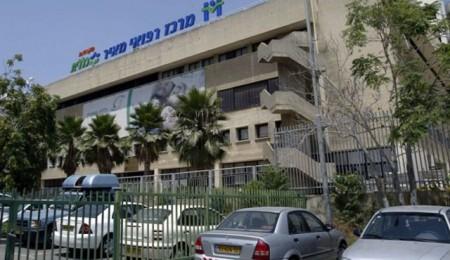
Meir Medical Center

Kaplan Medical Center

Shaare Zedek Medical Center
Obtenga una evaluación médica para Prolapso uterino en Israel: consulte con doctores experimentados ahora
Ver todos los médicos
Yigal Volman
43 años especializado en ginecología – El Dr. Volman es profesor en la Universidad de Tel Aviv, donde forma a la próxima generación de especialistas.
- Autor de más de 80 artículos científicos sobre salud ginecológica
- Su cátedra destaca una profunda experiencia académica en la salud de la mujer
- Afiliado a múltiples sociedades médicas respetadas
- Ejerce en el destacado Centro Médico Sourasky de Tel Aviv

Garuz Osnat
Profesor clínico en la Facultad de Medicina de la Universidad de Tel Aviv – El Dr. Garuz Osnat es un especialista de primera categoría en el Centro Médico Sourasky. Su trabajo conecta la investigación académica avanzada con la atención al paciente.
- Especializado en ginecología y obstetricia en la Clínica Sourasky de Tel Aviv
- Graduado con honores de la Escuela de Medicina Sackler de la Universidad de Tel Aviv
- Participó en estudios de investigación clínica en Nueva York, EE. UU.
- Se desempeñó como médico senior en el departamento de ginecología del Hospital de Maternidad Lis
- Doctor en Medicina (MD, PhD) con enfoque en uroginecología
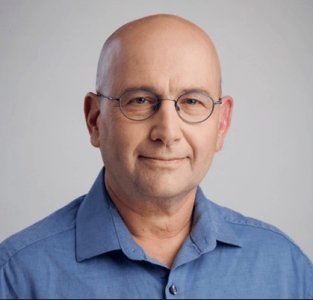
Roy Mashiach
El Prof. Roy Mashiach, MD, es director de Ginecología del Centro Médico Sheba. Es un experto líder en cirugía ginecológica mínimamente invasiva con más de 30 años de experiencia. Se especializa en la histerectomía laparoscópica e histeroscópica. También realiza miomectomías, trata la endometriosis y ofrece procedimientos para preservar la fertilidad.
Reconocimientos y cargos: Incluido en la lista de los Mejores Médicos de Forbes Israel. Galardonado con el premio Daniel F. Kott (AAGL).
Compartir contenido
Historias en video de pacientes de Bookimed
 Olena Sikoza
Preguntas frecuentes sobre el tratamiento de Prolapso uterino en Israel
¿Qué exámenes diagnósticos se utilizan para evaluar el prolapso uterino en Israel?
Los especialistas israelíes evalúan el prolapso uterino mediante exámenes pélvicos clínicos utilizando el sistema de cuantificación del prolapso de órganos pélvicos (POP-Q). El diagnóstico avanzado en centros como el Centro Médico Sourasky incluye ecografía translabial 3D/4D y resonancia magnética pélvica dinámica. Estas herramientas mapean con precisión el descenso estructural y el impacto en los tejidos circundantes de la vejiga o el intestino.
- Escala POP-Q: La medición del descenso uterino en milímetros proporciona un estándar de oro objetivo durante los exámenes.
- Pruebas de esfuerzo: Los médicos observan el movimiento de los órganos mientras las pacientes tosen o hacen esfuerzo en posición de pie.
- Resonancia magnética pélvica dinámica: El mapeo en tiempo real captura el movimiento del tejido durante la evacuación activa para casos complejos.
- Examen urodinámico: Exámenes especializados rastrean la función de la vejiga para identificar problemas ocultos de incontinencia de esfuerzo.
Perspectiva del experto de Bookimed: Los expertos en ginecología israelíes como la Dra. Garuz Osnat en el Centro Médico Sourasky a menudo combinan especializaciones urológicas y ginecológicas. Esta doble experiencia es vital porque más del 60% de los casos involucran problemas secundarios de vejiga. Elegir un uroginecólogo asegura que su plan de diagnóstic
¿Qué procedimientos quirúrgicos están disponibles en Israel para el prolapso uterino grave?
El prolapso uterino grave en Israel se trata con cirugías robóticas y mínimamente invasivas avanzadas. Centros líderes como el Sourasky Medical Center (Ichilov) se especializan en sacrocolpopexia y sacrohysteropexia Da Vinci. Estos protocolos ofrecen tasas de éxito del 90% para la suspensión de órganos, minimizando las cicatrices y los tiempos de recuperación.
- Sacrohysteropexia robótica: Resuspende el útero utilizando un robot Da Vinci para preservar la función reproductiva.
- Sacrocolpopexia: Utiliza una malla sintética para anclar la cúpula vaginal después de una histerectomía.
- Reparación con tejido nativo: Fija el cuello uterino a los ligamentos pélvicos sin utilizar implantes de malla sintética.
- Colpocleisis: Proporciona una solución obliterativa para pacientes frágiles bajo anestesia local de bajo riesgo.
Perspectiva del experto de Bookimed: Los centros de uroginecología israelíes priorizan la experiencia de alto volumen en instalaciones académicas sobre las clínicas privadas más pequeñas. El Sourasky Medical Center realiza más de 34,000 operaciones al año. Cirujanos como el profesor Roy Mashiach tienen más de 30 años de experiencia en endoscopia avanzada. Los pacientes deben elegir centros que integren IA y simulación robótica para garantizar una colocación más precisa de la malla.
Consenso de los pacientes:
¿Se utilizan técnicas mínimamente invasivas o robóticas para la reparación del prolapso en Israel?
Los centros médicos israelíes utilizan técnicas robóticas y laparoscópicas avanzadas para la reparación del prolapso. Los cirujanos utilizan el sistema da Vinci para la sacrocolpopexia y la histeropexia robótica. Estos métodos mínimamente invasivos garantizan incisiones más pequeñas y una recuperación más rápida. Los especialistas locales utilizan herramientas de alta precisión para proporcionar un soporte duradero del suelo pélvico.
- Sistemas robóticos: Los cirujanos utilizan robots da Vinci para sacrocolpopexias e histerectomías complejas.
- Acceso quirúrgico: Los especialistas realizan procedimientos laparoscópicos e histeroscópicos a través de puertos abdominales mínimos.
- Dispositivos innovadores: Los centros israelíes utilizan sistemas sin malla diseñados localmente, como EnPlace, para la fijación.
- Apoyo al paciente: Los protocolos médicos incorporan terapia del suelo pélvico para reducir los riesgos de recurrencia futura.
Perspectiva del experto de Bookimed: Los centros de uroginecología israelíes cierran la brecha entre la innovación y la práctica clínica. El Dr. Roy Mashiach en el Centro Médico Sheba dirige una unidad de simulación especializada. Este centro capacita a cirujanos de todo el mundo en endoscopia mínimamente invasiva avanzada. Elegir un centro de alto volumen como Sourasky garantiza el acceso a médicos con más de 25 añ
¿Cuál es el tiempo de recuperación esperado después de una cirugía de prolapso en Israel?
La recuperación después de una cirugía de prolapso en Israel suele durar de 6 a 8 semanas para la cicatrización de los tejidos. La mayoría de los pacientes recuperan la movilidad de inmediato y abandonan el hospital en un plazo de 2 días. Las técnicas robóticas especializadas, incluida la sacro-histeropexia asistida por DaVinci, a menudo permiten una estabilización física más rápida en comparación con los métodos quirúrgicos abiertos tradicionales.
- Estancia hospitalaria: Espere de 1 a 2 noches en centros como el Sourasky Medical Center (Ichilov).
- Restricciones de actividad: Está prohibido levantar objetos pesados de más de 10 libras (aprox. 4,5 kg) durante al menos 6 semanas.
- Regreso profesional: Los pacientes suelen retomar el trabajo de oficina ligero entre 2 y 4 semanas después del procedimiento.
- Maduración completa: Los tejidos pélvicos profundos continúan fortaleciéndose y sanando hasta por 3 meses.
Perspectiva del experto de Bookimed: Especialistas israelíes como el Dr. Roy Mashiach utilizan protocolos asistidos por robot que reducen significativamente la presión pélvica temprana. Si bien las pautas estándar sugieren 6 semanas para la curación, los centros de alto volumen que realizan más de 30,000 operaciones al año priorizan la terapia temprana del suelo pélvico. Comenzar una rehabilitación suave en la segunda semana ayuda a con
¿Qué opciones no quirúrgicas se ofrecen en Israel para el prolapso uterino de leve a moderado?
Israel ofrece un manejo no quirúrgico avanzado para el prolapso uterino de leve a moderado a través de unidades especializadas en uroginecología. El tratamiento se centra en la rehabilitación del suelo pélvico, pesarios de silicona de grado médico y soporte hormonal para estabilizar los órganos. Estas terapias conservadoras controlan eficazmente los síntomas y ayudan a los pacientes a evitar la intervención quirúrgica.
- Pesarios vaginales: Dispositivos de silicona extraíbles que proporcionan un soporte físico inmediato para el útero y los órganos.
- Terapia del suelo pélvico: La fisioterapia especializada utiliza biofeedback para fortalecer el soporte muscular y la coordinación.
- Estrógenos tópicos: Las cremas o anillos de estrógeno mejoran la elasticidad y la salud de los tejidos en mujeres posmenopáusicas.
- Modificaciones en el estilo de vida: El control del peso y las dietas ricas en fibra reducen la presión intraabdominal sobre el suelo pélvico.
Perspectiva del experto de Bookimed: Los centros multidisciplinarios israelíes como el Sourasky Medical Center (Ichilov) y el Sheba Medical Center integran la rehabilitación directamente en los departamentos de ginecología. El Dr. Roy Mashiach en Sheba o la Dra. Garuz Osnat en Sourasky ofrecen atención uroginecológica especializada. Estas instituciones utilizan grandes volúmenes de pacientes (más
¿Cómo deben los turistas médicos elegir un médico o un hospital calificado en Israel para una cirugía de prolapso?
La selección de un cirujano calificado para el prolapso uterino en Israel requiere verificar la acreditación JCI y una subespecialización uroginecológica específica. Los pacientes deben priorizar a los médicos que posean títulos académicos en universidades importantes. Centros de primer nivel como el Sourasky Medical Center y el Sheba Medical Center utilizan tecnología robótica DaVinci para procedimientos reconstructivos mínimamente invasivos.
- Credenciales del cirujano: Busque uroginecólogos con más de 25 años de experiencia.
- Posición académica: Los expertos líderes a menudo sirven como profesores en la Universidad de Tel Aviv.
- Estándares de acreditación: Elija instalaciones con los Sellos de Oro de la Joint Commission International (JCI).
- Acceso a tecnología: Confirme la disponibilidad de sistemas robóticos DaVinci para la sacrohysteropexia.
Perspectiva del experto de Bookimed: Aunque muchos buscan clínicas privadas, los centros públicos de Israel como el Sourasky Medical Center manejan volúmenes masivos, realizando 34,000 operaciones al año. Esta alta frecuencia quirúrgica a menudo se traduce en una mayor precisión en reparaciones complejas de prolapso robótico. Elegir a un profesor que trabaje tanto en un centro público como en una instalación privada como Assuta ofrece el mejor equilibrio entre experiencia y atención personalizada.<
¿Qué ciudades israelíes ofrecen las instalaciones más avanzadas para el tratamiento del prolapso uterino?
Tel Aviv, Ramat Gan y Jerusalén ofrecen las instalaciones más avanzadas para el tratamiento del prolapso uterino. Estas ciudades albergan centros terciarios acreditados por la JCI especializados en sacrohysteropexia robótica y reconstrucción mínimamente invasiva. Instalaciones como el Sourasky Medical Center y el Sheba Medical Center utilizan sistemas robóticos Da Vinci para reparaciones de alta precisión.
- Experiencia robótica: El Sourasky Medical Center ofrece cirugía robótica Da Vinci e imágenes digitales avanzadas.
- Centro en Jerusalén: El Shaare Zedek Medical Center realiza más de 35.000 operaciones al año, incluidos casos complejos de maternidad.
- Centros de alto volumen: El Sheba Medical Center en Ramat Gan maneja casos multidisciplinarios de reconstrucción del suelo pélvico.
- Diversidad quirúrgica: Las clínicas en Beersheba y Rehovot ofrecen opciones de reparación laparoscópica y con tejido nativo.
Perspectiva de expertos de Bookimed: Aunque los pacientes a menudo se centran en la tecnología robótica, la experiencia del cirujano en estos centros es un diferenciador crítico. El Dr. Roy Mashiach en el Sheba Medical Center y el Prof. Dr. Yigal Volman en Sourasky aportan más de 25 años de experiencia especializada. Los datos muestran que instalaciones como Sourasky gestionan más de 1.800.000 visitas de pacientes al año. Este alto volume
¿Por qué Israel es uno de los principales destinos para la neurocirugía?
Israel es un centro líder en neurocirugía gracias a su combinación de avances médicos de alta tecnología y una experiencia quirúrgica de primer nivel. Instalaciones avanzadas como el Centro Médico Sheba utilizan sistemas de navegación basados en IA y resonancia magnética intraoperatoria en tiempo real. Centros especializados reportan una tasa de éxito del 98% en procedimientos complejos, como la craneotomía con el paciente despierto y el tratamiento de trastornos del movimiento.
- Tecnología avanzada: Las clínicas utilizan ultrasonido enfocado guiado por resonancia magnética (MRgFUS) y sistemas robóticos para realizar incisiones.
- Experiencia quirúrgica: Cirujanos como el Dr. Zvi Ram lideran asociaciones internacionales con más de 25 años de experiencia.
- Acceso rápido: Los pacientes internacionales generalmente pueden programar cirugías complejas de cerebro o columna en un plazo de 2 a 4 semanas.
- Atención médica acreditada: Grandes centros como Sourasky (Ichilov) y Assuta están acreditados por la JCI, lo que confirma su seguridad.
Opinión experta de Bookimed: Los datos muestran una clara diferencia entre las opciones de tratamiento públicas y privadas en Israel. Centros privados, como el Centro Médico Assuta, realizan más de 92.000 cirugías al año y permiten a los pacientes elegir a un cirujano líder específico. Esto supone una ventaja signi
¿Qué tipos de enfermedades neuroquirúrgicas se tratan en Israel?
Los neurocirujanos israelíes tratan una amplia gama de afecciones, desde tumores cerebrales y de médula espinal hasta trastornos funcionales complejos. Los centros especializados utilizan tecnologías de vanguardia, como el bisturí de rayos gamma, la estimulación cerebral profunda y la resonancia magnética intraoperatoria, para un diagnóstico altamente preciso de la epilepsia, la enfermedad de Parkinson y las patologías cerebrovasculares.
- Enfermedades oncológicas: tratamiento de gliomas, meningiomas y tumores hipofisarios mediante resección de la base del cráneo.
- Trastornos funcionales: tratamiento de la enfermedad de Parkinson y del temblor esencial mediante estimulación cerebral profunda.
- Patologías de columna: corrección de escoliosis, hernias discales y tumores espinales mediante sistemas robóticos.
- Tratamiento de las enfermedades cerebrovasculares: tratamiento quirúrgico de aneurismas cerebrales y malformaciones arteriovenosas mediante intervenciones endovasculares.
- Neurocirugía pediátrica: atención especializada en hidrocefalia y anomalías congénitas en centros pediátricos especializados.
Opinión experta de Bookimed: Los hospitales israelíes suelen combinar diversas especialidades para abordar casos complejos. En el Centro Médico Sourasky, neurocirujanos como el Dr. Zvi Lidar combinan neurocirugía y ortopedi
¿Qué hospitales en Israel son más conocidos por sus departamentos de neurocirugía?
Israel alberga centros neuroquirúrgicos de renombre mundial, como el Centro Médico Sourasky, el Centro Médico Sheba y el Centro Médico Hadassah. Estas instituciones son líderes mundiales en el tratamiento de tumores cerebrales complejos, enfermedades de la columna vertebral y trastornos del movimiento. Utilizan tecnologías de vanguardia como el bisturí de rayos gamma, sistemas robóticos y resonancia magnética intraoperatoria.
- Suraski (Ichilov): realiza más de 2.500 operaciones neuroquirúrgicas al año en Tel Aviv con una tasa de éxito del 98%.
- Centro Médico Sheba: clasificado entre los diez mejores hospitales del mundo, trata a 1,9 millones de pacientes al año.
- Centro Médico Hadassah: Nominado al Premio Nobel de la Paz. Líder en neurocirugía pediátrica y terapia génica.
- Centro Médico Assuta: el centro médico privado más grande de Israel. Especializado en cirugías mínimamente invasivas de columna y cerebro.
- Hospital Infantil Schneider: un centro líder en neurocirugía pediátrica que trata a 275.000 niños al año.
Opinión experta de Bookimed: Nuestros datos muestran que, si bien la mayoría de los pacientes buscan tratamiento en Tel Aviv, el Centro Médico Rambam en Haifa ofrece una atención única para neurotraumatismos. Cuenta con una unidad especializada en cuidados neurocríticos que atiende a aproximadamente un milló