Quiste cerebral en Lituania: clínicas verificadas para su tratamiento


Revisado médicamente por
Fahad Mawlood
¿Cuál es el precio del diagnóstico y los tratamientos de Quiste cerebral en Lituania? Descubra ahora
| España | Turquía | |
|---|---|---|
| Gamma Knife | de $20,400 | de $5,500 |
| Extirpación de tumores cerebrales | de $21,500 | de $12,000 |
| Cirugía de tumor cerebral | de $23,000 | de $15,500 |
Sus beneficios y garantías con Bookimed
Precios directos
Bookimed no añade cargos extra a los precios de los tratamientos de Quiste cerebral. Las tarifas proceden de las listas de precios oficiales de las clínicas. Pagará directamente en la clínica por su tratamiento a su llegada al país.
Sólo clínicas y médicos verificados
Bookimed está comprometido con su seguridad. Solo trabajamos con las clínicas que mantienen altos estándares internacionales en el tratamiento de Quiste cerebral y cuentan con las licencias necesarias para atender a pacientes internacionales en todo el mundo.
Asistencia 24/7 gratuita
Bookimed ofrece asistencia experta gratuita. Un coordinador médico personal le apoya antes, durante y después de su tratamiento, resolviendo cualquier problema. Nunca estará solo en su viaje médico de tratamiento de Quiste cerebral.

Su coordinador médico personal de Bookimed
- Le apoya en cada etapa
- Ayuda a elegir la clínica y el médico adecuados
- Asegura un acceso rápido y conveniente a la información
Descubra las mejores clínicas de tratamiento de Quiste cerebral en Lituania: 2 opciones verificadas y Precios



Compartir contenido
Historias en video de pacientes de Bookimed
 Olena Sikoza
Preguntas frecuentes sobre el tratamiento de Quiste cerebral en Lituania
¿Todos los quistes cerebrales requieren cirugía inmediata?
La mayoría de los quistes cerebrales no requieren cirugía inmediata. Muchos permanecen benignos y asintomáticos durante toda la vida del paciente. Los equipos médicos suelen recomendar la observación mediante resonancias magnéticas o tomografías computarizadas periódicas para los quistes estables. La cirugía solo es necesaria si el quiste crece o comprime el tejido cerebral.
- Espera vigilante: Los neurólogos monitorean los quistes pequeños y estables mediante imágenes regulares sin intervención quirúrgica.
- Desencadenantes sintomáticos: La cirugía se considera ante dolores de cabeza persistentes, convulsiones o cambios repentinos en la visión.
- Obstrucción de líquidos: Las obstrucciones que causan hidrocefalia requieren drenaje urgente para evitar una peligrosa acumulación de presión.
- Mínimamente invasivo: La fenestración endoscópica permite a los cirujanos drenar el líquido mediante pequeñas incisiones y cámaras.
- Tipo de quiste: Los quistes aracnoideos y pineales rara vez necesitan tratamiento a menos que causen déficits neurológicos.
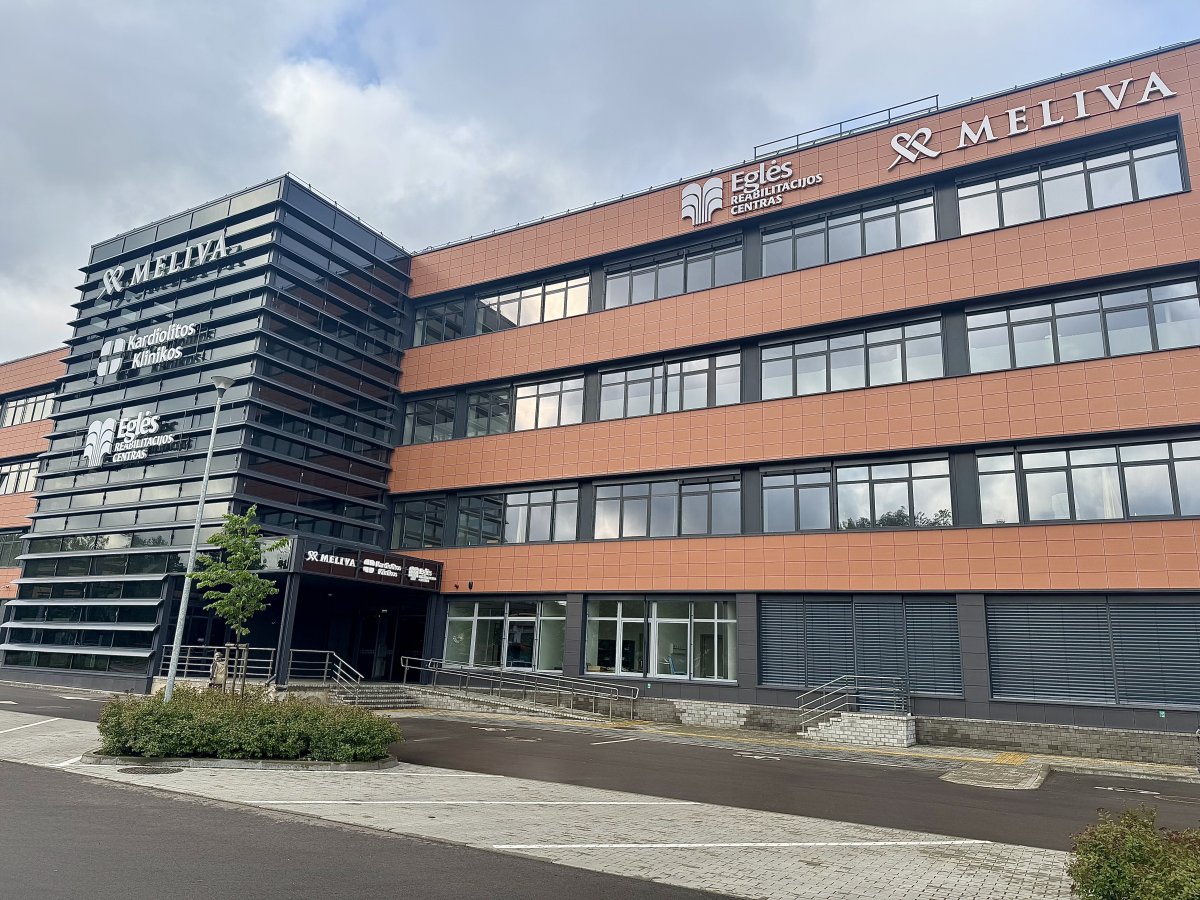
Perspectiva del experto de Bookimed: El volumen de pacientes a menudo indica dónde se concentra la experiencia neuroquirúrgica compleja. En Vilna, el Hospital Meliva Kardiolita atiende a 298.000 pacientes al año y cuenta con la acreditación JCI. Este alto flujo de pacientes en 33 de
¿Qué técnicas quirúrgicas se utilizan en Lituania para tratar un quiste cerebral?
Los neurocirujanos lituanos tratan los quistes cerebrales mediante fenestración neuroendoscópica, craneotomía microquirúrgica y derivación cistoperitoneal. Centros como el Hospital Meliva Kardiolita utilizan estándares acreditados por la JCI y tecnología de neuronavegación. Estos métodos tienen como objetivo drenar el líquido, eliminar las cápsulas de los quistes o evitar obstrucciones para aliviar la presión intracraneal de forma segura.
- Fenestración neuroendoscópica: Drenaje mínimamente invasivo a través de un orificio de trépano de 8 mm utilizando cámaras de fibra óptica.
- Craneotomía microquirúrgica: Escisión directa de quistes complejos utilizando microscopios quirúrgicos de alta potencia para la visualización.
- Derivación cistoperitoneal: Sistema de drenaje permanente que desvía el líquido quístico hacia el abdomen mediante válvulas reguladoras de presión.
- Tecnología de neuronavegación: La guía computarizada en tiempo real mejora la precisión durante procedimientos intracraneales delicados.
Opinión de expertos de Bookimed: Lituania ofrece una alta concentración de experiencia especializada dentro de un sector sanitario privado compacto. El Hospital Meliva Kardiolita por sí solo emplea a más de 500 médicos y gestiona 33 departamentos distintos. Esta consolidación permite a los neurocirujanos colaborar estrechamente con especialistas
¿Cuánto dura la recuperación típica tras una cirugía de quiste cerebral en Lituania?
La recuperación tras una cirugía de quiste cerebral en Lituania dura de 4 a 12 semanas para la mayoría de los pacientes. Las estancias hospitalarias suelen durar de 2 a 5 días bajo vigilancia neurológica. Los procedimientos mínimamente invasivos, como la fenestración endoscópica, pueden reducir la curación inicial a 2 o 4 semanas.
- Estancia hospitalaria: Los pacientes permanecen bajo atención clínica de 2 a 5 días después de la cirugía.
- Cicatrización de heridas: Los cirujanos suelen retirar los puntos o grapas en la tercera semana.
- Transición laboral: Los profesionales de oficina suelen retomar sus funciones en un plazo de 4 a 6 semanas.
- Trabajo físico: El trabajo manual o el manejo de maquinaria requiere de 2 a 3 meses de reposo.
- Recuperación total: La adaptación neurológica completa requiere aproximadamente de 3 a 6 meses.
Perspectiva del experto de Bookimed: Clínicas como el Medical Diagnostic and Treatment Center en Vilna enfatizan los protocolos de recuperación integrados. Sus 53 departamentos especializados agilizan la transición de la neurocirugía a una rehabilitación de alta calidad. Este enfoque multidisciplinario es vital porque la curación física a menudo supera la restauración cognitiva. Elegir un centro con rehabilitación in situ garantiza que su cronograma de recuperación sea predecible y cuente co
¿Qué estándares clínicos siguen los centros neuroquirúrgicos lituanos?
Los centros neuroquirúrgicos lituanos siguen los puntos de referencia clínicos de la Unión Europea y los protocolos de seguridad internacionales. Instalaciones como el Hospital Meliva Kardiolita y el Centro de Diagnóstico y Tratamiento Médico mantienen la acreditación de la Joint Commission International (JCI). Estos centros se adhieren a las directrices de la European Association of Neurosurgical Societies para el tratamiento de quistes cerebrales.
- Acreditación de seguridad: Los principales centros privados cuentan con las certificaciones del sello de oro de la Joint Commission International (JCI).
- Integración en la UE: La formación de especialistas sigue los estándares basados en competencias de la Unión Europea de Médicos Especialistas (UEMS).
- Atención basada en la evidencia: Los cirujanos utilizan los protocolos de la Brain Trauma Foundation y de neurooncología internacional para casos complejos.
- Monitoreo de resultados: Registros nacionales como StrokeLT rastrean el desempeño frente a 53 indicadores clave internacionales.
Perspectiva del experto de Bookimed: Si bien los principales hospitales tratan a 298,000 pacientes al año, sus departamentos de neurocirugía enfatizan el manejo conservador. Los datos muestran un patrón en el que los especialistas lituanos a menudo posponen la cirugía para quistes estables. Priorizan la observació
¿Es viable el boca a boca para los turistas médicos de habla inglesa?
El boca a boca crea una vía de comunicación viable para los turistas médicos de habla inglesa en Lituania. Los principales hospitales privados de Vilna priorizan el dominio del inglés entre los cirujanos y los gestores de casos internacionales. Instalaciones como el Hospital Meliva Kardiolita y el Centro de Diagnóstico y Tratamiento Médico cuentan con la acreditación de la Joint Commission International (JCI). Esto garantiza estándares estrictos para la comunicación con el paciente.
- Competencia del personal: Los hospitales privados emplean especialistas y cirujanos más jóvenes que suelen hablar inglés con fluidez.
- Estándares de acreditación: Las instalaciones de la Joint Commission International (JCI) deben mantener protocolos claros para la comunicación entre el paciente y el proveedor.
- Demografía de los pacientes: Las clínicas de Vilna atienden a muchos pacientes del Reino Unido, Irlanda y Australia.
- Apoyo administrativo: Departamentos internacionales dedicados gestionan la programación de citas, la coordinación de escaneos y las traducciones médicas.
Opinión de expertos de Bookimed: Los datos sobre el volumen de pacientes sugieren que Lituania actúa como un centro especializado para los europeos occidentales. El Centro de Diagnóstico y Tratamiento Médico informa que uno de cada 10 pacientes llega del extranjero. Esta alta proporción