Quiste cerebral Tratamiento en Corea del Sur — Costos 2026


Revisado médicamente por
Fahad Mawlood
¿Cuál es el precio del diagnóstico y los tratamientos de Quiste cerebral en Corea del Sur? Descubra ahora
De $500
Costos típicos del tratamiento de quistes cerebrales en la República de Corea
- Consulta con un neurocirujano: de $53
- Resonancia magnética cerebral con contraste: de $500
- Consulta con un neurólogo: de $55
- EEG de sueño: de $930
- Consulta con un oftalmólogo: $70 – $150
- Extirpación de tumor cerebral: de $19,000
- Gamma Knife: de $10,000
Perspectiva de los expertos de Bookimed: Para casos complejos que requieren alta precisión, los centros acreditados por la JCI en Seúl ofrecen la mejor relación calidad-precio. El Hospital de la Universidad Nacional de Seúl (SNUH) es una de las mejores opciones para cirugías de alto riesgo. Sirve como la instalación principal para el Presidente de Corea del Sur. Los pacientes que buscan protocolos de seguridad digital deben considerar el SNUBH. Utilizan el sistema BESTcare para minimizar los errores médicos durante la neurocirugía. El Hospital Gangnam Severance es ideal para quienes necesitan atención multidisciplinaria, incluida la coordinación de neurocirugía y neurología.
| Corea del Sur | España | Turquía | |
|---|---|---|---|
| Gamma Knife | de $10,000 | de $24,800 | de $5,500 |
| Extirpación de tumores cerebrales | de $19,000 | de $27,000 | de $12,000 |
| Cirugía de tumor cerebral | de $22,500 | de $23,000 | de $15,500 |
Sus beneficios y garantías con Bookimed
Precios directos
Bookimed no añade cargos extra a los precios de los tratamientos de Quiste cerebral. Las tarifas proceden de las listas de precios oficiales de las clínicas. Pagará directamente en la clínica por su tratamiento a su llegada al país.
Sólo clínicas y médicos verificados
Bookimed está comprometido con su seguridad. Solo trabajamos con las clínicas que mantienen altos estándares internacionales en el tratamiento de Quiste cerebral y cuentan con las licencias necesarias para atender a pacientes internacionales en todo el mundo.
Asistencia 24/7 gratuita
Bookimed ofrece asistencia experta gratuita. Un coordinador médico personal le apoya antes, durante y después de su tratamiento, resolviendo cualquier problema. Nunca estará solo en su viaje médico de tratamiento de Quiste cerebral.

Su coordinador médico personal de Bookimed
- Le apoya en cada etapa
- Ayuda a elegir la clínica y el médico adecuados
- Asegura un acceso rápido y conveniente a la información
Descubra las mejores clínicas de tratamiento de Quiste cerebral en Corea del Sur: 8 opciones verificadas y Precios












Obtenga una evaluación médica para Quiste cerebral en Corea del Sur: consulte con doctores experimentados ahora
Ver todos los médicos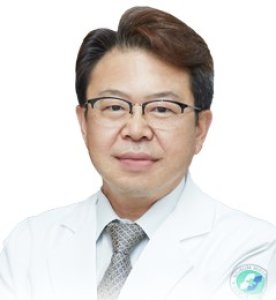
Han Yeongmin
El Dr. Han Yeongmin es neurocirujano (MD, PhD). Es director médico y director del Centro de Neurocirugía del Hospital St. Mary’s de Incheon. Trata enfermedades cerebrovasculares y trastornos de los nervios periféricos. También se especializa en tumores cerebrales y cirugía de base de cráneo. Las afecciones incluyen ictus, hemorragia cerebral, infarto cerebral y enfermedad de Moyamoya. Realiza PEN, PNP y SNB. También ofrece discectomía microscópica y endoscópica, reemplazo de disco artificial,
Compartir contenido
Historias en video de pacientes de Bookimed
 Olena Sikoza
Preguntas frecuentes sobre el tratamiento de Quiste cerebral en Corea del Sur
¿Cuáles son los mejores hospitales en Corea del Sur para el tratamiento de quistes cerebrales?
Los principales hospitales surcoreanos para el tratamiento de quistes cerebrales incluyen el Seoul National University Hospital y el Severance Hospital. Estos centros acreditados por la JCI se especializan en microcirugía y radiocirugía Gamma Knife. Las instalaciones en Seúl utilizan equipos multidisciplinarios. Realizan miles de procedimientos neuroquirúrgicos anualmente con alta precisión y seguridad.
- Experiencia quirúrgica: El SNUH realiza más de 1,300 cirugías cerebrales al año utilizando gestión multidisciplinaria.
- Innovación digital: El SNU Bundang Hospital utiliza sistemas digitales BESTcare para neurocirugía de alta precisión.
- Volumen y escala: El Severance Hospital trata a 1.6 millones de pacientes ambulatorios al año con unidades de neurocirugía dedicadas.
- Opciones mínimamente invasivas: El Ewha Womans University Medical Center se centra en operaciones de incisión pequeña y estética.
Perspectiva del experto de Bookimed: El volumen de pacientes es un indicador fiable de la experiencia en Corea del Sur. El Asan Medical Center realiza más de 65,000 operaciones al año. Este volumen masivo a menudo se correlaciona con una mayor competencia en casos neuroquirúrgicos complejos. Los hospitales que atienden a más de 10,000 pacientes diarios suelen ofrecer equipos especializados más robustos como el Gamma Knife.
Consenso
¿Qué técnicas modernas se utilizan para la extirpación de quistes cerebrales en Corea?
Los neurocirujanos surcoreanos utilizan la neuroendoscopia y la neuronavigación para extirpar quistes cerebrales con alta precisión. Estas técnicas mínimamente invasivas acortan los tiempos de recuperación manteniendo una tasa de eficacia del 95%. Los centros especializados en Seúl integran la resonancia magnética intraoperatoria para garantizar la extirpación segura y precisa de lesiones quísticas complejas.
- Fenestración neuroendoscópica: Los cirujanos utilizan un endoscopio delgado para drenar o extirpar quistes profundos.
- Guía por neuronavigación: Los sistemas tipo GPS rastrean los instrumentos en tiempo real para proteger el tejido cerebral crítico.
- Cirugía endoscópica endonasal: Se accede a los quistes en la base del cerebro a través de la nariz sin incisiones.
- Radiocirugía estereotáctica: Los sistemas Gamma Knife tratan quistes específicos de forma no invasiva mediante haces de radiación enfocados.
Perspectiva de expertos de Bookimed: Si bien los principales centros como el Asan Medical Center y el Severance Hospital realizan miles de operaciones al año, el indicador de calidad más alto es la digitalización. El Hospital Bundang de la Universidad Nacional de Seúl fue el primer hospital 100% digital del país. Esta infraestructura es compatible con el sistema BESTcare. Esta tecnología previene activamente errores médicos durante neur
¿Ofrecen los médicos coreanos una rehabilitación integral después de una cirugía cerebral?
Los médicos coreanos ofrecen rehabilitación especializada después de una cirugía cerebral a través de equipos multidisciplinarios en centros acreditados por la JCI. Instalaciones como el Hospital Severance y el Hospital Bundang de la Universidad Nacional de Seúl (SNUBH) ofrecen protocolos personalizados. Estos incluyen fisioterapia, terapia ocupacional y logopedia para mejorar el estado funcional después de procedimientos neurológicos.
- Equipos multidisciplinarios: Neurocirujanos, neurólogos y terapeutas coordinan la atención en centros especializados.
- Evaluación funcional: Los médicos utilizan el Índice de Barthel Modificado Coreano para medir el progreso de la recuperación.
- Tecnología avanzada: Los hospitales digitales como el SNUBH integran sistemas electrónicos para el seguimiento de la recuperación.
- Instalaciones acreditadas: Las principales instituciones cuentan con certificaciones JCI, KOIHA o GHA para la seguridad.
Perspectiva del experto de Bookimed: Aunque Corea del Sur ocupa un lugar destacado a nivel mundial, la capacidad para la rehabilitación hospitalaria a largo plazo varía significativamente. El Hospital Severance enumera explícitamente la rehabilitación como una especialización central. Las clínicas más pequeñas pueden centrarse solo en la fase quirúrgica. Los pacientes deben priorizar los hospitales con departamentos de
¿Cuánto tiempo debo permanecer en Corea para el tratamiento de un quiste cerebral?
Los pacientes suelen permanecer en Corea del Sur de 10 a 14 días para el tratamiento de un quiste cerebral. Las craneotomías estándar requieren de 7 a 10 noches de hospitalización para su seguimiento. Los procedimientos menos invasivos, como la radiocirugía Gamma Knife, pueden reducir significativamente la estancia total. Los cirujanos suelen retirar los puntos de sutura entre 7 y 10 días después de la cirugía.
- Ingreso hospitalario: La extirpación quirúrgica estándar requiere de 7 a 10 días de observación hospitalaria.
- Opciones mínimamente invasivas: Los tratamientos con Gamma Knife o CyberKnife a menudo permiten una estancia más corta.
- Retirada de puntos: Los cirujanos suelen retirar las grapas o puntos de sutura entre 7 y 10 días después del procedimiento.
- Autorización para viajar: Los pacientes suelen estar lo suficientemente estables para realizar vuelos internacionales en un plazo de 2 a 4 semanas.
Perspectiva del experto de Bookimed: Los sistemas médicos digitales de Corea, como el sistema BESTcare en el Hospital Bundang de la Universidad Nacional de Seúl, aceleran la autorización preoperatoria. Nuestros datos muestran que hospitales como el Centro Médico Asan gestionan más de 65,000 operaciones al año. Este alto volumen a menudo significa una programación más rápida para las pruebas de diagnóstico esenciales de resonancia magnéti
¿Podré comunicarme con los médicos en inglés?
Los principales hospitales de Corea del Sur ofrecen asistencia profesional en inglés para pacientes internacionales con quistes cerebrales. Los centros acreditados por la JCI en Seúl emplean médicos bilingües y coordinadores internacionales dedicados. Instalaciones como el Severance Hospital y el Asan Medical Center utilizan intérpretes profesionales para garantizar una comunicación clara durante consultas neurológicas y cirugías complejas.
- Intérpretes profesionales: Traductores médicos certificados facilitan las discusiones neurológicas complejas y la planificación quirúrgica.
- Fluidez de los médicos: La mayoría de los neurocirujanos en hospitales universitarios hablan un inglés funcional para explicaciones médicas.
- Estándares de acreditación: Las instalaciones acreditadas por la JCI mantienen protocolos estrictos para la comunicación y seguridad de los pacientes internacionales.
- Personal de apoyo: Los departamentos internacionales ayudan con los resúmenes del historial médico y el papeleo administrativo.
Opinión de expertos de Bookimed: El éxito en la comunicación depende del tipo de hospital más que de la ciudad. Los datos muestran que los centros afiliados a universidades como el Seoul National University Hospital y el Severance Hospital atienden a más de 1.500.000 pacientes al año. Estos centros de gran volumen cuentan con divisione