Tratamiento de Esclerosis múltiple en México — obtenga 3 coincidencias personalizadas de clínicas


Revisado médicamente por
Fahad Mawlood
Cómo funciona
¿Cuál es el precio del diagnóstico y los tratamientos de Esclerosis múltiple en México? Descubra ahora
El costo del tratamiento de la esclerosis múltiple en México varía según el plan de tratamiento específico. La terapia con células madre mesenquimales, que promueve la reparación de tejidos y reduce la inflamación, oscila entre 26.500 € y 30.300 €. El tratamiento con ocrelizumab, que incluye tres aplicaciones, tiene un precio de 58.800 €. Además, un paquete integral que incluye células madre mesenquimales de tejido de cordón umbilical alogénico y terapia de exosomas está disponible por 11.400 €. Cada tratamiento se adapta a las necesidades del paciente, asegurando un enfoque personalizado para manejar la esclerosis múltiple.
| España | Turquía | México | |
|---|---|---|---|
| Tratamiento con medicamentos para la esclerosis múltiple | ≈ $3,000 | de $3,100 | ≈ $7,000 |
| Rehabilitación de la esclerosis múltiple | de $22,400 | de $250 | de $4,000 |
| Plasmaféresis | de $12,300 | de $3,200 | de $2,700 |
| Ocrevus (ocrelizumab) | de $11,900 | ≈ $4,500 | de $13,500 |
| Intercambio de plasma | ≈ $2,400 | ≈ $3,900 | ≈ $2,200 |
Descubra las mejores clínicas de tratamiento de Esclerosis múltiple en México: 8 opciones verificadas y Precios

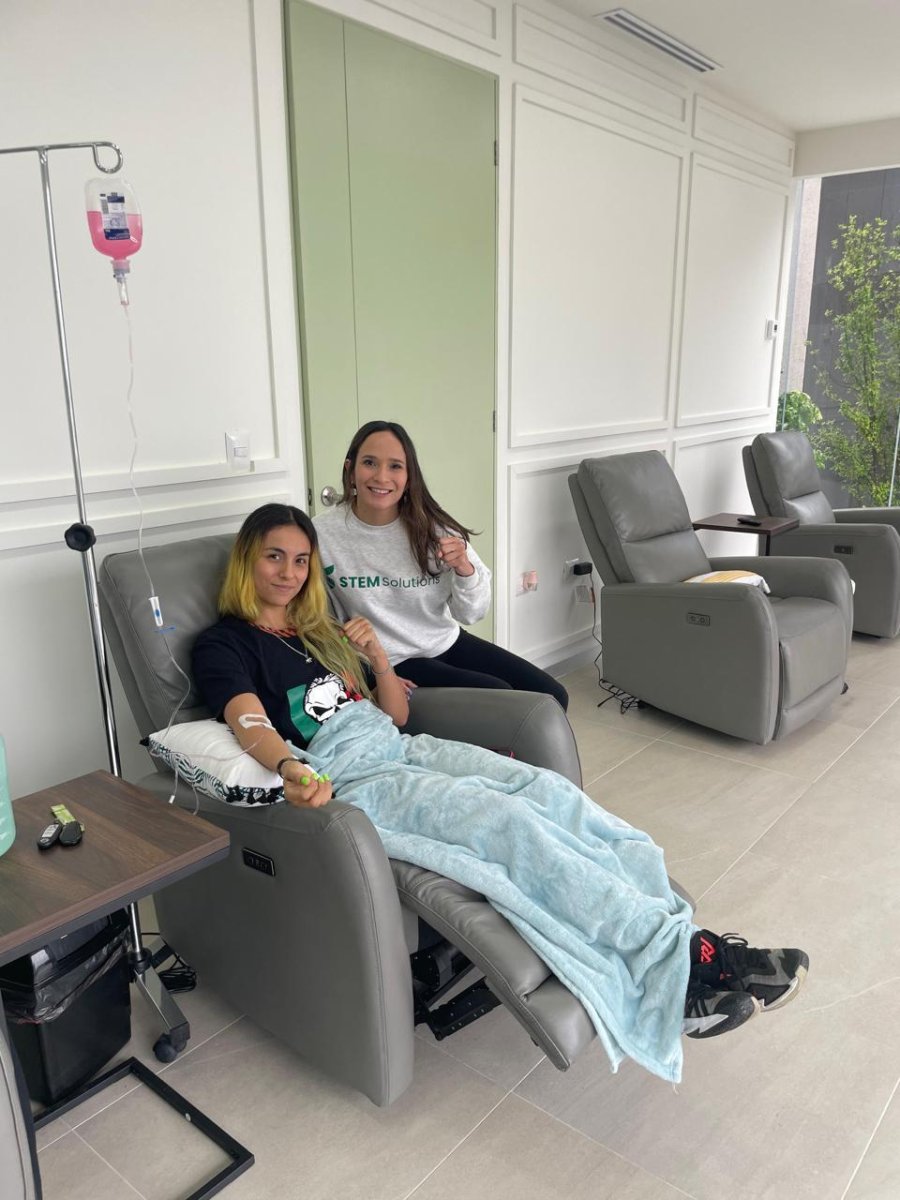
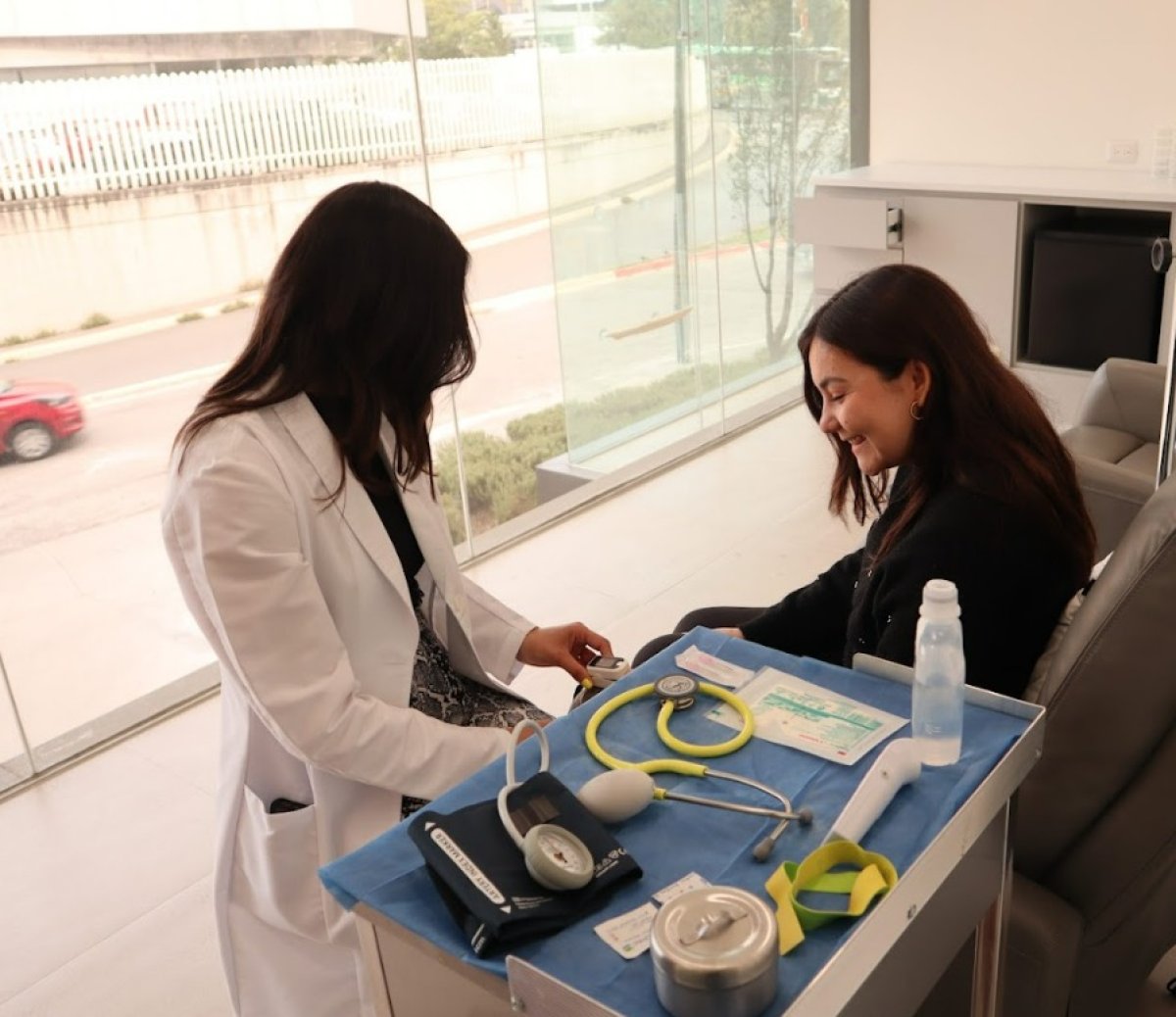
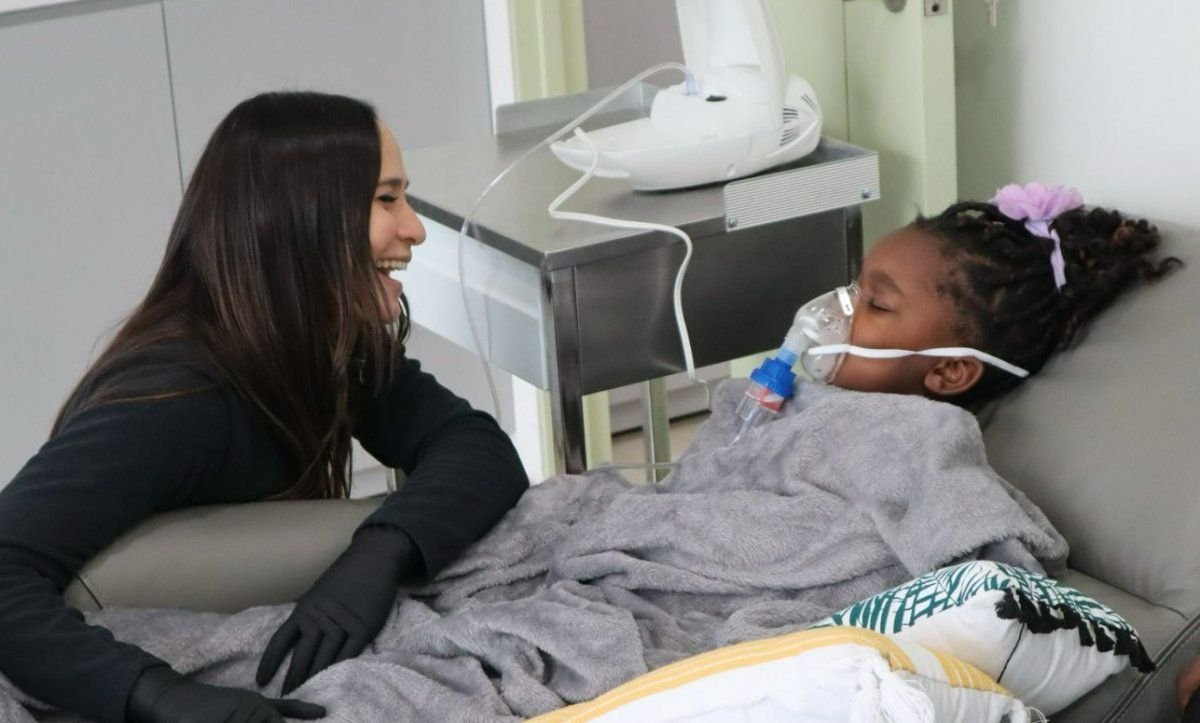
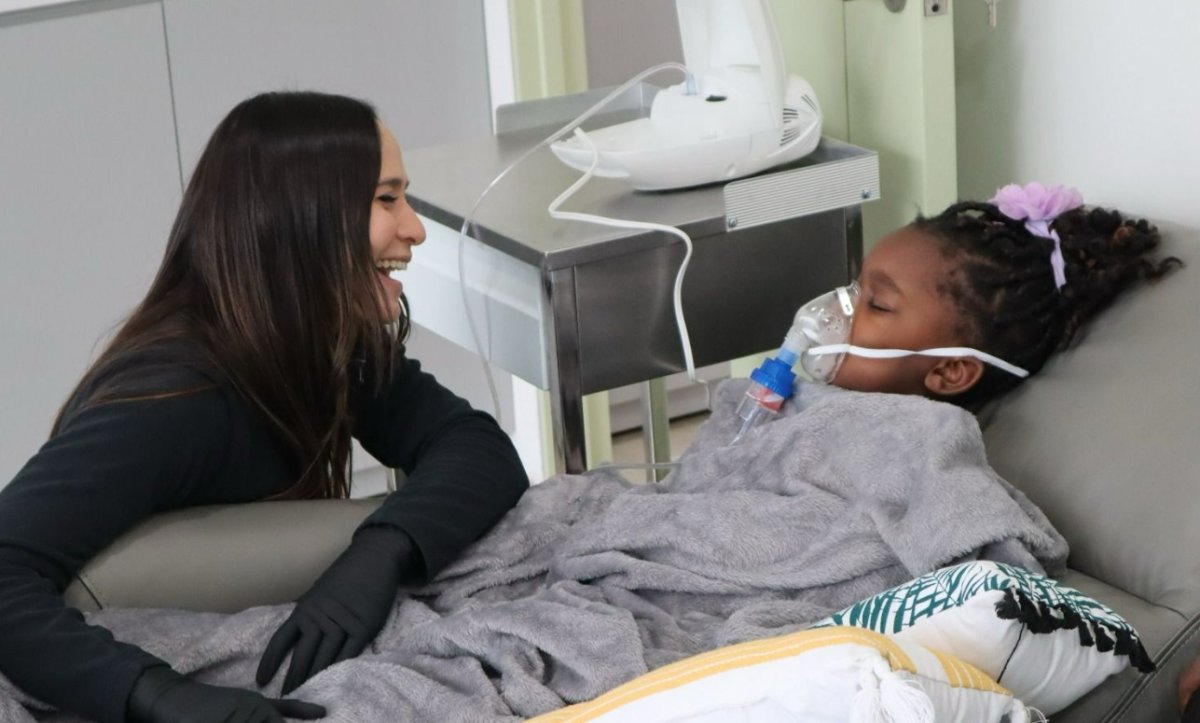



Clínica de terapia con células madre Giostar

Giostar Stem Cell Therapy | Playa del Carmen Clinic


Giostar Stem Cell Therapy | Playa del Carmen Clinic



Obtenga una evaluación médica para Esclerosis múltiple en México: consulte con doctores experimentados ahora
Ver todos los médicos
Anna Lara
La Dra. Anna Lara es especialista en medicina regenerativa en Stem Solutions en Monterrey, México. Posee una maestría en nutrición aplicada e investigación de la Universidad Iberoamericana. La Dra. Lara se especializa en rejuvenecimiento con células madre y salud de longevidad. Asegura que todos los tratamientos cumplan con las leyes regulatorias mexicanas de COFEPRIS.
- Miembro de la Sociedad Internacional de Aplicación de Células Madre.
- Certificada por SCOPE de la Federació
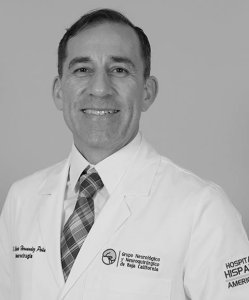
Dr Roberto Hernandez
Formado en EE. UU. y Canadá, el Dr. Roberto Hernández forma parte de un cualificado equipo neuroquirúrgico que realiza entre 30 y 60 cirugías neurológicas al mes en el Hospital de la Familia.
- Especializado en intervenciones neuroquirúrgicas avanzadas
- Utiliza la última tecnología en procedimientos quirúrgicos
- Trabaja en colaboración con otro neurocirujano formado internacionalmente

Ernesto Romero
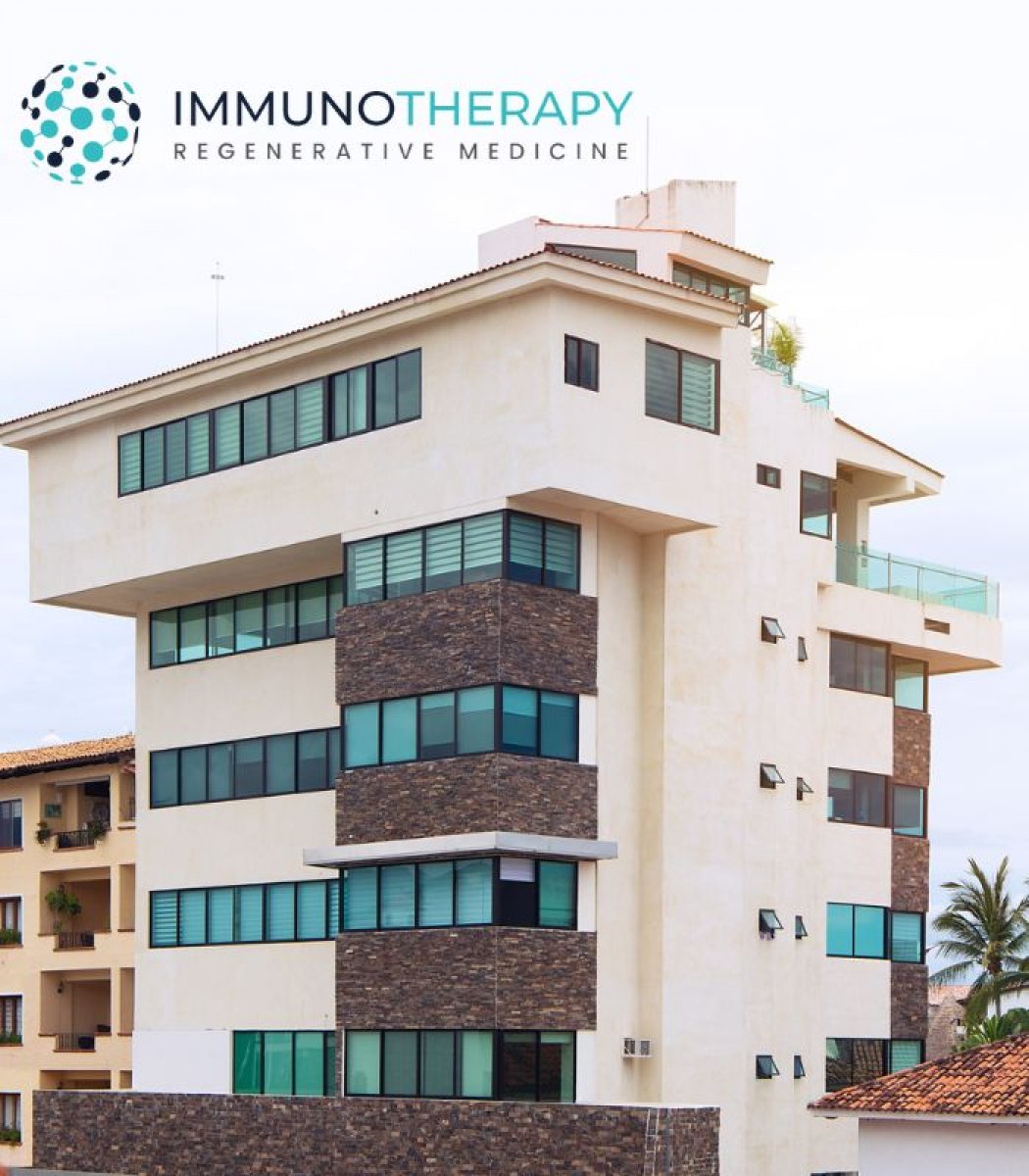
Más de 900 tratamientos realizados con células madre mesenquimales – El Dr. Romero se especializa en medicina regenerativa para enfermedades autoinmunes en Immunotherapy Regenerative Medicine.
- _doctor_5860_años_ de experiencia clínica en medicina regenerativa
- Máster en Medicina Regenerativa por la Universidad Católica de Murcia
- Fundador del instituto biotecnológico Bioplenum S.A de C.V
- Investigador clínico en protocolos para ELA, lupus y otras enfermedades degenerativas
- Representante de HemoFenix France en México y América Latina
Artículos relacionados

¿Qué necesitas saber sobre la esclerosis múltiple?
Escrito por Veronika Kazina
Compartir contenido
Historias en video de pacientes de Bookimed
 Olena Sikoza
Preguntas frecuentes sobre el tratamiento de Esclerosis múltiple en México
¿Se realiza el TPH para la esclerosis múltiple en México en hospitales acreditados con equipos médicos certificados internacionalmente?
El TPH (Trasplante de Progenitores Hematopoyéticos) para la esclerosis múltiple en México se realiza en instalaciones con acreditaciones nacionales e internacionales. Los centros líderes mantienen la acreditación CSG del Consejo de Salubridad General de México. Los equipos médicos a menudo incluyen especialistas certificados por el Colegio Mexicano de Células Madre y Medicina Regenerativa con formación internacional.
- Certificación hospitalaria: La acreditación CSG garantiza altos estándares de calidad y seguridad del paciente en México.
- Credenciales de los especialistas: Los médicos principales a menudo poseen maestrías en Medicina Regenerativa de universidades europeas.
- Supervisión regulatoria: Las clínicas de renombre operan bajo laboratorios certificados por COFEPRIS, equivalentes a los estándares de seguridad de la FDA.
- Formación internacional: Muchos neurólogos y neurocirujanos completan becas avanzadas en EE. UU. o Canadá.
Perspectiva del experto de Bookimed: Los datos muestran una alta concentración de experiencia en medicina regenerativa en Monterrey y Puerto Vallarta. Mientras que algunos centros como Immunotherapy Regenerative Medicine atienden a más de 1,200 pacientes al año, hospitales boutique más pequeños como el Hospital de la Familia ofrecen una gran experiencia neuroquirúrgica con 30–60 procedimientos mensuales. Los pac
¿Cuáles son los datos fácticos de seguridad y eficacia recopilados de pacientes internacionales anteriores tratados con HSCT en México?
Los datos anteriores sobre cohortes internacionales en México indican una tasa de supervivencia global del 100% a los 128 meses para pacientes con esclerosis múltiple. Este protocolo ambulatorio mantiene una alta seguridad con una tasa de supervivencia del 99,83% en los primeros 30 días. La mayoría de los pacientes se estabilizan o mejoran neurológicamente después del procedimiento.
- Respuesta neurológica: Aproximadamente entre el 75% y el 80% de los pacientes muestran puntuaciones de discapacidad estabilizadas o mejoradas.
- Prevención de recaídas: Casi el 90% de los pacientes internacionales no experimentan recaídas clínicas después del trasplante.
- Evidencia de resonancia magnética: Aproximadamente el 87,6% de los pacientes tratados no muestran nuevas lesiones cerebrales en el seguimiento.
- Seguridad ambulatoria: Los registros muestran que el 96-97% de los casos completan el protocolo completo sin ingreso hospitalario.
Perspectiva del experto de Bookimed: Clínicas mexicanas como Immunotherapy Regenerative Medicine y Giostar atienden a más de 5.000 pacientes internacionales al año, lo que refleja una experiencia de gran volumen que rara vez se ve en los centros europeos. Mientras que los centros académicos utilizan estancias hospitalarias intensivas, el modelo ambulatorio mexicano se basa en la recuperación rápida del recuento sanguíneo en
¿Soy un candidato adecuado para un TPH en México?
Los candidatos adecuados para un TPH (Trasplante de Progenitores Hematopoyéticos) en México generalmente tienen Esclerosis Múltiple Recurrente-Remitente (EMRR) activa y permanecen ambulatorios. La elegibilidad requiere una puntuación en la Escala Expandida del Estado de Discapacidad (EDSS) de 7.0 o menos. Los pacientes deben demostrar una función orgánica suficiente. Las evaluaciones requieren una resonancia magnética reciente para confirmar la actividad de la enfermedad.
- Estado de movilidad: Los candidatos deben caminar 10 metros con o sin ayuda (EDSS inferior a 7.0).
- Tipo de enfermedad: La EMRR inflamatoria activa muestra un mayor éxito que la discapacidad estable de larga duración.
- Salud de los órganos: La función cardíaca, pulmonar y hepática debe tolerar la quimioterapia de acondicionamiento intensivo.
- Imágenes médicas: Es obligatoria una resonancia magnética cerebral y espinal de menos de 3 meses de antigüedad.
Perspectiva del experto de Bookimed: Aunque muchos buscan un TPH, los pacientes con puntuaciones de discapacidad más bajas a menudo encuentran un mejor valor en protocolos regenerativos especializados. Clínicas como Immunotherapy Regenerative Medicine en Puerto Vallarta utilizan células madre mesenquimales para la inmunomodulación. Este enfoque sirve como una alternativa menos intensiva para aquellos que no cumplen con los
¿Cuál es el cronograma completo de hospitalización para un TPH en México?
El cronograma completo de hospitalización para un TPH (trasplante de células madre hematopoyéticas) en México suele durar de 25 a 30 días. Este protocolo intensivo incluye movilización, quimioterapia y un período crítico de recuperación. Los pacientes se someten a la recolección de células madre mediante aféresis. La reinfusión ocurre el día 0 en clínicas especializadas en Monterrey o en la Clínica Ruiz.
- Fase de pretratamiento: Las pruebas iniciales y la revisión del historial médico toman de 3 a 4 días.
- Período de movilización: Las inyecciones mueven las células madre a la sangre durante 8 días antes de la recolección.
- Rondas de quimioterapia: La quimioterapia no mieloablativa se realiza en dos etapas para inhibir el sistema inmunológico.
- Fase neutropénica: Los pacientes permanecen en aislamiento con filtros HEPA durante 10 a 14 días después del trasplante.
Perspectiva del experto de Bookimed: Los protocolos mexicanos a menudo reducen la estancia hospitalaria a menos de 30 días utilizando opciones de movilización ambulatoria. Centros especializados como Immunotherapy Regenerative Medicine en Puerto Vallarta o los de Monterrey suelen manejar grandes volúmenes, atendiendo a entre 4,000 y 5,000 pacientes al año. Esta alta frecuencia permite a los equipos médicos perfeccionar la logística, lo que potencialmente acorta el cronograma en comp
¿Cómo se manejan el injerto y el control de la enfermedad después de que regreso a casa?
Los centros de neurología mexicanos gestionan el injerto y el control de la esclerosis múltiple mediante la coordinación remota con su médico de cabecera. Los pacientes suelen realizar análisis de sangre frecuentes a nivel local para seguir la recuperación de neutrófilos y plaquetas. Las resonancias magnéticas cerebrales periódicas y los exámenes neurológicos aseguran que el tratamiento estabilice eficazmente la enfermedad después de su regreso.
- Control sanguíneo: Se realizan hemogramas completos (CBC) 2 o 3 veces por semana durante el primer mes.
- Seguimiento del injerto: Los centros monitorean el recuento absoluto de neutrófilos (ANC) hasta que superan constantemente los 500.
- Evaluación neurológica: Las resonancias magnéticas cerebrales anuales con contraste ayudan a detectar cualquier nueva actividad de lesiones.
- Detección de infecciones: Se pueden utilizar pruebas de PCR en casa para verificar la reactivación viral como el EBV.
Perspectiva del experto de Bookimed: Los datos de centros de alto volumen como Immunotherapy Regenerative Medicine y Advanced Regenerative Center muestran un cambio hacia seguimientos digitales. Muchos especialistas mexicanos ahora utilizan aplicaciones dedicadas o mensajería segura para revisar los resultados de laboratorio en tiempo real desde el extranjero. Esta infraestructura permite que más de 1,200 paci
¿Qué aeropuertos y alojamientos adyacentes se recomiendan para pacientes de TPH y sus acompañantes?
Los aeropuertos recomendados para el tratamiento de MSK en México incluyen el Aeropuerto Internacional de Cancún (CUN) y el Aeropuerto Internacional de Monterrey (MTY). Los pacientes deben seleccionar alojamientos a menos de 45 minutos de clínicas como Giostar o Immunotherapy Regenerative Medicine. Estos centros ofrecen vuelos internacionales directos y transporte médico especializado para minimizar la fatiga del viaje.
- Puerta de entrada principal: El Aeropuerto Internacional de Cancún (CUN) minimiza el estrés del viaje para los visitantes inmunocomprometidos.
- Acceso a Monterrey: El Aeropuerto Internacional de Monterrey (MTY) sirve a centros avanzados como Alivia y Stem Solutions.
- Estándares de hospitalidad: Elija complejos turísticos como Occidental Tucancun por su alta higiene y comodidades para acompañantes.
- Proximidad estratégica: Manténgase a menos de 30 minutos de la clínica para reducir los riesgos de infección.
Perspectiva del experto de Bookimed: Los datos muestran que las clínicas de Monterrey y Cancún, como el Hospital San Jose TecSalud y Giostar, atienden a más de 5,000 pacientes al año. Estos centros de alto volumen a menudo se agrupan cerca de los aeropuertos con tiempos de tránsito de 60 minutos. Por seguridad, evite el centro de la Ciudad de México (MEX) para evitar la alta contaminación y los largos viajes de 3 horas a
¿Qué puedo esperar en cuanto a cambios en la apariencia física después del tratamiento?
Los cambios en la apariencia física después del tratamiento de la esclerosis múltiple en México suelen ser menores y temporales. Los pacientes a menudo experimentan hematomas en el lugar de la inyección o hinchazón facial debido a los esteroides a corto plazo. La mayoría de los efectos dermatológicos se resuelven en cuatro semanas. Los protocolos basados en México generalmente resultan en un menor impacto cosmético que la quimioterapia intensiva.
- Lugares de inyección: Pueden aparecer hematomas leves o pequeños bultos durante 1-2 semanas.
- Hinchazón facial: El uso de esteroides puede causar hinchazón temporal, que se resuelve en un mes.
- Cambios en el cabello: La pérdida significativa de cabello es rara, aunque puede ocurrir un ligero adelgazamiento.
- Estado de la piel: La reducción de la inflamación a menudo conduce a una piel más clara o a la desaparición de erupciones.
Perspectiva del experto de Bookimed: Los datos de centros mexicanos como Immunotherapy Regenerative Medicine muestran un enfoque en protocolos de células madre mesenquimales. Estos tratamientos evitan la pérdida de cabello agresiva típica del TPH (trasplante de células madre hematopoyéticas). El Dr. Ernesto Romero y otros especialistas enfatizan la medicina regenerativa. Este enfoque a menudo resulta en una mejor vitalidad de la piel en lugar de las toxicidades graves obse