Ir a inicio
Divulgación publicitaria

Mejores países para el tratamiento de Esclerosis múltiple en el mundo

Los mejores países para el tratamiento de Esclerosis múltiple en el mundo son España, Turquía y México, según 120k+ solicitudes de pacientes y 161 clínicas verificadas en más de 50 países. Estos destinos ofrecen el mejor equilibrio entre calidad de tratamiento, experiencia de los especialistas y asequibilidad, con precios hasta un 73% más bajos que en EE. UU.

Ahorra hasta

73%

vs. precios promedio del Reino Unido o EE. UU.

Datos de 161 clínicas verificadas en 30 países
Escrito por Olena Sikoza
Сopywriter en español

Cómo funciona

Hemos transformado el proceso de búsqueda de clínicas, haciéndolo simple, rápido y personalizado.
Responda algunas preguntasComplete un breve formulario para contarnos sobre su estado de salud y necesidades médicas.
Obtenga ofertas personalizadas3 clínicas seleccionadas especialmente según sus respuestas le proporcionan planes de tratamiento personalizados y presupuestos.
Elija la mejor opciónCompare ofertas y elija la clínica que más le convenga.
También puede consultar las 161 clínicas a continuación.

Top 5 países para tratamiento de Esclerosis múltiple asequible: comparación de precios y calidad

ClasificadoPaísPromedio de precio.Ahorro vs EE. UU.Mejor paraPor qué está clasificado
#1EspañaFrom $1,800Hasta55%Early access to innovative drug therapies and clinical trialsTop neurologists lead 100+ clinical trials, providing rapid access to new medications. JCI-accredited hospitals in Madrid and Barcelona offer specialized multiple sclerosis units with multidisciplinary rehabilitation and fast-track diagnostics.
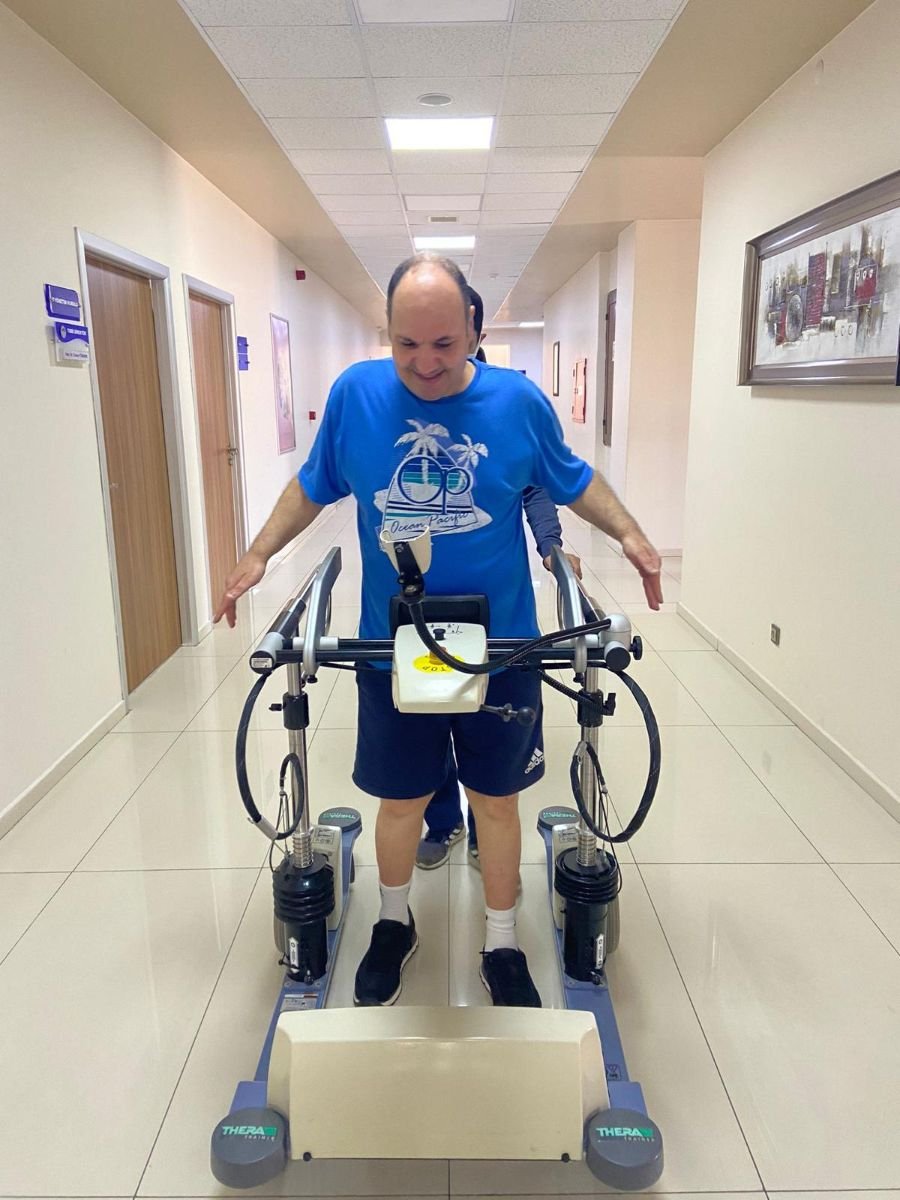
#2TurquíaFrom $1,200Hasta70%Affordable drug therapies and robotic neurorehabilitationJCI-accredited centers offer specialized multiple sclerosis diagnostics and plasmapheresis. Patients access Lokomat robotic rehabilitation and GMP-certified stem cell centers. Neurologists with international training manage 65,000+ patients annually.
#3MéxicoFrom $1,100Hasta73%Access to regenerative therapies and stem cell protocolsMexico offers MS-specific stem cell protocols and regenerative treatments. Clinics certified by the General Health Council (CSG) provide specialized care, including treatments often restricted in other countries.
#4COFrom -
#5ITFrom $2,200Hasta45%

Aviso médico: Datos verificados por Bookimed a partir de abril de 2026, basados en solicitudes de pacientes y cotizaciones oficiales de 161 clínicas en todo el mundo. Los costos medianos se basan en facturas reales (2024–2026) y se actualizan mensualmente. Los precios reales pueden variar.

España: Mejor país para el tratamiento de Esclerosis múltiple en el mundo – desde $1,800

España cuenta con más de 50 clínicas especializadas en el tratamiento de la esclerosis múltiple (EM), que atienden a unos 62.000 pacientes. Centros punteros como el Centro Médico Teknon, Quironsalud Madrid y el Hospital Quirón Barcelona ofrecen una atención avanzada, acreditada por la Joint Commission International. Los tratamientos incluyen terapias modificadoras de la enfermedad (TME) como interferones y anticuerpos monoclonales, que reducen las tasas de recaída entre un 29 y un 68%.

Los tratamientos de vanguardia, como la terapia con células madre y el rituximab, mejoran los resultados y frenan eficazmente el avance de la EM. Respaldados por herramientas sofisticadas como la resonancia magnética, estos enfoques sitúan a España a la vanguardia de la atención a la EM, según estudios recientes.


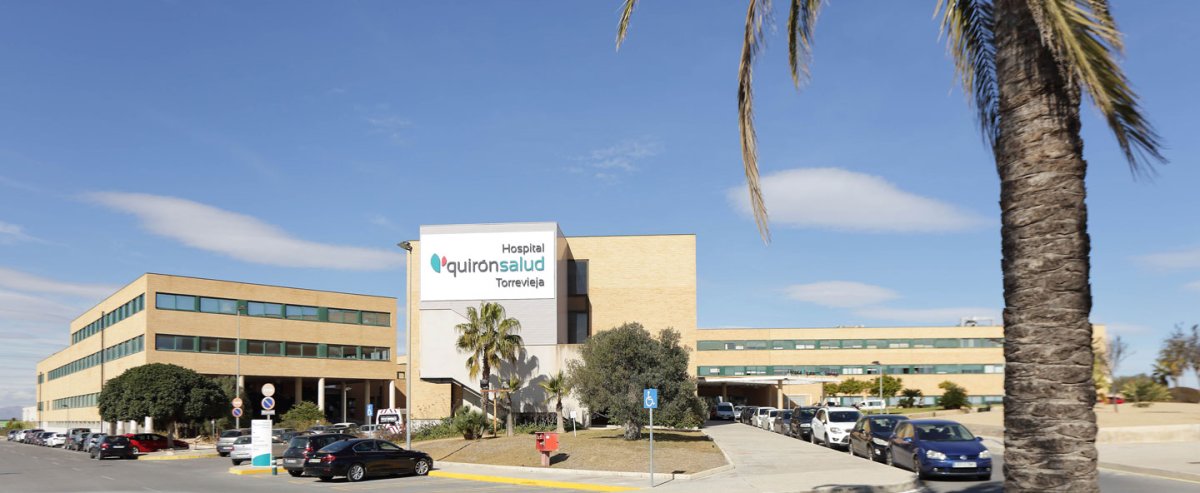
Quironsalud Torrevieja

Quironsalud Torrevieja

España, Alicante
Clínica certificada por :

El Hospital Quirónsalud Torrevieja, ubicado cerca del Parque Natural de las Lagunas de Torrevieja, en España, abrió sus puertas en 2002 y ofrece una amplia gama de servicios médicos. El hospital emplea a 400 profesionales, incluyendo 80 médicos, y dispone de 120 habitaciones, incluyendo 4 suites y una UCI moderna con 12 unidades.

Con una superficie de 22 000 metros cuadrados, está equipado con tecnología avanzada, incluyendo escáneres CAT, PET-CT, resonancias magnéticas, ecógrafos y dos aceleradores lineales. El hospital también cuenta con seis quirófanos y 46 salas de consulta.

Atendiendo a una gran base de pacientes internacionales, casi el 50% de los pacientes provienen de diversos países. Ofrece soporte multilingüe en 15 idiomas, asegurando una comunicación efectiva.

El hospital brinda atención en más de 30 especialidades, incluyendo oncología, cardiología, neurología, pediatría, dermatología y cirugía plástica. Algunos especialistas destacados incluyen al Dr. Joseba Rebollo y al Dr. Manuel Sureda en oncología, al Dr. Pedro Bretcha Boix en cirugía laparoscópica, y a la Dra. Erika Torres en neurociencias.

Utilizando tecnologías avanzadas como el Sistema Robótico Da Vinci, PET-CT y Varian TrueBeam, el Hospital Quirónsalud Torrevieja garantiza tratamientos precisos. El hospital combina atención experta con tecnología de vanguardia para proporcionar resultados excepcionales para los pacientes.

4.34 reseñas
Precio a consultar
Más información
Centro Médico Teknon

Turquía: principal país para el tratamiento de Esclerosis múltiple – desde $1,200.

Turquía ofrece tratamientos avanzados para la esclerosis múltiple en clínicas de alta calificación como el Hospital Memorial Şişli, el Hospital Universitario Medipol Mega y el Centro Médico Anadolu. Estas instalaciones brindan terapias innovadoras, incluyendo estimulación cerebral profunda y terapia con células madre, que han demostrado una gran eficacia en el manejo de los síntomas y la ralentización de la progresión de la enfermedad. El Hospital Memorial Şişli está acreditado por JCI, lo que garantiza una atención médica de alta calidad.

NP Hospital Istanbul
Dunyagoz Eye Hospital Istanbul Etiler
Centro médico Anadolu

México: principal país para el tratamiento de Esclerosis múltiple – desde $1,100.

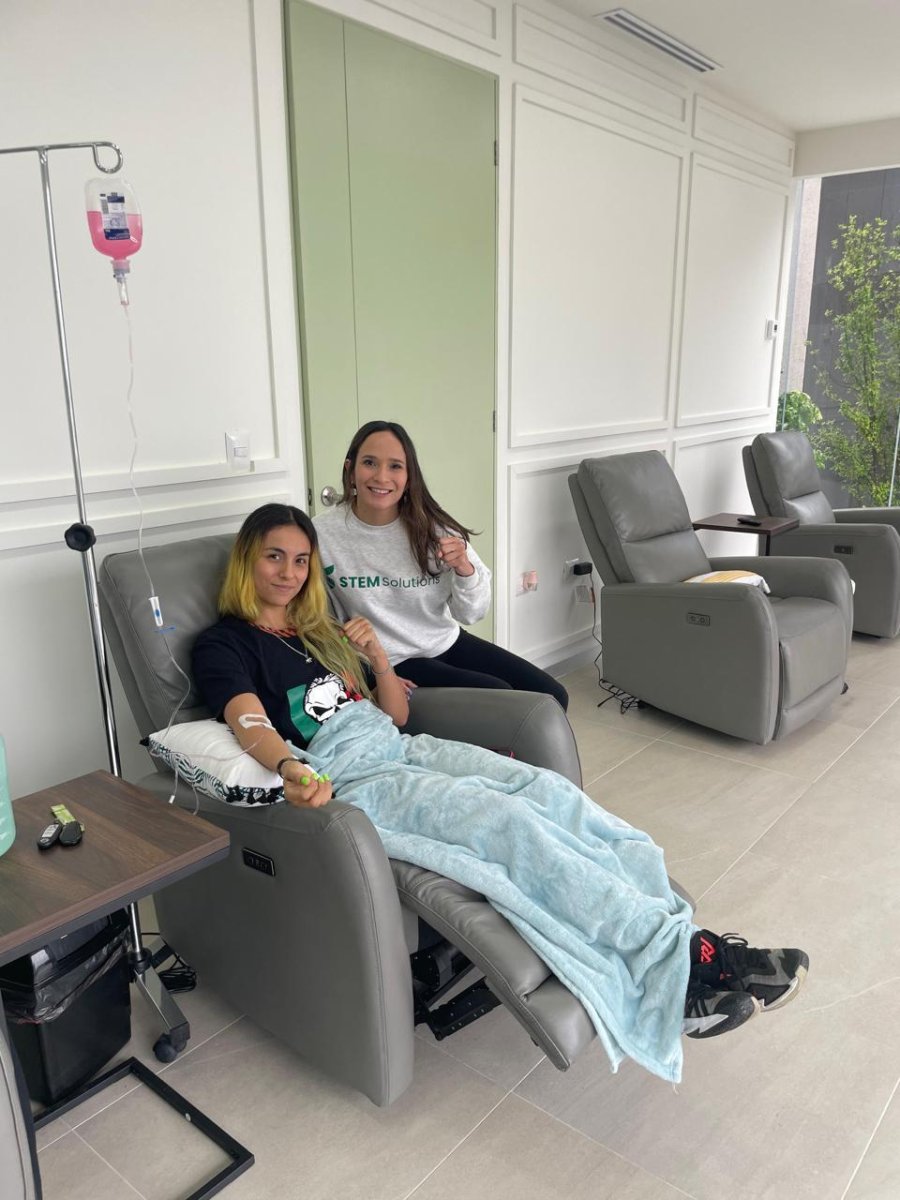
México está avanzando en el tratamiento de la Esclerosis Múltiple (EM) con clínicas como Stem Solutions, Giostar Stem Cell Therapy | Clínica Playa del Carmen, y Advanced Regenerative Center - ARC STEM CELLS. Estos centros se centran en tratamientos regenerativos, utilizando terapias con células madre. La Joint Commission International acredita a muchas organizaciones sanitarias en México.

Las tasas de éxito del tratamiento de la EM en México son prometedoras, con procedimientos como el trasplante autólogo de células madre hematopoyéticas, la terapia con células madre mesenquimales y el reinicio del sistema inmunitario. El objetivo es detener la progresión de la enfermedad y promover la recuperación neurológica. Diversos estudios muestran un alivio significativo de los síntomas y una mejora de la calidad de vida de los pacientes con EM.

Italia: principal país para el tratamiento de Esclerosis múltiple – desde $2,200.

Italia destaca en el tratamiento de la esclerosis múltiple (EM), con más de 40 clínicas especializadas que atienden a unos 53.000 pacientes al año. Clínicas de primera categoría como San Raffaele, el Hospital San Donato y la Clínica La Madonnina, acreditadas por el Instituto Científico para la Investigación y la Asistencia Sanitaria (IRCCS) y la JCI, utilizan terapias como interferones y natalizumab, que reducen las tasas de recaída entre un 29% y un 68%.

Estos centros médicos realizan miles de procedimientos al año y aprovechan innovaciones como la terapia con células madre y el rituximab para ralentizar la progresión de la EM. Los estudios demuestran que el enfoque italiano mejora significativamente los resultados.

Elegir un país para el tratamiento de Esclerosis múltiple en el extranjero no debería basarse en suposiciones. Habiendo ayudado a más de 900.000 pacientes, sabemos qué destinos combinan los mejores especialistas, los hospitales más seguros y precios asequibles. Estamos aquí para ayudarte a encontrar el adecuado.

Preguntas frecuentes sobre el tratamiento de Esclerosis múltiple

Estas preguntas frecuentes provienen de pacientes reales que buscan atención médica a través de Bookimed. Las respuestas son proporcionadas por coordinadores médicos experimentados y representantes autorizados de las clínicas.

Is MS treatment free in Spain for nonresidents?

Nonresidents generally do not receive free multiple sclerosis treatment in Spain. Access to the public healthcare system requires legal residency and social security contributions. European Union citizens may use the European Health Insurance Card for emergency care. Long-term disease-modifying therapies usually require private payment.

  • Healthcare access: Public care requires a Spanish health card and social security number.
  • EU card coverage: The European Health Insurance Card covers acute flares and emergencies only.
  • Private medication costs: Therapies like Ocrevus can cost $25,000 to $40,000 annually for self-payers.
  • Specialist consultations: Private neurology visits in Spain typically range from $65 to $130.

Bookimed Expert Insight: Patients seeking advanced care can find unique opportunities at Quironsalud Madrid. This center conducts research into neurodegenerative disorders and occasionally offers free treatment through clinical trials. This is a rare way for nonresidents to access high-cost therapies without the standard private fees.

Patient Consensus: Patients note that while Spanish care is excellent, foreigners often pay $15,000 to $50,000 annually. Many suggest joining local support groups to navigate the complex transition to the public system.

Which Spanish hospitals are most respected for MS care?

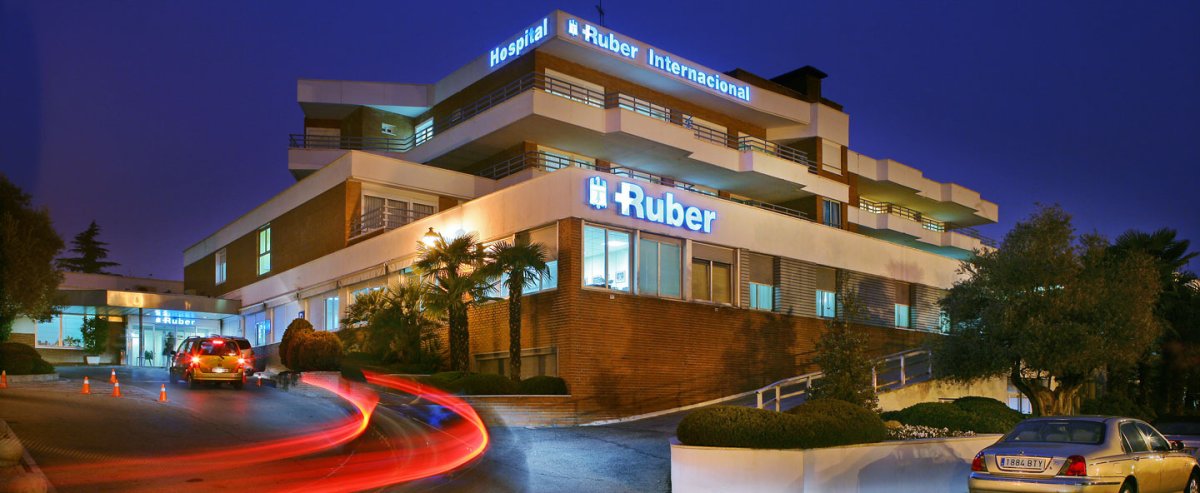
Spain is a global hub for multiple sclerosis care with top-rated centers in Barcelona and Madrid. Respected facilities include the Multiple Sclerosis Center of Catalonia at Vall d'Hebron and JCI-accredited private hospitals like Centro Médico Teknon and Hospital Ruber Internacional. These institutions offer advanced immunotherapies and clinical trials.

  • Specialized centers: The Multiple Sclerosis Center of Catalonia (Cemcat) is the largest dedicated facility.
  • Expert neurologists: Dr. Anna Pujol at Teknon has over 35 years of clinical experience.
  • Research leadership: Dr. Rafael Arroyo González at Quirónsalud Madrid leads over 100 clinical trials.
  • Advanced therapies: Clinics provide Ocrevus infusions, natalizumab, and specialized plasma exchange therapy protocols.

Bookimed Expert Insight: While many choose Barcelona for its research centers, our data shows Quirónsalud Torrevieja serves 120,000 patients annually. This high volume often translates to faster access for international patients compared to city-center public waits. For complex cases, choosing a JCI-accredited clinic like Ruber Internacional ensures access to 40+ specialized departments under one roof.

Patient Consensus: Patients note that private clinics like those in the Quirónsalud network provide much faster access to infusions. Many appreciate having the same doctor for both public research trials and private follow-up care.

What MS medications are routinely available in Spain?

Spain provides routine access to a full range of European Medicines Agency (EMA) approved Disease-Modifying Therapies (DMTs). Patients can access first-line orals like Dimethyl fumarate, injectables such as Glatiramer acetate, and high-efficacy infusions including Ocrelizumab (Ocrevus) and Natalizumab. The public system typically covers these treatments.

  • First-line orals: Dimethyl fumarate and Teriflunomide are frequently prescribed as initial treatments.
  • Injectable therapies: Interferon beta-1a, Interferon beta-1b, and Glatiramer acetate remain standard options.
  • High-efficacy infusions: Ocrelizumab, Natalizumab, and Ofatumumab are routinely available for aggressive cases.
  • Second-line orals: Fingolimod and Cladribine are used for highly active relapsing MS.

Bookimed Expert Insight: Clinical trial access is a major differentiator in Spain. Quironsalud Madrid and Centro Médico Teknon actively run trials for neurodegenerative disorders. Patients may access next-generation therapies like tolebrutinib through these programs before general approval. This is vital when standard DMTs show limited results.

Patient Consensus: Patients note that while approval for high-efficacy infusions is reliable, waiting periods for scheduling can vary by region. Many emphasize that starting with a neurologist like Dr. Anna Pujol in Barcelona helps streamline the complex diagnostic process.

How quickly can an expat see an MS neurologist after arriving?

Expats in Spain can see an MS neurologist within 1 to 14 days through the private healthcare sector. Public system wait times typically range from 1 to 6 months after a GP referral. Immediate access is available at JCI-accredited centers in Madrid, Barcelona, and Alicante.

  • Private wait times: Appointments are typically secured within 1 or 2 weeks at private facilities.
  • Public system access: Specialist queues average 1 to 6 months depending on the specific region.
  • Urgent cases: Requesting an urgente referral can reduce public wait times to 2–4 weeks.
  • Specialized centers: Facilities like Centro Médico Teknon and Quironsalud Madrid provide rapid diagnostic access.

Bookimed Expert Insight: Spain’s private hospital networks like Quirónsalud and HM Hospitales serve over 2,000,000 outpatients annually. Data shows that clinics in Mediterranean hubs like Torrevieja or Marbella often have shorter queues than crowded Madrid centers. Choosing a high-volume private facility remains the most reliable way to bypass the standard 90-day public specialist guarantee.

Patient Consensus: Patients note that arriving with translated MRI scans and medical records is essential for a productive first visit. Many highlight that private doctors like Dr. Anna Pujol are exceptionally helpful and often provide multilingual support.

Which are the top-rated MS treatment centers in Italy?

Italy hosts leading neurology centers recognized globally for multiple sclerosis (MS) care. Top-rated facilities include San Raffaele Hospital and San Donato Hospital in Milan. These institutions hold IRCCS accreditation for combining clinical excellence with advanced research. They rank among the best specialized hospitals globally.

  • San Raffaele Hospital: Ranked 43rd globally for neurology with elite MS research programs.
  • San Donato Hospital: Holds a 4.9 rating and specializes in advanced neurorehabilitation.
  • Carlo Besta Institute: Ranked as the top neurology hospital in Italy for complex disorders.
  • Gemelli University Policlinic: A premier Rome-based center ranked 29th globally for neurology.

Bookimed Expert Insight: Data shows Milan is the primary hub for MS care. Hospitals like San Raffaele and San Donato serve over 300,000 patients annually. This high volume ensures specialists manage diverse MS cases regularly. Choosing these larger IRCCS centers often provides faster access to the latest disease-modifying therapies. These treatments may reach smaller regional hospitals much later.

Patient Consensus: Patients note that university hospitals in Milan and Rome offer the best specialist access. Many recommend using private consultations to skip long public wait times for initial diagnosis. Traveling from southern regions to northern centers is common to access newer monoclonal antibody treatments.

Are the latest Disease-Modifying Therapies (DMTs) available in Italy?

The latest Disease-Modifying Therapies (DMTs) for multiple sclerosis are available in Italy. The Italian Pharmaceutical Agency (AIFA) authorizes and reimburses high-efficacy treatments. Patients access these therapies through specialized MS centers. Availability includes S1P receptor modulators and monoclonal antibodies like ocrelizumab.

  • Available medications: Ocrelizumab, ozanimod, siponimod, and ponesimod are approved for clinical use.
  • High-efficacy options: Cladribine tablets and ofatumumab are refundable for highly active relapsing MS.
  • Specialized care: Neurologists at IRCCS-accredited centers like San Raffaele manage advanced treatment protocols.
  • Research integration: Leading hospitals combine clinical assistance with active research into emerging MS therapies.

Bookimed Expert Insight: Data shows a clear advantage in seeking treatment at IRCCS-accredited facilities in Milan. San Raffaele and San Donato Hospital both maintain this research designation. These institutions often provide faster access to newer protocols. They serve over 300,000 patients annually and integrate the latest research directly into clinical practice.

Patient Consensus: Patients note it is important to document all disease activity to speed up drug approvals. Those in Northern Italy often report shorter waiting times for receiving their first infusions.

Can I get a second opinion from an Italian MS specialist remotely?

International patients can obtain remote second opinions from leading Italian neurological centers specializing in Multiple Sclerosis. Institutions like San Raffaele Research Hospital in Milan provide virtual consultations via secure platforms. Specialists review clinical history, laboratory reports, and MRI scans to confirm diagnoses or suggest treatment adjustments.

  • Expert access: Professor Massimo Filippi at San Raffaele provides expert reviews via video sessions.
  • Digital platforms: Consultations typically occur through secure channels like Microsoft Teams or Zoom.
  • Required records: Patients must upload MRI scans in DICOM format and neurological reports first.
  • Written reports: Specialists provide formal documentation outlining findings and recommended next steps.

Bookimed Expert Insight: San Raffaele and San Donato share the same Italian Ministry of Health accreditation. Both facilities manage over 300,000 patients annually using high-volume research protocols. This shared infrastructure ensures that even remote consultations benefit from Europe's largest clinical data pools. Choosing either facility provides access to identical quality standards for complex neuro-immunological reviews.

Patient Consensus: Patients note that uploading high-quality MRI scans in advance is the most critical step. They suggest using translation tools for initial outreach to ensure clinical records are understood correctly.

How does the Italian National Health Service support MS patients?

Italy's National Health Service (SSN) provides free or highly subsidized care for Multiple Sclerosis. Patients access specialized centers for diagnosis and monitoring. Disease-modifying therapies (DMTs) are fully covered. The system includes exemptions for specialist visits and diagnostic tests like MRI scans.

  • Specialized network: Over 240 neurology centers manage prescriptions and follow-ups.
  • Subsidized medication: First-line and advanced therapies require no out-of-pocket costs.
  • Financial support: Patients receive exemptions from co-payments for all MS-related care.
  • Disability benefits: Approved patients access free walking aids and monthly allowances.

Bookimed Expert Insight: Quality of care often correlates with research hospital status. Facilities like San Raffaele and San Donato in Milan hold IRCCS accreditation. This status combines clinical care with advanced research activities. Data shows these northern centers often provide faster access to innovative treatments. This includes protocols like hematopoietic stem cell transplantation (HSCT) for aggressive cases.

Patient Consensus: Patients value the zero-cost access to expensive medications compared to other countries. Many note it is important to prepare for bureaucratic delays when applying for disability pensions.

Is stem-cell therapy for multiple sclerosis safe and legally available in Turkey?

Stem-cell therapy for multiple sclerosis is legally available and regulated in Turkey by the Ministry of Health. High-standard facilities like Medipol Mega University Hospital and NP Istanbul Brain Hospital maintain JCI accreditation. Procedures are generally safe when performed in licensed units following Good Manufacturing Practice (GMP) protocols.

  • Regulatory oversight: Clinics must strictly follow the Turkish Ministry of Health regenerative medicine guidelines.
  • Safety protocols: Specialized units use advanced air filtration to minimize infection risks during transplants.
  • Specialist expertise: Prof. Dr. Erdal Karaöz at Liv Hospital specializes in MS cellular therapy.
  • Accreditation standards: Top centers hold JCI and ISO certifications to ensure global quality benchmarks.

Bookimed Expert Insight: Patient volume is a major indicator of institutional expertise in Turkey. Medipol Mega University Hospital serves over 1,000,000 patients annually and manages complex bone marrow transplants. NP Istanbul Brain Hospital is ranked as the second-best brain hospital in Europe. Choosing these high-volume, specialized centers often ensures better access to multidisciplinary teams, including neurologists like Prof. Dr. Sultan Tarlaci who has 25+ years of experience.

Patient Consensus: Patients note that while the treatment is significantly more affordable than in the US, rigorous research into a clinic's specific success data is vital. Many emphasize the helpfulness of personal coordinators in managing the language barrier during complex neurological evaluations.

What types of disease-modifying therapies (DMTs) are offered to international MS patients in Turkey, and how are they selected?

International patients in Turkey access a full spectrum of disease-modifying therapies (DMTs) from first-line injectables to high-efficacy monoclonal antibodies. Neurologists at JCI-accredited centers select treatments using a risk-stratified approach. They prioritize clinical classification, brain MRI monitoring, and patient lifestyle preferences for personalized care.

  • Available medications: Turkish centers provide Ocrevus (ocrelizumab), fingolimod, and interferons for various MS types.
  • Selection criteria: Doctors evaluate disease severity using high-tesla MRI and visual evoked potentials testing.
  • Advanced diagnostics: Protocols include lumbar punctures, extended blood analysis, and optical coherence tomography (OCT).
  • Escalation strategy: High-efficacy infusions are increasingly used early for patients with active inflammatory markers.

Bookimed Expert Insight: Diagnostic precision is the primary driver for DMT selection in Istanbul. At NP Istanbul Brain Hospital, specialists like Prof. Dr. Sultan Tarlaci utilize specialized neuroimaging and laboratories to confirm subtypes. Bookimed data shows diagnostic packages around $3,000 often reveal insights that shift patients from basic injectables to high-efficacy infusions like ocrelizumab.

Patient Consensus: Patients note that Turkish neurologists rely heavily on fresh MRI scans rather than just symptoms. They often recommend bringing recent records to speed up the treatment plan and avoid repeating baseline tests.

What is the usual length of stay and post-treatment monitoring schedule for MS patients visiting Turkey for infusions or HSCT?

Multiple sclerosis patients visiting Turkey for HSCT typically stay 15 to 30 days. Standard drug-based infusions like Ocrevus require approximately 14 days for the initial loading doses. Post-treatment monitoring involves specific blood work and annual magnetic resonance imaging scans to track neurological stability.

  • Hospitalisation period: HSCT requires 3 to 4 weeks in specialized isolation wards.
  • Infusion timeline: Ocrevus loading doses usually occur 14 days apart during one trip.
  • Diagnostic phase: Initial assessment at centers like NP Istanbul Brain Hospital takes 7 days.
  • Follow-up MRI: Imaging is standard at 3, 6, and 12 months post-procedure.

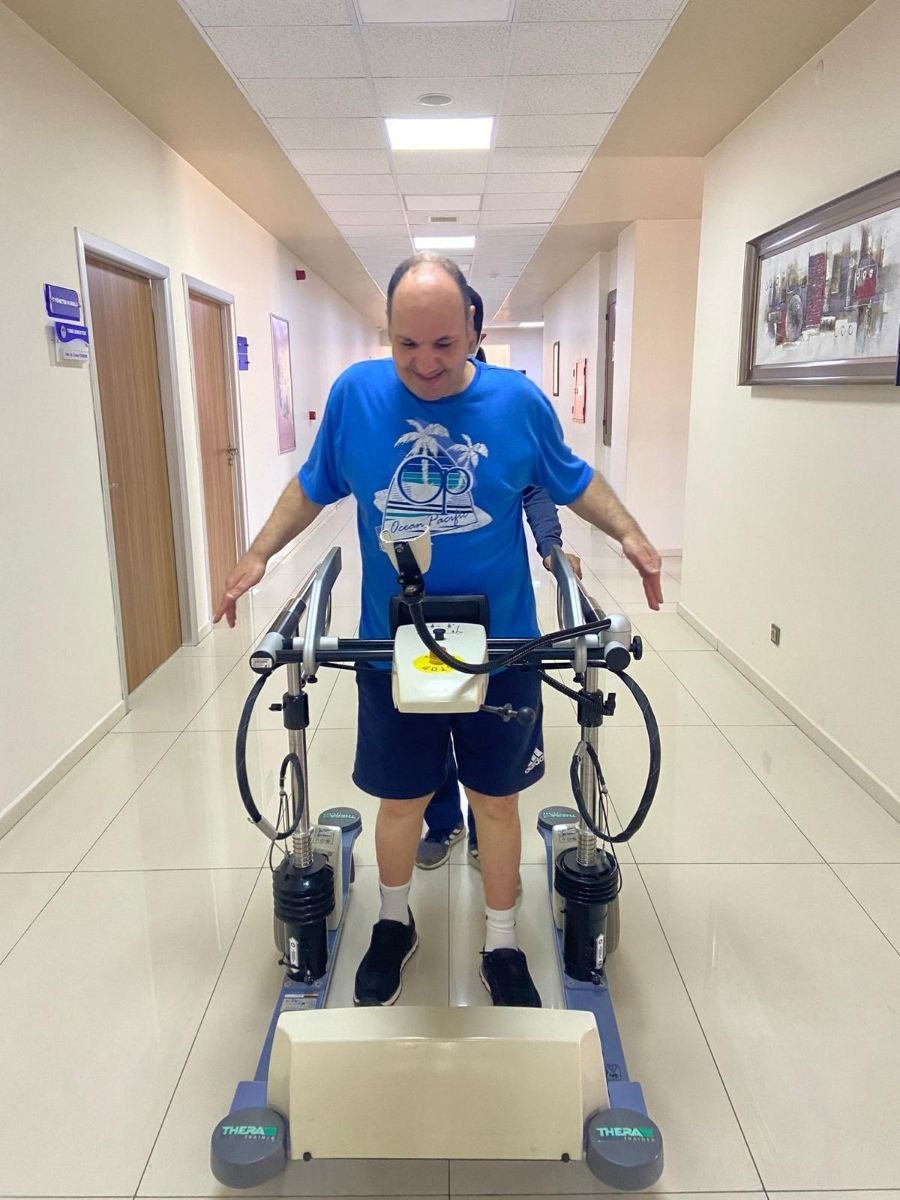
Bookimed Expert Insight: While clinics focus on the 30-day medical window, the most successful recoveries involve 30 days of robotic-assisted rehabilitation immediately following HSCT. Specialized facilities like Medipol Mega University Hospital utilize advanced gait training technologies. Coordinating this rehab stay upfront ensures access to equipment that may not be available in a patient's home country.

Patient Consensus: Patients note that while Turkish clinics provide excellent inpatient care, they must lead their own long-term follow-up. It is critical to arrange local blood work and neurologist check-ins before returning home from Istanbul.

Which Turkish hospitals have dedicated multiple-sclerosis centers recognized by the European Committee for Treatment and Research in Multiple Sclerosis (ECTRIMS)?

Turkish hospitals recognized by or collaborating with the European Committee for Treatment and Research in Multiple Sclerosis (ECTRIMS) include Istanbul University Cerrahpasa and academic centers like Medipol Mega University Hospital. These facilities follow ECTRIMS/EAN guidelines. Top-tier neurology units in Istanbul provide advanced B-cell therapies and 3T MRI diagnostics.

  • Cerrahpasa School of Medicine: Features a dedicated MS clinic with direct ECTRIMS involvement.
  • Medipol Mega University: JCI-accredited academic center offering plasmapheresis and advanced 3T neuroimaging.
  • NP Istanbul Brain Hospital: Ranked as the No. 2 brain hospital in Europe.
  • Anadolu Medical Center: Partnered with Johns Hopkins Medicine to provide international MS treatment protocols.

Bookimed Expert Insight: While university hospitals like Cerrahpasa lead in research, private JCI-accredited centers like NP Istanbul Brain Hospital or Medipol often provide faster access to diagnostics. Our data shows NP Istanbul functions as a specialized neuropsychiatric hub. Dr. Baris Metin there focuses on functional neuroimaging. This is critical for tracking MS progression beyond standard scans.

Patient Consensus: Patients emphasize finding a specialist who focuses specifically on demyelinating diseases rather than a general neurologist. Many note that larger Istanbul hospitals stay better stocked with current disease-modifying therapies like Ocrevus.

Can patients on a DMD switch to a different therapy while in Turkey, and what clinical data are required?

Patients can switch disease-modifying therapies in Turkey after a specialist evaluation. Turkish neurologists follow international protocols to ensure a safe transition between medications. You must provide a complete medical history. Recent imaging and lab results are essential to determine the best treatment path.

  • Diagnostic records: Provide MRI scans of the brain and spine from the last 6 months.
  • Treatment history: Include all prior medications, dosages, and reasons for stopping previous therapies.
  • Clinical status: Doctors require a current Expanded Disability Status Scale score to baseline function.
  • Lab testing: Recent blood work and JC virus antibody status are mandatory for high-efficacy drugs.

Bookimed Expert Insight: Data from NP Istanbul Brain Hospital, the second-ranked brain hospital in Europe, shows that successful therapy switches often involve complex diagnostics. Their $3,000 package includes specialized consultations with neurologists like Dr. Baris Metin. Patients should ensure their chosen clinic provides translated medical reports. This prevents the common issue of receiving discharge summaries only in Turkish, which complicates follow-up care with home doctors.

Patient Consensus: Patients note it is important to bring English translations of all previous medical summaries to avoid miscommunication. Many emphasize that having a dedicated coordinator helps manage the logistics of multi-day diagnostic tests and specialist appointments.

What multilingual support exists for travelling MS patients during hospital visits and follow-up?

Major Turkish medical centers provide comprehensive multilingual support through dedicated international departments and professional on-site translators. JCI-accredited hospitals in Istanbul offer personal coordinators who manage communication during consultations and diagnostic procedures. These services ensure accurate translation of complex neurological terms for multiple sclerosis care.

  • International departments: Clinics like Anadolu Medical Center provide personal coordinators and interpreters.
  • Language accessibility: Top facilities accommodate patients from over 160 countries including English speakers.
  • Professional translation: Specialized staff handle medical terminology for MRI findings and treatment plans.
  • Document support: Leading hospitals provide medical reports and discharge summaries in English or Russian.

Bookimed Expert Insight: While most JCI-accredited hospitals in Istanbul provide free translation, the depth of support varies by patient volume. Medipol Mega University Hospital serves 1 million patients annually and maintains a massive logistics infrastructure. For MS diagnostics requiring 7-day stays, like those at NP Istanbul Brain Hospital, confirming translator availability for daily rounds is essential for clear communication with specialists like Dr. Celal Salcini.

Patient Consensus: Patients note that while dedicated translators are excellent during main consultations, support can be limited in radiology or lab departments. Having a coordinator like those at Memorial Şişli helps bridge these gaps during complex testing phases.

Is HSCT for multiple sclerosis in Mexico performed in accredited hospitals with internationally certified medical teams?

HSCT for multiple sclerosis in Mexico is performed in facilities with national and international accreditations. Leading centers maintain CSG accreditation from the General Health Council of Mexico. Medical teams often include specialists certified by the Mexican College of Stem Cells and Regenerative Medicine with international training.

  • Hospital certification: CSG accreditation ensures high quality and patient safety standards in Mexico.
  • Specialist credentials: Lead doctors often hold Master's degrees in Regenerative Medicine from European universities.
  • Regulatory oversight: Reputable clinics operate under COFEPRIS-certified labs, equivalent to FDA safety standards.
  • International training: Many neurologists and neurosurgeons complete advanced fellowships in the USA or Canada.

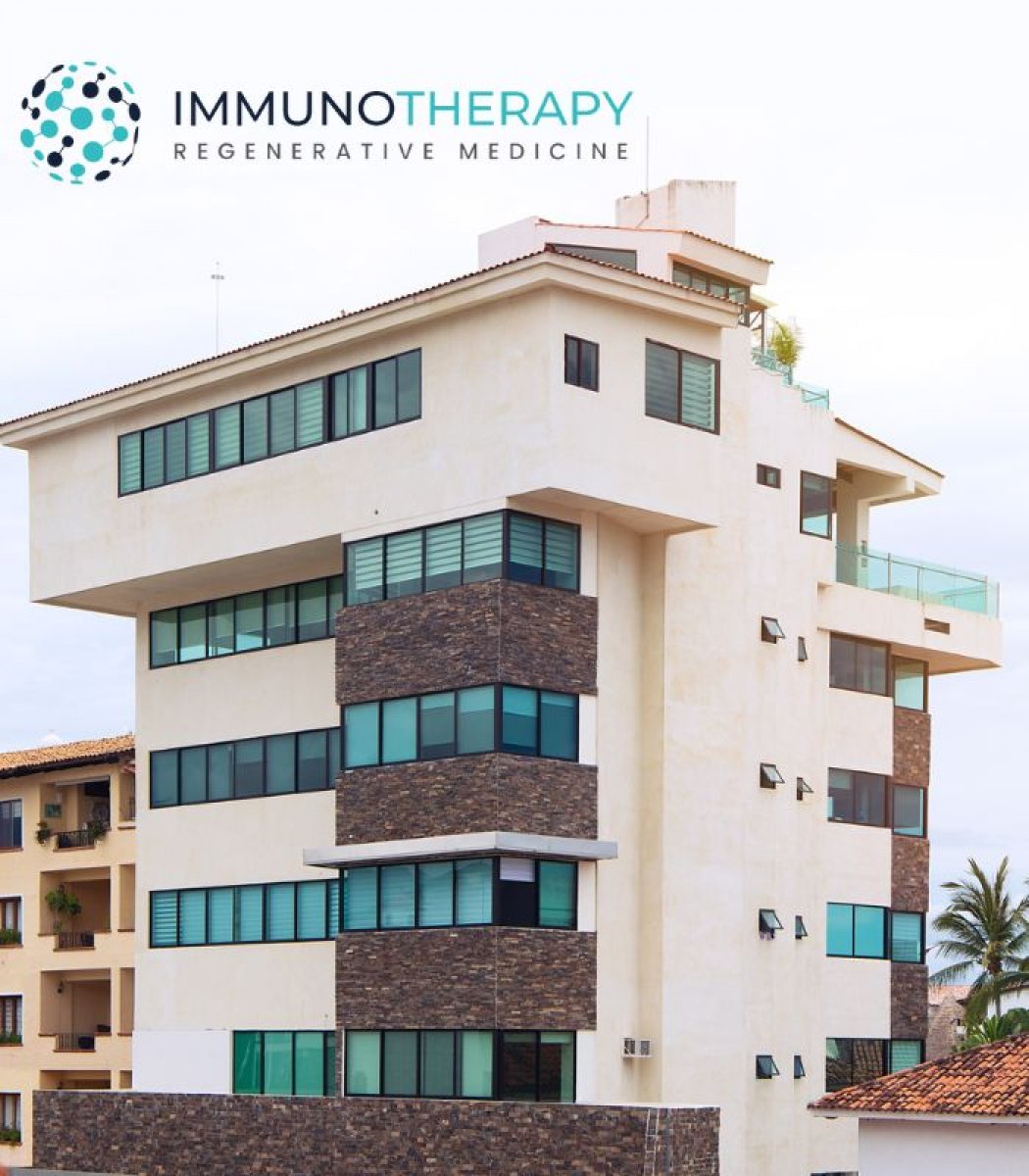
Bookimed Expert Insight: Data shows a high concentration of regenerative medicine expertise in Monterrey and Puerto Vallarta. While some centers like Immunotherapy Regenerative Medicine serve 1,200+ patients annually, smaller boutique hospitals like Hospital de la Familia offer high-volume neurosurgical experience with 30–60 procedures monthly. Patients should prioritize clinics where lead specialists, like Dr. Eduardo Fernandez, hold specific stem cell certifications from the Mexican College.

Patient Consensus: Patients emphasize verifying hospital credentials via official sites and requesting detailed team CVs. Reviews suggest focusing on clinics that offer clear communication and provide comprehensive checklists for HSCT outcomes.

What are the factual safety and efficacy data collected from previous international HSCT patients treated in Mexico?

Previous data on international cohorts in Mexico indicates a 100% overall survival rate at 128 months for multiple sclerosis patients. This outpatient-based protocol maintains high safety with a 99.83% survival rate within 30 days. Most patients stabilize or improve neurologically following the procedure.

  • Neurological response: Approximately 75% to 80% of patients show stabilized or improved disability scores.
  • Relapse prevention: Nearly 90% of international patients experience no clinical relapses after the transplant.
  • MRI evidence: Roughly 87.6% of treated patients show no new brain lesions on follow-up.
  • Outpatient safety: Records show 96-97% of cases complete the full protocol without hospital admission.

Bookimed Expert Insight: Mexican clinics like Immunotherapy Regenerative Medicine and Giostar serve over 5,000 international patients annually, reflecting a high-volume expertise rarely seen in European centers. While academic centers use intensive inpatient stays, the Mexican outpatient model relies on rapid recovery of blood counts within 8 days. Dr. Ernesto Romero's 20+ years of research in regenerative protocols suggests that early treatment before heavy immunosuppressant use yields the most consistent long-term stability.

Patient Consensus: Patients note that while the results are life-changing and often drop disability scores significantly, it is vital to budget for a private room to prevent infections like pneumonia. Many emphasize the importance of having local neurological support at home, as over half of traveling patients feel their hometown doctors are unfamiliar with these specific protocols.

Am I a suitable candidate for HSCT in Mexico?

Suitable candidates for HSCT in Mexico typically have active Relapsing-Remitting Multiple Sclerosis (RRMS) and remain ambulatory. Eligibility requires an Expanded Disability Status Scale (EDSS) score of 7.0 or less. Patients must demonstrate sufficient organ function. Evaluations require a recent MRI to confirm disease activity.

  • Mobility status: Candidates must walk 10 meters with or without assistance (EDSS under 7.0).
  • Disease type: Active inflammatory RRMS shows higher success than long-standing stable disability.
  • Organ health: Heart, lung, and liver function must tolerate intensive conditioning chemotherapy.
  • Medical imaging: A Brain and spinal MRI under 3 months old is mandatory.

Bookimed Expert Insight: While many search for HSCT, patients with lower disability scores often find better value in specialized regenerative protocols. Clinics like Immunotherapy Regenerative Medicine in Puerto Vallarta use mesenchymal stem cells for immunomodulation. This approach serves as a less intensive alternative for those not meeting the strict 70% rejection criteria of traditional HSCT centers.

Patient Consensus: Patients note that being under 50 with a recent diagnosis significantly improves the chances of being accepted. They emphasize having a US or EU specialist review MRI scans before paying non-refundable deposits for Mexican clinic evaluations.

What is the complete in-patient timeline for HSCT in Mexico?

The complete in-patient timeline for HSCT in Mexico typically spans 25 to 30 days. This intensive protocol includes mobilization, chemotherapy, and a critical recovery period. Patients undergo stem cell harvesting via apheresis. The reinfusion occurs on day 0 within specialized clinics in Monterrey or Clinica Ruiz.

  • Pre-treatment phase: Baseline testing and medical history review take 3 to 4 days.
  • Mobilization period: Injections move stem cells to the blood over 8 days before harvesting.
  • Chemotherapy rounds: Non-myeloablative chemotherapy occurs in two stages to inhibit the immune system.
  • Neutropenic phase: Patients stay in HEPA-filtered isolation for 10 to 14 days post-transplant.

Bookimed Expert Insight: Mexican protocols often condense the in-patient stay to under 30 days by utilizing outpatient mobilization options. Specialized centers like Immunotherapy Regenerative Medicine in Puerto Vallarta or those in Monterrey often handle high volumes, with some serving 4,000 to 5,000 patients annually. This high frequency allows medical teams to refine logistics, potentially shortening the timeline compared to the 6-week schedules common in Europe or the US.

Patient Consensus: Patients note the transplant day itself is a brief 60-minute procedure following the more intense chemotherapy days. Many suggest packing for 4 weeks of isolation and arranging nearby lodging for caregivers during the recovery window.

How is engraftment and disease monitoring handled after I return home?

Mexican neurology centers manage engraftment and multiple sclerosis monitoring through remote coordination with your home physician. Patients typically perform frequent blood tests locally to track neutrophil and platelet recovery. Regular brain MRI scans and neurological exams ensure the treatment effectively stabilizes the disease after your return.

  • Blood monitoring: Complete blood counts (CBC) occur 2–3 times weekly during the first month.
  • Engraftment tracking: Centers monitor absolute neutrophil counts (ANC) until they consistently exceed 500.
  • Neurological evaluation: Annual brain MRI scans with contrast help detect any new lesion activity.
  • Infection screening: Home PCR tests may be used to check for viral reactivation like EBV.

Bookimed Expert Insight: Data from high-volume centers like Immunotherapy Regenerative Medicine and Advanced Regenerative Center shows a shift toward digital-first follow-ups. Many Mexican specialists now use dedicated apps or secure messaging to review real-time lab results from abroad. This infrastructure allows over 1,200 annual patients at some clinics to transition safely to home care while maintaining expert oversight of their recovery milestones.

Patient Consensus: Patients note it is helpful to treat home recovery like a virtual ICU by sending lab reports via WhatsApp for immediate feedback. Many emphasize having a local hematologist ready before leaving Mexico to ensure blood draws start smoothly in week 2.

Which airports and adjacent accommodations are recommended for HSCT patients and companions?

Recommended airports for MSK treatment in Mexico include Cancun International Airport (CUN) and Monterrey International (MTY). Patients should select accommodations within 45 minutes of clinics like Giostar or Immunotherapy Regenerative Medicine. These hubs offer direct international flights and specialized medical transport to minimize travel fatigue.

  • Primary gateway: Cancun International Airport (CUN) minimizes travel stress for immunocompromised visitors.
  • Monterrey access: Monterrey International (MTY) serves advanced centers like Alivia and Stem Solutions.
  • Hospitality standards: Choose resorts like Occidental Tucancun for high hygiene and companion amenities.
  • Strategic proximity: Stay within 30 minutes of the clinic to reduce infection risks.

Bookimed Expert Insight: Data shows Monterrey and Cancun clinics like Hospital San Jose TecSalud and Giostar serve over 5,000 patients annually. These high-volume centers often cluster near airports with 60-minute transit times. For safety, avoid the Mexico City (MEX) hub to bypass high pollution and long 3-hour drives to suburban treatment sites.

Patient Consensus: Patients emphasize booking airport hotels like Courtyard by Marriott Cancun for the first night to acclimate. They note that all-inclusive resorts in Playa del Carmen are preferred for their sterility and integrated clinic shuttles.

¿Por qué nosotros?

Su coordinador médico personal de Bookimed

  • Le apoya en cada etapa
  • Ayuda a elegir la clínica y el médico adecuados
  • Asegura un acceso rápido y conveniente a la información
Escrito por
Olena Sikoza
Olena Sikoza
Сopywriter en español
Copywriter médica certificada responsable del contenido en español de Bookimed. Más de 7 años de experiencia en redacción sobre salud y turismo médico, con formación académica en edición científica y desarrollo de contenidos.
Fahad Mawlood
Editor médico y Científico de datos
Médico general. Ganador de 4 premios científicos. Sirvió en Asia Occidental. Es el ex jefe del equipo médico que soporta a pacientes de habla árabe. Ahora es responsable del procesamiento de datos y la precisión del contenido médico.
Fahad Mawlood Linkedin

Pedir una consulta gratis

Seleccione la mejor manera de contactarle