Ir a inicio
820К+ pacientes han recibido asistencia desde 2014
50 países
1,500 clínicas
6K+ reseñas
3K+ médicos calificados

¿Cuál es el precio del diagnóstico y los tratamientos de Accidente cerebrovascular de la médula espinal en México? Descubra ahora

El precio se proporciona bajo petición

Sus beneficios y garantías con Bookimed

Precios directos

Bookimed no añade cargos extra a los precios de los tratamientos de Accidente cerebrovascular de la médula espinal. Las tarifas proceden de las listas de precios oficiales de las clínicas. Pagará directamente en la clínica por su tratamiento a su llegada al país.

Sólo clínicas y médicos verificados

Bookimed está comprometido con su seguridad. Solo trabajamos con las clínicas que mantienen altos estándares internacionales en el tratamiento de Accidente cerebrovascular de la médula espinal y cuentan con las licencias necesarias para atender a pacientes internacionales en todo el mundo.

Asistencia 24/7 gratuita

Bookimed ofrece asistencia experta gratuita. Un coordinador médico personal le apoya antes, durante y después de su tratamiento, resolviendo cualquier problema. Nunca estará solo en su viaje médico de tratamiento de Accidente cerebrovascular de la médula espinal.

¿Por qué nosotros?

Su coordinador médico personal de Bookimed

  • Le apoya en cada etapa
  • Ayuda a elegir la clínica y el médico adecuados
  • Asegura un acceso rápido y conveniente a la información

Descubra las mejores clínicas de tratamiento de Accidente cerebrovascular de la médula espinal en México: 4 opciones verificadas y Precios

El ranking de clínicas de Bookimed se basa en algoritmos de data science, ofreciendo una comparación confiable, transparente y objetiva. Tiene en cuenta la demanda de pacientes, las puntuaciones de reseñas (positivas y negativas), la frecuencia de actualización de opciones de tratamiento y precios, la rapidez de respuesta y las certificaciones de las clínicas.
REHABILITA REGENERATIVE MEDICINE
5.02 reseñas
Precio a consultar
Más información
Centro Médico Juventa
5.06 reseñas
Precio a consultar
Más información
Giostar Stem Cell Therapy | Playa del Carmen Clinic
5.05 reseñas
Precio a consultar
Más información
Giostar Stem Cell Therapy | Playa del Carmen Clinic
5.05 reseñas
Precio a consultar
Más información

Obtenga una evaluación médica para Accidente cerebrovascular de la médula espinal en México: consulte con doctores experimentados ahora

Ver todos los médicos
verificado

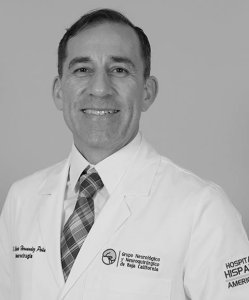
Dr Roberto Hernandez

25 años de experiencia

El Dr. Roberto Hernández es un neurocirujano con formación en EE. UU. y Canadá, que colabora en 30-60 cirugías neurológicas mensuales en Mexicali.

  • Estar formado en neurocirugía tanto en EE. UU. como en Canadá
  • Formar parte de un equipo quirúrgico especializado que utiliza la última tecnología
  • Realizar un gran volumen de cirugías neurológicas cada mes

Compartir contenido

Historias en video de pacientes de Bookimed

Dayana
Combiné mis vacaciones en Antalya con un chequeo médico.
Procedimiento: Chequeo femenino
Igor
¡Fue genial! Traslados, alojamiento, tratamiento, todo incluido.
Procedimiento: Implante dental
Clínica: WestDent Clinic
Marina
Bookimed se encargó de todo. No tuve que preocuparme por nada.
Procedimiento: Chequeo femenino
Actualizado: 01/21/2025
Escrito por
Olena Sikoza
Olena Sikoza
Сopywriter en español
Copywriter médica certificada responsable del contenido en español de Bookimed. Más de 7 años de experiencia en redacción sobre salud y turismo médico, con formación académica en edición científica y desarrollo de contenidos.
Fahad Mawlood
Editor médico y Científico de datos
Médico general. Ganador de 4 premios científicos. Sirvió en Asia Occidental. Es el ex jefe del equipo médico que soporta a pacientes de habla árabe. Ahora es responsable del procesamiento de datos y la precisión del contenido médico.
Fahad Mawlood Linkedin
Esta página puede incluir información relacionada con diversas afecciones médicas, tratamientos y servicios de salud disponibles en diferentes países. Tenga en cuenta que el contenido se proporciona sólo con fines informativos y no debe interpretarse como asesoramiento médico o orientación. Por favor consulte con su médico o con un profesional médico calificado antes de comenzar o cambiar el tratamiento médico.

Preguntas frecuentes sobre el tratamiento de Accidente cerebrovascular de la médula espinal en México

Estas preguntas frecuentes provienen de pacientes reales que buscan atención médica a través de Bookimed. Las respuestas son proporcionadas por coordinadores médicos experimentados y representantes autorizados de las clínicas.

What types of spinal cord stroke treatments are available in Mexico?

Spinal cord stroke treatment in Mexico includes regenerative medicine, specialized neurosurgery, and intensive rehabilitation. Centers utilize mesenchymal stem cell therapy and epidural stimulation to restore motor function. High-tech facilities often combine these procedures with physical therapy to maximize sensory and autonomic recovery for patients.

  • Stem cell therapy: Clinics use mesenchymal cells to promote nerve tissue repair and regeneration.
  • Epidural stimulation: Surgeons implant electrodes on the spinal cord to reconnect brain-nerve signals.
  • Neurological surgery: Specialists perform minimally invasive procedures to address underlying vessel or compression issues.
  • Intensive rehabilitation: Personalized physical and occupational therapy focuses on gait training and mobility.

Bookimed Expert Insight: Patient volume data suggests Mexico is a major hub for specialized recovery. While some clinics treat 500 patients yearly, Giostar serves over 5,000 international visitors from 30 countries. Choosing high-volume centers often ensures access to proprietary, evidence-based protocols that are rare elsewhere.

Patient Consensus: Patients emphasize that early diagnostic imaging like MRI is vital for recovery. Those seeking care in Mexico note that having on-site rehabilitation is the most meaningful part of the long-term healing process.

Is epidural stimulation a cure for spinal cord paralysis?

Epidural stimulation is not a medical cure for spinal cord paralysis. It is a rehabilitation technology that restores functional movement by electrical pulses. These pulses bypass damaged nerves to trigger muscle response. Success requires intensive physical therapy and implanted hardware to maintain motor control.

  • Functional recovery: Stimulation enables standing or walking only while the device is active.
  • Neurological repair: The technology does not heal the structural damage of a stroke.
  • Rehab intensity: Patients must combine hardware use with months of repetitive physical training.
  • Individual variability: Outcomes depend heavily on the injury level and lesion completeness.

Bookimed Expert Insight: Mexican regenerative centers often integrate physical therapy with neuro-specialists to maximize stimulation results. Giostar clinics in Playa del Carmen serve 5,000 patients annually using proprietary protocols. Specialized teams like Dr. Roberto Hernandez's in Mexicali perform 30 to 60 neurological surgeries monthly. This high volume suggests that clinical experience directly impacts successful device programming and patient outcomes.

Patient Consensus: Patients describe the technology as experimental science rather than a standard fix. They emphasize that results are hardware-dependent and require massive effort during daily rehabilitation sessions.

Who is eligible for advanced spinal stroke treatment in Mexico?

Patients with chronic or subacute spinal cord strokes are primary candidates for advanced treatments in Mexico. Eligibility requires medical stability and confirmed diagnosis via MRI or CT imaging. Centers focus on functional recovery through regenerative therapies for patients who have passed the initial acute phase.

  • Neurological status: Candidates often have incomplete injuries with some remaining motor or sensory function.
  • Injury location: Advanced rehabilitation often targets patients with spinal levels between C4 and T10.
  • Age requirements: Centers like Juventa Regenerative Medicine accept patients aged 12 and older.
  • Medical stability: Patients must be fit for travel without acute blood pressure or respiratory issues.

Bookimed Expert Insight: Mexico has a significant patient volume for regenerative medicine. Giostar clinics alone serve over 5,000 patients yearly from 30+ countries. Choosing clinics like ARC Stem Cells in Monterrey provides access to specialists affiliated with major healthcare networks like TecSalud. This high volume often leads to more refined, evidence-based treatment protocols.

Patient Consensus: Patients emphasize that specialized clinics require specific imaging and neurology notes before confirming travel. Most advise securing a definitive diagnosis of spinal infarction first to ensure regenerative treatments are appropriate.

Why is physical therapy so important after procedures like epidural stimulation?

Physical therapy acts as the essential bridge between technological intervention and functional movement. While epidural stimulation provides electrical signals to the spinal cord, therapy builds the guided repetition needed to rewire neural pathways. This intensive training allows the central nervous system to relearn voluntary muscle control.

  • Neuroplasticity bridge: Targeted training helps the spinal cord re-integrate signals for standing and walking.
  • Muscle restoration: Repetitive exercises strengthen muscles and ligaments to prevent further atrophy or stiffness.
  • Balance training: Therapists focus on core control and weight shifting essential for safe transfers.
  • Circulation boost: Active movement improves blood flow, reducing the risk of clots and contractures.

Bookimed Expert Insight: Mexican regenerative centers often see higher functional gains when combining stimulation with stem cell protocols. Dr Roberto Hernandez at Hospital de la Familia performs up to 60 neurological surgeries monthly, emphasizing a team-based approach. Our data shows that the most successful recovery outcomes occur at clinics that integrate specialized rehabilitation directly into their surgical path rather than treating it as a separate follow-up step.

Patient Consensus: Patients emphasize that the implant is simply a tool and the real work happens during daily, demanding therapy sessions. Many note that progress begins with small gains like standing tolerance before any actual steps occur.

What are typical functional goals or expected outcomes after treatment in Mexico?

Functional goals for spinal cord stroke treatment in Mexico focus on maximizing independence and mobility. Patients work toward improving walking, transfers, and self-care skills. Rehabilitation aims to enhance muscle strength and joint function to facilitate daily living within 3 to 6 months.

  • Mobility enhancement: Surgeons and therapists prioritize assisted walking and safe wheelchair navigation skills.
  • Bladder management: Standard protocols target bowel and bladder continence to improve daily life.
  • Pain reduction: Neurologists use regenerative care to manage long-term spasticity and sensory changes.
  • Upper body strength: High-volume centers focus on muscle conditioning to simplify grooming and feeding.

Bookimed Expert Insight: Giostar clinics in Mexico treat over 5,000 patients annually using proprietary research-based protocols. Their high volume suggests a standardized approach to regenerative recovery that general clinics may Lack. Centers like Advanced Regenerative Center have treated 1,200+ patients, specializing specifically in physical medicine.

Patient Consensus: Patients note that reaching independence in transfers and self-care is a more realistic outcome than a complete cure. They emphasize that while walking remains a goal, managing bladder control significantly impacts their daily quality of life.

How are bladder and bowel issues managed after a spinal cord stroke in Mexico?

p>Mexican rehabilitation centers manage post-stroke bladder and bowel issues through structured neuro-rehabilitation protocols. Specialists prioritize clean intermittent catheterization and consistent bowel programs. These routines prevent infections and provide patients with independence. Board-certified physicians in neurology and physical medicine oversee these specialized care plans.

  • Bladder control: Clean intermittent catheterization remains the primary method to manage neurogenic bladder.
  • Bowel routines: Programs utilize high-fiber diets, digital stimulation, and manual techniques for evacuation.
  • Expert oversight: Rehabilitation teams in cities like Monterrey and Guadalajara design these specialized routines.
  • Education focus: Specialists provide hands-on training for patients and families before hospital discharge.

Bookimed Expert Insight: Patient volume data often highlights the regional specialization of care. Advanced Regenerative Center in Monterrey serves over 1,200 patients annually and maintains advisory roles with specialized disability associations. This depth of community involvement suggests a high level of expertise in long-term functional management. Patients choosing such high-volume centers often benefit from teams accustomed to complex neurological recovery.

Patient Consensus: Patients emphasize the need for a written discharge plan that includes catheter schedules and constipation rescue steps. Many note that having reliable access to supplies like lubricant and gloves is essential for success.

Pedir una consulta gratis

Seleccione la mejor manera de contactarle