Accidente cerebrovascular de la médula espinal Tratamiento en Polonia — Costos 2026


Revisado médicamente por
Fahad Mawlood
¿Cuál es el precio del diagnóstico y los tratamientos de Accidente cerebrovascular de la médula espinal en Polonia? Descubra ahora
Sus beneficios y garantías con Bookimed
Precios directos
Bookimed no añade cargos extra a los precios de los tratamientos de Accidente cerebrovascular de la médula espinal. Las tarifas proceden de las listas de precios oficiales de las clínicas. Pagará directamente en la clínica por su tratamiento a su llegada al país.
Sólo clínicas y médicos verificados
Bookimed está comprometido con su seguridad. Solo trabajamos con las clínicas que mantienen altos estándares internacionales en el tratamiento de Accidente cerebrovascular de la médula espinal y cuentan con las licencias necesarias para atender a pacientes internacionales en todo el mundo.
Asistencia 24/7 gratuita
Bookimed ofrece asistencia experta gratuita. Un coordinador médico personal le apoya antes, durante y después de su tratamiento, resolviendo cualquier problema. Nunca estará solo en su viaje médico de tratamiento de Accidente cerebrovascular de la médula espinal.

Su coordinador médico personal de Bookimed
- Le apoya en cada etapa
- Ayuda a elegir la clínica y el médico adecuados
- Asegura un acceso rápido y conveniente a la información
Descubra las mejores clínicas de tratamiento de Accidente cerebrovascular de la médula espinal en Polonia: 2 opciones verificadas y Precios



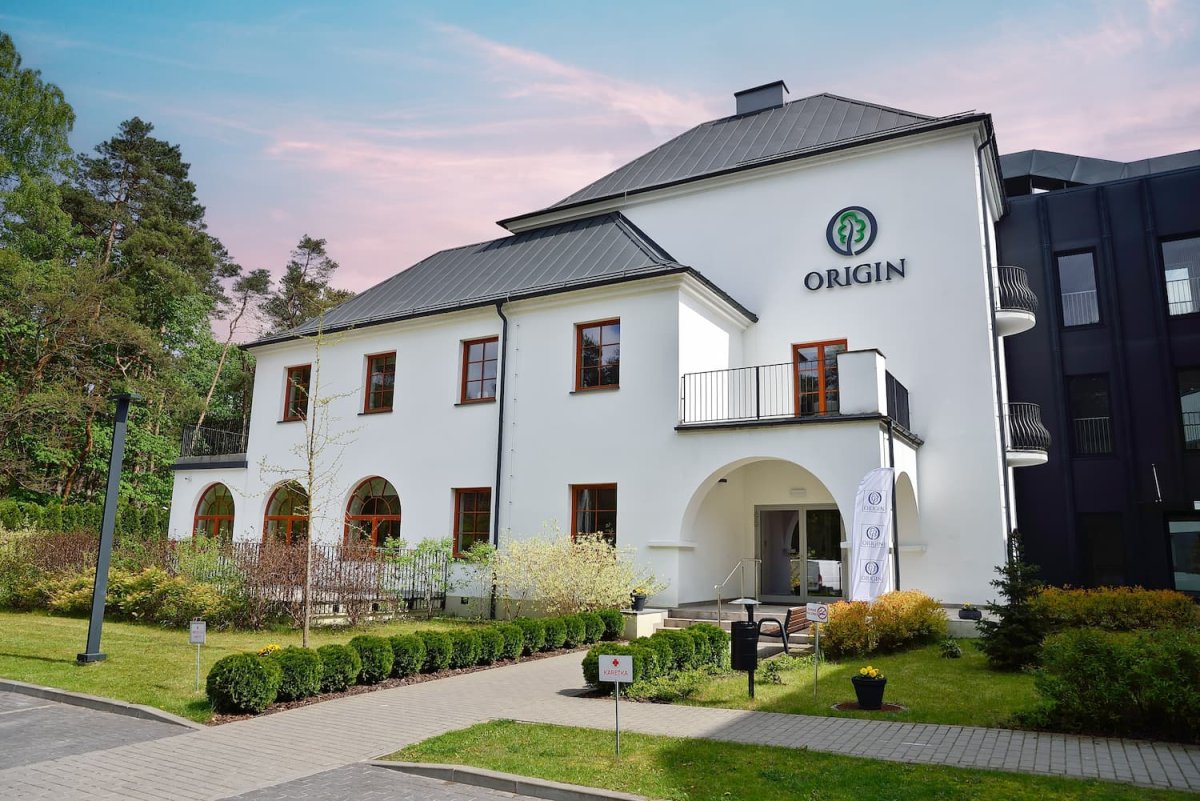
Origin Rehabilitation Center (Origin Polska)
Compartir contenido
Historias en video de pacientes de Bookimed
 Olena Sikoza
Preguntas frecuentes sobre el tratamiento de Accidente cerebrovascular de la médula espinal en Polonia
¿Cómo diagnostican y tratan las clínicas polacas la fase aguda del infarto medular?
Los centros de neurología polacos gestionan el infarto medular agudo mediante neuroimagen urgente y protocolos de reperfusión sistémica. Las unidades especializadas en accidentes cerebrovasculares utilizan resonancia magnética (RM) con difusión para identificar la isquemia en un plazo de 12 horas. El tratamiento se centra en la trombólisis intravenosa y el mantenimiento de una presión arterial media elevada para proteger el tejido nervioso de la médula espinal.
- Diagnóstico por imagen: La RM urgente con secuencias de difusión detecta la isquemia hiperaguda en la médula espinal.
- Protocolo de trombólisis: Los neurólogos pueden administrar Alteplase (rt-PA) intravenoso dentro de una ventana de 4,5 horas desde la aparición de los síntomas.
- Gestión de la perfusión: Los equipos mantienen la presión arterial media entre 70 y 90 mmHg para mejorar el flujo sanguíneo.
- Detección vascular: La angiotomografía computarizada (angio-TC) descarta inmediatamente problemas aórticos o disecciones de la arteria vertebral.
- Rehabilitación integrada: La neurorrehabilitación temprana comienza tan pronto como el paciente está médicamente estable y enfocado.
Perspectiva del experto de Bookimed: Polonia ocupa un lugar destacado a nivel mundial en solicitudes médicas debido a su red consolidada de más de 80 centros neurológicos. Centros com
¿Cuál es la tasa de recuperación de la función motora reportada para lesiones medulares incompletas en centros polacos?
Los centros de traumatología polacos reportan una tasa de eficacia del 85 % en la mejora de la función motora en lesiones medulares incompletas. La mayoría de las ganancias significativas ocurren dentro de los primeros 9 meses posteriores a la lesión. Aproximadamente el 51 % de los pacientes con lesiones incompletas recuperan finalmente la capacidad de caminar de forma independiente o asistida.
- Cronología de recuperación: La recuperación motora rápida se concentra típicamente entre los 6 y 9 meses posteriores a la lesión.
- Fase de estabilización: Las puntuaciones motoras brutas suelen alcanzar una meseta a los 12 meses después del incidente.
- Resultados de movilidad: Más del 50 % de los pacientes logran la deambulación independiente o asistida mediante rehabilitación intensiva.
- Tecnología avanzada: Los centros utilizan entrenamiento de marcha robótico Lokomat y exoesqueletos EksoGT para impulsar la neuroplasticidad.
Perspectiva del experto de Bookimed: Polonia ha ascendido al cuarto lugar en nuestro ranking global de tratamientos especializados. La Clínica KCM en Jelenia Góra atrae a 700 pacientes internacionales anualmente, incluidos pacientes del Reino Unido y Alemania. Este alto volumen de casos extranjeros sugiere que los centros polacos ofrecen relaciones calidad-precio competitivas para la neurorrehabilitación intensiva.
¿Qué tecnologías de rehabilitación están disponibles en las clínicas polacas después de un accidente cerebrovascular de la médula espinal?
Las clínicas de neurorrehabilitación polacas utilizan entrenadores de marcha robóticos avanzados, exoesqueletos activos y neuromodulación para tratar el accidente cerebrovascular de la médula espinal. Estas instalaciones emplean tecnologías como Lokomat Pro y trajes biónicos HAL para activar la neuroplasticidad. Los centros especializados se centran en tareas de alta repetición para restaurar la función motora y la percepción sensorial.
- Entrenamiento de marcha robótico: Lokomat Pro y ReoAmbulator automatizan los patrones de marcha para un reaprendizaje motor intensivo.
- Exoesqueletos portátiles: Los sistemas HAL y EksoGT ayudan a caminar sobre el suelo leyendo las bioseñales musculares.
- Robótica de extremidades superiores: Luna EMG traduce contracciones musculares mínimas en movimientos completos asistidos por robot.
- Herramientas de neuromodulación: La estimulación eléctrica funcional (FES) y la estimulación magnética transcraneal activan las vías neuronales dañadas.
Perspectiva de expertos de Bookimed: Si bien muchas instalaciones se centran en la robótica avanzada, la Clínica KCM en Jelenia Góra destaca al integrar estas tecnologías en programas especializados internacionales altamente concentrados de 14 días. Este enfoque estructural garantiza que los pacientes reciban un gran volumen de repeticiones. Su experiencia con más de 2500 pa
¿Cuál es la ventana óptima para comenzar la rehabilitación intensiva y cuáles son los principales objetivos terapéuticos?
La ventana óptima para la rehabilitación intensiva después de un infarto medular comienza tan pronto como el paciente esté médicamente estable. Esto ocurre generalmente entre 7 y 21 días después del evento. La intervención temprana aprovecha la neuroplasticidad máxima para restaurar el control motor y prevenir complicaciones a largo plazo.
- Estabilidad médica: Primero se debe confirmar la estabilidad de la presión arterial y la inflamación de la médula espinal.
- Objetivo principal: Prevenir contracturas articulares, atrofia muscular y lesiones cutáneas secundarias.
- Fase de movilización: Los objetivos iniciales se centran en la tolerancia a la posición sentada y el control del tronco antes de caminar.
- Reentrenamiento neuronal: La repetición específica de tareas maximiza la recuperación en lesiones medulares incompletas.
Opinión de expertos de Bookimed: Aunque la mayoría de los pacientes se centran en caminar, los datos de centros polacos como la Clínica KCM muestran que los departamentos especializados en columna vertebral priorizan primero el control del tronco superior. Los resultados clínicos sugieren que los pacientes que dominan el equilibrio al sentarse dentro de los primeros 14 días a menudo logran un progreso un 30% más rápido en el entrenamiento de la marcha posterior. Esta estabilidad fundamental es esencial antes de introducir m
¿Existen departamentos de neurorrehabilitación especializados y acreditados en Polonia dedicados al infarto de médula espinal?
Polonia cuenta con departamentos de neurorrehabilitación especializados específicamente para la recuperación de infartos de médula espinal. Estos centros acreditados por la ISO integran protocolos de accidente cerebrovascular vascular con terapias intensivas de columna. Los centros utilizan tecnología robótica avanzada como exoesqueletos HAL y sistemas Lokomat. Esto ayuda a reentrenar las vías neuronales para pacientes con parálisis incompleta.
- Tecnología especializada: Las unidades utilizan exoesqueletos HAL para ayudar a las señales nerviosas bioeléctricas débiles.
- Terapia intensiva: Las instalaciones ofrecen hasta 35 tratamientos multidisciplinarios por semana.
- Estándares de acreditación: La Clínica KCM mantiene la certificación ISO para garantizar una neurorrehabilitación de alta calidad.
- Reentrenamiento de la marcha: Sistemas como ReoAmbulator y Lokomat Pro reconstruyen patrones funcionales de marcha.
Perspectiva de expertos de Bookimed: Polonia gestiona más de 780 solicitudes médicas internacionales al año. Los centros de gran volumen como la Clínica KCM emplean a más de 90 médicos. Esta escala permite contar con unidades dedicadas a la recuperación de nervios espinales. Estos departamentos separan a los pacientes con infarto de médula espinal de los casos generales de accidente cerebrovascular cerebral. Esta especialización garan
¿Cuál es el tiempo de recuperación esperado después de un infarto de médula espinal en Polonia?
La recuperación después de un infarto de médula espinal en Polonia generalmente abarca de 6 a 18 meses. Las mejoras neurológicas más rápidas ocurren dentro de los primeros 3 a 6 meses. Los pacientes suelen pasar de unidades de neurología aguda a salas de rehabilitación intensiva para maximizar la neuroplasticidad temprana y la función motora.
- Fase aguda: La estabilización dura de 1 a 3 semanas en departamentos de neurología polacos especializados.
- Rehabilitación intensiva: El pico de recuperación ocurre en los meses 1 a 6 a través de la neurorrehabilitación hospitalaria.
- Período de adaptación: El progreso funcional generalmente se ralentiza y se estabiliza entre los 12 y 18 meses.
- Recuperación a largo plazo: La mejora en la marcha y el control de la vejiga puede continuar hasta por 2 años.
Perspectiva del experto de Bookimed: Polonia es un centro de gran volumen para pacientes internacionales, con centros como la Clínica KCM que atienden a 2.500 personas al año. Los datos muestran que las clínicas que se centran en la cirugía de columna mínimamente invasiva y la ortopedia a menudo tienen equipos más avanzados para la movilización. Los pacientes deben priorizar las instalaciones en ciudades como Jelenia Góra que ofrecen paquetes de rehabilitación integrados para evitar brechas entre la atención aguda y la terapia.
Consenso
¿Qué tan alta es la calidad de la neurocirugía en Polonia?
La neurocirugía en Polonia ofrece atención de alta calidad en centros con certificación JCI e ISO. Los neurocirujanos polacos se adhieren a estrictos estándares de formación adoptados por la Unión Europea. Muchos han completado becas en Estados Unidos o Alemania. Tecnologías avanzadas, como CyberKnife, Gamma Knife y sistemas robóticos, están ampliamente disponibles en centros privados.
- Cualificaciones especializadas: Los médicos suelen ser miembros de la Asociación Europea de Sociedades de Neurocirugía.
- Tecnologías avanzadas: Las clínicas utilizan sistemas CyberKnife y ultrasonido enfocado guiado por resonancia magnética para el tratamiento cerebral no invasivo.
- Volumen clínico: Centros líderes como el Hospital Universitario de Cracovia tratan a más de 455.000 pacientes al año.
- Cirujanos experimentados: El Dr. Maciej Bujko del Hospital Carolina ha realizado más de 2.500 cirugías por su cuenta.
Opinión experta de Bookimed: Los datos muestran una fuerte correlación entre la especialización de una clínica y el origen de sus pacientes. La Clínica KCM atiende a más de 700 pacientes internacionales al año. Se especializa en cirugía de columna mínimamente invasiva. Este volumen de trabajo le permite ofrecer paquetes de servicios especializados, que a menudo incluyen bloques de diagnóstico e implantes específicos, como el DIAM de Medtronic.
¿Cuáles son las cualificaciones de los neurocirujanos polacos?
Los neurocirujanos polacos son especialistas altamente cualificados que han completado al menos 13 años de rigurosa formación médica. Esto incluye seis años de estudios de medicina, 13 meses de prácticas y seis años de residencia. Deben aprobar el Examen Estatal de Especialización (PES) y suelen estar certificados por la Asociación Europea de Sociedades de Neurocirugía (EANS).
- Educación: Los médicos reciben educación médica (medicina) después de 6 años de estudio en la universidad.
- Especialización: La residencia incluye 6 años de formación modular en neurocirugía clínica y neurorradiología.
- Volumen quirúrgico: Los residentes a menudo realizan más de 1.000 cirugías, lo que excede el volumen de capacitación promedio en otras regiones.
- Certificados: Muchos especialistas son miembros de AO Spine o de la Sociedad Polaca de Cirugía de Columna.
Opinión experta de Bookimed: Los datos muestran que los neurocirujanos polacos suelen especializarse en tecnologías altamente especializadas, como el sistema ApiFix o el sistema de endoscopia lumbar SED-YESS. Especialistas como el Dr. Stanisław Kwek, de la Clínica KCM, combinan la investigación postdoctoral con una práctica quirúrgica activa. Esta combinación de profundos conocimientos académicos y un alto volumen quirúrgico los hace especialmente eficaces en cirugías de columna complejas y mínimamente in
¿Cuáles son las mejores clínicas neuroquirúrgicas en Polonia?
Entre las mejores clínicas neuroquirúrgicas de Polonia se encuentran el Hospital Carolina, la Clínica KCM y centros académicos de primer nivel como el Hospital Universitario de Cracovia. Estas instituciones ofrecen tratamientos de vanguardia para enfermedades de la columna vertebral y el cerebro que cumplen con los estándares de calidad ISO y emplean a especialistas miembros de organizaciones internacionales como AO Spine.
- Hospital Carolina: Centro Médico de Excelencia FIFA, especializado en cirugías de columna complejas y mínimamente invasivas.
- Clínica KCM: Reconocida internacionalmente por la calidad de sus procedimientos endoscópicos de columna, atendiendo a más de 700 pacientes internacionales anualmente.
- Hospital Universitario de Cracovia: un gran centro multidisciplinario que realiza más de 800 operaciones neuroquirúrgicas al año desde 1788.
- Luxmed: un reconocido centro médico privado en Varsovia especializado en cirugía de columna avanzada para pacientes internacionales.
Opinión experta de Bookimed: Si bien muchos buscan los hospitales más grandes, los datos muestran que clínicas como el Hospital Carolina ofrecen mayor eficiencia para cirugías electivas. Con más de 40 médicos especialistas en este centro de 30 camas, la proporción médico-paciente es significativamente mayor que en los centros universitarios públicos. Esto se traduc
¿Qué procedimientos neuroquirúrgicos se realizan con más frecuencia en Polonia?
En Polonia, la neurocirugía se centra principalmente en cirugías de columna y extirpación de tumores cerebrales. Los hospitales realizan con frecuencia microdiscectomías, fusiones espinales y estimulación cerebral profunda. Centros como el Hospital Carolina y la Clínica KCM utilizan técnicas mínimamente invasivas para tratar hernias discales, lesiones de columna y trastornos neurológicos complejos.
- Cirugía de columna: La discectomía y la laminectomía son tratamientos comunes para los discos herniados.
- Neurooncología: Los especialistas realizan cirugías para extirpar tumores cerebrales utilizando equipos modernos como la tecnología CyberKnife.
- Neurocirugía funcional: la estimulación cerebral profunda (ECP) se utiliza ampliamente para los trastornos del movimiento.
- Técnicas mínimamente invasivas: Los cirujanos utilizan técnicas endoscópicas para descomprimir la columna y tratar tumores pituitarios.
Opinión experta de Bookimed: Polonia se ha convertido en un centro de estabilización espinal especializada. Clínicas como el Hospital Carolina colaboran con equipos deportivos nacionales, lo que refleja su alto nivel de experiencia en el tratamiento de lesiones espinales complejas. Nuestros datos muestran que estas instituciones suelen integrar la rehabilitación directamente en el tratamiento quirúrgico. Esta combinación reduce el riesgo de compl