Escrotoplastia en México: clínica verificada y sus precios

Revisado médicamente por
Fahad Mawlood
¿Cuál es el precio de Escrotoplastia en México? Descubra ahora
El costo de la escrotoplastia en México generalmente varía de $2,500 a $4,500. Los precios dependen de la clínica, la experiencia del cirujano, la complejidad de la cirugía y si se combina con otros procedimientos como implantes peneanos o testiculares. En Estados Unidos, el costo promedio es $10,000 (según la ASPS). La escrotoplastia en México cuesta aproximadamente un 65% menos que en EE. UU.
Las clínicas mexicanas suelen incluir la consulta preoperatoria, anestesia, el procedimiento quirúrgico, todos los materiales necesarios y las visitas de seguimiento. La estancia hospitalaria, los medicamentos y el cuidado postoperatorio rutinario suelen estar cubiertos. En EE. UU., los honorarios del cirujano, la anestesia y los costos de la instalación se cobran por separado. Siempre confirmar qué servicios y materiales están incluidos en el precio cotizado en cada clínica.
| España | Estados Unidos | México | |
|---|---|---|---|
| Escrotoplastia | ≈ $3,200 | ≈ $8,000 | ≈ $2,500 |
Sus beneficios y garantías con Bookimed
Precios directos
Bookimed no añade cargos adicionales a los precios de Escrotoplastia. Las tarifas proceden de las listas de precios oficiales de las clínicas. Pagará directamente en la clínica por su Escrotoplastia a su llegada al país.
Sólo clínicas y médicos verificados
Bookimed está comprometido con su seguridad. Solo trabajamos con las clínicas que mantienen altos estándares internacionales en Escrotoplastia y tienen las licencias necesarias para atender a pacientes internacionales en todo el mundo.
Asistencia 24/7 gratuita
Bookimed ofrece asistencia experta gratuita. Un coordinador médico personal le apoya antes, durante y después del tratamiento, resolviendo cualquier problema. Nunca estará solo en su viaje médico de Escrotoplastia.

Su coordinador médico personal de Bookimed
- Le apoya en cada etapa
- Ayuda a elegir la clínica y el médico adecuados
- Asegura un acceso rápido y conveniente a la información
Descubra las mejores clínicas de Escrotoplastia en México: 1 opciones verificadas y Precios



Descripción general de Escrotoplastia en México
- Agrandamiento del pene - de $3,500La operación mejora el tamaño y la forma de los genitales masculinos mediante técnicas quirúrgicas o no invasivas para mejorar la autoestima.
- Faloplastia - de $5,400La operación crea un pene a partir de tejido corporal, lo que mejora la comodidad física y la expresión de identidad de los hombres trans.
- Corrección de la curvatura del pene (tratamiento quirúrgico de la enfermedad de Peyronie) - de $5,900El procedimiento corrige penes torcidos. Endereza la masculinidad, aliviando las molestias durante las relaciones sexuales, aumentando la confianza y la experiencia sexual en general.
- Cirugía de implante de pene - de $8,200Esta terapia corrige la disfunción eréctil mediante implantes, mejorando la función sexual con una alta tasa de éxito y satisfacción del paciente.
- Escrotoplastia - de $2,500La operación tensa la piel suelta del escroto, mejorando la comodidad y la estética a través de una cirugía menor, a menudo ambulatoria.
- Peneplastia HapPenis - de $3,300La operación aumenta el tamaño de los órganos masculinos mediante intervenciones quirúrgicas seguras, lo que ofrece una mayor confianza en sí mismo y satisfacción sexual.
- Relleno de pene - de $3,200Este tratamiento mejora la circunferencia masculina mediante inyecciones de ácido hialurónico, un procedimiento no quirúrgico con tiempos de recuperación rápidos.
Día 1 - Llegada
- Llegada al hospital.
- Check-in y acomodación en la sala.
- Consulta con el urólogo.
Día 2 - Preoperatorio
- Exploración física por el urólogo.
- Exámenes de sangre preoperatorios.
- Ecografía escrotal si es necesario.
- Consulta con anestesiólogo.
Día 3 - Escrotoplastia
- Ayuno de 6 horas previo a la cirugía.
- Ingreso a quirófano.
- Procedimiento bajo anestesia general.
- La duración de la cirugía es de aproximadamente 1-2 horas.
Día 4 - Postoperatorio
- Observación en la sala de recuperación.
- Manejo regular del dolor.
- Revisión por el urólogo.
Día 5 - Alta
- Consulta final con el urólogo.
- Alta del hospital.
Semana 1-2 - Rehabilitación
- Descanse y evite las actividades extenuantes.
- Cuidado regular de heridas.
- Cita de seguimiento con urólogo.
Semana 3-4 - Rehabilitación
- Reanudar actividades ligeras.
- Aumento gradual de la actividad física.
Semana 5 en adelante - Rehabilitación
- Volver al trabajo.
- Reanude los deportes y otras actividades extenuantes.
- Los resultados finales suelen ser visibles a los 3 meses.
Tenga en cuenta que la línea de tiempo es aproximada y cada caso es individual.
- Depósito de Bookimed: 200 $ o 200 €.
- Depósito de la clínica: Pague un porcentaje fijo por adelantado.
Obtenga una evaluación médica para Escrotoplastia en México: Elija su especialista entre los mejores en el campo
Ver todos los médicos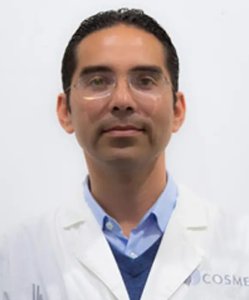
Dr Alejandro Lira
El Dr. Alejandro Lira es un urólogo con amplia experiencia en Tijuana, Baja California, México. Obtuvo el título de médico por la Universidad de Guadalajara en 2005. Realizó la especialidad en Urología en la UNAM, en la Ciudad de México, y recibió la certificación como cirujano en 2011.
Es miembro del Consejo Mexicano de Urología. Asiste regularmente a eventos de urología. Tras certificarse, regresó a Tijuana y trabaja con hospitales en toda la ciudad.
Es originario de Tijuana y
Historias en video de pacientes de Bookimed
Reseñas
Todas las reseñas


Compartir contenido
 Olena Sikoza
Datos сlave sobre Escrotoplastia

Escrotoplastia
La escrotoplastia es un procedimiento quirúrgico diseñado para corregir o reconstruir el escroto por razones funcionales o estéticas.
Preguntas frecuentes sobre Escrotoplastia en México
¿Quién es un buen candidato para una escrotoplastia?
Los candidatos ideales para una escrotoplastia son personas con buena salud que buscan resolver problemas funcionales como rozaduras crónicas, molestias físicas durante el ejercicio o desafíos de higiene. Los candidatos a menudo presentan laxitud cutánea relacionada con la edad, membranas penoescrotales o requieren apoyo reconstructivo tras un traumatismo o una cirugía genital de afirmación de género.
- Alivio funcional: Hombres que experimentan pellizcos en la piel del escroto, fricción o interferencias durante actividades deportivas.
- Corrección anatómica: Personas con membranas penoescrotales que limitan las relaciones sexuales o causan dolor.
- Tras pérdida de peso: Pacientes con tejido escrotal redundante y flácido tras una pérdida de peso masiva.
- Reconstrucción médica: Candidatos que se recuperan de traumatismos, infecciones como la gangrena de Fournier o cirugías urológicas previas.
Perspectiva del experto de Bookimed: Los datos muestran que la escrotoplastia rara vez es una solicitud cosmética aislada, sino que a menudo se combina con planes reconstructivos más amplios. En centros especializados como el Hospital de la Familia, los cirujanos priorizan los resultados funcionales, como la higiene y la movilidad. Los pacientes deben tener en cuenta que el enfoque quirúrgico depende en gran medida de la redundancia del tejido y de las cic
¿Qué técnicas quirúrgicas se utilizan?
Las técnicas quirúrgicas para la escrotoplastia en México incluyen la reconstrucción con colgajo local, el avance de piel escrotal y la reconstrucción por etapas. Los cirujanos utilizan estos métodos para la afirmación de género o la reparación funcional. Los enfoques clave, como los colgajos inguinales o perineales, priorizan la salud vascular para garantizar una cicatrización fiable y resultados naturales.
- Reconstrucción con colgajo local: Utiliza piel cercana para preservar el suministro sanguíneo y mejorar la fiabilidad de la cicatrización.
- Técnica de colgajo de avance: Estira el tejido existente para un contorno estético con mínimas cicatrices o visibilidad.
- Reconstrucción por etapas: Divide las reparaciones complejas en varias sesiones para reducir la tensión y el riesgo.
- Injerto de piel: Aplica piel sana de otras áreas cuando el tejido local es insuficiente.
Perspectiva del experto de Bookimed: Aunque los procedimientos de una sola etapa parecen más rápidos, muchos cirujanos mexicanos destacados recomiendan la reconstrucción por etapas para casos complejos. Dividir la cirugía ayuda a gestionar mejor la tensión del tejido. Este enfoque reduce significativamente los riesgos de separación de la herida, especialmente en casos de reconstrucción genital de afirmación de género.
Consenso de los pacientes: Los pac
¿Cuánto dura el periodo de recuperación y cuándo puedo viajar a casa?
La recuperación de una escrotoplastia en México requiere normalmente de 10 a 14 días antes de poder volar a casa de forma segura. La cicatrización inicial tarda de 1 a 2 semanas en estabilizar los puntos. La mayoría de los pacientes retoman actividades ligeras después de 3 semanas. La estabilización completa del tejido y la resolución de la inflamación continúan durante 8 semanas.
- Autorización para viajar: Planee permanecer 7 días en el país antes de tomar un vuelo de regreso.
- Restricción inicial: Limite caminar y use hielo durante los primeros 14 días después de la cirugía.
- Pico de inflamación: Espere la máxima inflamación alrededor del día 3 al día 5, en lugar de inmediatamente.
- Soporte postoperatorio: Use prendas de compresión durante el viaje para manejar los cambios de presión y mejorar la comodidad.
Perspectiva de expertos de Bookimed: Los datos de más de 2,550 solicitudes en México muestran que sentarse suele ser más difícil que caminar. Los pacientes que viajan a ciudades como Mexicali o Ciudad de México deben elegir alojamiento cerca de la clínica. Quedarse 3 días adicionales ayuda a asegurar que los drenajes sean retirados antes de volar a casa.
Consenso de los pacientes: Los pacientes enfatizan que las rutinas de baño y las primeras evacuaciones intestinales son sorprendentemente dolorosas. Muchos reco
¿La escrotoplastia se realiza como una cirugía independiente o combinada con otras?
La escrotoplastia se realiza tanto como procedimiento independiente como combinado con otras cirugías. En México, los cirujanos a menudo realizan reducciones escrotales independientes por necesidades estéticas. Sin embargo, los casos de afirmación de género suelen combinar la escrotoplastia con faloplastia o metoidioplastia para construir el saco escrotal a partir de tejido labial.
- Enfoque independiente: Se centra en estiramientos escrotales o eliminación de exceso de piel bajo anestesia local.
- Atención de afirmación de género: Frecuentemente combinada con orquiectomía, faloplastia o vaginoplastia para obtener resultados integrales.
- Cirugía reconstructiva: A menudo combinada con injertos de piel o escrotectomía después de un trauma o infección.
- Procedimientos por etapas: Los implantes testiculares generalmente se colocan de 6 a 12 meses después de la creación del tejido.
Perspectiva del experto de Bookimed: Aunque la escrotoplastia independiente en México ofrece una recuperación más rápida, muchos pacientes eligen planes combinados. Centros como el Hospital de la Familia operan cerca de la frontera por conveniencia. Los datos muestran que combinar la escrotoplastia con el agrandamiento del pene puede optimizar los costos quirúrgicos totales y el tiempo de recuperación.
Consenso de los pacientes: Los pacientes enf
¿Se requieren cartas de preparación para la disforia de género?
Las cartas de preparación para la escrotoplastia en México generalmente no son un requisito clínico para los pacientes que pagan por cuenta propia. Muchos cirujanos utilizan un modelo de consentimiento informado o requieren solo una carta de apoyo. Sin embargo, la documentación sigue siendo esencial si busca el reembolso del seguro o la autorización quirúrgica en hospitales específicos.
- Requisitos del cirujano: La mayoría de los cirujanos mexicanos se centran en la aptitud médica y el consentimiento informado por encima de las cartas psicológicas.
- Estándar de seguro: Los proveedores generalmente exigen cartas independientes que confirmen la necesidad médica para la cobertura de la cirugía genital.
- Directrices WPATH: Los estándares actuales sugieren una carta profesional para adultos, aunque algunas clínicas varían.
- Validez del documento: La mayoría de las instalaciones consideran que las cartas de preparación son válidas por un año a partir de la fecha de firma.
Perspectiva del experto de Bookimed: Los datos muestran que México es un destino principal precisamente porque clínicas como el Hospital de la Familia simplifican los requisitos. A diferencia de los sistemas estadounidenses que a menudo exigen dos cartas de salud mental para procedimientos genitales, muchos especialistas mexicanos aceptan una sola carta de diagnóstico. Los pacie
¿Cuáles son los requisitos de viaje para los ciudadanos estadounidenses que se someten a cirugía en México?
Los ciudadanos estadounidenses que ingresan a México para someterse a una cirugía necesitan un pasaporte o tarjeta de pasaporte válido y un permiso Forma Migratoria Múltiple (FMM). Aunque no se requiere una visa médica para estancias menores a 180 días, los pacientes deben presentar una confirmación formal de la cita quirúrgica en los puntos de control fronterizos.
- Documentos de viaje: Se requiere un pasaporte para viajar en avión a México y regresar.
- Permiso de entrada: La tarjeta FMM cuesta aproximadamente $54 y es obligatoria para todos los viajeros.
- Prueba médica: Lleve confirmaciones de cita impresas y una carta del cirujano para las inspecciones fronterizas oficiales.
- Reglas de medicamentos: Mantenga todas las recetas en su empaque original etiquetado para cumplir con las regulaciones aduaneras mexicanas.
Perspectiva del experto de Bookimed: Clínicas como el Hospital de la Familia se encuentran a pasos de la frontera de Calexico, lo que hace posible los cruces terrestres con una tarjeta de pasaporte. Esta proximidad permite a los pacientes evitar el estrés del aeropuerto, lo cual es vital ya que los cirujanos recomiendan evitar largos períodos de estar sentado después de una cirugía genital.
Consenso de los pacientes: Los viajeros enfatizan que los viajes en solitario son difíciles debido a la somnolencia p