Ir a inicio

Cómo funciona

Hemos transformado el proceso de búsqueda de clínicas, haciéndolo simple, rápido y personalizado.
Responda algunas preguntasComplete un breve formulario para contarnos sobre su estado de salud y necesidades médicas.
Obtenga ofertas personalizadas3 clínicas seleccionadas especialmente según sus respuestas le proporcionan planes de tratamiento personalizados y presupuestos.
Elija la mejor opciónCompare ofertas y elija la clínica que más le convenga.
También puede consultar las 4 clínicas a continuación.
820К+ pacientes han recibido asistencia desde 2014
50 países
1,500 clínicas
6K+ reseñas
3K+ médicos calificados

¿Cuál es el precio del diagnóstico y los tratamientos de Adenoides en Polonia? Descubra ahora

El precio se proporciona bajo petición

Descubra las mejores clínicas de tratamiento de Adenoides en Polonia: 4 opciones verificadas y Precios

El ranking de clínicas de Bookimed se basa en algoritmos de data science, ofreciendo una comparación confiable, transparente y objetiva. Tiene en cuenta la demanda de pacientes, las puntuaciones de reseñas (positivas y negativas), la frecuencia de actualización de opciones de tratamiento y precios, la rapidez de respuesta y las certificaciones de las clínicas.
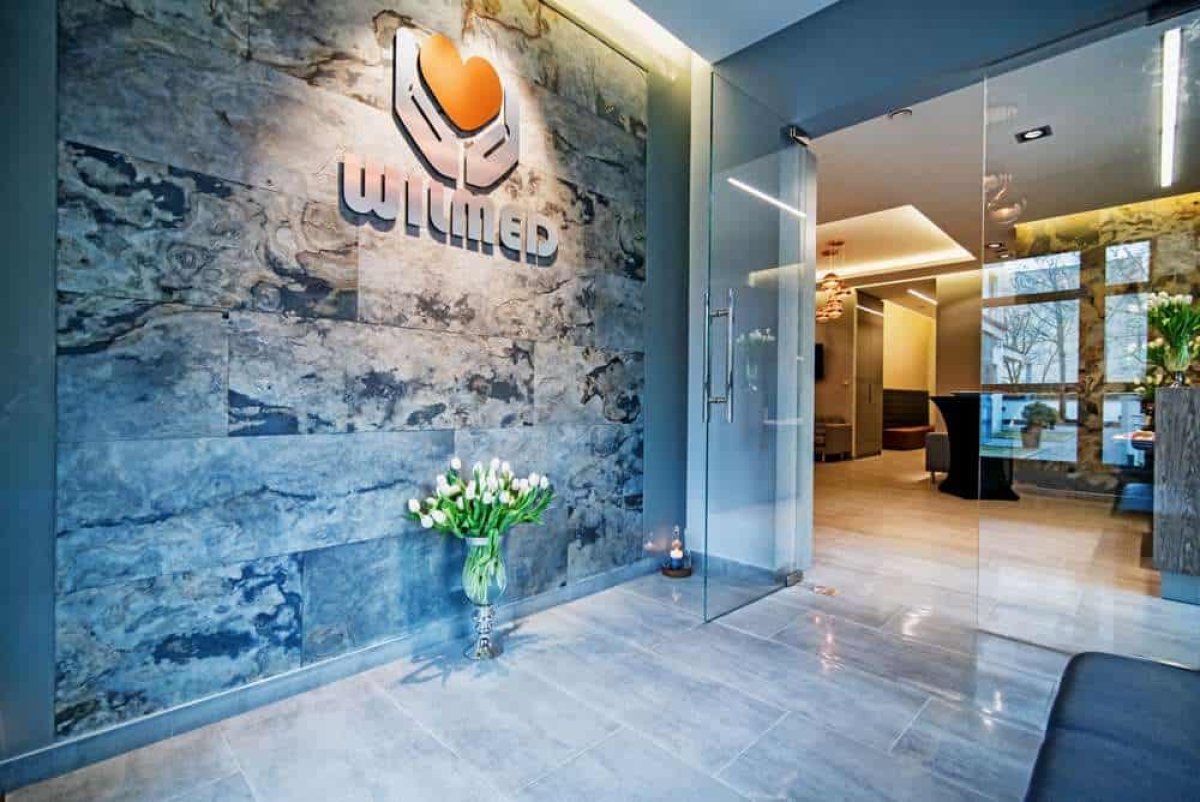
Carolina Hospital
4.795 reseñas
Precio a consultar
Más información
Centro Médico Krajmed
4.25 reseñas
Precio a consultar
Más información
Hospital Universitario de Cracovia
5.06 reseñas
Precio a consultar
Más información

Obtenga una evaluación médica para Adenoides en Polonia: consulte con doctores experimentados ahora

Ver todos los médicos
verificado

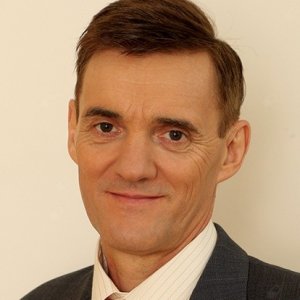
Wiktor Miechowski

21 años de experiencia

Más de 1.100 procedimientos realizados: el Dr. Miechowski se especializa en atención integral de otorrinolaringología en el Hospital Carolina, incluidas las cirugías de adenoides.

  • 19 años de experiencia en otorrinolaringología
  • Especialista en procedimientos de otorrinolaringología para adultos y niños
  • Jefe de Servicios de Urgencias de Otorrinolaringología en Varsovia
  • Formado en la Universidad Creighton y en la Universidad Médica de Varsovia
verificado

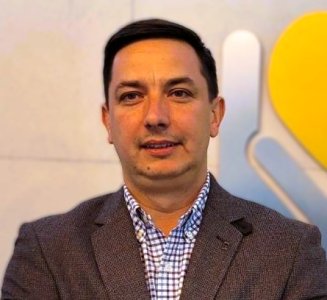
Igor Anurin

17 años de experiencia

17 años de experiencia en otorrinolaringología: el Dr. Anurin se especializa en cirugías de senos nasales mínimamente invasivas en el Carolina Hospital.

  • Cirujano jefe en el departamento de otorrinolaringología del Hospital Mazowiecki Bródnowski
  • Miembro de la Sociedad Polaca de Otorrinolaringólogos y Cirujanos de Cabeza y Cuello
  • Especializarse en FESS: cirugía endoscópica funcional de los senos nasales
  • Jefe del departamento de urgencias y formador de médicos residentes

Compartir contenido

Historias en video de pacientes de Bookimed

Dayana
Combiné mis vacaciones en Antalya con un chequeo médico.
Procedimiento: Chequeo femenino
Igor
¡Fue genial! Traslados, alojamiento, tratamiento, todo incluido.
Procedimiento: Implante dental
Clínica: WestDent Clinic
Marina
Bookimed se encargó de todo. No tuve que preocuparme por nada.
Procedimiento: Chequeo femenino
Actualizado: 05/21/2026
Escrito por
Olena Sikoza
Olena Sikoza
Сopywriter en español
Copywriter médica certificada responsable del contenido en español de Bookimed. Más de 7 años de experiencia en redacción sobre salud y turismo médico, con formación académica en edición científica y desarrollo de contenidos.
Fahad Mawlood
Editor médico y Científico de datos
Médico general. Ganador de 4 premios científicos. Sirvió en Asia Occidental. Es el ex jefe del equipo médico que soporta a pacientes de habla árabe. Ahora es responsable del procesamiento de datos y la precisión del contenido médico.
Fahad Mawlood Linkedin
Esta página puede incluir información relacionada con diversas afecciones médicas, tratamientos y servicios de salud disponibles en diferentes países. Tenga en cuenta que el contenido se proporciona sólo con fines informativos y no debe interpretarse como asesoramiento médico o orientación. Por favor consulte con su médico o con un profesional médico calificado antes de comenzar o cambiar el tratamiento médico.

Preguntas frecuentes sobre el tratamiento de Adenoides en Polonia

Estas preguntas frecuentes provienen de pacientes reales que buscan atención médica a través de Bookimed. Las respuestas son proporcionadas por coordinadores médicos experimentados y representantes autorizados de las clínicas.

What surgical methods are available for adenoid removal in Poland?

Polish clinics offer adenoid removal via classical curettage, endoscopic resection, and advanced coblation. Surgeons often utilize one-day surgery protocols under general anesthesia. Modern facilities like Carolina Hospital in Warsaw provide these procedures with high-definition endoscopic visualization to ensure complete tissue removal.

  • Classical adenotomy: Uses a manual curette tool for rapid tissue removal.
  • Endoscopic adenotomy: Uses thin cameras for precise, high-definition surgical visualization.
  • Coblation technology: Employs cold plasma to dissolve tissue with minimal bleeding.
  • Shaver technique: Utilizes a microdebrider for simultaneous tissue cutting and suctioning.

Bookimed Expert Insight: Poland serves as a high-volume medical hub, with the University Hospital in Krakow treating 455,000 patients annually. While classical methods are common in public sectors, private centers like Carolina Hospital focus on specialized pediatric ENT care. Dr. Wiktor Miechowski at Carolina Hospital brings elite experience from the Polish Olympic Committee to ensure surgical precision.

Patient Consensus: Parents frequently choose private clinics for coblation because children typically return to school within three days. While public options are available, many note that private centers offer significantly faster scheduling and more modern techniques.

How long is the typical hospital stay for adenoid surgery?

Adenoid surgery in Poland is typically an outpatient procedure requiring only 4 to 6 hours of hospital stay. Most patients are discharged the same day. The surgery itself takes 20 to 45 minutes. Medical staff monitor patients for 1 to 2 hours during recovery.

  • Surgery duration: The procedure usually lasts only 20 to 45 minutes.
  • Recovery monitoring: Patients stay in recovery for 1 to 2 hours.
  • Discharge criteria: Patients leave once they can drink and breathe easily.
  • Overnight stay: Some children under 4 may stay 1 night for observation.

Bookimed Expert Insight: Quality indicators in Poland often correlate with accreditation. For example, Carolina Hospital holds ISO 9001:2015 and TÜV NORD certification. These standards ensure rigorous safety protocols during the 4-hour post-operative monitoring window. Choosing such certified clinics often means more structured discharge procedures for international patients.

Patient Consensus: Parents note that children often go home 4 hours after surgery. They emphasize having soft foods ready at home since the real recovery starts post-discharge.

What is the expected recovery time after adenoidectomy?

Recovery from an adenoidectomy typically takes 7 to 14 days. Children usually return to school within 1 week. Adults may require up to 21 days for a full recovery. Polish facilities like Carolina Hospital utilize specialists trained in advanced otolaryngology for precise tissue removal.

  • Initial discharge: Most patients receive a quick discharge within 24 hours in Poland clinics.
  • Symptom timeline: Bad breath and mouth breathing often persist for 1 to 3 weeks.
  • Activity restrictions: Heavy exercise and swimming must be avoided for at least 14 days.
  • Pain management: Discomfort usually peaks between day 3 and day 7 post-surgery.

Bookimed Expert Insight: While general recovery takes 2 weeks, Choosing experienced surgeons like Dr. Igor Anurin at Carolina Hospital is vital. He specializes in endoscopic techniques. These precise methods help maintain airway integrity. Clinics like University Hospital in Krakow manage over 450,000 patients annually. This high volume ensures medical teams are experts in post-operative care transitions.

Patient Consensus: Parents note that children under 5 years old often bounce back much faster. Use a humidifier at night and keep cold, soft foods ready for the first 48 hours.

Which Polish cities have the most experienced centers for adenoid treatment?

Warsaw, Krakow, and Poznan are the leading Polish cities for adenoid treatment. Warsaw houses modern facilities like Carolina Hospital and Medical Centre ENEL-MED. Krakow features major institutions including University Hospital. These centers offer endoscopic adenotomy within ISO-certified or JCI-accredited medical environments.

  • Warsaw specialists: Dr. Wiktor Miechowski has performed over 1,100 surgical procedures.
  • Advanced equipment: Clinics utilize endoscopic sinus surgery (FESS) and precision microsurgery techniques.
  • Patient capacity: University Hospital in Krakow treats over 455,000 patients annually.
  • Quality standards: Facilities like Carolina Hospital maintain ISO 9001:2015 quality management certifications.

Bookimed Expert Insight: While public university hospitals in Krakow and Poznan offer immense procedural experience, private centers in Warsaw provide faster access. Carolina Hospital is a long-term partner for the Polish Olympic Committee. This reflects high standards for both elective and acute pediatric procedures.

Patient Consensus: Many parents note that choosing a private clinic in Warsaw helps avoid long wait times. They emphasize looking for specialists who have significant experience in pediatric-specific cases.

Can adenoid removal be safely combined with other procedures?

Adenoid removal is safely combined with other ear, nose, and throat procedures in a single session. This approach reduces anesthesia exposure and consolidates recovery. Polish specialists frequently perform combined surgeries like tonsillectomy, ear tube placement, and septoplasty for both pediatric and adult patients.

  • Common combinations: Removing tonsils and adenoids together treats sleep apnea and chronic infections.
  • Ear tube placement: Grommet insertion along with adenoidectomy often resolves recurrent middle ear fluid.
  • Sinus procedures: Surgeons may perform endoscopic sinus surgery or turbinate reduction during the session.
  • Nasal correction: Adults often combine adenoid removal with nasal septum surgery for better breathing.

Bookimed Expert Insight: High-volume centers like University Hospital in Krakow, which serves 455,000 patients annually, demonstrate that surgical efficiency is a key quality indicator. Choosing a clinic with comprehensive ENT departments, such as Carolina Hospital in Warsaw, allows patients to access specialists like Dr. Wiktor Miechowski. He performs diverse procedures from radiosurgery to pediatric ambulatory care. This specialized experience ensures that multiple issues are addressed in one theater visit, often leading to better long-term respiratory outcomes.

Patient Consensus: Parents note it is common for young children to have adenoids and ear tubes handled at once. They emphasize that while recovery involves some initial pain, the immediate improvement in hearing and breathing is worth the single surgery.

Are there diet or activity restrictions after adenoid surgery?

Post-operative care for adenoid surgery in Poland typically requires 1 to 2 weeks of specific dietary and activity adjustments. Patients must avoid scratchy foods and vigorous physical exertion to prevent bleeding. Most children can return to school 2 to 5 days after the procedure.

  • Dietary progression: Start with clear liquids like apple juice for the first 24 hours.
  • Soft food window: Eat mashed potatoes, yogurt, and scrambled eggs for 1 to 2 weeks.
  • Restricted items: Avoid chips, spicy spices, and acidic citrus juices that sting the throat.
  • Physical activity: Refrain from swimming, heavy lifting, and contact sports for 14 days.
  • Pressure prevention: Do not blow the nose for at least 7 days after surgery.

Bookimed Expert Insight: High-volume Polish centers like the University Hospital in Krakow, which treats 455,000 patients annually, emphasize clinical consistency. We see that surgeons like Dr. Wiktor Miechowski at Carolina Hospital prioritize specialized pediatric protocols. Their `sports medicine` background often translates to stricter 14-day recovery timelines for active children. Selecting a FIFA-certified facility ensures access to advanced post-operative safety monitoring that general clinics may lack.

Patient Consensus: Parents frequently mention that stocking up on popsicles and ice chips is essential for soothing pain. Many note that keeping children home for a full week helps avoid common classroom infections during early healing.

What clinical improvements can parents expect after the procedure?

Parents can expect immediate improvements in their child's breathing and sleep quality following adenoid treatment in Poland. Nasal congestion and snoring usually resolve within 3 to 14 days. This procedure effectively restores normal airflow. It also significantly reduces the frequency of ear and throat infections.

  • Respiratory function: Most children switch from mouth to nasal breathing within 3 days.
  • Sleep quality: Snoring and sleep apnea symptoms typically disappear within 1 to 2 weeks.
  • Infection rate: Parents report an 80% to 90% drop in annual ear and throat infections.
  • Physical growth: Improved sleep and appetite often lead to faster height and weight gain.

Bookimed Expert Insight: Clinical data from Warsaw centers like Carolina Hospital shows that specialists like Dr. Wiktor Miechowski prioritize advanced diagnostics, including paranasal sinus CT and coagulograms. This thorough pre-operative screening ensures higher safety. Parents opting for private facilities in Poland often bypass long public wait times. This allows for treatment before chronic mouth breathing permanently impacts dental alignment or facial development.

Patient Consensus: Parents note that while a muffled voice or halitosis may linger briefly, the dramatic energy boost and lack of chronic colds are life-changing. Many suggest using humidifiers during the first week to keep the nasal passage comfortable and speed up recovery.

What health improvements should I expect after the treatment?

Treating enlarged adenoids in Poland significantly improves nasal breathing and sleep quality. Patients typically experience relief from chronic blockages and snoring shortly after recovery. These procedures resolve sleep apnea, boosting daytime energy and reducing irritability. Specialists use minimally invasive endoscopic sinus surgery to ensure faster healing.

  • Nasal breathing: Improves immediately as surgeons clear the airway using endoscopic techniques.
  • Sleep quality: Reduces snoring and gasping episodes for deeper, uninterrupted rest.
  • Energy levels: Increases daytime alertness once chronic sleep deficits are resolved.
  • Infection reduction: Lowers the frequency of recurring sinusitis and middle ear infections.

Bookimed Expert Insight: Poland offers a high density of multidisciplinary hospitals, such as University Hospital in Krakow, which serves 455,000 patients annually. This massive volume means ENT specialists, like Dr Igor Anurin, have managed thousands of complex airway cases. Our data shows that Polish clinics often combine adenoid removal with soft palate plastic surgery. This dual approach provides more comprehensive relief for severe sleep apnea than simple removal alone.

Patient Consensus: Patients note that breathing through the nose improves first, followed by quieter sleep and much better daytime focus. While initial congestion may temporarily mask progress, the long-term mood and health benefits in Poland become obvious within weeks.

What is the timeline for hospital stay and recovery?

In Poland, adenoid treatment usually requires only a single overnight stay or same-day discharge. Most patients return to light daily activity within 7 days. Specialists use endoscopic techniques and microsurgery to minimise tissue trauma. This approach supports faster stabilisation and reduces the risk of postoperative bleeding.

  • Hospitalisation duration: Most patients leave within 24 hours after a routine procedure.
  • Initial recovery: The first 3 to 5 days involve the most discomfort.
  • Activity resumption: Full return to school or work typically takes 7 to 10 days.
  • Postoperative diet: Patients focus on fluids and soft foods for the first week.

Bookimed Expert Insight: Major Polish facilities like the University Hospital in Krakow manage heavy patient volumes, treating 455,000 people annually. This high frequency means surgical teams are highly efficient at managing adenoid cases. For international patients, Warsaw clinics like Carolina Hospital provide specialised focus with 30-bed boutique units. This balance between high-volume expertise and individualised care ensures rapid recovery and streamlined discharge protocols.

Patient Consensus: Patients note the first few nights are challenging due to ear pain and mouth breathing. They emphasise that prioritising hydration is essential to avoid complications during the first week in Poland.

What surgical methods are used for adenoid removal in Poland?

Surgical adenoid removal in Poland primarily involves endoscopic adenotomy performed under general anaesthesia. Modern clinics in Warsaw and Krakow use high-definition cameras for precise tissue excision. These minimally invasive methods ensure faster recovery. Patients usually return home within 6 hours following the 45-minute procedure.

  • Endoscopic method: Surgeons use cameras to see the nasopharynx. This ensures precise tissue removal.
  • Coblation technology: Low-temperature radiofrequency plasma dissolves tissue. It minimizes bleeding and postoperative pain.
  • Shaver technique: A motorized microdebrider shaves and suctions tissue. This reduces the regrowth risk.
  • Curettage: Traditional instruments physically scrap tissue. Modern centres now combine this with endoscopy.

Bookimed Expert Insight: Poland scales ENT services exceptionally well, with University Hospital in Krakow treating 455,000 patients annually. Highly specialised surgeons like Dr Wiktor Miechowski at Carolina Hospital hold US-based training from institutions like Creighton University. This blend of massive clinical volume and Western-certified expertise leads to highly refined surgical protocols for pediatric cases.

Patient Consensus: Patients in Poland recommend verifying that the surgeon uses camera guidance during the operation. They note that combining adenoid removal with other nasal procedures is common and efficient.

Can enlarged adenoids be treated in Poland without surgery?

Enlarged adenoids in Poland are often managed without surgery if the airway blockage remains below 75%. Polish ENT specialists prioritise conservative therapies like intranasal corticosteroids and antihistamines. Doctors also use watchful waiting, as adenoid tissue typically shrinks naturally as children approach their teenage years.

  • Diagnostic imaging: Specialists use CT scans of paranasal sinuses to assess tissue size accurately.
  • Steroid sprays: A 12-week course of topical mome-tasone often reduces inflammation and tissue volume.
  • Allergy management: Doctors prescribe montelukast or desloratadine if allergies trigger the swelling.
  • Bacteriotherapy: Targeted rinses help rebuild the nasal microbiome to prevent chronic biofilm infections.

Bookimed Expert Insight: Poland ranks second globally in our network for patient requests. This high volume supports specialized centres like Carolina Hospital. Specialists there, such as Dr Wiktor Miechowski, hold international certifications from US institutions like Creighton University. This ensures patients receive treatment aligned with the latest global paediatric ENT protocols.

Patient Consensus: Patients find that managing underlying triggers like rhinitis or allergies provides significant relief. They note that thorough diagnostic exams are essential to distinguish simple swelling from permanent obstruction.

How do specialists in Poland diagnose adenoid issues?

Specialists in Poland diagnose adenoid issues using nasal endoscopy and paranasal sinus CT scans. Leading clinics like Carolina Hospital in Warsaw employ JCI-standard protocols. Specialists like Dr Igor Anurin use fibre-optic cameras to grade tissue obstruction. This ensures accurate staging before deciding on surgery.

  • Nasal endoscopy: Doctors use flexible fibre-optic cameras to view the nasopharynx via the nose.
  • Paranasal sinus CT: This scan identifies structural blockages or chronic sinusitis in complex cases.
  • Clinical examination: Specialists check for adenoid facies, mouth breathing, and chronic ear infections.
  • Hearing assessment: Experts include tympanometry to check for fluid buildup behind the eardrum.

Bookimed Expert Insight: Polish specialists often combine diagnostic visits with surgery planning to support international patients. Dr Wiktor Miechowski at Carolina Hospital holds US-based postgraduate training from Creighton University. His background helps bridge the gap for English-speaking patients. This high level of international training ensures diagnosis meets western standards while maintaining fast access.

Patient Consensus: Patients in Poland note that diagnostic focuses on the whole obstruction picture rather than just imaging. They suggest bringing a documented list of symptoms like snoring and sleep quality changes.

What are the best medical facilities for adenoids treatment in Poland?

Top medical facilities for adenoid treatment in Poland include Carolina Hospital and University Hospital in Krakow. These centres specialise in endoscopic adenotomy for children and adults. Facilities hold ISO 9001:2015 certification and employ specialists with extensive training from European and American institutions.

  • Carolina Hospital: ISO-certified Warsaw clinic specialising in paediatric ENT and sports medicine.
  • Expert specialists: Dr Wiktor Miechowski has performed over 1,100 successful ENT procedures.
  • Academic excellence: University Hospital in Krakow serves 455,000 patients annually with 103 departments.
  • Advanced techniques: Clinics use endoscopic visualisation and microdebriders to ensure precise tissue removal.

Bookimed Expert Insight: Poland serves as a high-volume hub with 3,960 requests handled through our platform alone. While University Hospital in Krakow offers massive scale with 1,600 beds, Carolina Hospital provides a more tailored setting with 40 doctors. This balance allows patients to choose between large academic safety nets or specialised private units depending on the complexity of the case.

Patient Consensus: Families recommend choosing facilities with dedicated paediatric ENT units and on-site anaesthesia teams. They emphasise confirming overnight monitoring or emergency support for bleeding before booking in Poland.

Pedir una consulta gratis

Seleccione la mejor manera de contactarle