Tratamiento de Adenoides en Alemania — obtenga 3 coincidencias personalizadas de clínicas


Revisado médicamente por
Fahad Mawlood
Cómo funciona
¿Cuál es el precio del diagnóstico y los tratamientos de Adenoides en Alemania? Descubra ahora
De $220. Los gastos totales dependen de si la cirugía se realiza de forma ambulatoria o requiere una estancia hospitalaria con rehabilitación. Los pacientes a menudo ahorran aproximadamente entre un 20 y un 30% en comparación con los costos de la atención médica privada en el Reino Unido. Las principales ciudades para este tratamiento incluyen Hamburgo, Solingen y Berlín.
Costos típicos del tratamiento de adenoides en Alemania
- TC de los senos paranasales: de $220
- Análisis de sangre extendido: de $150
- Coagulograma: de $40
- ECG: $50 – $60
Perspectiva del experto de Bookimed: Los pacientes que buscan atención de alta precisión deben considerar el Centro Médico de Solingen. El profesor Andreas Sesterhenn se especializa en intervenciones endoscópicas con incisiones de menos de 1 cm para una recuperación más rápida. Para casos pediátricos, la Clínica Asklepios Nord en Hamburgo es una opción destacada. Este centro multidisciplinario atiende a más de 72,000 pacientes al año. Los centros académicos como Charité Berlín ofrecen experiencia de clase mundial para casos complejos que involucran múltiples complicaciones de otorrinolaringología.
Descubra las mejores clínicas de tratamiento de Adenoides en Alemania: 17 opciones verificadas y Precios
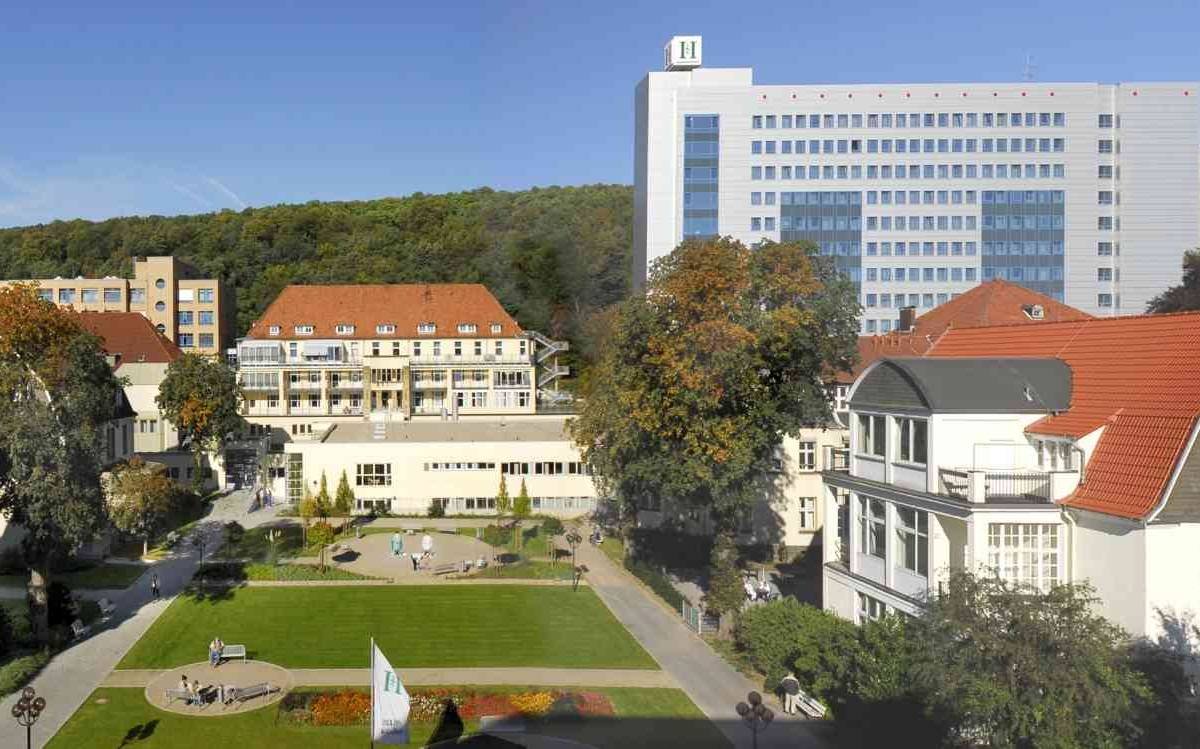





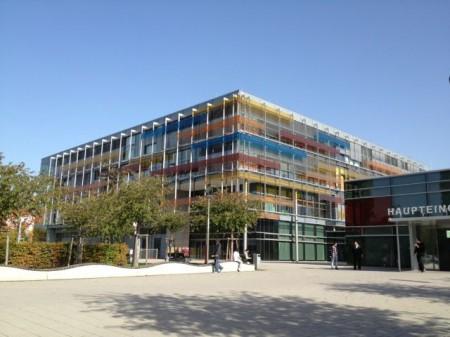
University Hospital in Haydelberge

Hospital in the Pfeiffer`s foundations

University Hospital of Giessen and Marburg

Elbland Clinic
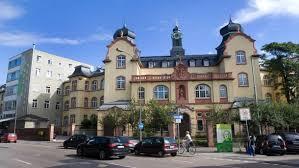
Burger Hospital

Clinic Frankfurt Höchst
Obtenga una evaluación médica para Adenoides en Alemania: consulte con doctores experimentados ahora
Ver todos los médicos
Ralf Buhl
El Dr. Buhl es un reconocido experto en neurocirugía, especializado en cirugías de cerebro y médula espinal mediante neuroravegación computarizada.
- Autor de 47 artículos científicos sobre neuropatología
- Especializado en neurocirugía mínimamente invasiva y endoscópica
- Cofundador de un fondo dedicado a la investigación de tumores cerebrales
- Activo en el tratamiento quirúrgico de metástasis cerebrales

Andreas Sesterhenn
El Prof. Andreas Sesterhenn se especializa en el tratamiento conservador de tumores de cabeza y cuello, realizando cirugías endoscópicas y robóticas con incisiones mínimas.
- Jefe de Otorrinolaringología y Cirugía Plástica en Solingen
- Más de _doctor_315_años_ de experiencia quirúrgica
- Autor de 78 publicaciones científicas
- Realiza operaciones endoscópicas a través de la nariz
Reseñas
Todas las reseñasCompartir contenido
Historias en video de pacientes de Bookimed
 Olena Sikoza
Preguntas frecuentes sobre el tratamiento de Adenoides en Alemania
¿Cuáles son las principales opciones de tratamiento para las adenoides agrandadas en Alemania?
Alemania trata las adenoides agrandadas utilizando las directrices clínicas S2k que priorizan el manejo conservador. Los médicos a menudo recomiendan aerosoles nasales con corticosteroides o lavados salinos durante 3 a 6 meses. Si persisten síntomas como la apnea del sueño, los cirujanos realizan una adenoidectomía ambulatoria utilizando técnicas convencionales o láser.
- Cuidado conservador: La espera vigilante y los aerosoles nasales reducen la inflamación durante 2 a 6 meses.
- Estándar quirúrgico: La adenoidectomía es típicamente un procedimiento ambulatorio realizado bajo anestesia general.
- Procedimientos combinados: Los cirujanos a menudo realizan una amigdalotomía o la colocación de tubos de ventilación simultáneamente.
- Diagnóstico por imagen: Los especialistas pueden utilizar tomografías computarizadas de los senos paranasales para casos complejos.
Perspectiva del experto de Bookimed: Los hospitales universitarios alemanes como Charité se centran en casos pediátricos altamente complejos. Para las extirpaciones de adenoides estándar, centros académicos como el Centro Médico de Solingen ofrecen experiencia especializada. El Prof. Dr. Andreas Sesterhenn en Solingen utiliza técnicas endoscópicas ahorradoras para intervenciones en las vías respiratorias superiores. Este enfoque en métodos mínimamente invasivos ayuda a minimizar el trauma
¿Qué técnicas quirúrgicas están disponibles para la adenoidectomía en los hospitales alemanes?
Los hospitales alemanes utilizan técnicas avanzadas para la resección de adenoides, priorizando la precisión y la curación rápida. El legrado en frío convencional sigue siendo una opción estándar. Las clínicas modernas ofrecen cada vez más coblación, ablación por radiofrecuencia y extirpación endoscópica asistida por microdebridador. La mayoría de los procedimientos se realizan bajo anestesia general como casos ambulatorios en instalaciones pediátricas especializadas.
- Cirugía de coblación: La energía de radiofrecuencia de baja temperatura disuelve el tejido y sella los vasos simultáneamente.
- Extirpación asistida por microdebridador: Un cortador de succión motorizado afeita el tejido capa por capa bajo control endoscópico.
- Adenoidectomía endoscópica: Los cirujanos utilizan endoscopios nasales para la visualización directa a fin de garantizar una extirpación completa.
- Ablación por radiofrecuencia: La energía térmica de precisión apunta al tejido mientras minimiza el trauma en las áreas circundantes.
Perspectiva del experto de Bookimed: Aunque muchos buscan tecnologías específicas, el volumen de pacientes de una clínica es un indicador de seguridad más sólido. Los grandes hospitales académicos como Charité o Solingen tratan a más de 60.000 pacientes al año. Los centros de alto volumen a menudo proporcionan resultados más predecibles. El Pr
¿La adenoidectomía se realiza como un procedimiento ambulatorio o de hospitalización en Alemania?
La adenoidectomía en Alemania es principalmente un procedimiento ambulatorio para niños sanos mayores de 1 año. La mayoría de los pacientes regresan a casa después de 4 horas de observación. Los cirujanos pueden requerir una estancia hospitalaria de 1 a 3 días para bebés, casos complejos o pacientes con trastornos hemorrágicos.
- Elegibilidad ambulatoria: Rutina para niños sanos mayores de 1 año sin comorbilidades.
- Criterios de hospitalización: Requerido para bebés, pacientes con asma o aquellos con trastornos de la coagulación.
- Pasos preoperatorios: Incluye coagulograma, análisis de sangre y ECG para garantizar la seguridad quirúrgica.
- Tipos de centros: Los hospitales universitarios como Charité Berlin manejan casos complejos que requieren pernoctación.
- Enfoque quirúrgico: Los procedimientos nasales endoscópicos son comunes para una eliminación de tejido precisa y mínimamente invasiva.
Perspectiva del experto de Bookimed: Si bien los hospitales alemanes como el Centro Médico de Solingen atienden a más de 60,000 pacientes al año, las familias internacionales a menudo se benefician de los centros afiliados a universidades. Por ejemplo, el Prof. Andreas Sesterhenn en Solingen se especializa en cirugía nasal endoscópica. Esta experiencia reduce el tiempo quirúrgico a aproximadamente 30 minutos, lo que facilita el al
¿Cuánto tiempo dura la recuperación después de una adenoidectomía en Alemania?
La recuperación completa después de una adenoidectomía en Alemania suele durar de 7 a 14 días. La mayoría de los pacientes regresan a la escuela o a actividades ligeras en el plazo de una semana. La curación interna completa y la resolución de los síntomas posquirúrgicos, como los ronquidos o la congestión nasal, suelen requerir de 2 a 4 semanas.
- Recuperación inicial: Los pacientes suelen regresar a casa el mismo día, una vez que desaparecen los efectos de la anestesia.
- Cronograma de actividades: Los niños generalmente regresan a la guardería o a la escuela después de 3 a 7 días.
- Restricciones físicas: Se deben evitar los deportes extenuantes y levantar objetos pesados durante 14 días.
- Cuidados dietéticos: Los médicos recomiendan una dieta blanda y fría para proteger la zona de la cirugía.
Perspectiva de expertos de Bookimed: Los especialistas en otorrinolaringología alemanes suelen aplicar protocolos posoperatorios más estrictos que en otras regiones. Por ejemplo, el Prof. Dr. Andreas Sesterhenn del Medical Center de Solingen se centra en técnicas endoscópicas mínimamente invasivas. Aunque la cirugía es breve, clínicas como el Hospital Asklepios Barmbek enfatizan un descanso total de 14 días de actividades extenuantes para garantizar el éxito del 100% del tejido en cicatrización.
Consenso de los pacientes: Los p
¿Qué tasas de éxito y recurrencia se pueden esperar?
El tratamiento de adenoides en Alemania ofrece más de un 90% de éxito en la resolución de la obstrucción nasal e infecciones recurrentes. Las tasas de recurrencia a largo plazo siguen siendo bajas, aproximadamente entre el 3% y el 4%. La mayoría de los pacientes experimentan un alivio completo de los síntomas en cuestión de días. Los resultados mejoran significativamente cuando los cirujanos abordan las alergias o el reflujo subyacentes.
- Tasa de éxito: Más del 92% de los pacientes logran un alivio permanente de las obstrucciones nasales.
- Tasa de recurrencia: El recrecimiento ocurre solo en el 3% al 4% de los casos pediátricos estándar.
- Resultados en niños pequeños: Los niños menores de 3 años pueden enfrentar un recrecimiento parcial del 5% al 10%.
- Impacto de las comorbilidades: El manejo del asma y las alergias después de la cirugía reduce aún más el riesgo de recurrencia.
Perspectiva del experto de Bookimed: Los centros de alto volumen como el Centro Médico de Solingen y el Hospital Asklepios Barmbek tratan a más de 60.000 pacientes al año. Nuestros datos muestran que los mejores especialistas en ORL alemanes, como el Prof. Andreas Sesterhenn, utilizan técnicas endoscópicas a través de incisiones de 1 cm. Este nivel de precisión en centros certificados de tumores y especialidades garantiza una eliminación de tejido más completa que el
¿Qué ciudades alemanas son centros reconocidos para la cirugía otorrinolaringológica y de las vías respiratorias pediátricas?
Stuttgart, Múnich, Berlín y Solingen son los principales centros de Alemania para la cirugía otorrinolaringológica (ORL) y de las vías respiratorias pediátricas. Estas ciudades albergan centros especializados como el Olgahospital y la Charité de Berlín. Las instalaciones en estas ubicaciones cuentan con prestigiosas certificaciones de la Sociedad Alemana del Cáncer y de la revista Focus por su excelencia.
- Centro de Stuttgart: El Klinikum Stuttgart Olgahospital sirve como el principal centro nacional de referencia pediátrica.
- Experiencia en Solingen: El Medical Center de Solingen es una clínica clasificada como TOP en ORL por la revista Focus.
- Investigación en Berlín: La Charité Universitätsmedizin trata a más de 5.600 niños al año en departamentos especializados.
- Red de Hamburgo: El Hospital Asklepios Barmbek está clasificado como la mejor clínica para pacientes internacionales.
Perspectiva del experto de Bookimed: Si bien los hospitales universitarios de Berlín y Múnich manejan los mayores volúmenes de pacientes, los centros especializados más pequeños, como el Medical Center de Solingen, ofrecen una experiencia altamente competitiva. El Prof. Andreas Sesterhenn en Solingen es un especialista clasificado por Focus que realiza procedimientos robóticos mínimamente invasivos en las vías respiratorias a través de incisiones de menos de 1 c
¿Qué hospitales en Alemania tienen las calificaciones más altas en neurocirugía?
Alemania alberga algunos de los departamentos de neurocirugía más prestigiosos del mundo, liderados por la Charité – Universitätsmedizin Berlin y el Hospital Universitario de Heidelberg. Estos centros destacan en el tratamiento de tumores cerebrales complejos y enfermedades cerebrovasculares. Para maximizar la eficacia de sus procedimientos, utilizan tecnologías de vanguardia como la resonancia magnética intraoperatoria y la neuronavegación asistida por computadora.
- Charité Berlín: Realiza más de 5000 cirugías al año. La clínica está dirigida por el reconocido neurocirujano Dr. Peter Vaikoczy.
- Centro Médico Solingen: El Dr. Ralf Buhl ha realizado más de 4.000 cirugías, incluidas cirugías de columna mínimamente invasivas.
- Clínica Asklepios Nord: equipada con el único sistema de resonancia magnética intraoperatoria bilateral de Alemania para garantizar precisión quirúrgica en tiempo real durante la extirpación del tumor.
- Clínica Nordwest: reconocida por la revista Newsweek como un hospital líder por su innovación en tecnología de ultrasonido 3D.
Opinión experta de Bookimed: Los datos muestran que elegir centros con un alto volumen quirúrgico suele llevar a recomendaciones de tratamiento más conservadoras. En el Centro Médico Solingen, que atiende a más de 60.000 pacientes al año, los cirujanos suelen sugerir fisioterapia en lugar de cirugía
¿Cuáles son las tasas de éxito de los procedimientos neuroquirúrgicos complejos en Alemania?
En Alemania, los procedimientos neuroquirúrgicos de alta complejidad demuestran una seguridad excepcional. Las tasas de éxito en las fusiones espinales alcanzan el 99 %. La tasa de supervivencia en las resecciones de tumores cerebrales primarios es del 97 %. La independencia funcional es alta. Más del 82 % de los pacientes reciben el alta inmediatamente después del tratamiento. Los centros alemanes priorizan la preservación de la función neurológica mediante técnicas modernas de mapeo.
- Resección de tumores: los cirujanos logran una resección tumoral completa en el 87,2% de los casos de metástasis cerebrales.
- Éxito en el tratamiento de enfermedades vasculares: los hospitales alemanes informan de una tasa de supervivencia del 98,7% para aneurismas no rotos.
- Mejora del estado neurológico: casi el 43% de los pacientes experimentan una mejora de los parámetros funcionales después de resecciones complejas.
- Seguridad de las intervenciones quirúrgicas: En grandes centros quirúrgicos, las tasas de supervivencia de los pacientes después de la cirugía de columna son del 98-99%.
Opinión experta de Bookimed: Cirujanos experimentados como el Dr. Uwe Köhler, de la Clínica Asklepios Altona, realizan más de 2000 cirugías al año. Los datos muestran que estos especialistas mantienen tasas de éxito de hasta el 90 %, incluso en los tumores cerebrales más comp
¿Qué tecnologías avanzadas suelen estar disponibles en las clínicas neuroquirúrgicas alemanas?
Las clínicas neuroquirúrgicas alemanas incorporan regularmente instrumentos digitales de alta precisión y visualización en tiempo real a la práctica quirúrgica. Entre las tecnologías clave se encuentra la neuronavegación computarizada para cirugías de cerebro y médula espinal. Instituciones como la Clínica Asklepios Nord utilizan la resonancia magnética intraoperatoria para verificar la extirpación de tumores en tiempo real. Estos sistemas proporcionan a los cirujanos navegación GPS 3D.
- Neuronavegación: proporciona visualización 3D y seguimiento de instrumentos en tiempo real para lograr precisión quirúrgica hasta el nivel submilimétrico.
- Imágenes intraoperatorias: sistemas como iMRI y O-arm CT permiten la confirmación inmediata de una resección exitosa.
- Neuromonitorización: Monitorea las funciones motoras y sensoriales durante la cirugía para proteger el sistema nervioso.
- Diagnóstico de fluorescencia: se utiliza el colorante 5-ALA para resaltar los bordes del tumor para una eliminación más completa.
- Asistencia robótica: Sistemas como el Da Vinci mejoran la precisión en procedimientos complejos y mínimamente invasivos.
Opinión experta de Bookimed: Grandes centros como la Charité – Universitätsmedizin de Berlín realizan más de 4000 procedimientos neuroquirúrgicos al año, lo que crea un entorno rico en datos para p
¿Qué formación especializada reciben los neurocirujanos en ejercicio en Alemania?
En Alemania, los neurocirujanos deben completar una residencia especializada de seis años tras graduarse de la facultad de medicina. Este programa estructurado incluye cuidados intensivos, práctica clínica y una revista quirúrgica obligatoria. Posteriormente, los candidatos aprueban un examen estatal para obtener el título de residente (Facharzt für Neurochirurgie).
- Residencia clínica: requiere de 48 a 72 meses de práctica neuroquirúrgica especializada.
- Cuidados intensivos: incluye una pasantía obligatoria de 6 meses en una unidad de cuidados intensivos neuroquirúrgicos.
- Revista quirúrgica: los cirujanos documentan cientos de cirugías, incluidas craneotomías y cirugías de columna.
- Examen de licencia: Los solicitantes deben aprobar un examen médico oral y práctico administrado por el estado.
Opinión experta de Bookimed: La formación neuroquirúrgica alemana se centra en una amplia experiencia quirúrgica. Por ejemplo, el Dr. Ralf Buhl, del Centro Médico Solingen, ha realizado más de 4000 cirugías. El Dr. Jürgen Kiwit, del Hospital Meoklinik, cuenta con más de 25 años de experiencia. Este riguroso sistema garantiza que los especialistas de los principales centros aborden casos complejos con una precisión demostrada.
Comentarios de los pacientes: Los pacientes se sienten seguros al saber que sus médicos han recibido año