Adenoides en Tailandia: clínica verificada para su tratamiento


Revisado médicamente por
Fahad Mawlood
¿Cuál es el precio del diagnóstico y los tratamientos de Adenoides en Tailandia? Descubra ahora
El costo del tratamiento de adenoides en Tailandia generalmente incluye diagnósticos preoperatorios como una tomografía computarizada (TC) de los senos paranasales, que cuesta de $190 / 7,000฿ a $400 / 14,800฿. Los gastos de la intervención quirúrgica dependen del nivel del hospital, la técnica y si se combinan procedimientos como la amigdalectomía. Los pacientes suelen ahorrar aproximadamente un 70% en comparación con los precios en los EE. UU. Las principales ciudades para este tratamiento incluyen Bangkok y Pattaya.
Costos típicos del tratamiento de adenoides en Tailandia
- TC de los senos paranasales: $190 / 7,000฿ – $400 / 14,800฿
- Análisis de sangre extendido: de $100 / 3,700฿
- Coagulograma: $30 / 1,100฿ – $50 / 1,900฿
- ECG: $19 / 700฿ – $50 / 1,900฿
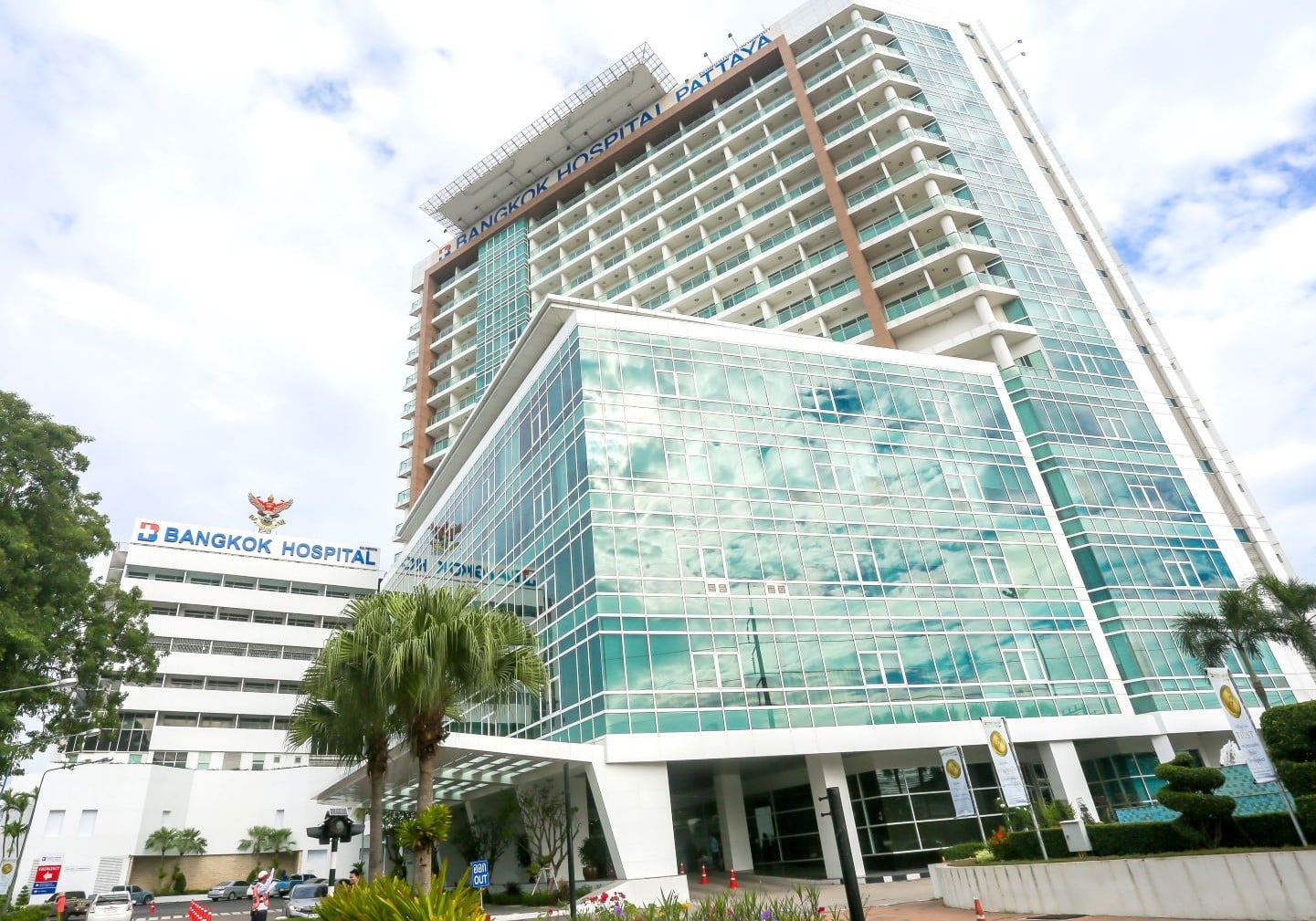
Perspectiva de los expertos de Bookimed: Los pacientes que buscan un alto nivel de seguridad deben priorizar los centros acreditados por la JCI, como el Bangkok Hospital Pattaya. Esta instalación atiende a 400,000 pacientes al año bajo estándares de calidad internacionales. Para casos complejos de cabeza y cuello, especialistas como el Dr. Prapas Teerakul en el Hospital Intrarat ofrecen experiencia académica. Elegir grupos hospitalarios establecidos garantiza el acceso a departamentos multidisciplinarios de otorrinolaringología y paquetes quirúrgicos estandarizados.
Sus beneficios y garantías con Bookimed
Precios directos
Bookimed no añade cargos extra a los precios de los tratamientos de Adenoides. Las tarifas proceden de las listas de precios oficiales de las clínicas. Pagará directamente en la clínica por su tratamiento a su llegada al país.
Sólo clínicas y médicos verificados
Bookimed está comprometido con su seguridad. Solo trabajamos con las clínicas que mantienen altos estándares internacionales en el tratamiento de Adenoides y cuentan con las licencias necesarias para atender a pacientes internacionales en todo el mundo.
Asistencia 24/7 gratuita
Bookimed ofrece asistencia experta gratuita. Un coordinador médico personal le apoya antes, durante y después de su tratamiento, resolviendo cualquier problema. Nunca estará solo en su viaje médico de tratamiento de Adenoides.

Su coordinador médico personal de Bookimed
- Le apoya en cada etapa
- Ayuda a elegir la clínica y el médico adecuados
- Asegura un acceso rápido y conveniente a la información
Descubra las mejores clínicas de tratamiento de Adenoides en Tailandia: 1 opciones verificadas y Precios



Obtenga una evaluación médica para Adenoides en Tailandia: consulte con doctores experimentados ahora
Ver todos los médicos
Dr Prapas Teerakul
El Dr. Prapas Teerakul se especializa en otorrinolaringología en el Hospital Intrarat, con una amplia formación en el Hospital Ramathibodi de la Universidad Mahidol.
- Profesor asistente en el Departamento de Otorrinolaringología del Hospital Ramathibodi
- Especializado en cirugía de cabeza y cuello
- Certificado en Otorrinolaringología por el Hospital Ramathibodi
Compartir contenido
Historias en video de pacientes de Bookimed
 Olena Sikoza
Preguntas frecuentes sobre el tratamiento de Adenoides en Tailandia
¿Es necesaria una estancia hospitalaria nocturna tras una adenoidectomía en Tailandia?
Por lo general, no se requiere una estancia hospitalaria nocturna para una adenoidectomía en Tailandia. La mayoría de los centros acreditados por la JCI realizan esta intervención de forma ambulatoria. Los pacientes suelen permanecer bajo observación entre 4 y 6 horas. Los niños y adultos sanos suelen regresar a casa el mismo día.
- Periodo de observación: Los pacientes permanecen de 4 a 6 horas para controlar la respiración y la deglución.
- Pacientes más jóvenes: Los médicos pueden recomendar una estancia de una noche para niños menores de 3 años.
- Criterios de seguridad: La estancia se produce si el paciente padece apnea del sueño o vive lejos.
- Alta clínica: Centros como el Hospital Intrarat siguen protocolos ambulatorios estándar para pacientes sanos.
Opinión de expertos de Bookimed: Aunque muchos piensan que las clínicas más pequeñas son más rápidas, el Bangkok Hospital Pattaya cuenta con una capacidad de 300 camas. Esto les permite convertir fácilmente las cirugías de día en estancias nocturnas si es necesario. Los centros de gran volumen suelen ofrecer opciones de observación más flexibles para los viajeros internacionales. Esta infraestructura garantiza la seguridad del paciente durante la ventana crítica de 6 horas tras la operación.
Consenso de los pacientes: Los pacientes señalan que el alta se produce rápi
¿Cuánto tiempo debo permanecer en Tailandia para una recuperación y seguimiento seguros?
La mayoría de los pacientes requieren de 7 a 10 días en Tailandia después del tratamiento de adenoides. Esta estancia asegura que los médicos monitoreen signos de hinchazón o sangrado poco común. Permite a los cirujanos proporcionar un certificado de aptitud para volar antes de su vuelo de regreso. La autorización médica es esencial para prevenir complicaciones por presión en los oídos durante el viaje aéreo.
- Estancia hospitalaria: La mayoría de los procedimientos requieren solo 1 noche de hospitalización para observación.
- Pico de hinchazón: La hinchazón localizada a menudo alcanza su punto máximo alrededor del día 4 o 5 después de la cirugía.
- Seguridad en el vuelo: Los cirujanos recomiendan esperar al menos 7 días antes de abordar un avión.
- Visita de seguimiento: Se realiza un control final de 5 a 7 días después del procedimiento para obtener la autorización.
Perspectiva del experto de Bookimed: Los centros médicos tailandeses como el Bangkok Hospital Pattaya operan bajo estándares JCI. Estos protocolos a menudo favorecen un alta más rápida que en los países occidentales. Sin embargo, nuestros datos muestran un volumen significativo de 400,000 pacientes anuales. Este alto volumen significa que cirujanos como el Dr. Prapas Teerakul supervisan muchas recuperaciones exitosas. Los pacientes aún deben reservar al menos 8 días para asegurars
¿Qué hospitales en Tailandia son más conocidos para la cirugía de adenoides?
Los mejores hospitales tailandeses para la cirugía de adenoides incluyen el Bumrungrad International Hospital y el Samitivej Children Hospital. Estas instalaciones cuentan con acreditación JCI y utilizan tecnología de fibra óptica para casos pediátricos. Otros centros reconocidos incluyen el Bangkok Hospital Pattaya y el Intrarat Hospital, donde cirujanos especialistas en otorrinolaringología realizan adenoidectomías mínimamente invasivas.
- Experiencia especializada: Cirujanos como el Dr. Prapas Teerakul se especializan en procedimientos avanzados de otorrinolaringología.
- Instalaciones acreditadas: El Bangkok Hospital Pattaya mantiene certificaciones de gestión de calidad JCI, Temos e ISO.
- Enfoque pediátrico: Samitivej se distingue por una clínica infantil dedicada para atención especializada.
- Volumen de pacientes: El Bangkok Hospital Pattaya trata a más de 400,000 pacientes internacionales y locales anualmente.
Perspectiva del experto de Bookimed: El Bangkok Hospital Pattaya sirve como el centro de diagnóstico principal para la costa este de Tailandia. Los datos muestran que opera 29 departamentos especializados. Este volumen permite una alta frecuencia quirúrgica entre sus 100 médicos. Los pacientes que buscan tratamiento fuera de Bangkok encuentran aquí una seguridad comparable a los estándares JCI sin la congestión del centro de la c
¿Qué técnicas quirúrgicas se utilizan para la extirpación de adenoides en Tailandia?
Los cirujanos tailandeses utilizan principalmente métodos mínimamente invasivos como la coblación y la adenoidectomía asistida por endoscopia. Estos procedimientos se realizan bajo anestesia general en instalaciones acreditadas. Los cirujanos utilizan energía de radiofrecuencia o cámaras de alta definición para mayor precisión. La mayoría de los pacientes regresan a casa y reanudan sus actividades normales en un plazo de 2 días.
- Tecnología de coblación: La energía de radiofrecuencia de baja temperatura disuelve el tejido mientras protege las áreas circundantes.
- Visualización endoscópica: Las cámaras de alta definición aseguran una extirpación completa y evitan que el tejido vuelva a crecer.
- Método de microdebridador: Una herramienta rotativa motorizada succiona y corta el tejido con alta precisión.
- Ablación por radiofrecuencia: La tecnología basada en energía reduce el tejido de manera efectiva sin utilizar el raspado manual tradicional.
Perspectiva del experto de Bookimed: Tailandia ocupa el octavo lugar a nivel mundial en volumen de turismo médico en nuestra red. Solo el Bangkok Hospital Pattaya atiende a 400.000 pacientes al año bajo los estándares JCI. Aunque el legrado tradicional está disponible, los centros especializados a menudo cuentan con especialistas pediátricos como el Dr. Prapas Teerakul. Este alto volumen permite a las c
¿Qué evaluaciones preoperatorias se realizan a los pacientes internacionales?
Las evaluaciones preoperatorias en Tailandia incluyen análisis de sangre, exámenes físicos y evaluaciones de aptitud para la anestesia. Los pacientes internacionales a menudo se someten a pruebas de detección de enfermedades infecciosas y revisiones de riesgos relacionados con los viajes. Las instalaciones acreditadas por la JCI, como el Bangkok Hospital Pattaya, estandarizan estos protocolos de seguridad. La mayoría de las pruebas se completan en el lugar en 1 o 2 días.
- Historial médico: Los cirujanos revisan cirugías previas, enfermedades crónicas y reacciones a la anestesia.
- Diagnóstico por imagen: Las radiografías de tórax detectan infecciones pulmonares y evalúan la salud respiratoria.
- Paneles de laboratorio: Los hemogramas completos y los perfiles de coagulación garantizan una cirugía segura.
- Examen de ORL: Especialistas como el Dr. Prapas Teerakul confirman la hipertrofia adenoidea mediante el historial clínico.
Perspectiva de expertos de Bookimed: Los centros médicos tailandeses manejan volúmenes masivos de pacientes; el Bangkok Hospital Pattaya atiende a 400.000 personas al año. Este alto rendimiento permite a las clínicas ofrecer paquetes optimizados de pruebas preadmisión. Estos paquetes de un día suelen ser más rápidos que coordinar múltiples pruebas individuales en casa. Las acreditaciones estandarizadas JCI y Temos garanti
¿Cuándo puede mi hijo volar a casa después de una adenoidectomía?
La mayoría de los niños pueden volar a casa de forma segura 14 días después de una adenoidectomía. Este período asegura que el niño permanezca cerca de una clínica en caso de sangrado. Los cambios en la presión de la cabina pueden causar un dolor de oído significativo antes de que el sitio quirúrgico sane por completo. Espere hasta que su cirujano confirme que la recuperación es completa.
- Cronograma de viaje: Los médicos recomiendan esperar de 10 a 14 días antes de volar.
- Riesgo de sangrado: El riesgo de hemorragia alcanza su punto máximo entre el día 5 y el día 10.
- Margen de recuperación: Manténgase a menos de 90 minutos del hospital durante 10 días.
- Aptitud para volar: Asegúrese de que el niño esté bien hidratado y que el dolor se controle por vía oral.
Perspectiva de expertos de Bookimed: Tailandia es un centro importante de otorrinolaringología con 146 clínicas que atienden a pacientes internacionales. Instalaciones acreditadas por la JCI como el Bangkok Hospital Pattaya atienden a más de 400,000 pacientes al año. Aunque algunos cirujanos permiten vuelos cortos después de 48 horas, nuestros datos muestran que una estancia de 14 días es más segura. Esto cubre la ventana de recuperación crítica cuando las costras postquirúrgicas generalmente se desprenden.
Consenso de los pacientes: Los padres sugieren quedarse
¿Ofrecen los hospitales tailandeses apoyo lingüístico y alojamiento familiar para turistas médicos?
Los hospitales tailandeses ofrecen un apoyo lingüístico integral y diversos alojamientos familiares para pacientes internacionales. Los centros principales ofrecen traducción gratuita y suites familiares en las instalaciones. Departamentos internacionales dedicados gestionan la logística y coordinan al personal multilingüe. La mayoría de las habitaciones privadas incluyen sofás-cama gratuitos para los familiares.
- Apoyo lingüístico: Intérpretes traducen más de 20 idiomas en centros de primer nivel.
- Suites hospitalarias: Las suites presidenciales y VIP pueden alojar a familias enteras dentro del hospital.
- Hoteles asociados: Los hospitales mantienen asociaciones con cadenas de lujo para estancias cercanas.
- Servicios de conserjería: Personal dedicado ayuda con las extensiones de visa y traslados al aeropuerto.
Opinión de expertos de Bookimed: El Bangkok Hospital Pattaya atiende a más de 400.000 pacientes al año bajo los estándares JCI. Los centros de alto volumen suelen ofrecer equipos lingüísticos más robustos. Elegir clínicas con acreditaciones internacionales a menudo garantiza el acceso a traducción médica profesional. Esto asegura que las instrucciones preoperatorias se entiendan claramente para procedimientos complejos.
Consenso de los pacientes: Los pacientes señalan que la traducción para idiomas comunes es e