Tendinitis calcificada Tratamiento en Polonia — Costos 2026


Revisado médicamente por
Fahad Mawlood
¿Cuál es el precio del diagnóstico y los tratamientos de Tendinitis calcificada en Polonia? Descubra ahora
Sus beneficios y garantías con Bookimed
Precios directos
Bookimed no añade cargos extra a los precios de los tratamientos de Tendinitis calcificada. Las tarifas proceden de las listas de precios oficiales de las clínicas. Pagará directamente en la clínica por su tratamiento a su llegada al país.
Sólo clínicas y médicos verificados
Bookimed está comprometido con su seguridad. Solo trabajamos con las clínicas que mantienen altos estándares internacionales en el tratamiento de Tendinitis calcificada y cuentan con las licencias necesarias para atender a pacientes internacionales en todo el mundo.
Asistencia 24/7 gratuita
Bookimed ofrece asistencia experta gratuita. Un coordinador médico personal le apoya antes, durante y después de su tratamiento, resolviendo cualquier problema. Nunca estará solo en su viaje médico de tratamiento de Tendinitis calcificada.

Su coordinador médico personal de Bookimed
- Le apoya en cada etapa
- Ayuda a elegir la clínica y el médico adecuados
- Asegura un acceso rápido y conveniente a la información
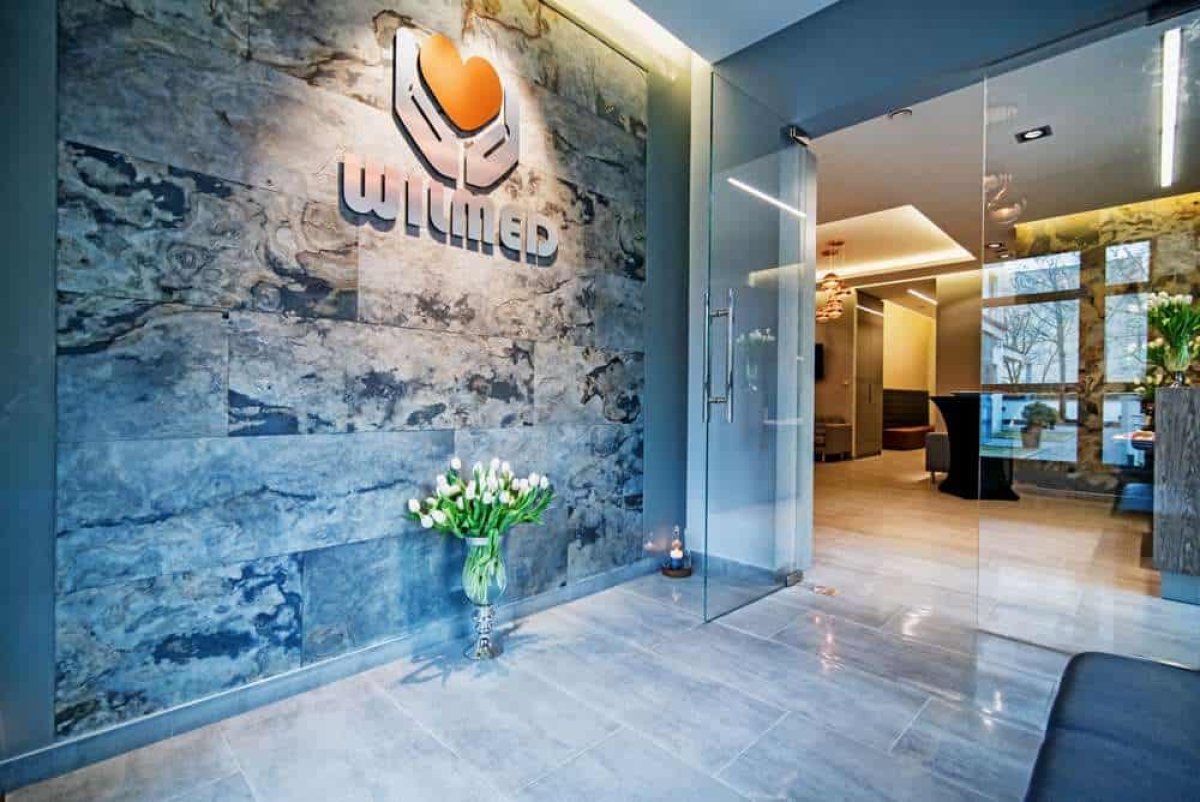
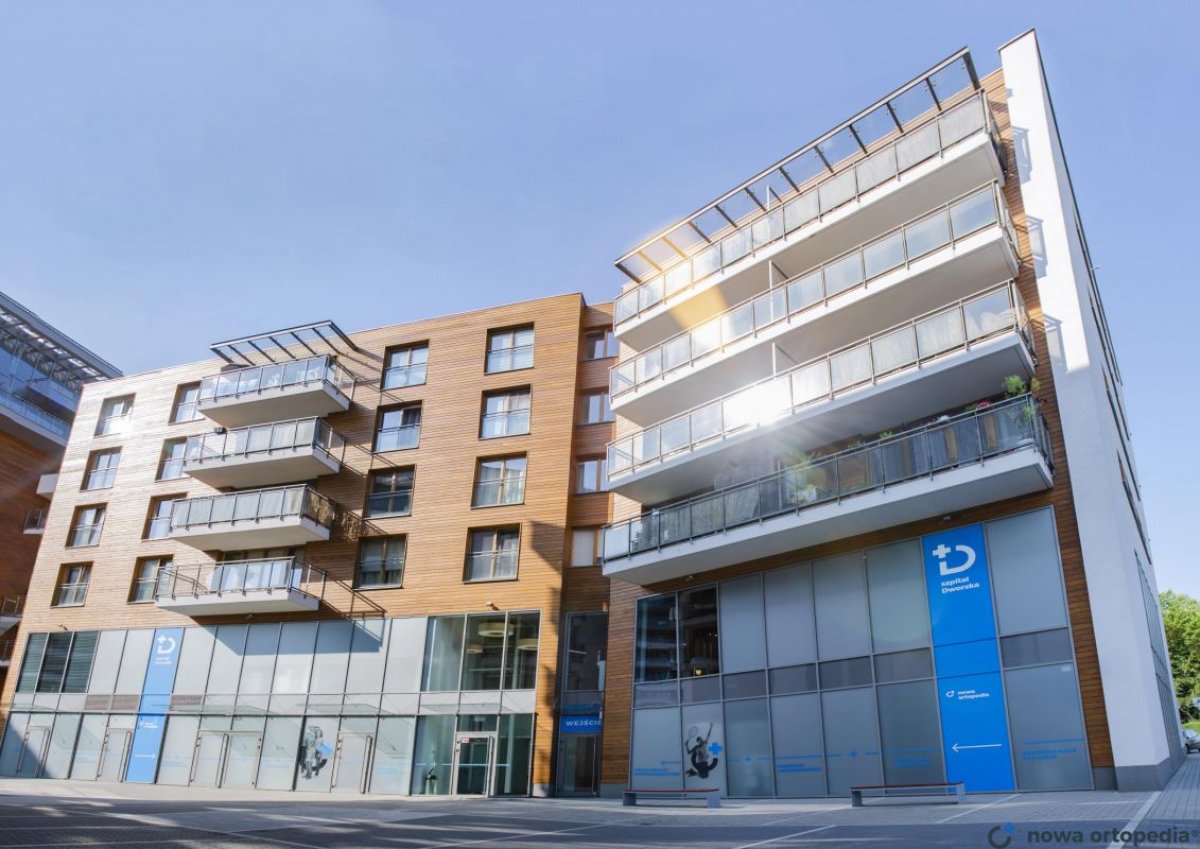
Descubra las mejores clínicas de tratamiento de Tendinitis calcificada en Polonia: 3 opciones verificadas y Precios
Obtenga una evaluación médica para Tendinitis calcificada en Polonia: consulte con doctores experimentados ahora
Ver todos los médicos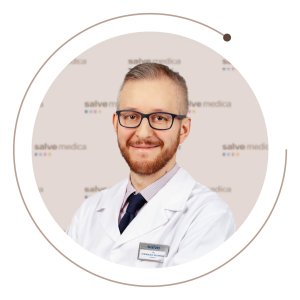
Stanislaw Klosinski
El Dr. Stanislaw Klosinski es especialista en ortopedia y traumatología musculoesquelética. Se graduó en 2013 en la Universidad de Ciencias Médicas de Poznań. Obtuvo el doctorado en ciencias médicas en 2021. Completó su residencia en la Universidad Médica de Łódź. Es cirujano de plantilla y docente en el Hospital Central de Enseñanza (CSK CKD). Realiza procedimientos avanzados.
Atiende a adultos y niños. Ofrece tratamiento no quirúrgico y técnicas quirúrgicas modernas. Brinda consultas
Compartir contenido
Historias en video de pacientes de Bookimed
 Olena Sikoza
Preguntas frecuentes sobre el tratamiento de Tendinitis calcificada en Polonia
¿Cuáles son los tratamientos no quirúrgicos más comunes para la tendinitis calcificante en las clínicas polacas?
La terapia de ondas de choque extracorpóreas y el lavado con aguja guiado por ultrasonido son los principales métodos no quirúrgicos en Polonia. Los especialistas utilizan estas técnicas para descomponer los depósitos de calcio y activar la curación. Estos enfoques a menudo reemplazan la cirugía. La mayoría de las clínicas priorizan los procedimientos mínimamente invasivos como el barbotaje para un alivio inmediato.
- Terapia de ondas de choque: Las ondas acústicas enfocadas interrumpen los cristales de calcio y mejoran el flujo sanguíneo.
- Lavado con aguja: Los médicos eliminan los depósitos utilizando solución salina bajo guía ecográfica continua.
- Electrólisis percutánea: La corriente galvánica aplicada a través de agujas induce la descomposición química del tejido.
- Terapia PRP: Las inyecciones de factores de crecimiento concentrados aceleran la remodelación biológica del tendón.
Perspectiva del experto de Bookimed: Los centros polacos como RMED Kopernika manejan grandes volúmenes de pacientes con personal especializado. Si bien muchas clínicas ofrecen terapia de ondas de choque, los resultados más eficientes a menudo provienen de combinar imágenes con intervención. Elegir un centro que realice procedimientos guiados por ultrasonido asegura que el depósito de calcio sea tratado específicamente en lugar de tratar un área general.
<
¿Cuándo recomiendan los especialistas polacos la cirugía artroscópica frente a las terapias conservadoras?
Los especialistas polacos recomiendan la cirugía artroscópica para la tendinitis calcificante cuando el dolor crónico persiste después de 3 a 6 meses de terapia conservadora. Las indicaciones incluyen bloqueo articular mecánico, depósitos endurecidos grandes o pérdida funcional grave. La cirugía se prioriza cuando el lavado guiado por ultrasonido o las inyecciones de esteroides no logran proporcionar un alivio duradero.
- Fracaso del tratamiento conservador: Se aconseja la cirugía si la fisioterapia intensiva no logra estabilizar la articulación.
- Bloqueo mecánico: Los especialistas recomiendan la artroscopia cuando las calcificaciones causan un bloqueo o enganche articular literal.
- Limitación funcional: Los procedimientos están indicados si los pacientes no pueden dormir o realizar las tareas diarias cómodamente.
- Daño estructural: Se prefiere la artroscopia cuando los depósitos coexisten con pinzamiento o desgarros del manguito rotador.
Perspectiva del experto de Bookimed: Los centros ortopédicos polacos como RMED Kopernika en Lodz enfatizan la recuperación funcional por encima de los resultados de las imágenes por sí solos. Aunque un depósito puede parecer grande en una radiografía, los especialistas a menudo retrasan la cirugía si la movilidad sigue siendo alta. Este enfoque refleja una tendencia nacional de utilizar la artroscopia como
¿Cómo es el cronograma de rehabilitación postoperatoria en Polonia?
La recuperación postoperatoria de la tendinitis calcificante en Polonia sigue un cronograma estructurado de 24 semanas. La mayoría de los ortopedistas polacos inician la fisioterapia ultra temprana dentro de las 24 horas. Los pacientes suelen alcanzar la autonomía funcional entre los 3 y 6 meses. La velocidad de recuperación depende de si los cirujanos también realizaron un desbridamiento del manguito rotador.
- Fase 1 (Días 1–7): Se centra en el control de la inflamación mediante crioterapia. Los cirujanos priorizan las revisiones del sitio quirúrgico.
- Fase 2 (Semanas 2–6): El objetivo principal es el rango de movimiento pasivo. Los pacientes a menudo comienzan con movimientos pendulares.
- Fase 3 (Semanas 6–12): Comienza el fortalecimiento activo para revertir la atrofia muscular. El objetivo es la simetría funcional.
- Fase 4 (Meses 3–6): Los pacientes restauran la capacidad de carga dinámica intensa. Esta fase permite el regreso a los deportes.
Perspectiva del experto de Bookimed: Las clínicas polacas como RMED Kopernika atienden a más de 6,000 pacientes al año. Observamos que los protocolos europeos para la recuperación del hombro suelen ser más conservadores que los estándares estadounidenses. Elegir un centro con rehabilitación integrada evita el período de espera de 30 días para la derivación, común en la atención pública.
¿Puedo volar a casa inmediatamente después de someterme a un procedimiento?
Los plazos de viaje después del tratamiento de la tendinitis calcificante en Polonia dependen del tipo de procedimiento. Las punciones mínimamente invasivas guiadas por ultrasonido a menudo permiten viajar dentro de las 24 horas. Los pacientes que se someten a cirugía artroscópica generalmente requieren de 3 a 7 días antes de volar. Este tiempo de espera ayuda a controlar los cambios de presión en la cabina y evita los coágulos sanguíneos.
- Intervenciones menores: Espere 24 horas después de un lavado o inyecciones de esteroides antes de volar a casa.
- Cirugía artroscópica: Planee quedarse de 3 a 7 días para la cicatrización inicial de la herida.
- Recuperación quirúrgica: La mayoría de los pacientes necesitan 72 horas para que la anestesia se elimine completamente del sistema.
- Prevención de coágulos sanguíneos: Los vuelos cortos requieren mover los brazos y las piernas para mantener la circulación.
Perspectiva del experto de Bookimed: Las clínicas en Polonia como RMED Kopernika atienden a miles de pacientes internacionales anualmente. Aunque la autorización médica para un lavado simple a menudo ocurre el mismo día, muchas clínicas recomiendan un margen de 48 horas. Este período permite que la inflamación inicial disminuya antes de pasar por la seguridad del aeropuerto. Los ortopedistas polacos a menudo recetan medicamentos antiinflamatorios
¿Qué ciudades e instalaciones médicas son las mejores para el tratamiento ortopédico en Polonia?
Varsovia, Cracovia y Jelenia Góra son los principales centros ortopédicos de Polonia. Estas ciudades albergan instalaciones con acreditaciones JCI e ISO. Ofrecen tratamientos avanzados como cirugía robótica y procedimientos guiados por ultrasonido. Centros como el Carolina Medical Center y la KCM Clinic brindan atención especializada para afecciones musculoesqueléticas complejas.
- Varsovia: La ciudad principal para medicina deportiva y cirugías avanzadas asistidas por robot.
- KCM Clinic: Un Centro de Excelencia Zimmer Biomet en Jelenia Góra para procedimientos mínimamente invasivos.
- Hospital Universitario: Una instalación masiva con sede en Cracovia que gestiona traumas complejos y casos ortopédicos multidisciplinarios.
- Carolina Medical Center: Centro Médico de Excelencia certificado por la FIFA ubicado en Varsovia para atletas de élite.
Perspectiva de expertos de Bookimed: Los datos sobre el volumen de pacientes sugieren que las clínicas polacas de primer nivel atienden a más de 6,000 pacientes al año. Mientras que las instalaciones de alta tecnología como el Carolina Medical Center se centran en sistemas robóticos de rodilla, centros como AllMedica priorizan la movilidad rápida. Para la tendinitis calcificante, elegir clínicas que ofrezcan imágenes y rehabilitación en el mismo lugar generalmente garantiza tiempos de recuperación más ráp
¿Qué tan alta es la calidad de la neurocirugía en Polonia?
La neurocirugía en Polonia ofrece atención de alta calidad en centros con certificación JCI e ISO. Los neurocirujanos polacos se adhieren a estrictos estándares de formación adoptados por la Unión Europea. Muchos han completado becas en Estados Unidos o Alemania. Tecnologías avanzadas, como CyberKnife, Gamma Knife y sistemas robóticos, están ampliamente disponibles en centros privados.
- Cualificaciones especializadas: Los médicos suelen ser miembros de la Asociación Europea de Sociedades de Neurocirugía.
- Tecnologías avanzadas: Las clínicas utilizan sistemas CyberKnife y ultrasonido enfocado guiado por resonancia magnética para el tratamiento cerebral no invasivo.
- Volumen clínico: Centros líderes como el Hospital Universitario de Cracovia tratan a más de 455.000 pacientes al año.
- Cirujanos experimentados: El Dr. Maciej Bujko del Hospital Carolina ha realizado más de 2.500 cirugías por su cuenta.
Opinión experta de Bookimed: Los datos muestran una fuerte correlación entre la especialización de una clínica y el origen de sus pacientes. La Clínica KCM atiende a más de 700 pacientes internacionales al año. Se especializa en cirugía de columna mínimamente invasiva. Este volumen de trabajo le permite ofrecer paquetes de servicios especializados, que a menudo incluyen bloques de diagnóstico e implantes específicos, como el DIAM de Medtronic.
¿Cuáles son las cualificaciones de los neurocirujanos polacos?
Los neurocirujanos polacos son especialistas altamente cualificados que han completado al menos 13 años de rigurosa formación médica. Esto incluye seis años de estudios de medicina, 13 meses de prácticas y seis años de residencia. Deben aprobar el Examen Estatal de Especialización (PES) y suelen estar certificados por la Asociación Europea de Sociedades de Neurocirugía (EANS).
- Educación: Los médicos reciben educación médica (medicina) después de 6 años de estudio en la universidad.
- Especialización: La residencia incluye 6 años de formación modular en neurocirugía clínica y neurorradiología.
- Volumen quirúrgico: Los residentes a menudo realizan más de 1.000 cirugías, lo que excede el volumen de capacitación promedio en otras regiones.
- Certificados: Muchos especialistas son miembros de AO Spine o de la Sociedad Polaca de Cirugía de Columna.
Opinión experta de Bookimed: Los datos muestran que los neurocirujanos polacos suelen especializarse en tecnologías altamente especializadas, como el sistema ApiFix o el sistema de endoscopia lumbar SED-YESS. Especialistas como el Dr. Stanisław Kwek, de la Clínica KCM, combinan la investigación postdoctoral con una práctica quirúrgica activa. Esta combinación de profundos conocimientos académicos y un alto volumen quirúrgico los hace especialmente eficaces en cirugías de columna complejas y mínimamente in
¿Cuáles son las mejores clínicas neuroquirúrgicas en Polonia?
Entre las mejores clínicas neuroquirúrgicas de Polonia se encuentran el Hospital Carolina, la Clínica KCM y centros académicos de primer nivel como el Hospital Universitario de Cracovia. Estas instituciones ofrecen tratamientos de vanguardia para enfermedades de la columna vertebral y el cerebro que cumplen con los estándares de calidad ISO y emplean a especialistas miembros de organizaciones internacionales como AO Spine.
- Hospital Carolina: Centro Médico de Excelencia FIFA, especializado en cirugías de columna complejas y mínimamente invasivas.
- Clínica KCM: Reconocida internacionalmente por la calidad de sus procedimientos endoscópicos de columna, atendiendo a más de 700 pacientes internacionales anualmente.
- Hospital Universitario de Cracovia: un gran centro multidisciplinario que realiza más de 800 operaciones neuroquirúrgicas al año desde 1788.
- Luxmed: un reconocido centro médico privado en Varsovia especializado en cirugía de columna avanzada para pacientes internacionales.
Opinión experta de Bookimed: Si bien muchos buscan los hospitales más grandes, los datos muestran que clínicas como el Hospital Carolina ofrecen mayor eficiencia para cirugías electivas. Con más de 40 médicos especialistas en este centro de 30 camas, la proporción médico-paciente es significativamente mayor que en los centros universitarios públicos. Esto se traduc
¿Qué procedimientos neuroquirúrgicos se realizan con más frecuencia en Polonia?
En Polonia, la neurocirugía se centra principalmente en cirugías de columna y extirpación de tumores cerebrales. Los hospitales realizan con frecuencia microdiscectomías, fusiones espinales y estimulación cerebral profunda. Centros como el Hospital Carolina y la Clínica KCM utilizan técnicas mínimamente invasivas para tratar hernias discales, lesiones de columna y trastornos neurológicos complejos.
- Cirugía de columna: La discectomía y la laminectomía son tratamientos comunes para los discos herniados.
- Neurooncología: Los especialistas realizan cirugías para extirpar tumores cerebrales utilizando equipos modernos como la tecnología CyberKnife.
- Neurocirugía funcional: la estimulación cerebral profunda (ECP) se utiliza ampliamente para los trastornos del movimiento.
- Técnicas mínimamente invasivas: Los cirujanos utilizan técnicas endoscópicas para descomprimir la columna y tratar tumores pituitarios.
Opinión experta de Bookimed: Polonia se ha convertido en un centro de estabilización espinal especializada. Clínicas como el Hospital Carolina colaboran con equipos deportivos nacionales, lo que refleja su alto nivel de experiencia en el tratamiento de lesiones espinales complejas. Nuestros datos muestran que estas instituciones suelen integrar la rehabilitación directamente en el tratamiento quirúrgico. Esta combinación reduce el riesgo de compl
¿Está disponible la rehabilitación neurológica?
La rehabilitación neurológica está ampliamente disponible en Polonia a través de centros especializados y hospitales multidisciplinarios. Los programas abarcan la recuperación tras un accidente cerebrovascular, una lesión medular y enfermedades degenerativas. Instituciones como el Hospital Karolina de Varsovia y la Clínica KCM ofrecen terapia supervisada. La mayoría de los programas neuroquirúrgicos incluyen una evaluación inicial de rehabilitación postoperatoria.
- Terapias disponibles: Los programas incluyen neurofisioterapia, terapia ocupacional y terapia del habla.
- Instituciones líderes: El Hospital Carolina y el Centro Médico ENEL-MED en Varsovia ofrecen rehabilitación.
- Personal calificado: Neurofisioterapeutas especializados trabajan con neurocirujanos para crear planes de tratamiento individualizados.
- Alcance: La rehabilitación tiene como objetivo restaurar la movilidad, el equilibrio y las funciones cognitivas después de intervenciones quirúrgicas complejas.
Opinión experta de Bookimed: Los datos muestran que las clínicas con una gran afluencia de pacientes internacionales, como la Clínica KCM, suelen incluir rehabilitación básica en sus paquetes quirúrgicos. Esto supone una ventaja significativa, ya que coordinar la neurorrehabilitación de forma independiente en Polonia puede ser complicado. Elegir una clínica con un especialista e