Ir a inicio
820К+ pacientes han recibido asistencia desde 2014
50 países
1,500 clínicas
6K+ reseñas
3K+ médicos calificados

¿Cuál es el precio del diagnóstico y los tratamientos de Tendinitis calcificada en Corea del Sur? Descubra ahora

El precio se proporciona bajo petición

Sus beneficios y garantías con Bookimed

Precios directos

Bookimed no añade cargos extra a los precios de los tratamientos de Tendinitis calcificada. Las tarifas proceden de las listas de precios oficiales de las clínicas. Pagará directamente en la clínica por su tratamiento a su llegada al país.

Sólo clínicas y médicos verificados

Bookimed está comprometido con su seguridad. Solo trabajamos con las clínicas que mantienen altos estándares internacionales en el tratamiento de Tendinitis calcificada y cuentan con las licencias necesarias para atender a pacientes internacionales en todo el mundo.

Asistencia 24/7 gratuita

Bookimed ofrece asistencia experta gratuita. Un coordinador médico personal le apoya antes, durante y después de su tratamiento, resolviendo cualquier problema. Nunca estará solo en su viaje médico de tratamiento de Tendinitis calcificada.

¿Por qué nosotros?

Su coordinador médico personal de Bookimed

  • Le apoya en cada etapa
  • Ayuda a elegir la clínica y el médico adecuados
  • Asegura un acceso rápido y conveniente a la información

Descubra las mejores clínicas de tratamiento de Tendinitis calcificada en Corea del Sur: 1 opciones verificadas y Precios
El ranking de clínicas de Bookimed se basa en algoritmos de data science, ofreciendo una comparación confiable, transparente y objetiva. Tiene en cuenta la demanda de pacientes, las puntuaciones de reseñas (positivas y negativas), la frecuencia de actualización de opciones de tratamiento y precios, la rapidez de respuesta y las certificaciones de las clínicas.

Obtenga una evaluación médica para Tendinitis calcificada en Corea del Sur: consulte con doctores experimentados ahora

Ver todos los médicos
verificado

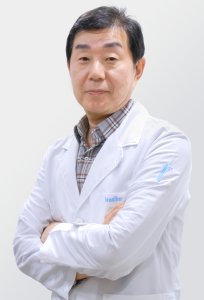
Lee Dongyeop

23 años de experiencia

El Dr. Lee Dongyeop es cirujano ortopédico especializado en artroscopia y reemplazo articular. Realiza cirugía artroscópica (endoscopia articular) y reemplazo total de rodilla. Trata trastornos del hombro, lesiones deportivas y afecciones crónicas de la rodilla.

Credenciales: Programa combinado de M.D.-Ph.D., Escuela de Posgrado de Medicina de la Universidad Católica de Corea. Internado y residencia en cirugía ortopédica, Centro Médico Católico de la Universidad Católica de Corea. Instructor clínico (fellow), Hospital St. Mary's de Seúl, Universidad Católica de Corea.

verificado

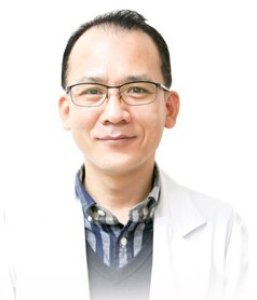
Jang Hyo Kim

36 años de experiencia

El Dr. Jang Hyo Kim es cirujano ortopédico centrado en la preservación articular y la reconstrucción compleja. Se especializa en artroscopia de hombro, rodilla, tobillo, codo y muñeca. Realiza reemplazos articulares de hombro, rodilla, tobillo, codo y cadera. En columna, realiza instrumentación y fusiones cervicales y lumbares. También efectúa discectomías, laminectomías, neuroplastias y vertebroplastias. Su práctica incluye el tratamiento de fracturas y la reparación de músculos y ligamentos.

Es profesor adjunto en la Universidad Kyung Hee. Se desempeña como director del Centro de Articulaciones en Very Good Hospital. Anteriormente fue jefe o director en los hospitales Yeonggwang General, Songjeong Sarang, Sewoori–Daejeon, Seoul Welfare y The Barun. Fue miembro asesor de la Junta de Compensación Laboral de Gwangju–Jeonnam. Es miembro de pleno derecho de la Korean Orthopaedic Association (KOA) y de las sociedades coreanas de Artroscopia, Rodilla, Medicina del Deporte, Cadera, Dolor y Obesidad. Cuenta con certificación en terapia TPI. Completó una beca Ilizarov en Kurgan, Rusia. También completó formación en artroscopia de hombro.

Compartir contenido

Historias en video de pacientes de Bookimed

Dayana
Combiné mis vacaciones en Antalya con un chequeo médico.
Procedimiento: Chequeo femenino
Igor
¡Fue genial! Traslados, alojamiento, tratamiento, todo incluido.
Procedimiento: Implante dental
Clínica: WestDent Clinic
Marina
Bookimed se encargó de todo. No tuve que preocuparme por nada.
Procedimiento: Chequeo femenino
Actualizado: 06/30/2026
Escrito por
Olena Sikoza
Olena Sikoza
Сopywriter en español
Copywriter médica certificada responsable del contenido en español de Bookimed. Más de 7 años de experiencia en redacción sobre salud y turismo médico, con formación académica en edición científica y desarrollo de contenidos.
Fahad Mawlood
Editor médico y Científico de datos
Médico general. Ganador de 4 premios científicos. Sirvió en Asia Occidental. Es el ex jefe del equipo médico que soporta a pacientes de habla árabe. Ahora es responsable del procesamiento de datos y la precisión del contenido médico.
Fahad Mawlood Linkedin
Esta página puede incluir información relacionada con diversas afecciones médicas, tratamientos y servicios de salud disponibles en diferentes países. Tenga en cuenta que el contenido se proporciona sólo con fines informativos y no debe interpretarse como asesoramiento médico o orientación. Por favor consulte con su médico o con un profesional médico calificado antes de comenzar o cambiar el tratamiento médico.

Preguntas frecuentes sobre el tratamiento de Tendinitis calcificada en Corea del Sur

Estas preguntas frecuentes provienen de pacientes reales que buscan atención médica a través de Bookimed. Las respuestas son proporcionadas por coordinadores médicos experimentados y representantes autorizados de las clínicas.

What is the most effective first-line treatment for calcific tendinitis in Republic of Korea?

Non-operative care is the primary first-line treatment for calcific tendinitis in the Republic of Korea. Specialists utilise ultrasound-guided needling and extracorporeal shock wave therapy (ESWT) to break down calcium deposits. These procedures often occur alongside anti-inflammatory medication and physiotherapy to restore full shoulder mobility.

  • Specialised needling: Ultrasound-guided barbotage washes out calcium deposits for rapid functional recovery.
  • Shock wave therapy: Non-invasive ESWT triggers natural reabsorption of deposits in chronic cases.
  • Steroid injections: Subacromial corticosteroid injections provide immediate pain relief during acute flares.
  • Physiotherapy focus: Targeted exercises prevent shoulder stiffness and improve range of motion.

Bookimed Expert Insight: Korean orthopaedic centres like Naeun Hospital serve over 500,000 patients annually. This creates a high-volume environment for musculoskeletal care. Leading surgeons such as Dr Seong Hyun Kim and Dr Jang Hyo Kim possess over 30 years of experience. They also hold specialised certifications in orthopaedic ultrasound. This depth of expertise allows Korean clinics to offer ultrasound-guided needling as a standard office procedure. In many other regions, it remains a specialised referral.

Patient Consensus: Patients find that ultrasound-guided needle lavage offers the fastest relief for severe pain. It is faster than other options. Many highlight that combining shockwave and physical therapy effectively manages symptoms. This can help them avoid surgery in South Korea.

How effective is Extracorporeal Shockwave Therapy (ESWT) for calcific tendinitis in Republic of Korea?

Extracorporeal Shockwave Therapy (ESWT) is highly effective for calcific tendinitis in South Korea. Success rates for pain relief and functional improvement range between 30% and 85%. Specialists use this non-surgical method to break down calcium deposits. Results typically appear within 3 to 6 months post-treatment.

  • Functional recovery: Korean clinics report significant improvements in shoulder mobility and functional scores.
  • Deposit reduction: High-energy shockwaves effectively disintegrate calcific deposits in chronic shoulder cases.
  • Energy levels: High-energy settings over 0.28 mJ/mm² provide better functional outcomes for patients.
  • Clinical protocols: Doctors often schedule 6 weekly cycles for gradual tissue repair.

Bookimed Expert Insight: South Korea's high patient volume means doctors manage diverse musculoskeletal cases. For example, NAEUN hospital serves 500,000 patients annually. Specialists such as Dr Seong Hyun Kim bring 30+ years of experience to these treatments. This clinical depth means experts can accurately identify patients with Gartner Type I calcification. These patients may need specialised care beyond standard shockwave sessions.

Patient Consensus: Patients note that ESWT provides gradual relief rather than an instant fix. Four to six sessions typically restore pain-free sleep and improve arm movement in Korea.

When is surgery necessary for calcific tendinitis in Republic of Korea?

Korean specialists recommend surgery for calcific tendinitis. This is when pain persists after 6 months of conservative care. Operation is necessary for deposits over 10 mm or those causing rotator cuff tears. Top surgeons use arthroscopy to remove calcium and restore shoulder movement.

  • Failed conservative care: Surgery is required if physiotherapy and shockwave therapy fail after 6 months.
  • Deposit size: Deposits exceeding 10 mm often require surgical removal to prevent tendon damage.
  • Functional loss: Specialists operate when severe stiffness or weakness prevents normal arm lifting.
  • Structural damage: Surgery is necessary if calcification occurs alongside a significant rotator cuff tear.

Bookimed Expert Insight: South Korean orthopaedic care stands out. Major facilities like Naeun Hospital manage 500,000 patients annually. This massive volume means surgeons constantly refine their arthroscopic techniques. Doctors like Dr Lee Dongyeop, who holds an MD-PhD, combine clinical research with high-frequency surgery. This depth of academic and practical experience leads to high success rates. Reported rates exceed 90% for complex shoulder cases.

Patient Consensus: Patients note that delaying surgery for large deposits often worsens stiffness. It also causes loss of arm function. Many find that recovery takes months. However, the procedure finally resolves chronic pain. This pain could not be fixed by multiple injections in the Republic of Korea.

How long does recovery from calcific tendinitis treatment in Republic of Korea take?

Recovery from calcific tendinitis treatment in the Republic of Korea depends on the procedure type. Non-surgical options like barbotage often provide pain relief within 1 to 3 weeks. Arthroscopic surgery requires more time. Most patients achieve full stability and functional recovery within 6 months.

  • Surgical recovery: Complete pain resolution and functional movement typically require 6 months or more.
  • Barbotage relief: This ultrasound-guided needling often resolves acute pain within 1 to 3 weeks.
  • Initial movement: Surgeons generally start immediate motion exercises after surgery to prevent joint stiffness.
  • Specialist expertise: Surgeons like Dr Seong Hyun Kim bring over 30 years of musculoskeletal experience.
  • Quality standards: Centres like NAEUN HOSPITAL hold KOIHA accreditation, meeting strict international safety standards.

Bookimed Expert Insight: Korean orthopaedic specialists often use a multidisciplinary approach bridging surgery and regenerative medicine. Dr Jang Hyo Kim at Leadheal Hospital is an adjunct professor. He has specialised training in shoulder arthroscopy. This academic focus means patients often receive the latest clinical techniques. Choosing a government-designated regenerative medicine centre like NAEUN HOSPITAL may provide access to tissue therapies alongside standard rehab. This combination can support faster tendon healing in complex chronic cases.

Patient Consensus: Patients in the Republic of Korea report that steroid injections or needle lavage can stop intense pain. Relief can come within days. Light activities often resume in 3 weeks. However, many note that heavy lifting or overhead reaching takes 6 to 9 months post-surgery.

Can calcific tendinitis be resolved without surgery in Republic of Korea?

Calcific tendinitis is often resolved without surgery in South Korea. Over 90% of patients recover through conservative methods like shockwave therapy or ultrasound-guided needling. Expert orthopaedic specialists in Seoul and Incheon prefer these non-invasive treatments. Success usually comes within 12 to 18 months.

  • Shockwave therapy: Extracorporeal shock wave therapy (ESWT) breaks down calcium and reduces pain.
  • Ultrasound-guided barbotage: Specialists use needles to aspirate deposits under precise ultrasound guidance.
  • Steroid injections: Specialists deliver targeted injections to manage acute inflammation and severe pain.
  • Physical therapy: Tailored rehabilitation programmes restore range of motion and joint function.

Bookimed Expert Insight: South Korea's orthopaedic centres, like Naeun Hospital, treat up to 500,000 patients annually. This massive volume means doctors like Dr Seong Hyun Kim, with 30+ years of experience, have handled thousands of calcific cases. They often suggest trigger point injections or regenerative therapies before considering theatre. This depth of expertise helps patients avoid surgery for all but the most chronic cases.

Patient Consensus: Patients note that even small calcium deposits can cause intense pain. They often find relief through shockwave therapy and ultrasound-guided lavage in Korea, so they can skip surgery. Rest and icing are essential while waiting for the deposits to eventually resolve.

What is ultrasound-guided needle lavage (barbotage) for calcific tendinitis in Republic of Korea?

Ultrasound-guided needle lavage, known as barbotage, is a non-surgical treatment for calcific tendinitis. In the Republic of Korea, specialists locate calcium deposits with real-time ultrasound. They then aspirate them through fine needles. The procedure takes 20–30 minutes. It achieves success rates of approximately 85% for rotator cuff cases.

  • Procedure method: Surgeons insert fine needles under local anaesthesia to wash out calcium deposits with saline.
  • Imaging precision: Real-time ultrasound guidance allows accurate needle placement without radiation exposure for the patient.
  • Clinical results: Most patients report significant pain reduction and improved shoulder function within 6 weeks.
  • Specialist expertise: Surgeons like Dr Seong Hyun Kim bring 30+ years of experience in musculoskeletal ultrasound.

Bookimed Expert Insight: South Korean orthopaedic centres demonstrate a deep focus on non-operative joint preservation. Leading specialists like Dr Jang Hyo Kim hold multiple memberships in ultrasound and arthroscopic societies. This concentration of expertise allows clinics such as NAEUN HOSPITAL to handle 500,000 patients annually. These government-designated facilities maintain consistently high medical standards for international cases.

Patient Consensus: Patients find the procedure quick and tolerable because the area is numbed. Many find watching the ultrasound screen reassuring. Some experience a temporary pain flare. However, most report restored motion and significant relief within days after the calcium is removed.

Pedir una consulta gratis

Seleccione la mejor manera de contactarle