Clínica dental RIKOTA
Polonia, Varsovia


Revisado médicamente por
Fahad Mawlood
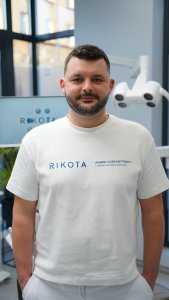
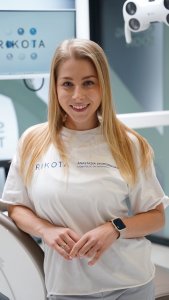
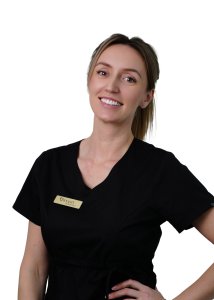
La Dra. Tetiana Pererva es ortodoncista en Dynasty Stomatology en Cracovia. Se centra en el sistema estomatognático para garantizar una corrección estable de la mordida. La Dra. Pererva trata tanto a niños como a adultos. Utiliza protocolos de fotografía digital para cada caso. Su trabajo ayuda a prevenir anomalías graves en la primera infancia.
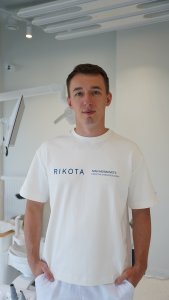
 Olena Sikoza
Una consulta inicial de periodontitis en Polonia implica una evaluación diagnóstica integral de la salud de las encías. Los especialistas utilizan sondas periodontales para medir la recesión tisular. Los diagnósticos digitales como las tomografías computarizadas (TC) y las radiografías panorámicas evalúan la densidad ósea. Estas citas de 30 a 60 minutos establecen un plan personalizado para la terapia periodontal.
Perspectiva del experto de Bookimed: Los centros dentales polacos modernos se centran en diagnósticos holísticos antes de comenzar cualquier terapia de encías. La Dra. Tetiana Pererva de Dynasty Stomatology comienza cada caso con un análisis estomatognático completo. Esto asegura que el plan de tratamiento aborde la función subyacente de la mandíbula en lugar de solo la inflamación superficial. Elegir centros con más de
La intervención quirúrgica para la periodontitis es necesaria cuando el raspado y alisado radicular no quirúrgico no logra eliminar la infección profunda. Es necesaria para bolsas de más de 5 mm e inflamación persistente. La cirugía repara una pérdida ósea significativa o una recesión gingival grave para estabilizar los dientes y prevenir su pérdida.
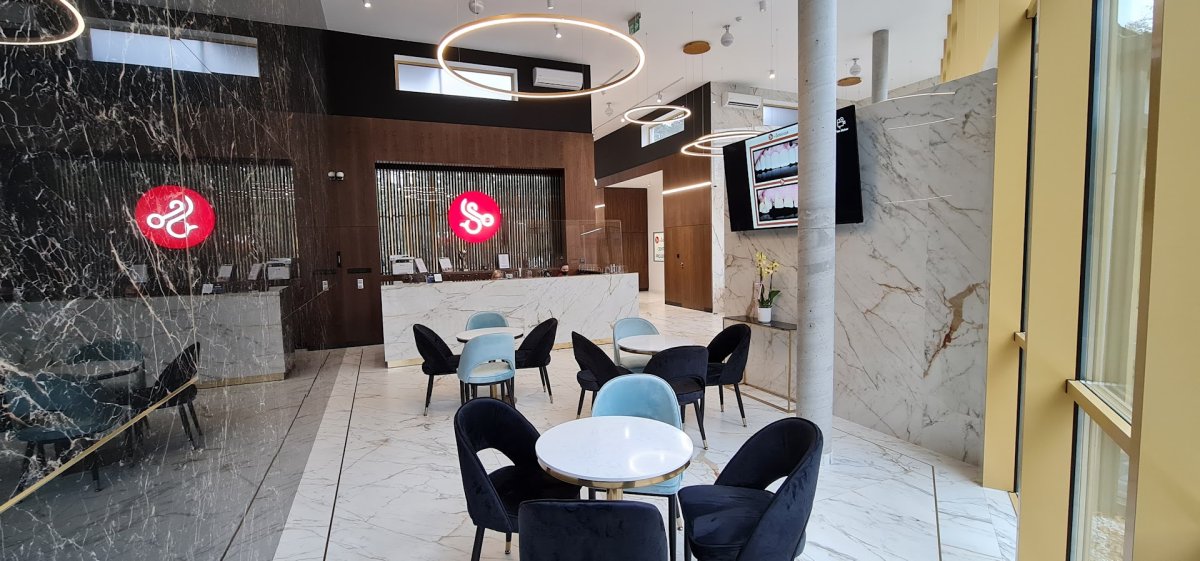
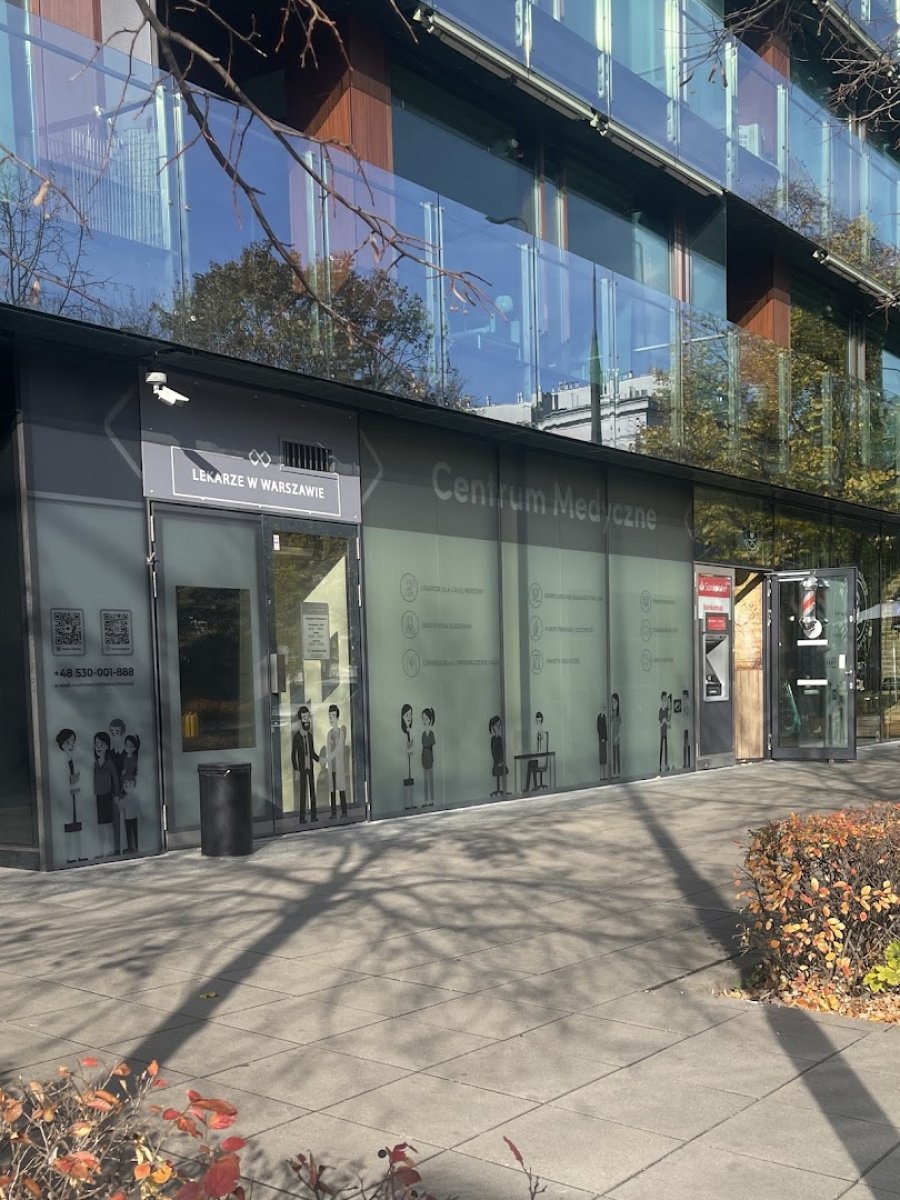
Perspectiva del experto de Bookimed: El volumen de pacientes a menudo indica fiabilidad clínica en Polonia. La clínica dental RIKOTA en Varsovia atiende a más de 60 000 pacientes al año. Los centros de gran volumen a menudo ofrecen diagnósticos integrados como protocolos fotográficos y tomografías computarizadas. Esto ayuda a especialistas como la Dra. Tetiana Pererva a garantizar resultados predecibles para casos periodontales complejos.
Consenso de los pacientes:
La mayoría de los pacientes deben permanecer en Polonia de 3 a 7 días después de un tratamiento periodontal quirúrgico. El plazo exacto depende de la complejidad del procedimiento y del seguimiento requerido. Las reducciones de bolsas menores requieren de 2 a 3 días. La regeneración ósea compleja o los injertos suelen requerir una semana completa por seguridad.
Perspectiva del experto de Bookimed: Los centros de gran volumen como la Clínica Dental RIKOTA atienden a 60.000 pacientes al año. Esta escala masiva sugiere protocolos postoperatorios altamente optimizados. Las grandes clínicas a menudo ofrecen diagnósticos integrales, incluidas tomografías computarizadas in situ. Esto acelera la autorización final para volar en comparación con las consultas más pequeñas.
Consenso de los pacientes: Los pacientes enfatizan mantener un horario flexible porque
Los tratamientos no quirúrgicos de la periodontitis en Polonia priorizan la eliminación del biofilm y el control de la inflamación. Los centros dentales polacos utilizan el raspado y alisado radicular como la intervención estándar de oro. Las opciones avanzadas incluyen la terapia Vector y la Guided Biofilm Therapy para eliminar las bacterias subgingivales y restaurar la salud de las encías.
Perspectiva del experto de Bookimed: La clínica dental RIKOTA en Varsovia cuenta con un equipo de 60 especialistas para atender a sus 60,000 pacientes anuales. Las clínicas a gran escala como esta a menudo brindan opciones no quirúrgicas más integrales en un solo lugar. Este alto volumen de pacientes generalmente garanti
El tratamiento periodontal en Polonia puede realizarse bajo diversas formas de sedación para controlar la ansiedad dental y garantizar la comodidad. Las clínicas polacas autorizadas ofrecen óxido nitroso, sedación intravenosa (IV) y opciones farmacológicas orales. Estos métodos se utilizan con frecuencia para procedimientos complejos como la limpieza profunda, los injertos de encías y la reconstrucción quirúrgica.
Perspectiva del experto de Bookimed: Polonia se ha convertido en un importante centro dental, atendiendo a 60,000 pacientes al año en centros de alta capacidad como la Clínica Dental RIKOTA. Nuestros datos muestran que las instalaciones modernas en Cracovia y Varsovia priorizan el diagnóstico integral, a menudo manejando tomografías com
Evite comer hasta que pase el efecto de la anestesia local para prevenir lesiones en la lengua o las mejillas. Durante 24 a 48 horas, evite el uso de pajitas y el consumo de alimentos calientes para proteger los coágulos sanguíneos en proceso de curación. Opte por alimentos tibios y blandos, masticando solo por el lado no tratado de la boca.
Perspectiva del experto de Bookimed: El volumen de pacientes en centros importantes como la Clínica Dental RIKOTA, que atiende a 60 000 pacientes al año, destaca la importancia de un cuidado posterior estandarizado. Aunque las clínicas en Polonia cuestan entre un 40 % y un 50 % menos que en Escandinavia, los protocolos clínicos de recuperación siguen siendo idénticos. Elegir un centro con diagnóstico in situ, como la Dental Clinic Dynasty Stomatology, garantiza que su periodoncista pueda monitorear la cicatrización del tejido con precisión durante los seguimientos.
Consenso de los pacient
La neurocirugía en Polonia ofrece atención de alta calidad en centros con certificación JCI e ISO. Los neurocirujanos polacos se adhieren a estrictos estándares de formación adoptados por la Unión Europea. Muchos han completado becas en Estados Unidos o Alemania. Tecnologías avanzadas, como CyberKnife, Gamma Knife y sistemas robóticos, están ampliamente disponibles en centros privados.
Opinión experta de Bookimed: Los datos muestran una fuerte correlación entre la especialización de una clínica y el origen de sus pacientes. La Clínica KCM atiende a más de 700 pacientes internacionales al año. Se especializa en cirugía de columna mínimamente invasiva. Este volumen de trabajo le permite ofrecer paquetes de servicios especializados, que a menudo incluyen bloques de diagnóstico e implantes específicos, como el DIAM de Medtronic.
Los neurocirujanos polacos son especialistas altamente cualificados que han completado al menos 13 años de rigurosa formación médica. Esto incluye seis años de estudios de medicina, 13 meses de prácticas y seis años de residencia. Deben aprobar el Examen Estatal de Especialización (PES) y suelen estar certificados por la Asociación Europea de Sociedades de Neurocirugía (EANS).
Opinión experta de Bookimed: Los datos muestran que los neurocirujanos polacos suelen especializarse en tecnologías altamente especializadas, como el sistema ApiFix o el sistema de endoscopia lumbar SED-YESS. Especialistas como el Dr. Stanisław Kwek, de la Clínica KCM, combinan la investigación postdoctoral con una práctica quirúrgica activa. Esta combinación de profundos conocimientos académicos y un alto volumen quirúrgico los hace especialmente eficaces en cirugías de columna complejas y mínimamente in
Entre las mejores clínicas neuroquirúrgicas de Polonia se encuentran el Hospital Carolina, la Clínica KCM y centros académicos de primer nivel como el Hospital Universitario de Cracovia. Estas instituciones ofrecen tratamientos de vanguardia para enfermedades de la columna vertebral y el cerebro que cumplen con los estándares de calidad ISO y emplean a especialistas miembros de organizaciones internacionales como AO Spine.
Opinión experta de Bookimed: Si bien muchos buscan los hospitales más grandes, los datos muestran que clínicas como el Hospital Carolina ofrecen mayor eficiencia para cirugías electivas. Con más de 40 médicos especialistas en este centro de 30 camas, la proporción médico-paciente es significativamente mayor que en los centros universitarios públicos. Esto se traduc
En Polonia, la neurocirugía se centra principalmente en cirugías de columna y extirpación de tumores cerebrales. Los hospitales realizan con frecuencia microdiscectomías, fusiones espinales y estimulación cerebral profunda. Centros como el Hospital Carolina y la Clínica KCM utilizan técnicas mínimamente invasivas para tratar hernias discales, lesiones de columna y trastornos neurológicos complejos.
Opinión experta de Bookimed: Polonia se ha convertido en un centro de estabilización espinal especializada. Clínicas como el Hospital Carolina colaboran con equipos deportivos nacionales, lo que refleja su alto nivel de experiencia en el tratamiento de lesiones espinales complejas. Nuestros datos muestran que estas instituciones suelen integrar la rehabilitación directamente en el tratamiento quirúrgico. Esta combinación reduce el riesgo de compl