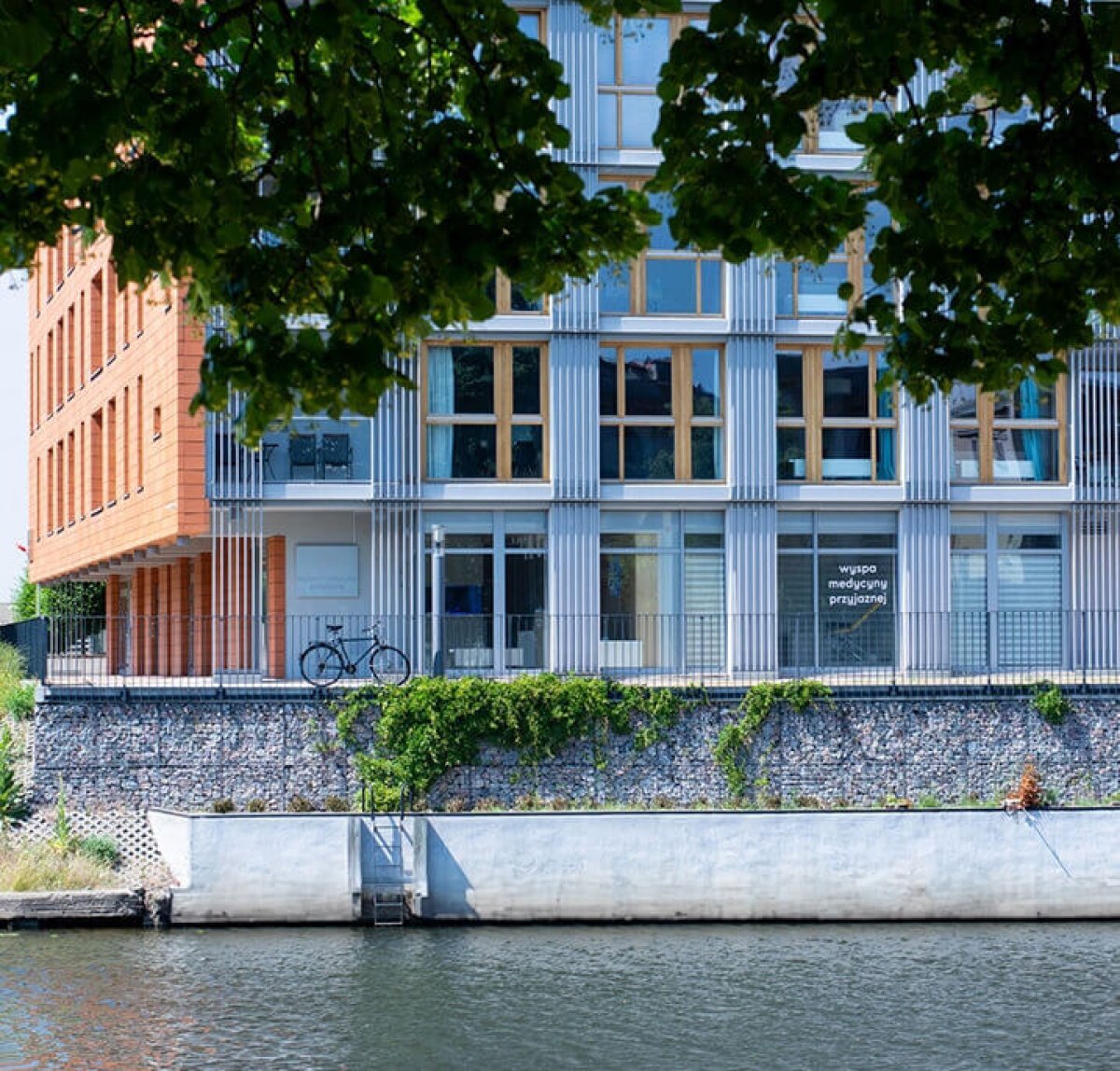
Centrum Medyczne doktorA
Polonia, Varsovia


Revisado médicamente por
Fahad Mawlood
El costo del tratamiento de la psoriasis en Polonia está influenciado por la gravedad de la enfermedad y la elección entre la atención sanitaria pública o privada. De $650. Los pacientes a menudo ahorran entre un 60 y un 80% en comparación con los EE. UU. Las principales ciudades para la atención dermatológica incluyen Cracovia, Varsovia y Lodz.
Costos típicos del tratamiento de la psoriasis en Polonia
Perspectiva de expertos de Bookimed: Los pacientes que buscan experiencia médica consolidada deberían considerar centros de alto volumen para casos complejos. El Hospital Universitario de Cracovia es una de las instituciones más famosas de Polonia, y emplea a más de 1.000 médicos en 103 departamentos. Para aquellos que requieren atención ambulatoria especializada, RMED Kopernika en Lodz trata a 6.000 pacientes al año y es una opción frecuente para visitantes internacionales de toda Europa.
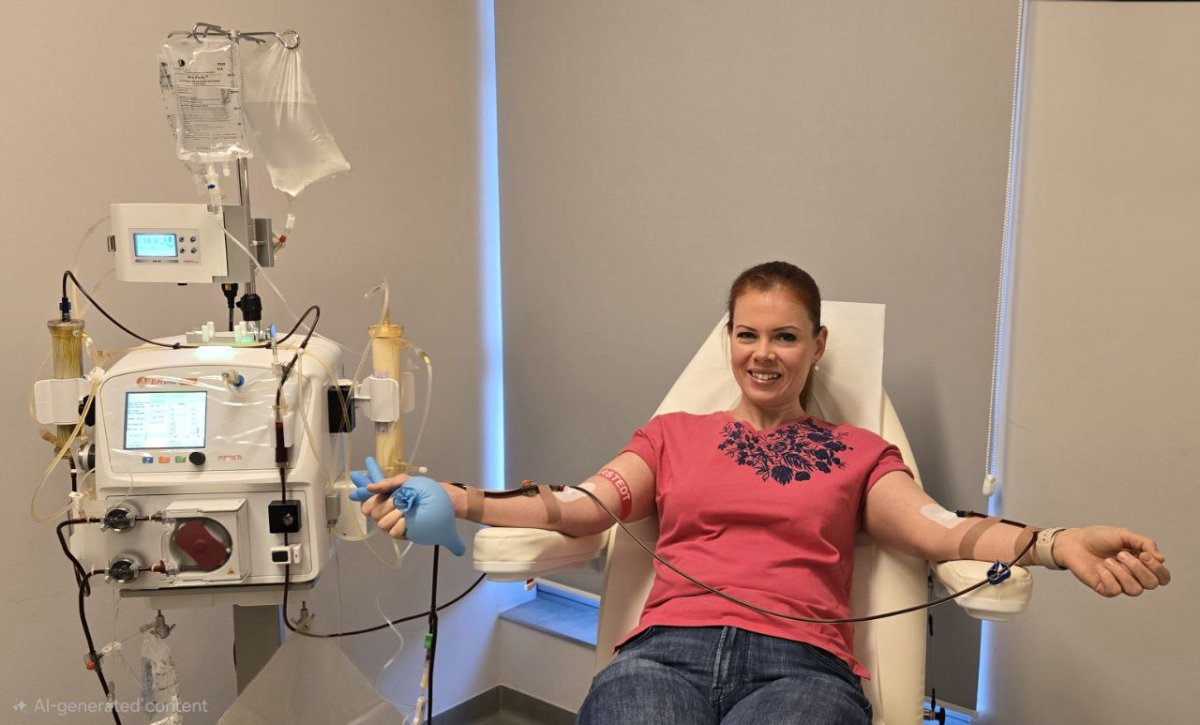
El Dr. Adam Macech es cirujano general y médico de urgencias con más de 40 años de práctica en Polonia y en el extranjero. Dirige el servicio de urgencias del Hospital del Sur de Varsovia. También supervisa la depuración sanguínea (aféresis) en Nowoczesna Afereza. Fue experto médico del Contingente Militar Polaco en Irak. Trabajó en primera línea en hospitales dedicados a la COVID-19. También ha brindado atención médica a bordo de un buque en el Pacífico Norte.
Se graduó en la Universi

El Dr. Piotr Rak es especialista en cirugía general, oncológica y medicina estética. Comenzó su carrera médica en 1995 y ha realizado unas 460 reimplantaciones de extremidades. Además, desarrolló un método único de rehabilitación biomecánica para extremidades reimplantadas. En 2009 obtuvo el doctorado en Ciencias Médicas por la Universidad Médica de Gdańsk, centrando su investigación en el efecto de la quimioterapia sobre los compuestos orgánicos de silicio en la reconstrucción mamaria.
 Olena Sikoza
Los dermatólogos polacos siguen las directrices de la Sociedad Polaca de Dermatología, priorizando un enfoque escalonado. El tratamiento abarca desde glucocorticosteroides tópicos para casos leves hasta terapias biológicas avanzadas para afecciones graves. Centros como el Hospital Universitario de Cracovia utilizan métodos de diagnóstico modernos como inmunogramas y análisis dermatológicos complejos.
Opinión de expertos de Bookimed: Aunque muchas clínicas pequeñas ofrecen servicios estéticos, los grandes centros académicos como el Hospital Universitario de Cracovia manejan los mayores volúmenes de pacientes. Gestionan más de 450.000 pacientes al año. Este gran volumen a menudo significa un mejor acceso a diagnósticos complejos como la ecografía Doppler y el perfil hormonal. Esta
La terapia biológica moderna está ampliamente disponible en Polonia. El país utiliza anticuerpos monoclonales y proteínas de fusión para enfermedades crónicas como la psoriasis en placas. Estos tratamientos avanzados se administran generalmente en salas hospitalarias especializadas. El acceso requiere cumplir criterios médicos específicos a través de programas nacionales de salud.
Opinión de expertos de Bookimed: Aunque 86 clínicas en toda Polonia ofrecen diversos tratamientos, el acceso más fiable a los productos biológicos se encuentra en los grandes centros académicos. El Hospital Universitario de Cracovia atiende a 455.000 pacientes al año y cuenta con 103 departamentos especializados. Esta escala a menudo garantiza un acceso más constante a los últimos programas nacionales de medicamentos en comparac
La psoriasis grave y la artritis psoriásica en Polonia se tratan en los principales hospitales universitarios e institutos de investigación nacionales. El Hospital Universitario de Cracovia es un centro de gran volumen que atiende a 455.000 pacientes al año. Los programas especializados ofrecen terapias biológicas en instalaciones acreditadas por la JCI o certificadas por la ISO en Cracovia, Varsovia y Lodz.
Perspectiva del experto de Bookimed: Los hospitales afiliados a universidades en Polonia demuestran una capacidad superior para casos sistémicos. El Hospital Universitario de Cracovia por sí solo opera 103 departamentos y emplea a más de 1.000 médicos. Esta escala garantiza que los pacientes con psoriasis compleja reciban una evaluación multidisciplinaria tanto de dermatólogos como de reumatólogos.
Consenso
Una primera consulta por psoriasis implica un examen visual de la piel y un historial médico detallado. Los dermatólogos en Polonia suelen evaluar las placas en los codos, rodillas y cuero cabelludo. También revisan las uñas y las articulaciones en busca de inflamación. Las pruebas diagnósticas como biopsias de piel o análisis de sangre confirman el tipo específico de psoriasis.
Perspectiva del experto de Bookimed: Polonia ofrece un alto volumen clínico, con el Hospital Universitario de Cracovia atendiendo a 455,000 pacientes anualmente. Los grandes centros académicos a menudo proporcionan paneles de diagnóstico más completos, incluyendo ecografía Doppler y perfiles hormonales. Esta profundidad de pruebas es más rara
Los pacientes internacionales pueden acceder a tratamientos avanzados para la psoriasis a través de la extensa red de clínicas privadas y hospitales especializados de Polonia. Las instalaciones ofrecen terapias sistémicas modernas y protocolos de diagnóstico. La mayoría de los visitantes prefieren los centros privados para evitar largos tiempos de espera. Estas clínicas suelen contar con especialistas que hablan inglés y departamentos internacionales dedicados a la coordinación.
Perspectiva del experto de Bookimed: Polonia ocupa el cuarto lugar a nivel mundial en nuestros datos de mercado para solicitudes de turismo médico. Si bien Cracovia y Varsovia son centros importantes, ciudades más pequeñas como Lodz ofrecen centros privados de gran volumen. RMED Kopernika atiende a miles de pacientes ambulatorios internacionales al año a pesar de tener menos camas de hospital. Esto sugiere que estas clínicas so
Más allá de los medicamentos estándar, Polonia ofrece terapias biológicas especializadas y balneoterapia natural para controlar la psoriasis grave. Los grandes centros de dermatología proporcionan anticuerpos monoclonales como adalimumab y secukinumab para el control sistémico. La espeleoterapia subterránea única y los tratamientos salinos costeros ofrecen un alivio natural de los síntomas a través de microclimas ricos en minerales y manantiales de salmuera.
Perspectiva del experto de Bookimed: Polonia es un destino de alto nivel, ocupando el puesto 4 a nivel mundial entre los centros de turismo médico. Grandes centros multidisciplinarios como el Hospital Universitario de Cracovia atienden a más de 455.000 pacientes al año. Este alto volumen permite a los médicos adquirir una amplia experiencia en el manejo de casos complejos de pso
Puede participar en ensayos clínicos de psoriasis en Polonia. El país es un importante centro europeo de investigación dermatológica. Centros especializados en ciudades como Varsovia y Cracovia realizan estudios de fase II y III para productos biológicos avanzados. Estos ensayos siguen protocolos estrictos supervisados por la Oficina de Registro de Productos Medicinales.
Perspectiva de expertos de Bookimed: El panorama de los ensayos clínicos en Polonia está altamente concentrado en grandes centros académicos como el Hospital Universitario de Cracovia, que atiende a 455.000 pacientes al año. Este alto volumen de pacientes a menudo conduce a ventanas de inscripción más rápidas en comparación con las clínicas europeas más pequeñas. Si busca tratamientos más nuevos, como aplicaciones de células madre, expertos como el Dr. Piotr Rak en Gdansk tienen experi
La neurocirugía en Polonia ofrece atención de alta calidad en centros con certificación JCI e ISO. Los neurocirujanos polacos se adhieren a estrictos estándares de formación adoptados por la Unión Europea. Muchos han completado becas en Estados Unidos o Alemania. Tecnologías avanzadas, como CyberKnife, Gamma Knife y sistemas robóticos, están ampliamente disponibles en centros privados.
Opinión experta de Bookimed: Los datos muestran una fuerte correlación entre la especialización de una clínica y el origen de sus pacientes. La Clínica KCM atiende a más de 700 pacientes internacionales al año. Se especializa en cirugía de columna mínimamente invasiva. Este volumen de trabajo le permite ofrecer paquetes de servicios especializados, que a menudo incluyen bloques de diagnóstico e implantes específicos, como el DIAM de Medtronic.
Los neurocirujanos polacos son especialistas altamente cualificados que han completado al menos 13 años de rigurosa formación médica. Esto incluye seis años de estudios de medicina, 13 meses de prácticas y seis años de residencia. Deben aprobar el Examen Estatal de Especialización (PES) y suelen estar certificados por la Asociación Europea de Sociedades de Neurocirugía (EANS).
Opinión experta de Bookimed: Los datos muestran que los neurocirujanos polacos suelen especializarse en tecnologías altamente especializadas, como el sistema ApiFix o el sistema de endoscopia lumbar SED-YESS. Especialistas como el Dr. Stanisław Kwek, de la Clínica KCM, combinan la investigación postdoctoral con una práctica quirúrgica activa. Esta combinación de profundos conocimientos académicos y un alto volumen quirúrgico los hace especialmente eficaces en cirugías de columna complejas y mínimamente in
Entre las mejores clínicas neuroquirúrgicas de Polonia se encuentran el Hospital Carolina, la Clínica KCM y centros académicos de primer nivel como el Hospital Universitario de Cracovia. Estas instituciones ofrecen tratamientos de vanguardia para enfermedades de la columna vertebral y el cerebro que cumplen con los estándares de calidad ISO y emplean a especialistas miembros de organizaciones internacionales como AO Spine.
Opinión experta de Bookimed: Si bien muchos buscan los hospitales más grandes, los datos muestran que clínicas como el Hospital Carolina ofrecen mayor eficiencia para cirugías electivas. Con más de 40 médicos especialistas en este centro de 30 camas, la proporción médico-paciente es significativamente mayor que en los centros universitarios públicos. Esto se traduc