Soriasis Tratamiento en Corea del Sur — Costos 2026


Revisado médicamente por
Fahad Mawlood
¿Cuál es el precio del diagnóstico y los tratamientos de Soriasis en Corea del Sur? Descubra ahora
De $80. Si bien las opciones tópicas son estándar, los casos avanzados pueden requerir atención especializada. Los gastos están influenciados por el nivel de la clínica y si el paciente requiere productos biológicos o medicina regenerativa. Los pacientes pueden encontrar atención de alta calidad en Seúl, Incheon y Cheonan.
Costos típicos del tratamiento de la psoriasis en la República de Corea
- Análisis de sangre para perfil hormonal: de $80
- Análisis de sangre extendido: de $200
- ECG: de $30
Perspectiva de los expertos de Bookimed: Los pacientes con afecciones cutáneas relacionadas con enfermedades autoinmunes se benefician de instalaciones multidisciplinarias como el Hospital Severance. Este centro acreditado por la JCI atiende a 4 millones de pacientes al año con imágenes digitales avanzadas e IA. Para aquellos que buscan enfoques regenerativos innovadores, RE:YOUTH en Cheonan se especializa en terapia con células madre arteriales. Este método garantiza una entrega del 100% a los órganos objetivo, proporcionando una alternativa para casos complejos donde la administración intravenosa tradicional puede ser menos efectiva.
Sus beneficios y garantías con Bookimed
Precios directos
Bookimed no añade cargos extra a los precios de los tratamientos de Soriasis. Las tarifas proceden de las listas de precios oficiales de las clínicas. Pagará directamente en la clínica por su tratamiento a su llegada al país.
Sólo clínicas y médicos verificados
Bookimed está comprometido con su seguridad. Solo trabajamos con las clínicas que mantienen altos estándares internacionales en el tratamiento de Soriasis y cuentan con las licencias necesarias para atender a pacientes internacionales en todo el mundo.
Asistencia 24/7 gratuita
Bookimed ofrece asistencia experta gratuita. Un coordinador médico personal le apoya antes, durante y después de su tratamiento, resolviendo cualquier problema. Nunca estará solo en su viaje médico de tratamiento de Soriasis.

Su coordinador médico personal de Bookimed
- Le apoya en cada etapa
- Ayuda a elegir la clínica y el médico adecuados
- Asegura un acceso rápido y conveniente a la información
Descubra las mejores clínicas de tratamiento de Soriasis en Corea del Sur: 9 opciones verificadas y Precios














Obtenga una evaluación médica para Soriasis en Corea del Sur: consulte con doctores experimentados ahora
Ver todos los médicos
Ro Youngwoo
El médico es un dermatólogo certificado con amplia experiencia en dermatología clínica y estética. Con una sólida trayectoria profesional, el médico se desempeñó como Director de la sucursal de Oracle Dermatology en Apgujeong y actualmente ocupa el cargo de Director en la sucursal de Oracle Dermatology en Cheongdam.
El médico mantiene membresías activas en varias organizaciones médicas prestigiosas, incluyendo la Academia Coreana de Dermatología, la Sociedad Coreana de Cirujanos Dermato

Jang Hansol
El médico es graduado del Colegio de Medicina de la Universidad Soonchunhyang y actualmente ejerce en la sucursal de Cheongdam de la Clínica de Dermatología Oracle. Con un enfoque especializado en medicina estética, el médico ha completado el curso avanzado de maestría TTT de la Academia Médica Solta Thermage FLX.
Reconocido por su experiencia profesional, el médico se desempeñó como Médico Estético Oficial para la Cumbre de CEOs de APEC Corea 2025 y actuó como orador principal en el ev
Jiwoo Kim
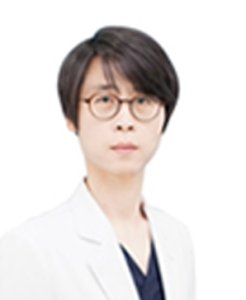
La investigación de la Dra. Kim sobre el estrés oxidativo y la apoptosis ha sido publicada en Biochemical Pharmacology, destacando su profundo conocimiento de los mecanismos celulares relevantes para la psoriasis.
- Presentó en conferencias internacionales, incluida la Society for Free Radical Research–Asia
- Activa en sociedades médicas nacionales como la Sociedad Coreana de Pediatría
- La investigación se centra en las vías moleculares involucradas en la inflamación de la piel
Compartir contenido
Historias en video de pacientes de Bookimed
 Olena Sikoza
Preguntas frecuentes sobre el tratamiento de Soriasis en Corea del Sur
¿Qué tratamientos para la psoriasis están disponibles para pacientes internacionales en Corea del Sur?
Los pacientes internacionales en Corea del Sur acceden a tratamientos avanzados para la psoriasis a través de la integración de la dermatología occidental y la medicina tradicional coreana (Hanbang). Centros de primer nivel como el Hospital Severance y la Clínica Oracle Cheongdam ofrecen productos biológicos, láseres excimer e inmunogramas de diagnóstico especializados. Estos centros cuentan con acreditaciones de la Joint Commission International y KOIHA para la seguridad clínica.
- Terapias biológicas: Los inhibidores de interleucina dirigidos tratan la psoriasis en placas de moderada a grave en hospitales universitarios.
- Tratamientos con láser: Los láseres excimer y la fototerapia UVB de banda estrecha reducen la inflamación localizada y la descamación.
- Medicina Hanbang: Las clínicas tradicionales ofrecen decocciones herbales e inmunoacupuntura para la regulación inmunológica sistémica.
- Diagnóstico complejo: Los especialistas utilizan ecografía Doppler y perfiles hormonales para monitorear la inflamación sistémica.
Perspectiva de expertos de Bookimed: Los datos sobre el volumen de pacientes destacan una clara división en el enfoque clínico entre Seúl e Incheon. En Seúl, centros especializados como la Clínica Oracle Cheongdam gestionan 25.000 visitantes anuales con un enfoque en sistemas láser de alta tecnología. Por el contrario, los gr
¿Cuentan los centros coreanos con toda la gama de productos biológicos y se requieren pruebas de elegibilidad para pacientes extranjeros?
Los centros médicos coreanos ofrecen una amplia gama de productos biológicos para la psoriasis. Los pacientes extranjeros deben someterse a pruebas de elegibilidad y exámenes diagnósticos obligatorios. Estos protocolos garantizan la seguridad antes de iniciar terapias especializadas. Los principales centros de Seúl e Incheon ofrecen acceso a agentes como ustekinumab y adalimumab.
- Pruebas diagnósticas: Las clínicas requieren análisis de sangre, inmunogramas y un diagnóstico complejo de enfermedades dermatológicas.
- Detección de infecciones: Los controles obligatorios para la tuberculosis latente y la hepatitis B/C son estándar.
- Tratamiento previo: Los médicos a menudo verifican si los inmunosupresores orales han fallado antes de recetar productos biológicos.
- Registros médicos: Los pacientes deben proporcionar notas previas del dermatólogo y resultados de laboratorio para su revisión.
Opinión de expertos de Bookimed: Los centros académicos más grandes, como el Hospital de la Universidad Nacional de Seúl o el Centro Médico Samsung, tienen más probabilidades de tener un inventario más amplio de marcas biológicas específicas que las clínicas especializadas más pequeñas. Si bien la Clínica Oracle Cheongdam atiende a 25.500 pacientes al año y se centra en la dermatología, los volúmenes masivos de pacientes en el SNUH o el Centro Médico Asan sug
¿Cuánto tiempo debo permanecer en Corea del Sur para recibir tratamiento contra la psoriasis como turista médico?
El tratamiento de la psoriasis en Corea del Sur suele requerir una estancia de 3 a 14 días. Este plazo permite realizar diagnósticos avanzados e intervenciones médicas iniciales. La duración de su visita depende de si se somete a terapia biológica, cuidado intensivo de la piel combinado o protocolos de fototerapia de múltiples sesiones en centros de dermatología especializados.
- Inicio de biológicos: Requiere de 4 a 7 días para diagnósticos y las primeras inyecciones de dosis de carga.
- Terapia intensiva: Dura de 7 a 14 días, combinando cuidado médico de la piel con procedimientos láser específicos.
- Cursos de fototerapia: Requieren de 3 a 4 semanas para sesiones consistentes y ajustes de dosis de UV.
- Cronograma de diagnóstico: Las clínicas completan paneles sanguíneos, inmunogramas y biopsias de piel en 48 horas.
Perspectiva del experto de Bookimed: Corea del Sur alberga 5 de los mejores hospitales del mundo para 2023. Estos centros, incluidos Severance y Asan Medical Center, atienden a miles de pacientes diariamente. Los centros de alto volumen a menudo ofrecen diagnósticos digitales como el sistema BESTcare para acelerar la estadificación. Esto permite a los turistas completar evaluaciones dermatológicas complejas en aproximadamente la mitad del tiempo requerido en otras regiones.
Consenso de los pacientes: Los p
¿Me guiará el personal de habla inglesa a través del diagnóstico, el tratamiento y el seguimiento?
Los coordinadores de habla inglesa en los hospitales de Corea del Sur guían a los pacientes a través del diagnóstico, el tratamiento y la atención de seguimiento. Los grandes centros como el Severance Hospital y el Samsung Medical Center ofrecen servicios certificados por la Joint Commission International. Estas instalaciones utilizan departamentos internacionales dedicados para traducir la jerga médica y gestionar el papeleo logístico.
- Coordinación experta: Los mostradores dedicados a pacientes extranjeros gestionan el registro y la programación de citas.
- Apoyo lingüístico: Los traductores ayudan durante exámenes complejos como inmunogramas y análisis de sangre.
- Calidad clínica: Los hospitales acreditados por la KOIHA garantizan estándares internacionales de seguridad del paciente y comunicación.
- Integración digital: Los hospitales digitalizados como el Seoul National University Bundang Hospital agilizan los registros de seguimiento.
Perspectiva del experto de Bookimed: Los centros de gran volumen como el Severance Hospital atienden a 1,6 millones de pacientes ambulatorios al año. Esta escala masiva permite mantener mostradores internacionales especializados que a menudo faltan en clínicas más pequeñas. Es aconsejable revisar clínicas como la Oracle Clinic Cheongdam, ya que se dirigen específicamente a pacientes internacionales de EE.