Psoriasis treatment cost in Turkey typically includes diagnostic essentials like an immunogram which ranges from $100 to $100. Patients may also require an extended analysis of blood running from $100 to $100 to determine the best clinical approach. Total expenses depend on the severity of the condition and chosen therapy. Patients can expect 50% savings compared to the US. Top cities for care include Istanbul and Antalya.
Typical Psoriasis Treatment Costs in Turkey
Bookimed Expert Insight: For chronic cases, JCI-accredited centers like Anadolu Medical Center offer elite diagnostics through Johns Hopkins affiliation. Students or budget-conscious patients should look at Medipol Mega University Hospital for high-volume expertise. If you require advanced biological therapy or stem cell research, Professor Sevilay Oguz Kilic provides high-tier academic specialization. Patients with scalp-specific psoriasis often find value at specialized hair clinics focused on dermatological restoration.
La profesora asistente Derya Can se especializa en el tratamiento de la psoriasis en el Hospital Pendik de la Universidad Medipol.
La Prof. Sevilay Oguz Kilic se especializa en psoriasis y linfomas cutáneos, con más de 20 años de experiencia en dermatología en los mejores hospitales turcos, como el Liv Hospital Vadi.
Ejerce en Francia desde hace 12 años: el Dr. Musbeh ahora forma a otros médicos en trasplante capilar y tratamiento de la calvicie en la Universidad Claude Bernard y en Estambul.
La Dra. Mammadova se especializa en el tratamiento de la psoriasis junto con una amplia gama de afecciones dermatológicas en el Liv Hospital Ulus.
Turquía ofrece terapias médicas avanzadas y tratamientos naturales únicos para la psoriasis. Las clínicas acreditadas por la JCI en Estambul y Antalya ofrecen inyecciones biológicas, fototerapia UVB de banda estrecha y medicamentos sistémicos. Los pacientes también acceden a la ictioterapia de renombre mundial en fuentes termales especializadas para controlar los síntomas crónicos en departamentos de dermatología de alto volumen.
Perspectiva del experto de Bookimed: Los centros de dermatología en Turquía son excepcionalmente rápidos para escalar los niveles de tratamiento. Mientras que algunos sistemas requieren meses de ensayos tópicos, los especialistas en grandes centros como Medipol Mega o Liv Hospital Ulus a menudo pasan a terapias biológicas o sistémicas mucho antes. Este camino clínico más rápido es la razón por la que Turquía atiende a pacientes de más de 180 países anualmente.
Consenso de los pacientes: Los pacientes señalan que las clínicas privadas ofrecen un acceso mucho más rápido a terapias avanzadas que las vías públicas. Enfatizan llevar fotos y recetas anteriores para ayudar al Dr. Mustafa Ozdemir u otros especialistas a evitar pruebas redundantes.
Los tratamientos para la psoriasis en Turquía suelen mostrar mejoras visibles en un plazo de 2 a 3 semanas. Los programas intensivos de 21 días pueden reducir la gravedad de los síntomas entre un 50% y un 75%. Mientras que las cremas tópicas actúan en pocos días, las terapias sistémicas avanzadas suelen requerir de 2 a 12 semanas para obtener el máximo efecto.
Opinión del experto de Bookimed: El volumen de pacientes es un indicador de calidad importante en Turquía. Por ejemplo, el Hospital Universitario Medipol Mega atiende a 1.000.000 de pacientes al año. Esta alta frecuencia permite a dermatólogos como el Prof. Dr. Sevilay Oguz Kilic perfeccionar los protocolos para obtener resultados más rápidos. A menudo utilizan tecnologías avanzadas como el sistema Da Vinci para cirugías relacionadas, garantizando un entorno de atención de alta tecnología.
Consenso de los pacientes: Los pacientes señalan que el alivio inicial del picor ocurre rápidamente, pero enfatizan la necesidad de un plan a largo plazo. Muchos sugieren confirmar con antelación los puntos de encuentro con los conductores del hospital para evitar retrasos en el aeropuerto.
Las clínicas turcas ofrecen terapias tradicionales como la balneoterapia junto con tratamientos médicos para la psoriasis. Los centros especializados ofrecen tratamientos con agua mineral e hidroterapia para el alivio de los síntomas. Aunque la terapia con peces existe en entornos de bienestar o turísticos, las clínicas de dermatología se centran principalmente en protocolos médicos avanzados como la fototerapia o los medicamentos sistémicos biológicos.
Opinión del experto de Bookimed: Nuestros datos muestran que la mayoría de los pacientes eligen Turquía por la alta densidad de clínicas acreditadas por la JCI, como Medipol Mega o Liv Hospital Ulus, más que por los complejos termales. Aunque la balneoterapia es un complemento popular, rara vez sustituye a los productos biológicos o a la cirugía dermatológica especializada ofrecida por los profesores turcos. Si desea un control sostenible, asegúrese de que su plan combine diagnósticos de alta tecnología con cualquier terapia de spa elegida.
Consenso de los pacientes: Los pacientes señalan que, aunque los baños minerales y los rituales de spa ofrecen un alivio temporal del picor, funcionan mejor cuando se combinan con prescripciones médicas. La mayoría aconseja tratar la terapia con peces como una actividad recreativa en lugar de una solución a largo plazo para eliminar las placas.
No se requiere derivación médica para el tratamiento de la psoriasis en clínicas privadas turcas. Los pacientes internacionales pueden reservar citas directamente con especialistas. La mayoría de las instalaciones aceptan registros médicos o resultados de biopsias en lugar de cartas de derivación formales. Los hospitales acreditados por la JCI en Estambul y Antalya brindan acceso inmediato a dermatólogos.
Opinión del experto de Bookimed: Aunque no se necesita derivación, programar con profesores específicos como la Dra. Sevilay Oguz Kilic en el Hospital Liv es estratégico. Nuestros datos muestran que los centros de gran volumen como Medipol Mega atienden a 1,000,000 de pacientes al año. Esta escala masiva a menudo significa que los dermatólogos ven más variantes raras de psoriasis en un mes que otros en años.
Consenso de los pacientes: Los pacientes notan que es fácil reservar directamente. Enfatizan que, aunque no se necesita una carta de derivación, tener su historial completo listo ayuda al médico a evitar repetir pruebas.
Patients can easily combine psoriasis treatment in Turkey with a holiday. Centres in Istanbul and Antalya offer specialised care, so patients can combine treatment with travel. Therapies include exosome therapy and phototherapy. These treatments integrate with Turkey's sunny climate. The climate provides natural UV light that helps manage skin cell growth.
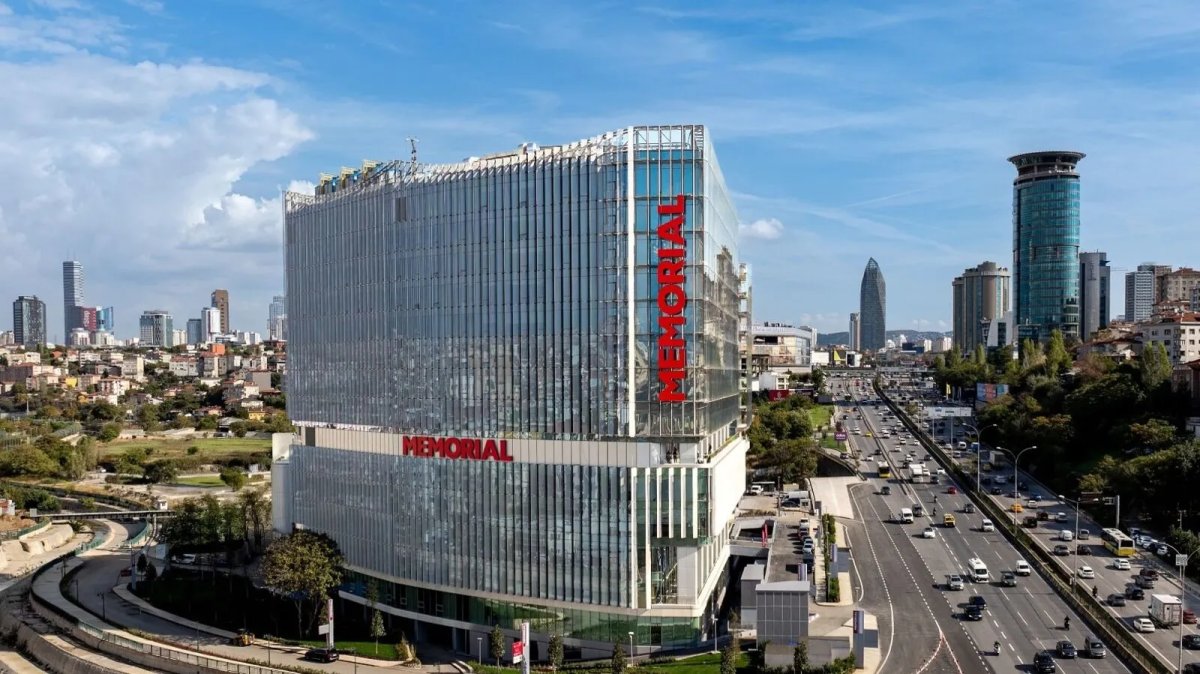
Bookimed Expert Insight: Many seek out Istanbul for its specialists. However, Antalya is the strategic choice for psoriasis. Memorial Antalya Hospital offers JCI-accredited medical protocols and immediate access to salt water and controlled sun exposure. This combination acts as a natural therapy. It often extends the results of clinical treatments like phototherapy.
Patient Consensus: Patients find that Turkish doctors focus on relevant tests without over-prescribing. They note that sunshine helps. But managing local diet and documenting skin patterns is vital for success.
Psoriasis treatments in Turkey involve monitoring by specialists to manage side effects typical of international standards. Modern biologics often report minimal issues, while systemic drugs require blood tests. Turkish dermatologists use step-up protocols to prevent skin thinning from topicals and manage light-therapy risks like itching.
Bookimed Expert Insight: Turkish centres like Liv Hospital Ulus and Memorial Şişli handle complex cases from over 160 countries. Data shows these academic facilities prioritise multidisciplinary tumour boards for inflammatory cases. This means specialists like Prof. Dr Sevilay Oguz Kilic coordinate across departments to manage medication interactions.
Patient Consensus: Patients note that modern biologics in Turkey provide excellent clarity. These treatments have minimal side effects compared to older systemic drugs. They often highlight that Turkish sunlight helps natural healing. However, they warn that stopping treatments abruptly can cause plaques to return.
Ichthyotherapy at the Kangal Fish Spring is a medically supervised therapeutic protocol. It is recognised by the Turkish Ministry of Health for managing psoriasis symptoms through exfoliation. Success relies on a combination of mineral-rich thermal water, ultraviolet exposure, and Garra rufa fish removing skin scales.
Bookimed Expert Insight: While Kangal is famous for its fish, modern clinics in Istanbul like Anadolu Medical Center or Medipol Mega University Hospital offer complex dermatological diagnosis. High-definition Doppler sonography and immunograms help tailor medical treatments. Patients can combine these with or use them instead of traditional spa methods.
Patient Consensus: Patients find the natural Turkish hot springs relaxing but warn that the fish primarily provide exfoliation rather than a permanent cure. Many travellers recommend combining these trips with professional medical consultations in Istanbul. This helps manage the underlying condition effectively.
Turkish hospitals provide biological therapies for moderate to severe psoriasis at JCI-accredited facilities. Specialists at centres such as Medipol Mega and Anadolu Medical Center offer targeted injections like adalimumab, ustekinumab, and etanercept. Treatment follows a comprehensive dermatological diagnosis to determine suitability for international patients.
Bookimed Expert Insight: Turkish dermatology departments often facilitate faster access to biologics than Australian systems. While Australian patients may face long waiting lists for PBS-subsidised biologics, Turkish centres like Anadolu Medical Center provide immediate specialist reviews. This allows patients to begin therapy within days of their initial diagnostic blood tests.
Patient Consensus: Patients note that Turkish specialists perform thorough assessments including regular blood and urine monitoring for safety during intensive therapy. Experience in Turkey highlights that biologics often clear skin rapidly. This occurs after previous treatments like light therapy or methotrexate have failed.
Turkish clinics are fully authorised for international psoriasis patients. Leading centres like Anadolu Medical Center and Medipol Mega University Hospital hold JCI accreditation. This means they follow global safety standards. Specialists offer targeted care, including biological injections, narrowband UVB phototherapy, and systemic medications for effective management.
Bookimed Expert Insight: While many Australian patients look for standard phototherapy, Turkish academic clinics often integrate advanced systemic protocols. Medipol Mega University Hospital serves 1,000,000 patients annually. This massive case volume means their dermatologists, such as Prof. Dr Sevilay Oguz Kilic, have experience with exceptionally rare or resistant psoriasis variants that smaller clinics rarely see.
Patient Consensus: Patients in Turkey find the medical staff professional and appreciate getting only necessary tests. Many note that having a reliable translator makes the clinical experience much smoother.
Turkey offers psoriasis treatments combining clinically proven medical therapies with unique natural approaches. JCI-accredited clinics in Istanbul and Antalya provide biological injections. They also offer narrowband UVB phototherapy and specialised systemic medications. Specialists also offer innovative stem cell therapies and exosome treatments for chronic inflammatory dermatological conditions.
Bookimed Expert Insight: Turkish dermatology departments often integrate regenerative medicine with standard protocols. Clinics like Liv Hospital Ulus and Medipol Mega offer stem cell and exosome therapies. They also provide biological treatments. This dual approach is rare in standard clinical settings. It can be vital for patients not responding to traditional steroids or light therapy.
Patient Consensus: Patients in Turkey highlight the effectiveness of biological therapies for severe patches. They also value practical touches like professional interpreters and airport transfers. These simplify the medical journey.
Patients face no significant waiting lists for psoriasis treatment in Turkey. Private medical centres in Istanbul and Antalya provide immediate access to specialist dermatologists. Cases are typically reviewed within 48 hours. Most patients begin diagnosis and intensive therapy within days of their initial inquiry.
Bookimed Expert Insight: While public systems elsewhere involve months of waiting, Turkish private hospitals operate at massive scales. Medipol Mega University Hospital serves 1,000,000 patients annually. This vast infrastructure allows specialists to accommodate international patients without delays. Choosing a multidisciplinary hospital like Hisar Hospital Intercontinental means that associated conditions are handled in one visit. For example, psoriatic arthritis is treated by orthopaedic teams.
Patient Consensus: Patients are often impressed by the coordinators’ quick response and the doctors’ professionalism. They note that translators are reliable. Clinical staff avoid unnecessary tests, focusing only on relevant diagnostic methods for Turkey-based treatment.
Psoriasis patients typically stay in Turkey for 3 to 7 days. This covers hospital consultations and starting systemic treatment. Intensive clinical programs designed for significant symptom reduction usually require 21 days. Natural coastal therapies often show visible skin clearance within 10 to 14 days.
Bookimed Expert Insight: Turkish dermatology clinics like Medipol Mega often process 1,000,000 patients annually. This massive volume allows professors to see rare psoriasis variants every week. They often start systemic biologics within days, which is much faster than waiting lists in Australia. For the best balance, choose an Istanbul clinic with JCI accreditation for high safety standards.
Patient Consensus: Patients find that a 10-day trip to the Mediterranean coast provides a significant boost. They note that daily sea swimming and controlled sun exposure help clear scales quickly. While not a permanent cure, the saltwater and UV rays act as a natural reset for the immune system. Most appreciate the professional translators like Babadjan who help navigate hospital appointments smoothly.