Tratamiento de Apnea del sueño en Polonia — obtenga 3 coincidencias personalizadas de clínicas


Revisado médicamente por
Fahad Mawlood
Cómo funciona
¿Cuál es el precio del diagnóstico y los tratamientos de Apnea del sueño en Polonia? Descubra ahora
| Polonia | España | Turquía | |
|---|---|---|---|
| Tratamiento quirúrgico de la apnea obstructiva del sueño | de $3,100 | ≈ $5,500 | de $2,700 |
Descubra las mejores clínicas de tratamiento de Apnea del sueño en Polonia: 7 opciones verificadas y Precios



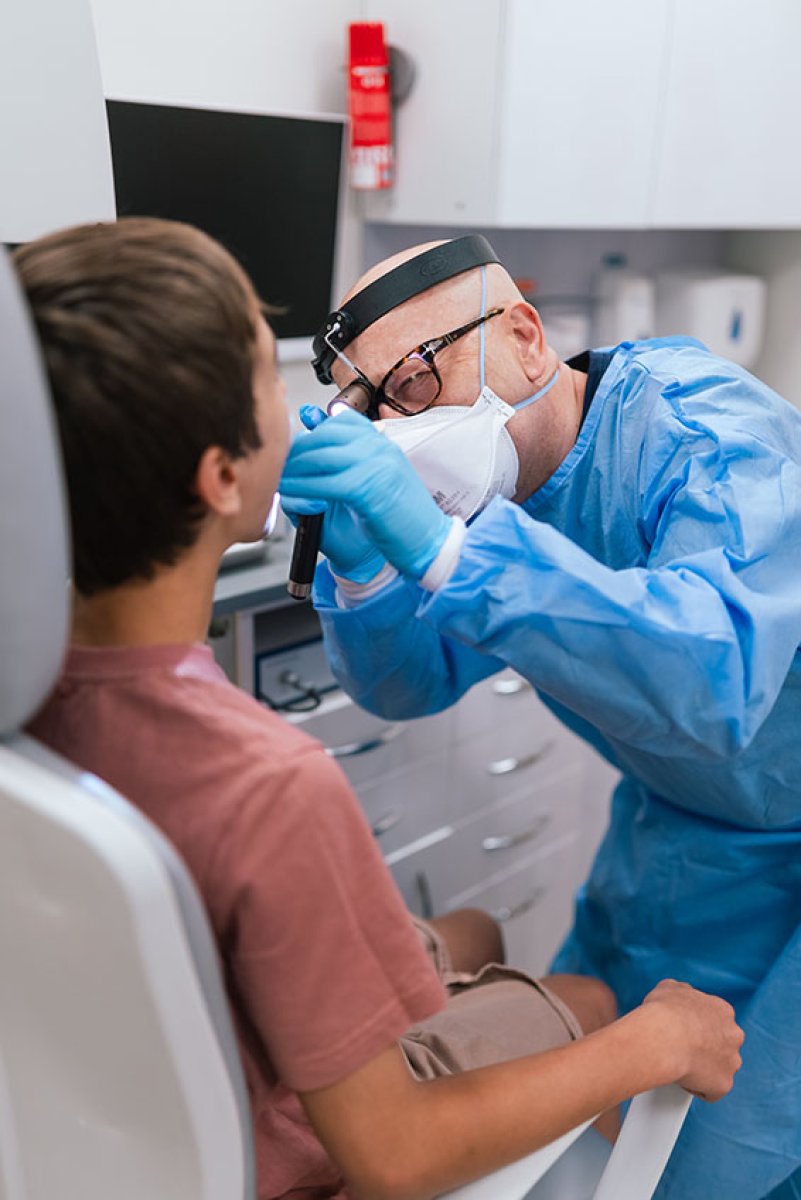
Centro Médico Krajmed








Medi Horizon Clinic
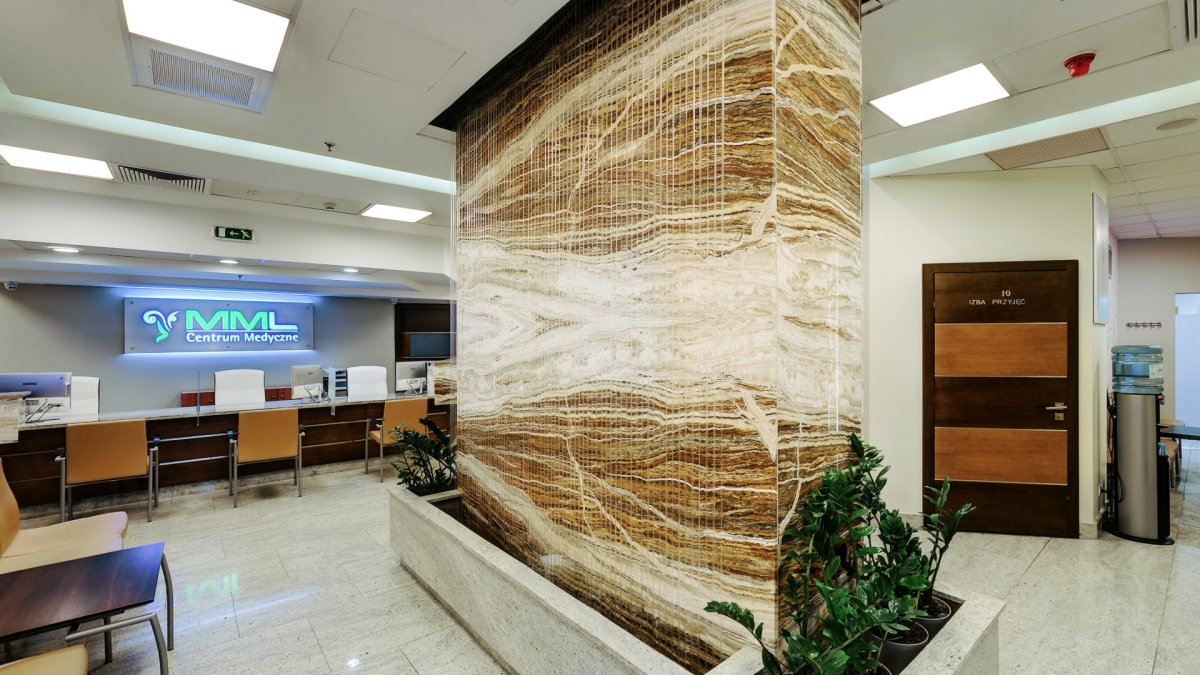
MML Medical Center
Obtenga una evaluación médica de tratamiento de Apnea del sueño en Polonia: haga una consulta con 10 médicos experimentados ahora
Ver todos los médicos
Marek Krajewski

Igor Anurin

Igor Anurin
El Dr. Igor Anurin es un destacado cirujano otorrinolaringólogo en el Hospital Carolina de Varsovia. Se especializa en cirugía endoscópica de senos paranasales y tratamiento de la apnea del sueño. El Dr. Anurin dirige el departamento de urgencias del Hospital Mazowiecki Bródnowski. Realiza procedimientos FESS mínimamente invasivos para tratar la sinusitis crónica. Estas cirugías suelen durar menos de dos horas con excelentes resultados para los pacientes.
- Especializado en rinoplast

Paulina Kołodziejczyk
Compartir contenido
Historias en video de pacientes de Bookimed
 Olena Sikoza
Preguntas frecuentes sobre el tratamiento de Apnea del sueño en Polonia
¿Está cubierto el tratamiento de la apnea del sueño por el Fondo Nacional de Salud (NFZ) en Polonia?
El Fondo Nacional de Salud (NFZ) de Polonia cubre el tratamiento de la apnea del sueño, incluyendo la polisomnografía diagnóstica y el equipo médico. Los pacientes requieren una derivación de un especialista contratado por el NFZ. La cobertura incluye un reembolso de hasta el 90% para máquinas CPAP para adultos y del 100% para niños menores de 18 años.
- Cobertura diagnóstica: La polisomnografía está totalmente financiada cuando se realiza en entornos hospitalarios.
- Reembolso de equipos: Los adultos reciben hasta 1.890 PLN para máquinas CPAP cada 5 años.
- Subsidios para mascarillas: El NFZ cubre el 90% de los costos de las mascarillas cada 6 meses para adultos.
- Derivaciones de expertos: Neumólogos o neurólogos especializados deben emitir órdenes electrónicas de equipo.
Opinión de expertos de Bookimed: Polonia es un destino de gran volumen para la atención especializada, ocupando el segundo lugar a nivel mundial en nuestra red. Aunque el NFZ cubre el equipo básico, los tiempos de espera para los estudios del sueño diagnósticos a menudo superan los 12 meses. Instalaciones como el Hospital Carolina en Varsovia o la Clínica KCM ofrecen diagnósticos privados rápidos y cirugías especializadas de otorrinolaringología que pueden evitar las largas colas públicas.
Consenso de los pacientes: Los pacientes señalan que los estud
¿Cuáles son las principales opciones de tratamiento basadas en evidencia para la apnea obstructiva del sueño en Polonia?
Los tratamientos para la apnea del sueño basados en evidencia en Polonia priorizan la terapia de presión positiva continua en las vías respiratorias (CPAP) y las intervenciones quirúrgicas especializadas. Los centros polacos emplean cirugía de vías respiratorias multinivel, terapia con aparatos orales y tratamiento posicional. Instituciones acreditadas como KCM Clinic y Carolina Hospital integran la neumología con la experiencia en otorrinolaringología.
- Terapia de primera línea: La terapia de presión positiva continua en las vías respiratorias sigue siendo el estándar de oro clínico para casos de moderados a graves.
- Opciones quirúrgicas: Los procedimientos avanzados incluyen la uvulopalatofaringoplastia y la septoplastia nasal para mejorar la respiración.
- Especialistas dedicados: Médicos como el Dr. Lukasz Wieclewski brindan atención quirúrgica experta en otorrinolaringología.
- Certificaciones clínicas: La calidad está garantizada a través de los estándares internacionales ISO y TÜV NORD DIN EN ISO.
Perspectiva de expertos de Bookimed: Polonia sirve como un importante centro médico con 86 clínicas y un alto rango global. Clínicas como KCM Clinic atraen a 700 pacientes internacionales al año de regiones como el Reino Unido y Alemania. Nuestros datos sugieren que los pacientes a menudo eligen Polonia para cirugías complejas cuando los tiem
¿Qué clínicas acreditadas se especializan en el diagnóstico y tratamiento de la apnea del sueño?
Las clínicas acreditadas en Polonia se especializan en el diagnóstico de la apnea del sueño mediante polisomnografía y pruebas de apnea del sueño en el hogar. Centros como la KCM Clinic y el Carolina Hospital mantienen certificaciones ISO para una atención de calidad. Especialistas líderes ofrecen una terapia integral que incluye ajuste de CPAP, aparatos orales y cirugías otorrinolaringológicas mínimamente invasivas.
- Métodos de diagnóstico: Las clínicas ofrecen polisomnografía (PSG) en laboratorio y pruebas portátiles de apnea del sueño en el hogar.
- Experiencia quirúrgica: Cirujanos otorrinolaringólogos especializados realizan cirugías de apnea del sueño para mejorar el paso de las vías respiratorias.
- Terapia con dispositivos: Los programas incluyen titulación de CPAP utilizando marcas de equipos avanzadas como ResMed y AirSense.
- Estándares de calidad: Las instalaciones poseen acreditaciones de gestión de calidad ISO 9001:2015 y TÜV NORD DIN EN ISO.
Perspectiva del experto de Bookimed: Polonia ofrece una alta concentración de experiencia especializada en Varsovia y Jelenia Góra. Clínicas como el Carolina Hospital sirven como socios médicos oficiales del Comité Olímpico Polaco. Este nivel de experiencia en medicina deportiva se traduce bien para los pacientes con apnea del sueño que buscan una cirugía de vías respiratorias de alta precis
¿Puedo realizarme un estudio del sueño en casa en lugar de en un hospital?
Puede realizarse un estudio del sueño en casa en Polonia para diagnosticar la apnea obstructiva del sueño. Estas pruebas utilizan dispositivos portátiles de tipo III o IV para controlar la respiración y el oxígeno. Son la herramienta de diagnóstico estándar de primera línea en los sistemas médicos europeos para pacientes con alto riesgo.
- Enfoque diagnóstico: Las pruebas en casa miden principalmente el flujo de aire, la frecuencia cardíaca y los niveles de oxígeno en sangre.
- Idoneidad clínica: Ideal para adultos sanos que muestran signos claros como ronquidos o somnolencia diurna.
- Requisito hospitalario: La polisomnografía en laboratorio es necesaria para casos complejos como narcolepsia o insomnio.
- Proceso de prueba: Los pacientes usan sensores durante 1 o 2 noches en su propia cama.
Perspectiva del experto de Bookimed: Polonia se ha convertido en un centro importante de servicios de diagnóstico, ocupando el segundo lugar a nivel mundial en nuestra red en cuanto a solicitudes de pacientes. Este gran volumen en 86 clínicas, incluidas centros que cumplen con las normas JCI como el Hospital Carolina, garantiza que el personal médico sea altamente eficiente en la interpretación de datos. Para los pacientes internacionales, las clínicas polacas a menudo combinan el diagnóstico en casa con consultas de otorrinolaringología para ofrecer un cam
¿Qué tan alta es la calidad de la neurocirugía en Polonia?
La neurocirugía en Polonia ofrece atención de alta calidad en centros con certificación JCI e ISO. Los neurocirujanos polacos se adhieren a estrictos estándares de formación adoptados por la Unión Europea. Muchos han completado becas en Estados Unidos o Alemania. Tecnologías avanzadas, como CyberKnife, Gamma Knife y sistemas robóticos, están ampliamente disponibles en centros privados.
- Cualificaciones especializadas: Los médicos suelen ser miembros de la Asociación Europea de Sociedades de Neurocirugía.
- Tecnologías avanzadas: Las clínicas utilizan sistemas CyberKnife y ultrasonido enfocado guiado por resonancia magnética para el tratamiento cerebral no invasivo.
- Volumen clínico: Centros líderes como el Hospital Universitario de Cracovia tratan a más de 455.000 pacientes al año.
- Cirujanos experimentados: El Dr. Maciej Bujko del Hospital Carolina ha realizado más de 2.500 cirugías por su cuenta.
Opinión experta de Bookimed: Los datos muestran una fuerte correlación entre la especialización de una clínica y el origen de sus pacientes. La Clínica KCM atiende a más de 700 pacientes internacionales al año. Se especializa en cirugía de columna mínimamente invasiva. Este volumen de trabajo le permite ofrecer paquetes de servicios especializados, que a menudo incluyen bloques de diagnóstico e implantes específicos, como el DIAM de Medtronic.
¿Cuáles son las cualificaciones de los neurocirujanos polacos?
Los neurocirujanos polacos son especialistas altamente cualificados que han completado al menos 13 años de rigurosa formación médica. Esto incluye seis años de estudios de medicina, 13 meses de prácticas y seis años de residencia. Deben aprobar el Examen Estatal de Especialización (PES) y suelen estar certificados por la Asociación Europea de Sociedades de Neurocirugía (EANS).
- Educación: Los médicos reciben educación médica (medicina) después de 6 años de estudio en la universidad.
- Especialización: La residencia incluye 6 años de formación modular en neurocirugía clínica y neurorradiología.
- Volumen quirúrgico: Los residentes a menudo realizan más de 1.000 cirugías, lo que excede el volumen de capacitación promedio en otras regiones.
- Certificados: Muchos especialistas son miembros de AO Spine o de la Sociedad Polaca de Cirugía de Columna.
Opinión experta de Bookimed: Los datos muestran que los neurocirujanos polacos suelen especializarse en tecnologías altamente especializadas, como el sistema ApiFix o el sistema de endoscopia lumbar SED-YESS. Especialistas como el Dr. Stanisław Kwek, de la Clínica KCM, combinan la investigación postdoctoral con una práctica quirúrgica activa. Esta combinación de profundos conocimientos académicos y un alto volumen quirúrgico los hace especialmente eficaces en cirugías de columna complejas y mínimamente in
¿Cuáles son las mejores clínicas neuroquirúrgicas en Polonia?
Entre las mejores clínicas neuroquirúrgicas de Polonia se encuentran el Hospital Carolina, la Clínica KCM y centros académicos de primer nivel como el Hospital Universitario de Cracovia. Estas instituciones ofrecen tratamientos de vanguardia para enfermedades de la columna vertebral y el cerebro que cumplen con los estándares de calidad ISO y emplean a especialistas miembros de organizaciones internacionales como AO Spine.
- Hospital Carolina: Centro Médico de Excelencia FIFA, especializado en cirugías de columna complejas y mínimamente invasivas.
- Clínica KCM: Reconocida internacionalmente por la calidad de sus procedimientos endoscópicos de columna, atendiendo a más de 700 pacientes internacionales anualmente.
- Hospital Universitario de Cracovia: un gran centro multidisciplinario que realiza más de 800 operaciones neuroquirúrgicas al año desde 1788.
- Luxmed: un reconocido centro médico privado en Varsovia especializado en cirugía de columna avanzada para pacientes internacionales.
Opinión experta de Bookimed: Si bien muchos buscan los hospitales más grandes, los datos muestran que clínicas como el Hospital Carolina ofrecen mayor eficiencia para cirugías electivas. Con más de 40 médicos especialistas en este centro de 30 camas, la proporción médico-paciente es significativamente mayor que en los centros universitarios públicos. Esto se traduc
¿Qué procedimientos neuroquirúrgicos se realizan con más frecuencia en Polonia?
En Polonia, la neurocirugía se centra principalmente en cirugías de columna y extirpación de tumores cerebrales. Los hospitales realizan con frecuencia microdiscectomías, fusiones espinales y estimulación cerebral profunda. Centros como el Hospital Carolina y la Clínica KCM utilizan técnicas mínimamente invasivas para tratar hernias discales, lesiones de columna y trastornos neurológicos complejos.
- Cirugía de columna: La discectomía y la laminectomía son tratamientos comunes para los discos herniados.
- Neurooncología: Los especialistas realizan cirugías para extirpar tumores cerebrales utilizando equipos modernos como la tecnología CyberKnife.
- Neurocirugía funcional: la estimulación cerebral profunda (ECP) se utiliza ampliamente para los trastornos del movimiento.
- Técnicas mínimamente invasivas: Los cirujanos utilizan técnicas endoscópicas para descomprimir la columna y tratar tumores pituitarios.
Opinión experta de Bookimed: Polonia se ha convertido en un centro de estabilización espinal especializada. Clínicas como el Hospital Carolina colaboran con equipos deportivos nacionales, lo que refleja su alto nivel de experiencia en el tratamiento de lesiones espinales complejas. Nuestros datos muestran que estas instituciones suelen integrar la rehabilitación directamente en el tratamiento quirúrgico. Esta combinación reduce el riesgo de compl
¿Está disponible la rehabilitación neurológica?
La rehabilitación neurológica está ampliamente disponible en Polonia a través de centros especializados y hospitales multidisciplinarios. Los programas abarcan la recuperación tras un accidente cerebrovascular, una lesión medular y enfermedades degenerativas. Instituciones como el Hospital Karolina de Varsovia y la Clínica KCM ofrecen terapia supervisada. La mayoría de los programas neuroquirúrgicos incluyen una evaluación inicial de rehabilitación postoperatoria.
- Terapias disponibles: Los programas incluyen neurofisioterapia, terapia ocupacional y terapia del habla.
- Instituciones líderes: El Hospital Carolina y el Centro Médico ENEL-MED en Varsovia ofrecen rehabilitación.
- Personal calificado: Neurofisioterapeutas especializados trabajan con neurocirujanos para crear planes de tratamiento individualizados.
- Alcance: La rehabilitación tiene como objetivo restaurar la movilidad, el equilibrio y las funciones cognitivas después de intervenciones quirúrgicas complejas.
Opinión experta de Bookimed: Los datos muestran que las clínicas con una gran afluencia de pacientes internacionales, como la Clínica KCM, suelen incluir rehabilitación básica en sus paquetes quirúrgicos. Esto supone una ventaja significativa, ya que coordinar la neurorrehabilitación de forma independiente en Polonia puede ser complicado. Elegir una clínica con un especialista e
¿Quiénes son los mejores neurocirujanos en Polonia?
Entre los neurocirujanos polacos más destacados se encuentran el Dr. Yuri Kseniuk y el Dr. Maciej Bujko, del Hospital Karolinska de Varsovia. Estos especialistas se especializan en cirugía de columna mínimamente invasiva y técnicas endoscópicas. Cuentan con certificaciones internacionales y son miembros de la Sociedad Polaca de Cirugía de Columna y de EUROSPINE.
- Dr. Yuriy Ksenyuk: experto en cirugía endoscópica de columna en el Hospital Carolina. Dos veces ganador del concurso internacional Vexim.
- Dr. Maciej Bujko: Instructor Internacional de Endoscopia en el Hospital Carolina. Ha realizado más de 2500 procedimientos, incluyendo la extirpación de tumores cerebrales.
- Profesor Stanislav Kvek: especialista de la Clínica KCM. Más de 30 años de experiencia en descompresión láser moderna.
- Dr. Radoslav Michalik: Especialista en implantación de discos artificiales y oncología espinal en el Hospital Karolina.
Opinión experta de Bookimed: Los datos demuestran una alta concentración de especialistas altamente cualificados en Varsovia. Tan solo el Hospital Carolina cuenta con más de 40 especialistas con doble certificaciones en neurocirugía y ortopedia. Este enfoque interdisciplinario es poco común y permite un tratamiento más preciso de casos complejos que afectan tanto a nervios como a huesos.
Opinión del paciente: Los pacie