Clinica dental Dynasty Stomatology Cracovia
Polonia, Cracovia
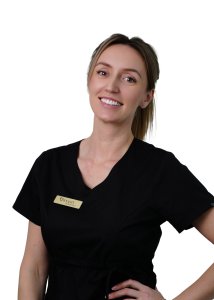
Tetiana Pererva
16 años de experiencia
Portafolio del cirujano


Revisado médicamente por
Fahad Mawlood
Los brackets en Polonia suelen costar desde $700 hasta $1,200 por un tratamiento completo. El precio final depende del sistema de brackets elegido, la complejidad clínica y la ciudad donde se realice el tratamiento. En los EE. UU., procedimientos de ortodoncia similares cuestan alrededor de $4,000 en promedio. Los pacientes pueden lograr ahorros de alrededor del 76% en comparación con los precios estadounidenses. Los paquetes básicos a menudo incluyen el aparato, la instalación y las imágenes de diagnóstico iniciales, como radiografías o tomografías computarizadas.
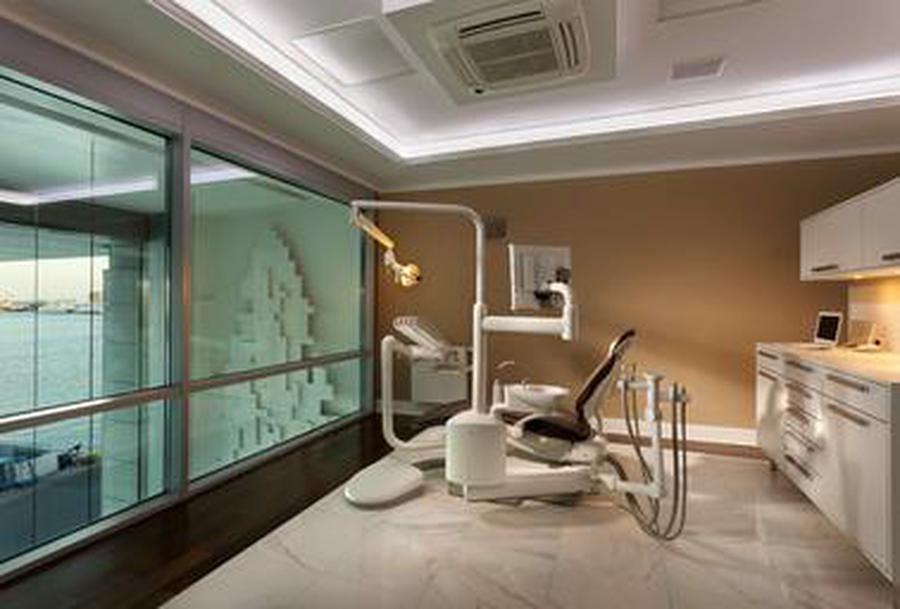
Perspectiva del experto de Bookimed: Elegir una clínica en Cracovia o Varsovia brinda acceso a centros de gran volumen como RIKOTA. Estas instalaciones tratan hasta 60,000 pacientes al año y ofrecen materiales suizos avanzados de Straumann. Algunas clínicas, como Dynasty Stomatology, ofrecen diagnósticos completos en el lugar, incluidas tomografías computarizadas. Esta integración a menudo reduce el tiempo total dedicado a viajar para citas de imágenes por separado. Muchos ortodoncistas polacos son miembros de sociedades de ortodoncia estadounidenses y europeas, lo que garantiza estándares de calidad internacionales.
| Polonia | España | Estados Unidos | |
|---|---|---|---|
| Brackets | de $700 | de $1,900 | de $4,000 |
| Instalación de ortodoncia lingual | de $1,800 | ≈ $5,500 | de $8,000 |
| Brackets metálicos (Corea del Sur), 1 mandíbula | de $920 | ≈ $1,300 | ≈ $2,500 |
| Brackets de cerámica | de $1,000 | de $2,800 | de $4,000 |
| Brackets cerámicos de autoligado Damon Clear (EE. UU.), 1 mordaza | de $1,700 | de $4,100 | de $2,500 |
Bookimed, una plataforma líder mundial en turismo médico, se compromete a ayudar a los clientes que buscan aparatos ortopédicos en Polonia ofreciéndoles asistencia experta y soluciones médicas confiables para cada situación. Se utiliza un sistema de clasificación automático inteligente para elaborar listas de clínicas transparentes, mantenidas meticulosamente por un científico de datos que utiliza IA para mayor precisión. La plataforma garantiza la autenticidad al publicar reseñas de pacientes reales después de sus tratamientos. Bookimed ofrece soluciones médicas integrales, con actualizaciones de las clínicas para garantizar la confiabilidad. El contenido sobre brackets en Polonia, elaborado por autores médicos experimentados y revisado por especialistas, cumple con las pautas editoriales de Bookimed , lo que refleja el compromiso de la plataforma de brindar información de salud clara y de alta calidad. Para obtener más detalles o consultas, no dude en contactarnos en marketing@bookimed.com o obtenga más información sobre nosotros y nuestra misión Acerca de Bookimed .
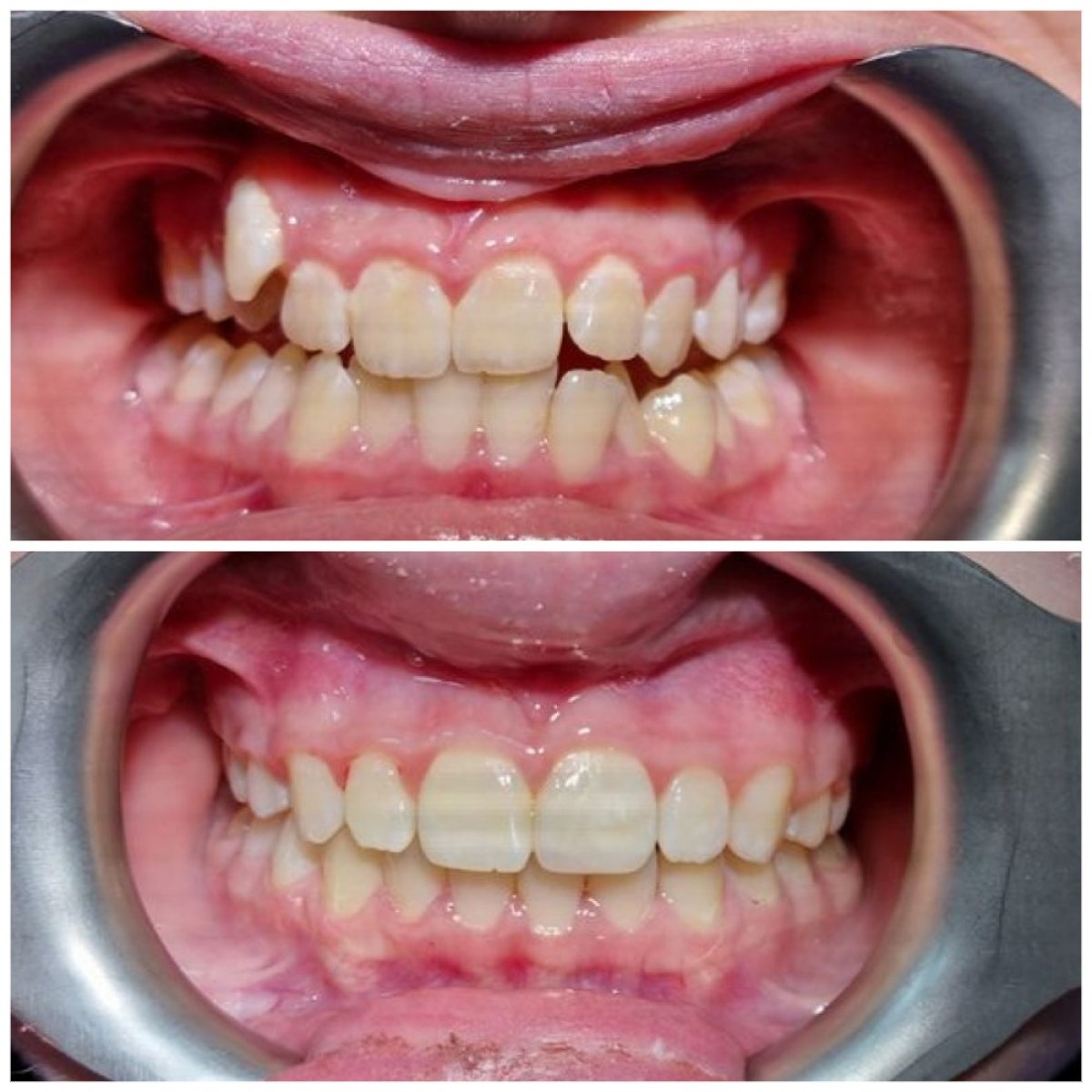
La Dra. Tetiana Pererva es ortodoncista en Dynasty Stomatology en Cracovia. Se centra en el sistema estomatognático para garantizar una corrección estable de la mordida. La Dra. Pererva trata tanto a niños como a adultos. Utiliza protocolos de fotografía digital para cada caso. Su trabajo ayuda a prevenir anomalías graves en la primera infancia.
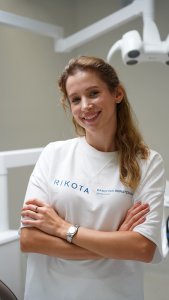

Especializada en odontología estética con enfoque en la reconstrucción de la sonrisa, la Dra. Dabkowska combina una visión artística con una formación avanzada.

El Dr. Tomasz Machan es cirujano oral y especialista en rehabilitación en Denta-Line Dabkowscy en Varsovia. Realiza restauraciones dentales, incluidos los sistemas de implantes All-on-4 y All-on-6. El Dr. Machan trata enfermedades periodontales y realiza cirugías maxilofaciales, como la extirpación de quistes maxilares. Trabaja con carillas, coronas y remodelación dental.


 Olena Sikoza
El tratamiento de ortodoncia en Polonia suele durar de 18 a 36 meses en casos estándar. Los problemas complejos o las maloclusiones graves pueden extender los plazos a 48 meses o más. La duración está influenciada por el sistema de brackets específico, la edad del paciente y la constancia en las citas de seguimiento en ciudades como Cracovia o Varsovia.
Perspectiva del experto de Bookimed: El volumen de pacientes a menudo indica la fiabilidad clínica en Polonia. Grandes redes como RIKOTA atienden a 60.000 pacientes al año con un equipo de 60 especialistas. Elegir clínicas de alto volumen garantiza que su ortodoncista tenga una amplia experiencia con alineaciones de mordida raras o complejas. Esto ayuda a minimizar los retrasos en el tratamiento causados por ajustes en el plan a mitad del proceso.
La colocación de ortodoncia profesional en Polonia es prácticamente indolora, aunque los pacientes suelen experimentar un dolor de leve a moderado a medida que los dientes comienzan a moverse. La adhesión inicial no requiere agujas ni taladros, mientras que los primeros 2 a 4 días después de la aplicación representan el período pico de dolor y presión en la mandíbula.
Perspectiva de expertos de Bookimed: Las clínicas polacas a menudo proporcionan kits completos y gratuitos para el dolor que incluyen cera de ortodoncia y enjuagues especializados. Los datos muestran que clínicas como Albusdent se centran mucho en la comodidad de niños y adultos, utilizando materiales de alta gama de marcas como 3M y Ormco. Estos diseños de brackets más suaves pueden reducir significativamente las úlceras bucales internas que a menudo se asocian con los sistemas metálico
Las visitas de control para aparatos de ortodoncia en Polonia suelen ocurrir cada 4 a 8 semanas para monitorear el progreso y ajustar los arcos. La mayoría de las clínicas privadas prefieren un intervalo de 6 semanas para equilibrar la eficiencia del tratamiento con la estabilidad del movimiento dental, asegurando que la fuerza correctiva permanezca constante sin abrumar al paciente.
Perspectiva del experto de Bookimed: Los datos de los pacientes muestran que Polonia es un destino mundial líder para ortodoncia compleja como los sistemas linguales o Damon Clear. Aunque muchos asumen que las visitas más frecuentes aceleran los resultados, las observaciones de Bookimed sugieren que seguir el protocolo polaco estandarizado de 6 semanas evita el ajuste excesivo. Esto realmente protege las raíces y mantiene altas tasas de éxito en las 86 clínicas disponibles.
Consenso de los pacientes
Las restricciones dietéticas con los brackets se centran en proteger los brackets y los alambres de daños. Debe evitar alimentos duros, pegajosos y masticables como nueces, pretzels duros, caramelo y dulces gomosos. Los elementos duros pueden romper los alambres, mientras que los alimentos pegajosos pueden despegar los brackets y acumular placa.
Perspectiva de expertos de Bookimed: Muchos pacientes eligen Polonia para el cuidado de ortodoncia, como el Albusdent Dentistry Centre, que reporta una tasa de éxito del 99,9% en brackets. Aunque el tratamiento es asequible, recuerde que romper brackets con alimentos duros puede añadir semanas a su cronograma. Cortar bordes de pizza duros o bagels en trozos pequeños protege su inversión y asegura resultados más rápidos.
Consenso de los pacientes: Espere que la primera semana después de los ajustes requiera la dieta más blanda posible deb
Polonia ofrece atención de ortodoncia de primer nivel para pacientes internacionales, con clínicas líderes en Varsovia y Cracovia especializadas en sistemas avanzados como Invisalign, brackets autoligables Damon y técnicas linguales. Centros altamente valorados como la Clínica Dental Villa Nova y Luxdentica mantienen estándares internacionales, proporcionando una corrección de mordida integral con ahorros significativos.
Perspectiva del experto de Bookimed: Aunque muchos buscan el precio más bajo, el verdadero valor en Polonia se encuentra en las capacidades de monitoreo remoto. Las mejores clínicas ahora utilizan aplicaciones de teléfonos inteligentes para rastrear el movimiento de los dientes, reduciendo la necesidad de visitas físicas mensuales. Esto hace que el tratamiento de ortodoncia a larga distancia sea viable para pacientes que viven en Europa o América del Norte.
La neurocirugía en Polonia ofrece atención de alta calidad en centros con certificación JCI e ISO. Los neurocirujanos polacos se adhieren a estrictos estándares de formación adoptados por la Unión Europea. Muchos han completado becas en Estados Unidos o Alemania. Tecnologías avanzadas, como CyberKnife, Gamma Knife y sistemas robóticos, están ampliamente disponibles en centros privados.
Opinión experta de Bookimed: Los datos muestran una fuerte correlación entre la especialización de una clínica y el origen de sus pacientes. La Clínica KCM atiende a más de 700 pacientes internacionales al año. Se especializa en cirugía de columna mínimamente invasiva. Este volumen de trabajo le permite ofrecer paquetes de servicios especializados, que a menudo incluyen bloques de diagnóstico e implantes específicos, como el DIAM de Medtronic.
Los neurocirujanos polacos son especialistas altamente cualificados que han completado al menos 13 años de rigurosa formación médica. Esto incluye seis años de estudios de medicina, 13 meses de prácticas y seis años de residencia. Deben aprobar el Examen Estatal de Especialización (PES) y suelen estar certificados por la Asociación Europea de Sociedades de Neurocirugía (EANS).
Opinión experta de Bookimed: Los datos muestran que los neurocirujanos polacos suelen especializarse en tecnologías altamente especializadas, como el sistema ApiFix o el sistema de endoscopia lumbar SED-YESS. Especialistas como el Dr. Stanisław Kwek, de la Clínica KCM, combinan la investigación postdoctoral con una práctica quirúrgica activa. Esta combinación de profundos conocimientos académicos y un alto volumen quirúrgico los hace especialmente eficaces en cirugías de columna complejas y mínimamente in
Entre las mejores clínicas neuroquirúrgicas de Polonia se encuentran el Hospital Carolina, la Clínica KCM y centros académicos de primer nivel como el Hospital Universitario de Cracovia. Estas instituciones ofrecen tratamientos de vanguardia para enfermedades de la columna vertebral y el cerebro que cumplen con los estándares de calidad ISO y emplean a especialistas miembros de organizaciones internacionales como AO Spine.
Opinión experta de Bookimed: Si bien muchos buscan los hospitales más grandes, los datos muestran que clínicas como el Hospital Carolina ofrecen mayor eficiencia para cirugías electivas. Con más de 40 médicos especialistas en este centro de 30 camas, la proporción médico-paciente es significativamente mayor que en los centros universitarios públicos. Esto se traduc
En Polonia, la neurocirugía se centra principalmente en cirugías de columna y extirpación de tumores cerebrales. Los hospitales realizan con frecuencia microdiscectomías, fusiones espinales y estimulación cerebral profunda. Centros como el Hospital Carolina y la Clínica KCM utilizan técnicas mínimamente invasivas para tratar hernias discales, lesiones de columna y trastornos neurológicos complejos.
Opinión experta de Bookimed: Polonia se ha convertido en un centro de estabilización espinal especializada. Clínicas como el Hospital Carolina colaboran con equipos deportivos nacionales, lo que refleja su alto nivel de experiencia en el tratamiento de lesiones espinales complejas. Nuestros datos muestran que estas instituciones suelen integrar la rehabilitación directamente en el tratamiento quirúrgico. Esta combinación reduce el riesgo de compl
La rehabilitación neurológica está ampliamente disponible en Polonia a través de centros especializados y hospitales multidisciplinarios. Los programas abarcan la recuperación tras un accidente cerebrovascular, una lesión medular y enfermedades degenerativas. Instituciones como el Hospital Karolina de Varsovia y la Clínica KCM ofrecen terapia supervisada. La mayoría de los programas neuroquirúrgicos incluyen una evaluación inicial de rehabilitación postoperatoria.
Opinión experta de Bookimed: Los datos muestran que las clínicas con una gran afluencia de pacientes internacionales, como la Clínica KCM, suelen incluir rehabilitación básica en sus paquetes quirúrgicos. Esto supone una ventaja significativa, ya que coordinar la neurorrehabilitación de forma independiente en Polonia puede ser complicado. Elegir una clínica con un especialista e