Implante dental guiado por ordenador en Polonia — encuentre las 3 mejores clínicas con costos


Revisado médicamente por
Fahad Mawlood
Cómo funciona
¿Cuál es el precio de Implante dental guiado por ordenador en Polonia? Descubra ahora
El costo de los implantes dentales asistidos por ordenador en Polonia suele oscilar de $1,100 a $1,900. Los precios varían según la marca del implante (como Straumann o Nobel Biocare), la tecnología de la clínica (como la planificación 3D y la cirugía guiada), la experiencia del cirujano y la cantidad de implantes necesarios. En Estados Unidos, el costo promedio es $5,400 (según AAOMS). Los implantes dentales asistidos por ordenador en Polonia suelen ser aproximadamente un 72% menos costosos que en EE. UU.
Las clínicas polacas normalmente incluyen diagnóstico 3D, planificación digital, guías quirúrgicas, implantes premium, pilares y visitas de seguimiento en el precio. En EE. UU., el precio anunciado suele cubrir solo el implante, con cargos adicionales por diagnóstico, guías quirúrgicas y pilares. Siempre confirmar qué está incluido con la clínica elegida.
Beneficios clave
- Realiza un implante dental asistido por computadora en Polonia con un ahorro del 60-75% en comparación con los EE.UU.
- Opciones principales de implantes: Nobel Biocare®, Straumann®, y Zimmer Biomet®.
- Revisión de fotos gratuita por un experto para determinar la mejor opción de implante dental para ti.
- Garantía disponible en ofertas selectas.
- Accede a ofertas exclusivas de clínicas de confianza en Polonia de $1,100.
| Polonia | España | Estados Unidos | |
|---|---|---|---|
| Implante dental guiado por ordenador | ≈ $1,100 | ≈ $1,200 | ≈ $4,200 |
| Implantes dentales guiados por ordenador All-on-6 | ≈ $8,500 | ≈ $15,000 | ≈ $18,500 |
| Implantes dentales guiados por ordenador All-on-4 | ≈ $6,200 | ≈ $14,000 | ≈ $17,500 |
Descubra las mejores clínicas de Implante dental guiado por ordenador en Polonia: 6 opciones verificadas y Precios

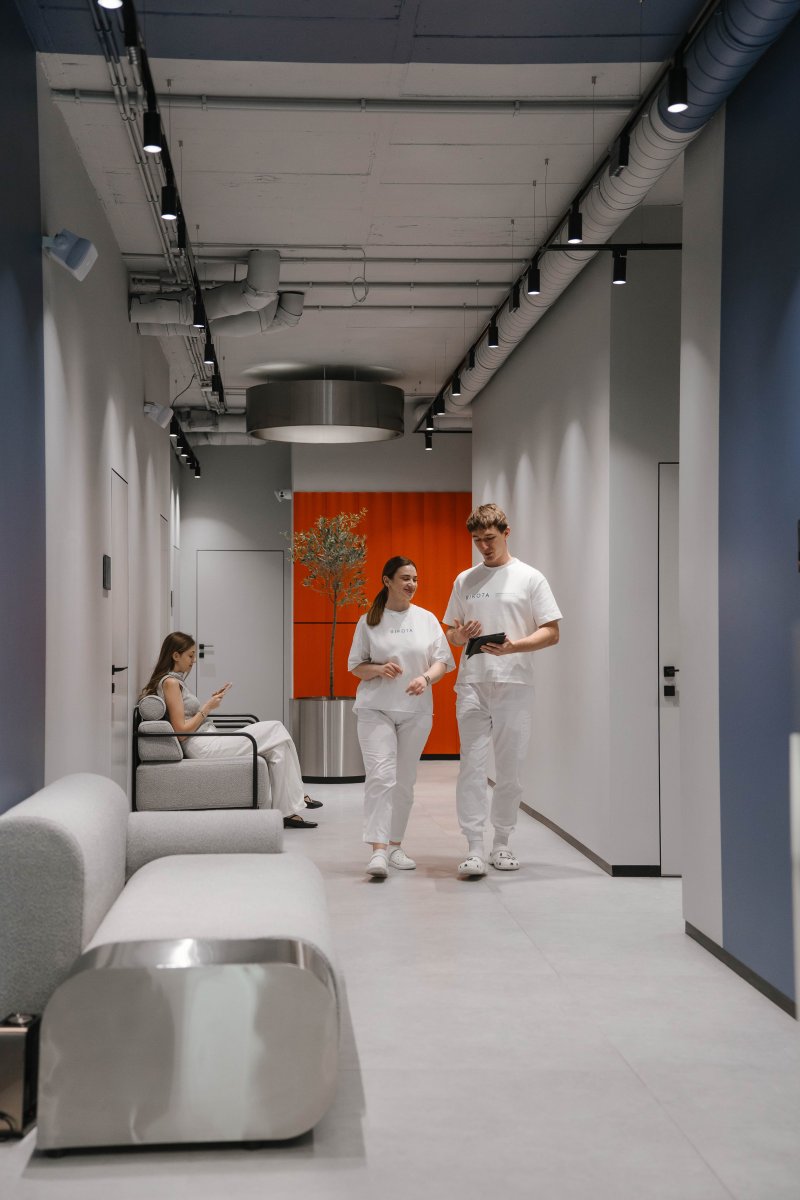
Clínica dental RIKOTA
Clinica dental Dynasty Stomatology Cracovia


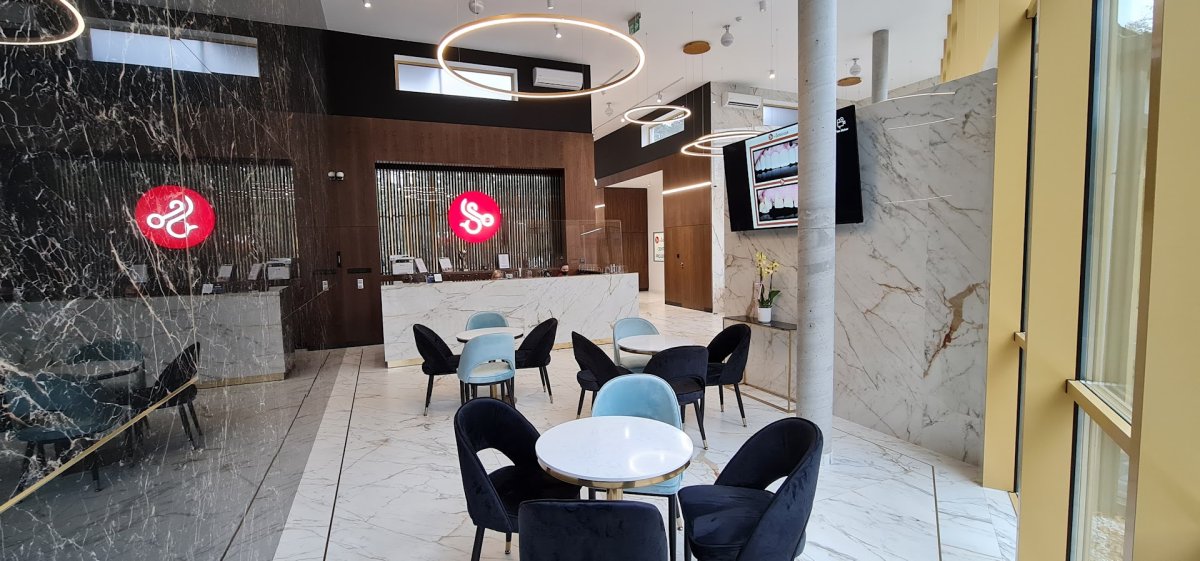
Kliniki Dr Sobczak
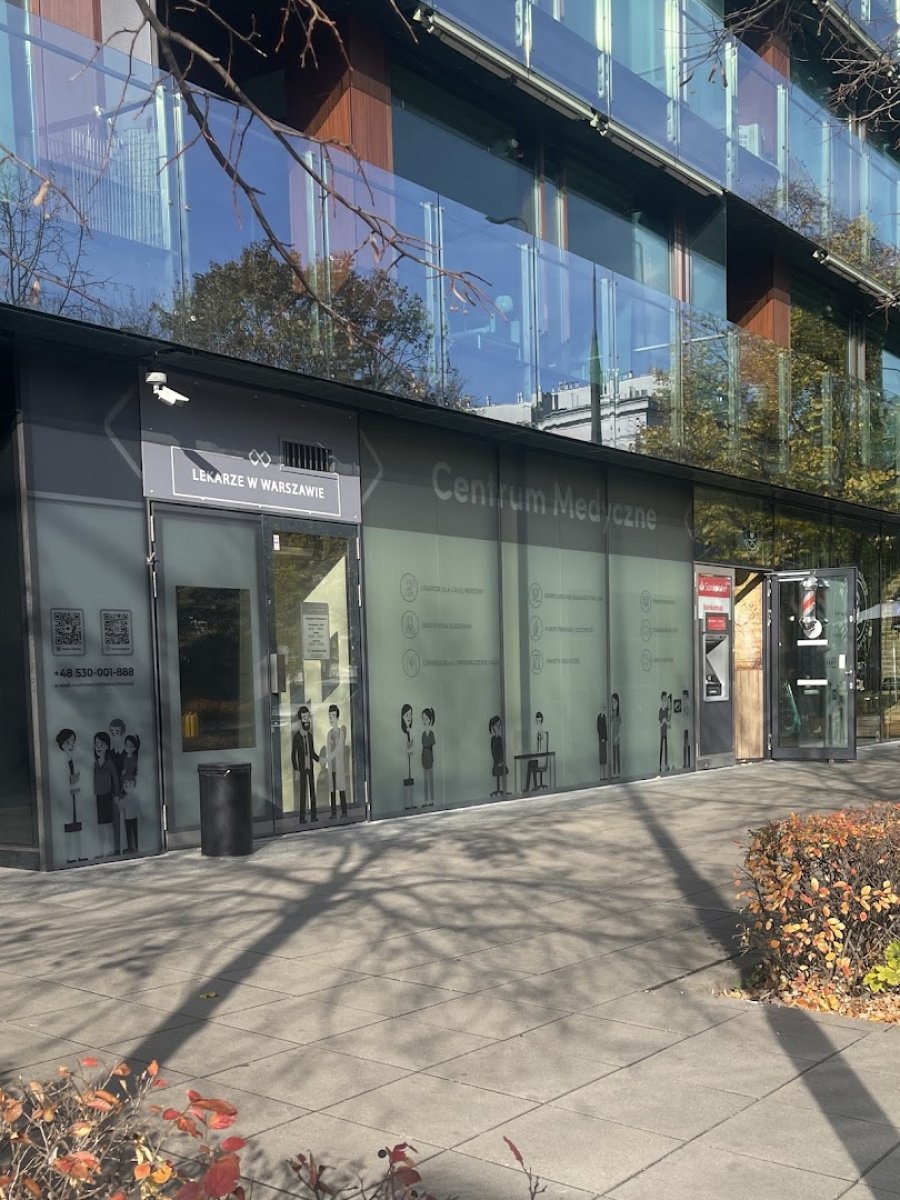
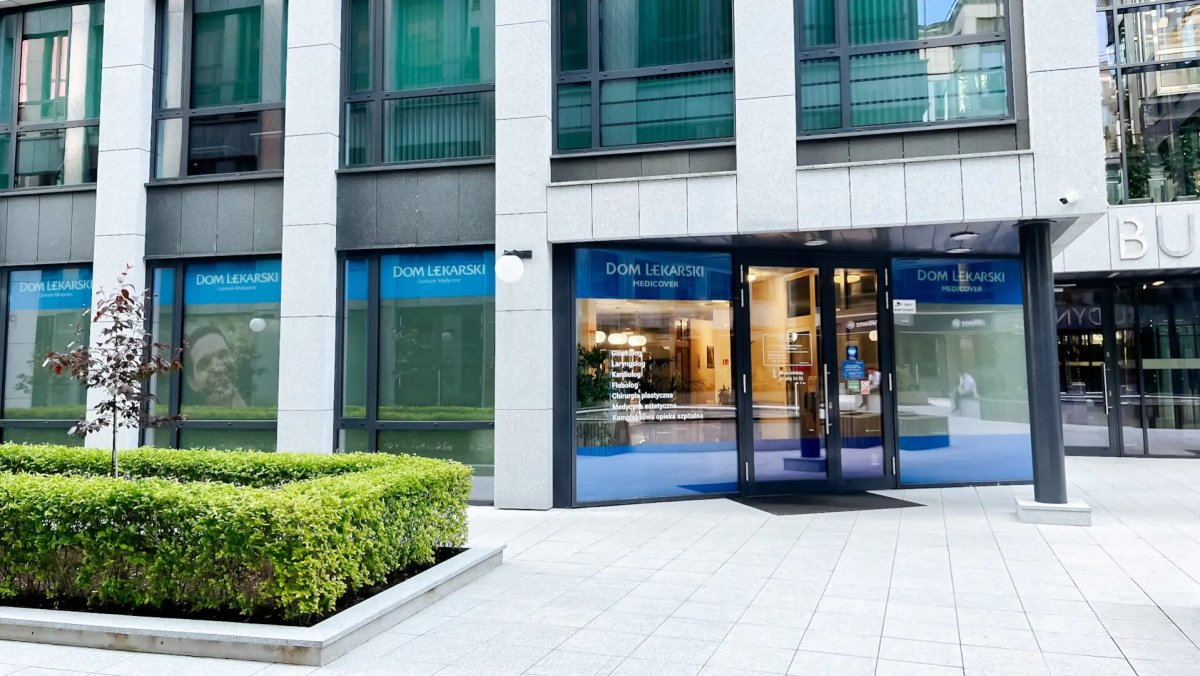
Medical Center “Lekarze w Warszawie”
Descripción general de Implante dental guiado por ordenador en Polonia
- Esta terapia reemplaza los dientes perdidos utilizando cuatro implantes y un software avanzado, lo que garantiza resultados precisos, duraderos y estéticos.
- Esta terapia implica la planificación digital para colocar seis implantes, lo que ayuda a la precisión, reduce el tiempo de recuperación y mejora la función dental.
- Implante dental guiado por ordenador - de $1,100Esta terapia utiliza precisión guiada por computadora para colocar implantes dentales, lo que mejora la precisión, la seguridad y los resultados.
Día 1
- Llegada al aeropuerto.
- Traslado al hotel.
- Descanso y aclimatación.
Dia 2
- Consulta con un cirujano dentista.
- Detallando el procedimiento de implante dental asistido por computadora.
- Realización de las pruebas médicas necesarias.
Día 3
- Preparación para la cirugía, incluidas las instrucciones de higiene bucal.
- Procedimientos adicionales si es necesario en base a los resultados de las pruebas.
Día 4
- Cirugía de implantes dentales asistida por ordenador (alrededor de 2-3 horas).
- Se utiliza anestesia local.
- Seguimiento postoperatorio en la clínica.
Dia 5
- Instrucciones de control y cuidados postoperatorios.
- Descanso y recuperación en el hotel.
Semana 1-2
- Visita de seguimiento a la clínica para retiro de puntos.
- Reanudación lenta de la dieta y actividades regulares.
Semana 3-4
- Volver al trabajo.
- Regreso gradual a los deportes y otras actividades.
Semana 5-6
- Los resultados finales son visibles y el implante completamente funcional.
Nota: Cada caso es diferente y el cronograma puede variar según la tasa de recuperación individual y la complejidad del procedimiento.
- Depósito de Bookimed: 200 $ o 200 €.
- Depósito de la clínica: Pague un porcentaje fijo por adelantado.
Obtenga una evaluación médica para Implante dental guiado por ordenador en Polonia: Elija su especialista entre los mejores en el campo
Ver todos los médicos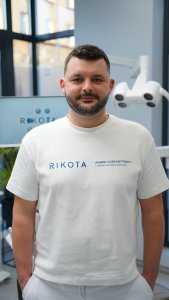
Andrii Vodianytski
Especialista en implantes dentales asistidos por computadora: combina tecnología de precisión con experiencia quirúrgica para obtener resultados óptimos.
- Capacitado en técnicas avanzadas de implantología
- Se centra en procedimientos mínimamente invasivos
- Utiliza sistemas de cirugía guiada para mayor precisión
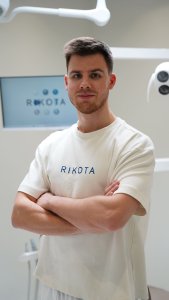
Vadym Shemiakov
Especialista en implantes dentales asistidos por computadora, garantizando precisión y resultados óptimos en la Clínica Dental RIKOTA.
- Experiencia en técnicas avanzadas de implantes dentales
- Enfoque en planes de tratamiento específicos para cada paciente
- Utiliza tecnología de vanguardia para colocaciones precisas
Historias en video de pacientes de Bookimed
Reseñas
Todas las reseñas


Compartir contenido
 Olena Sikoza
Preguntas frecuentes sobre Implante dental guiado por ordenador en Polonia
¿En qué se diferencia la cirugía de implantes dentales asistida por ordenador del método tradicional a mano alzada?
La cirugía de implantes dentales asistida por ordenador utiliza datos digitales en 3D y tomografías computarizadas de haz cónico (CBCT) para planificar con antelación la ubicación, el ángulo y la profundidad exactos del implante. Este método ofrece una mayor precisión que la cirugía a mano alzada, que depende únicamente del juicio visual y la experiencia manual del clínico durante el procedimiento.
- Niveles de precisión: La cirugía guiada reduce la desviación angular a entre 2 y 4 grados durante la colocación.
- Invasividad quirúrgica: Los flujos de trabajo digitales a menudo permiten una cirugía sin colgajo y con incisiones mucho más pequeñas.
- Velocidad de recuperación: El traumatismo tisular mínimo conduce a significativamente menos dolor e hinchazón postoperatorios.
- Perfiles de seguridad: Las plantillas preplanificadas reducen los riesgos de daño nervioso o perforación sinusal.
Perspectiva de expertos de Bookimed: Clínicas polacas como la RIKOTA Dental Clinic utilizan un flujo de trabajo totalmente digital para casos complejos. Esta tecnología hace que los procedimientos All-on-4 y All-on-6 sean mucho más predecibles que los métodos manuales. Aunque la cirugía guiada cuesta un poco más, la precisión ahorra tiempo y evita costosos tratamientos correctivos posteriores.
¿Cuál es la tasa de éxito de los implantes dentales guiados por computadora?
Los implantes dentales guiados por computadora mantienen una tasa de éxito de entre el 94,5% y el 100% en cinco años. Esta tecnología resulta en una tasa de fracaso del 2,25%, que es casi tres veces menor que la cirugía tradicional a mano alzada. La alta precisión garantiza una colocación ideal dentro de la densidad ósea disponible.
- Tasa de éxito: Los estudios reportan tasas de supervivencia de 1 a 5 años que oscilan entre el 94,5% y el 100%.
- Reducción de fracasos: Los métodos guiados reducen los fracasos al 2,25% en comparación con el 6,42% de la cirugía a mano alzada.
- Precisión de colocación: La planificación con escaneos CBCT asegura un posicionamiento tridimensional ideal cerca de los nervios anatómicos.
- Trauma quirúrgico: Las técnicas sin colgajo minimizan la hinchazón y el dolor, lo que lleva a una recuperación más rápida del paciente.
Perspectiva de expertos de Bookimed: Las clínicas en Cracovia a menudo utilizan un flujo de trabajo totalmente digital para garantizar una alta precisión. Los datos sugieren que los cirujanos con más de 100 casos guiados logran los resultados más consistentes. Solicite una revisión CBCT preoperatoria con su médico para confirmar sus niveles de densidad ósea. Este paso previene la mayoría de los raros fallos técnicos antes de que comience la cirugía.
Consenso de los pacientes:
¿Es doloroso el procedimiento de implante y cuál es la recuperación típica?
Los implantes dentales asistidos por computadora en Polonia son generalmente indoloros. Los cirujanos utilizan anestesia local o sedación para garantizar la comodidad. La tecnología de guía de precisión permite realizar incisiones mínimamente invasivas. Esto reduce el trauma en las encías. La curación superficial tarda de 1 a 2 semanas. La integración completa en el hueso maxilar requiere de 3 a 6 meses.
- Niveles de dolor: Los pacientes reportan una molestia leve calificada de 2 a 4 en una escala de 10 puntos.
- Pico de recuperación: La hinchazón y los hematomas suelen alcanzar su punto máximo entre el día 2 y el día 3.
- Precisión guiada: Las técnicas guiadas por computadora a menudo resultan en una curación más rápida que la cirugía abierta tradicional.
- Regreso a la actividad: La mayoría de los pacientes regresan al trabajo dentro de 1 a 2 días después de la cirugía.
- Cronograma dietético: Es necesario consumir alimentos blandos durante 3 días antes de volver a la alimentación normal.
Perspectiva del experto de Bookimed: La tecnología guiada por computadora en Polonia cambia drásticamente la experiencia de recuperación en comparación con los métodos tradicionales. Clínicas como HALDENT utilizan mapeo digital para evitar con precisión los nervios y los senos paranasales. Esta precisión a menudo hace que la fase post
¿Cuánto dura el tratamiento completo de implantes asistido por computadora en Polonia?
Los tratamientos de implantes dentales asistidos por computadora en Polonia suelen durar de 3 a 6 meses. Este cronograma incluye dos visitas clínicas distintas separadas por una fase de curación. Si bien los escaneos CBCT 3D y la planificación digital hacen que la cirugía de 1 a 4 horas sea altamente precisa, la fusión ósea biológica dicta la duración total.
- Duración de la primera visita: Pase de 3 a 7 días en Polonia para diagnósticos digitales y colocación guiada de implantes.
- Velocidad quirúrgica: Los métodos guiados por computadora reducen el tiempo en el sillón en un 50 % en comparación con la cirugía tradicional a mano alzada.
- Período de curación: Espere de 3 a 6 meses para la osteointegración antes de que el hueso pueda soportar los dientes permanentes.
- Restauración final: Regrese para un segundo viaje de 5 a 7 días para colocar las coronas de circonio permanentes.
Perspectiva del experto de Bookimed: Aunque la mayoría de las clínicas sugieren 3 meses para la curación, los datos muestran que la planificación asistida por computadora reduce los ajustes postoperatorios. Clínicas como HALDENT tratan a 1,500 pacientes al año utilizando estos flujos de trabajo digitales optimizados. Elegir una clínica con un alto volumen garantiza que utilicen las últimas plantillas guiadas para una recuperación más rápida.
Consenso de
¿Quién es candidato para implantes dentales guiados por computadora?
Los candidatos para implantes dentales guiados por computadora incluyen pacientes que requieren alta precisión debido a una anatomía oral compleja o densidad limitada del hueso maxilar. Ideal para restauraciones de arco completo como All-on-4, esta tecnología utiliza escaneos CBCT 3D para garantizar una colocación precisa cerca de nervios sensibles y cavidades sinusales, minimizando la invasividad quirúrgica.
- Complejidad anatómica: Proporciona mapeo 3D para pacientes con mandíbulas estrechas o colocaciones cerca de nervios.
- Restauración de boca completa: Asegura una alineación perfecta para sistemas de múltiples dientes como los protocolos All-on-6 guiados por computadora.
- Necesidades de la zona estética: Ofrece precisión milimétrica para implantes en la fila frontal que afectan su sonrisa natural.
- Preferencia mínimamente invasiva: Se adapta a pacientes que buscan incisiones más pequeñas, menos sangrado y tiempos de curación más rápidos.
- Requisitos de salud sistémica: Los candidatos necesitan azúcar en sangre controlada y encías saludables para la fusión ósea.
Perspectiva del experto de Bookimed: Clínicas polacas como HALDENT atienden a 1,500 pacientes al año aprovechando la planificación CBCT 3D para evitar injertos óseos extensos. Esta precisión reduce el tiempo en el sillón a 30–45 minutos. Es una elección e
¿Qué ciudades polacas están mejor equipadas para el turismo dental guiado por computadora?
Cracovia y Varsovia son los principales centros de Polonia para el turismo dental guiado por computadora. Estas ciudades albergan clínicas equipadas con imágenes CBCT 3D, planificación exocad y software NobelClinician. Las instalaciones avanzadas en estos centros se especializan en flujos de trabajo totalmente digitales para la colocación precisa de implantes dentales y restauraciones.
- Tecnología en Cracovia: Las clínicas utilizan simulaciones 3D preoperatorias y guías asistidas por computadora para procedimientos de implantes.
- Especialistas en Varsovia: Los centros digitales ofrecen restauraciones de arco completo como sistemas All-on-4 y All-on-6 guiados por computadora.
- Estándares de software: Las clínicas de primer nivel importan software alemán e israelí como NobelClinician para lograr precisión quirúrgica.
- Acceso a equipos: Los centros urbanos cuentan con tecnología CAD/CAM, que a menudo no está disponible en ciudades polacas más pequeñas.
Opinión de expertos de Bookimed: Las clínicas de Varsovia suelen liderar en casos de alta tecnología All-on-4 utilizando sistemas NobelGuide. Cracovia ofrece una ventaja competitiva para implantes individuales guiados por computadora a partir de $1,100. Si bien ambas ciudades mantienen altos estándares, las clínicas más grandes de Varsovia a menudo ofrecen equipos quirúrgicos más c
¿Qué recursos tienen los pacientes extranjeros si surgen complicaciones después de un tratamiento en Polonia?
Los pacientes extranjeros en Polonia tienen los mismos derechos legales que los ciudadanos para buscar compensación por complicaciones médicas. Los recursos incluyen presentar quejas ante el Defensor de los Derechos del Paciente, buscar una compensación sin culpa por errores clínicos o iniciar un litigio civil a través de los tribunales polacos contra el seguro de responsabilidad civil obligatorio de un centro.
- Defensor de los Derechos del Paciente: Gestiona las investigaciones sobre violaciones de derechos y facilita los esquemas de compensación por lesiones.
- Litigio civil: Los pacientes pueden demandar por daños materiales y dolor a través de los tribunales civiles polacos.
- Seguro de responsabilidad civil obligatorio: Todos los proveedores médicos polacos deben tener cobertura para pagar las reclamaciones de los pacientes.
- Estatuto de limitaciones: Las reclamaciones legales generalmente deben presentarse dentro de los 3 años posteriores al descubrimiento del daño.
Perspectiva del experto de Bookimed: Aunque el recurso legal es sólido, la mayoría de las resoluciones ocurren a nivel de la clínica. Los centros especializados como la Clínica Dental HALDENT mantienen un alto volumen de pacientes, atendiendo a unas 1.500 personas al año. Las clínicas de alto volumen a menudo tienen protocolos dedicados para identificar y resolver problemas
¿Qué tan alta es la calidad de la neurocirugía en Polonia?
La neurocirugía en Polonia ofrece atención de alta calidad en centros con certificación JCI e ISO. Los neurocirujanos polacos se adhieren a estrictos estándares de formación adoptados por la Unión Europea. Muchos han completado becas en Estados Unidos o Alemania. Tecnologías avanzadas, como CyberKnife, Gamma Knife y sistemas robóticos, están ampliamente disponibles en centros privados.
- Cualificaciones especializadas: Los médicos suelen ser miembros de la Asociación Europea de Sociedades de Neurocirugía.
- Tecnologías avanzadas: Las clínicas utilizan sistemas CyberKnife y ultrasonido enfocado guiado por resonancia magnética para el tratamiento cerebral no invasivo.
- Volumen clínico: Centros líderes como el Hospital Universitario de Cracovia tratan a más de 455.000 pacientes al año.
- Cirujanos experimentados: El Dr. Maciej Bujko del Hospital Carolina ha realizado más de 2.500 cirugías por su cuenta.
Opinión experta de Bookimed: Los datos muestran una fuerte correlación entre la especialización de una clínica y el origen de sus pacientes. La Clínica KCM atiende a más de 700 pacientes internacionales al año. Se especializa en cirugía de columna mínimamente invasiva. Este volumen de trabajo le permite ofrecer paquetes de servicios especializados, que a menudo incluyen bloques de diagnóstico e implantes específicos, como el DIAM de Medtronic.
¿Cuáles son las cualificaciones de los neurocirujanos polacos?
Los neurocirujanos polacos son especialistas altamente cualificados que han completado al menos 13 años de rigurosa formación médica. Esto incluye seis años de estudios de medicina, 13 meses de prácticas y seis años de residencia. Deben aprobar el Examen Estatal de Especialización (PES) y suelen estar certificados por la Asociación Europea de Sociedades de Neurocirugía (EANS).
- Educación: Los médicos reciben educación médica (medicina) después de 6 años de estudio en la universidad.
- Especialización: La residencia incluye 6 años de formación modular en neurocirugía clínica y neurorradiología.
- Volumen quirúrgico: Los residentes a menudo realizan más de 1.000 cirugías, lo que excede el volumen de capacitación promedio en otras regiones.
- Certificados: Muchos especialistas son miembros de AO Spine o de la Sociedad Polaca de Cirugía de Columna.
Opinión experta de Bookimed: Los datos muestran que los neurocirujanos polacos suelen especializarse en tecnologías altamente especializadas, como el sistema ApiFix o el sistema de endoscopia lumbar SED-YESS. Especialistas como el Dr. Stanisław Kwek, de la Clínica KCM, combinan la investigación postdoctoral con una práctica quirúrgica activa. Esta combinación de profundos conocimientos académicos y un alto volumen quirúrgico los hace especialmente eficaces en cirugías de columna complejas y mínimamente in
¿Cuáles son las mejores clínicas neuroquirúrgicas en Polonia?
Entre las mejores clínicas neuroquirúrgicas de Polonia se encuentran el Hospital Carolina, la Clínica KCM y centros académicos de primer nivel como el Hospital Universitario de Cracovia. Estas instituciones ofrecen tratamientos de vanguardia para enfermedades de la columna vertebral y el cerebro que cumplen con los estándares de calidad ISO y emplean a especialistas miembros de organizaciones internacionales como AO Spine.
- Hospital Carolina: Centro Médico de Excelencia FIFA, especializado en cirugías de columna complejas y mínimamente invasivas.
- Clínica KCM: Reconocida internacionalmente por la calidad de sus procedimientos endoscópicos de columna, atendiendo a más de 700 pacientes internacionales anualmente.
- Hospital Universitario de Cracovia: un gran centro multidisciplinario que realiza más de 800 operaciones neuroquirúrgicas al año desde 1788.
- Luxmed: un reconocido centro médico privado en Varsovia especializado en cirugía de columna avanzada para pacientes internacionales.
Opinión experta de Bookimed: Si bien muchos buscan los hospitales más grandes, los datos muestran que clínicas como el Hospital Carolina ofrecen mayor eficiencia para cirugías electivas. Con más de 40 médicos especialistas en este centro de 30 camas, la proporción médico-paciente es significativamente mayor que en los centros universitarios públicos. Esto se traduc