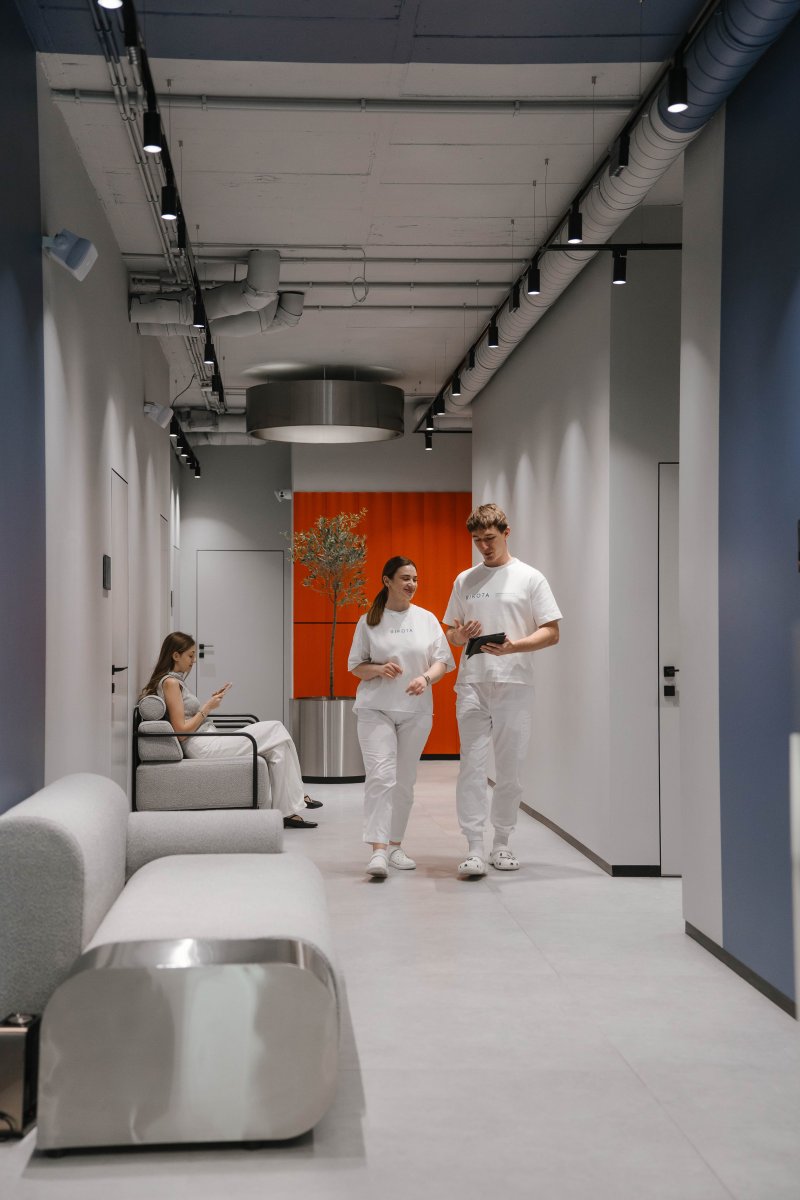
Clínica dental RIKOTA
Polonia, Varsovia


Revisado médicamente por
Fahad Mawlood
De $2,000. Los precios varían según la clínica, la experiencia del cirujano, el tipo de material de injerto utilizado (como hueso sintético o autógeno) y si se requieren procedimientos adicionales como la colocación de membrana. En Estados Unidos, el precio promedio es $1,500 (según AAOMS). Esto significa que una elevación de seno en Polonia puede costar aproximadamente un 0% menos que en EE. UU.
Las clínicas polacas suelen incluir en el precio la consulta inicial, análisis de sangre preoperatorios, medicación postoperatoria, visitas de seguimiento, personal que habla inglés y planes de atención individualizados. A menudo se ofrecen comidas durante las visitas a la clínica y soporte al paciente las 24 horas. En EE. UU., el precio indicado puede cubrir solo el procedimiento, con cargos adicionales por anestesia, imágenes y seguimientos. Siempre confirmar exactamente qué está incluido con cada clínica.
| Polonia | España | Estados Unidos | |
|---|---|---|---|
| Elevación de seno con técnica de ventana lateral | de $2,000 | de $670 | de $1,500 |
Bookimed no añade cargos adicionales a los precios de Elevación de seno con técnica de ventana lateral . Las tarifas proceden de las listas de precios oficiales de las clínicas. Pagará directamente en la clínica por su Elevación de seno con técnica de ventana lateral a su llegada al país.
Bookimed está comprometido con su seguridad. Solo trabajamos con las clínicas que mantienen altos estándares internacionales en Elevación de seno con técnica de ventana lateral y tienen las licencias necesarias para atender a pacientes internacionales en todo el mundo.
Bookimed ofrece asistencia experta gratuita. Un coordinador médico personal le apoya antes, durante y después del tratamiento, resolviendo cualquier problema. Nunca estará solo en su viaje médico de Elevación de seno con técnica de ventana lateral .

Día 1
Dia 2
Día 3
Día 4
Dia 5
Semana 1
Semana 2-4
Semana 5-8
Semana 9-12
Tenga en cuenta que el proceso de recuperación de cada paciente es único y puede variar de esta línea de tiempo.
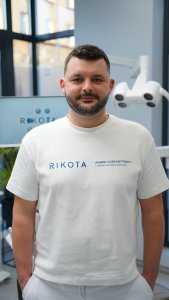
Especializado en procedimientos dentales avanzados, el Dr. Vodianytski se centra en la precisión en las técnicas de elevación de seno maxilar con ventana lateral.
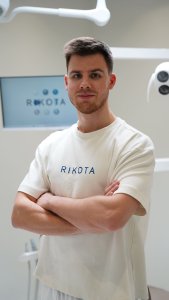

Desarrolló la técnica FLY-SAFE para procedimientos de elevación de seno maxilar: un enfoque modificado para obtener resultados más seguros y eficaces. También creó el método 'BUTTERFLY' para la protección de la mucosa.


 Olena Sikoza
La técnica de ventana lateral se prefiere sobre un abordaje crestal cuando la altura ósea residual es inferior a 5 mm. Los cirujanos eligen este método para deficiencias óseas graves o anatomía sinusal compleja que requiere visualización directa. Sigue siendo el estándar de oro para lograr una ganancia ósea vertical significativa superior a 9 mm.
Perspectiva del experto de Bookimed: Aunque los levantamientos laterales estándar son comunes, especialistas en Polonia como el Dr. Daniel Ciapinski en la Clínica Dentrum utilizan modificaciones avanzadas. Técnicas como FLY-SAFE y BUTTERFLY priorizan la protección de la membrana durante la creación de la ventana. Estos métodos refinados tienen como objetivo reducir el riesgo estándar del 20% de desgarro de la membrana observado en los abordajes laterales tradicionales.
Consenso de los pacientes: Los pacientes con menos de 4 mm d
Las precauciones postoperatorias obligatorias después de una elevación de seno por ventana lateral se centran en evitar cambios de presión que podrían desgarrar la membrana de Schneider o desplazar el material de injerto óseo. Los pacientes deben evitar sonarse la nariz, succionar con pajitas y levantar objetos pesados durante al menos 4 semanas para garantizar la estabilidad del injerto.
Perspectiva del experto de Bookimed: Especialistas polacos como el Dr. Daniel Ciapinski de la Clínica Dentrum utilizan técnicas avanzadas FLY-SAFE y BUTTERFLY diseñadas específicamente para la protección de la membrana. Estos enfoques modificados pueden reducir el riesgo de perforación de la membrana en comparación con los métodos tradicionales de ventana lateral. Elegir un cirujano que enseñe estos protocolos de seguridad específicos a menudo resulta en una estabilidad del implante a l
Una elevación de seno maxilar por ventana lateral en Polonia requiere normalmente de 4 a 9 meses para la integración ósea antes de colocar los implantes dentales. La mayoría de los pacientes alcanzan la maduración completa a los 6 meses. Este plazo permite que el material del injerto se remodele en hueso vivo mediante osteointegración dentro del seno maxilar.
Perspectiva del experto de Bookimed: Las clínicas polacas suelen utilizar potenciadores biológicos avanzados para optimizar la recuperación. Por ejemplo, el Dr. Daniel Ciapinski de la Dentrum Clinic se especializa en investigación sobre curación con fibrina rica en plaquetas (PRF) respaldada por doctorados. Elegir a un especialista que utilice la tecnología PRF o la técnica FLY-SAFE puede mejorar significativamente la estabilidad del injerto en comparación con los métodos tradicionales por sí solos.
Consenso de los pacientes: Los paci
La cirugía de elevación de seno maxilar por ventana lateral no es dolorosa durante el procedimiento debido a la combinación de anestesia local y sedación intravenosa. Aunque es más invasiva que las elevaciones verticales, los cirujanos en Polonia utilizan técnicas especializadas para minimizar el trauma y garantizar la comodidad del paciente durante todo el proceso.
Perspectiva del experto de Bookimed: Las clínicas dentales líderes de Polonia, como RIKOTA, atienden a 60,000 pacientes al año y a menudo utilizan sistemas de navegación avanzados. El Dr. Daniel Ciapinski es pionero en el uso de navegación completa para el sistema de implantes Thommen Medical. Elegir clínicas con tal volumen de experiencia y métodos patentados de protección de membrana reduce significativamente el riesgo de complicaciones postoperatorias.
La elevación de seno por ventana lateral implica crear una pequeña abertura en el lado del hueso maxilar para acceder al seno. Los cirujanos levantan cuidadosamente la membrana de Schneider e insertan material de injerto óseo. Este proceso construye suficiente densidad ósea para soportar la estabilidad a largo plazo de los implantes dentales en la mandíbula superior.
Perspectiva del experto de Bookimed: Las clínicas polacas avanzadas utilizan métodos patentados como las técnicas FLY-SAFE y BUTTERFLY para mejorar la seguridad. El Dr. Daniel Ciapinski de la Clínica Dentrum fue pionero en estos enfoques. Se centran en proteger la delicada membrana sinusal durante la elevación. El uso de sistemas de navegación completos aumenta aún más la precisión durante la colocación posterior del implante.
La neurocirugía en Polonia ofrece atención de alta calidad en centros con certificación JCI e ISO. Los neurocirujanos polacos se adhieren a estrictos estándares de formación adoptados por la Unión Europea. Muchos han completado becas en Estados Unidos o Alemania. Tecnologías avanzadas, como CyberKnife, Gamma Knife y sistemas robóticos, están ampliamente disponibles en centros privados.
Opinión experta de Bookimed: Los datos muestran una fuerte correlación entre la especialización de una clínica y el origen de sus pacientes. La Clínica KCM atiende a más de 700 pacientes internacionales al año. Se especializa en cirugía de columna mínimamente invasiva. Este volumen de trabajo le permite ofrecer paquetes de servicios especializados, que a menudo incluyen bloques de diagnóstico e implantes específicos, como el DIAM de Medtronic.
Los neurocirujanos polacos son especialistas altamente cualificados que han completado al menos 13 años de rigurosa formación médica. Esto incluye seis años de estudios de medicina, 13 meses de prácticas y seis años de residencia. Deben aprobar el Examen Estatal de Especialización (PES) y suelen estar certificados por la Asociación Europea de Sociedades de Neurocirugía (EANS).
Opinión experta de Bookimed: Los datos muestran que los neurocirujanos polacos suelen especializarse en tecnologías altamente especializadas, como el sistema ApiFix o el sistema de endoscopia lumbar SED-YESS. Especialistas como el Dr. Stanisław Kwek, de la Clínica KCM, combinan la investigación postdoctoral con una práctica quirúrgica activa. Esta combinación de profundos conocimientos académicos y un alto volumen quirúrgico los hace especialmente eficaces en cirugías de columna complejas y mínimamente in
Entre las mejores clínicas neuroquirúrgicas de Polonia se encuentran el Hospital Carolina, la Clínica KCM y centros académicos de primer nivel como el Hospital Universitario de Cracovia. Estas instituciones ofrecen tratamientos de vanguardia para enfermedades de la columna vertebral y el cerebro que cumplen con los estándares de calidad ISO y emplean a especialistas miembros de organizaciones internacionales como AO Spine.
Opinión experta de Bookimed: Si bien muchos buscan los hospitales más grandes, los datos muestran que clínicas como el Hospital Carolina ofrecen mayor eficiencia para cirugías electivas. Con más de 40 médicos especialistas en este centro de 30 camas, la proporción médico-paciente es significativamente mayor que en los centros universitarios públicos. Esto se traduc
En Polonia, la neurocirugía se centra principalmente en cirugías de columna y extirpación de tumores cerebrales. Los hospitales realizan con frecuencia microdiscectomías, fusiones espinales y estimulación cerebral profunda. Centros como el Hospital Carolina y la Clínica KCM utilizan técnicas mínimamente invasivas para tratar hernias discales, lesiones de columna y trastornos neurológicos complejos.
Opinión experta de Bookimed: Polonia se ha convertido en un centro de estabilización espinal especializada. Clínicas como el Hospital Carolina colaboran con equipos deportivos nacionales, lo que refleja su alto nivel de experiencia en el tratamiento de lesiones espinales complejas. Nuestros datos muestran que estas instituciones suelen integrar la rehabilitación directamente en el tratamiento quirúrgico. Esta combinación reduce el riesgo de compl
La rehabilitación neurológica está ampliamente disponible en Polonia a través de centros especializados y hospitales multidisciplinarios. Los programas abarcan la recuperación tras un accidente cerebrovascular, una lesión medular y enfermedades degenerativas. Instituciones como el Hospital Karolina de Varsovia y la Clínica KCM ofrecen terapia supervisada. La mayoría de los programas neuroquirúrgicos incluyen una evaluación inicial de rehabilitación postoperatoria.
Opinión experta de Bookimed: Los datos muestran que las clínicas con una gran afluencia de pacientes internacionales, como la Clínica KCM, suelen incluir rehabilitación básica en sus paquetes quirúrgicos. Esto supone una ventaja significativa, ya que coordinar la neurorrehabilitación de forma independiente en Polonia puede ser complicado. Elegir una clínica con un especialista e