Elevación de seno con técnica de ventana lateral en Tailandia — obtén 3 clínicas con costos


Revisado médicamente por
Fahad Mawlood
¿Cuál es el precio de Elevación de seno con técnica de ventana lateral en Tailandia? Descubra ahora
De $1,000 / 37,000฿. El precio varía según la clínica, la experiencia del cirujano, el material de injerto (sintético, aloinjerto o xenoinjerto) y si se trata un solo seno o ambos. En Estados Unidos, el costo promedio de un levantamiento de seno maxilar es de $1,500 / 55,500฿ (según AAOMS). Esto significa que realizar un levantamiento de seno maxilar con ventana lateral en Tailandia cuesta aproximadamente un 33% menos que en EE. UU.
Las clínicas tailandesas suelen incluir la consulta inicial, análisis de sangre preoperatorios, medicamentos postoperatorios, consultas de seguimiento, planes de tratamiento personalizados y atención al paciente las 24 horas. Las comidas durante las visitas a la clínica y el personal que habla inglés también son habituales. En EE. UU., muchos de estos servicios—como medicamentos, seguimientos y cuidados posteriores—suelen cobrarse por separado. Siempre confirmar qué está incluido en el paquete antes de reservar.
Beneficios clave
- Opta por un levantamiento de seno por ventana lateral en Tailandia a un 60-70% menos que en EE.UU.
- Opciones principales: implantes Straumann®, Nobel Biocare®, y BioHorizons®.
- Revisión gratuita de fotos por un médico para determinar la mejor clínica y técnica para ti.
- 100% garantía de protección de datos y confidencialidad.
- Ofertas exclusivas de clínicas tailandesas confiables de $1,000.
| Tailandia | España | Estados Unidos | |
|---|---|---|---|
| Elevación de seno con técnica de ventana lateral | de $1,000 / 37,000฿ | de $670 / 24,800฿ | de $1,500 / 55,500฿ |
Sus beneficios y garantías con Bookimed
Precios directos
Bookimed no añade cargos adicionales a los precios de Elevación de seno con técnica de ventana lateral . Las tarifas proceden de las listas de precios oficiales de las clínicas. Pagará directamente en la clínica por su Elevación de seno con técnica de ventana lateral a su llegada al país.
Sólo clínicas y médicos verificados
Bookimed está comprometido con su seguridad. Solo trabajamos con las clínicas que mantienen altos estándares internacionales en Elevación de seno con técnica de ventana lateral y tienen las licencias necesarias para atender a pacientes internacionales en todo el mundo.
Asistencia 24/7 gratuita
Bookimed ofrece asistencia experta gratuita. Un coordinador médico personal le apoya antes, durante y después del tratamiento, resolviendo cualquier problema. Nunca estará solo en su viaje médico de Elevación de seno con técnica de ventana lateral .

Su coordinador médico personal de Bookimed
- Le apoya en cada etapa
- Ayuda a elegir la clínica y el médico adecuados
- Asegura un acceso rápido y conveniente a la información
Descubra las mejores clínicas de Elevación de seno con técnica de ventana lateral en Tailandia: 4 opciones verificadas y Precios
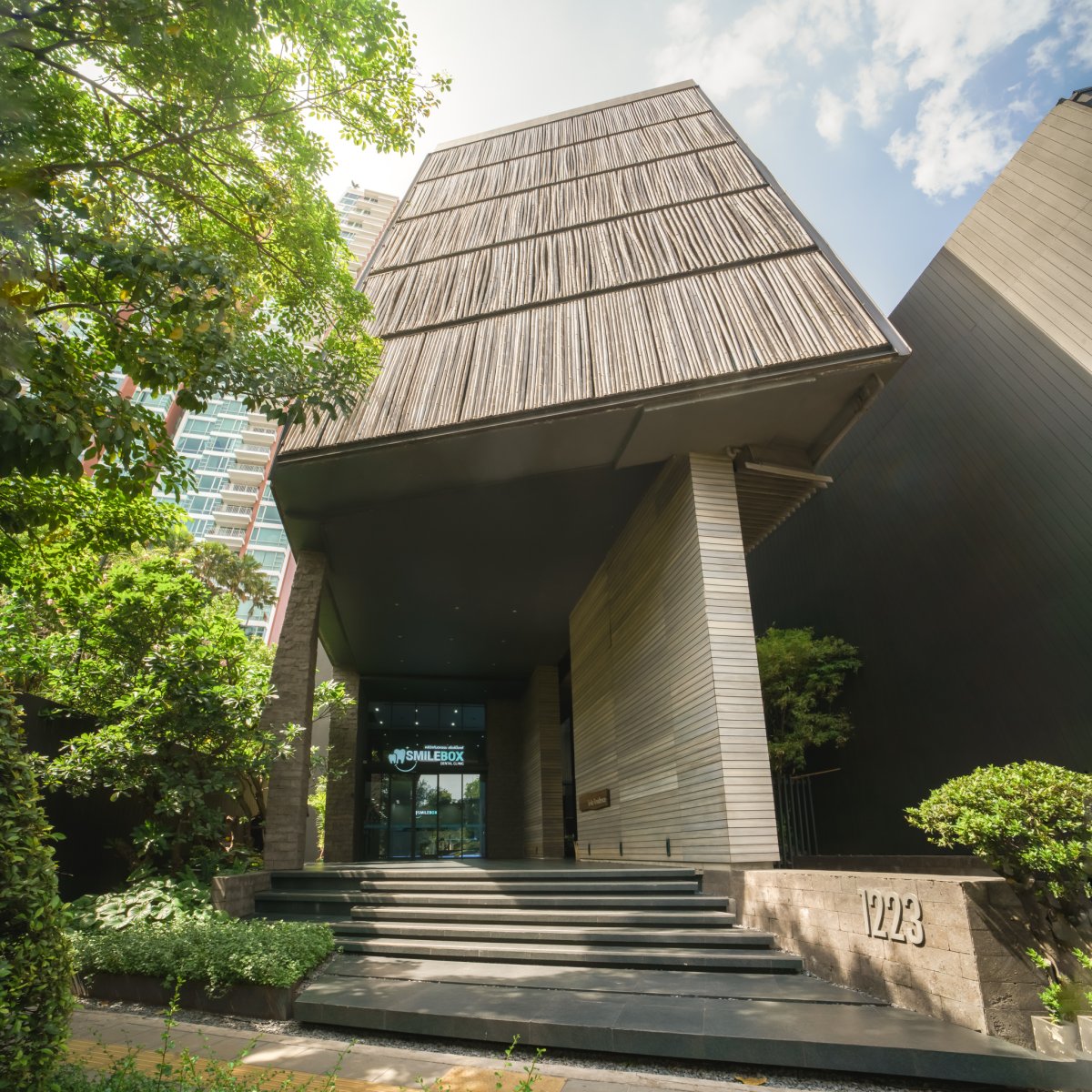




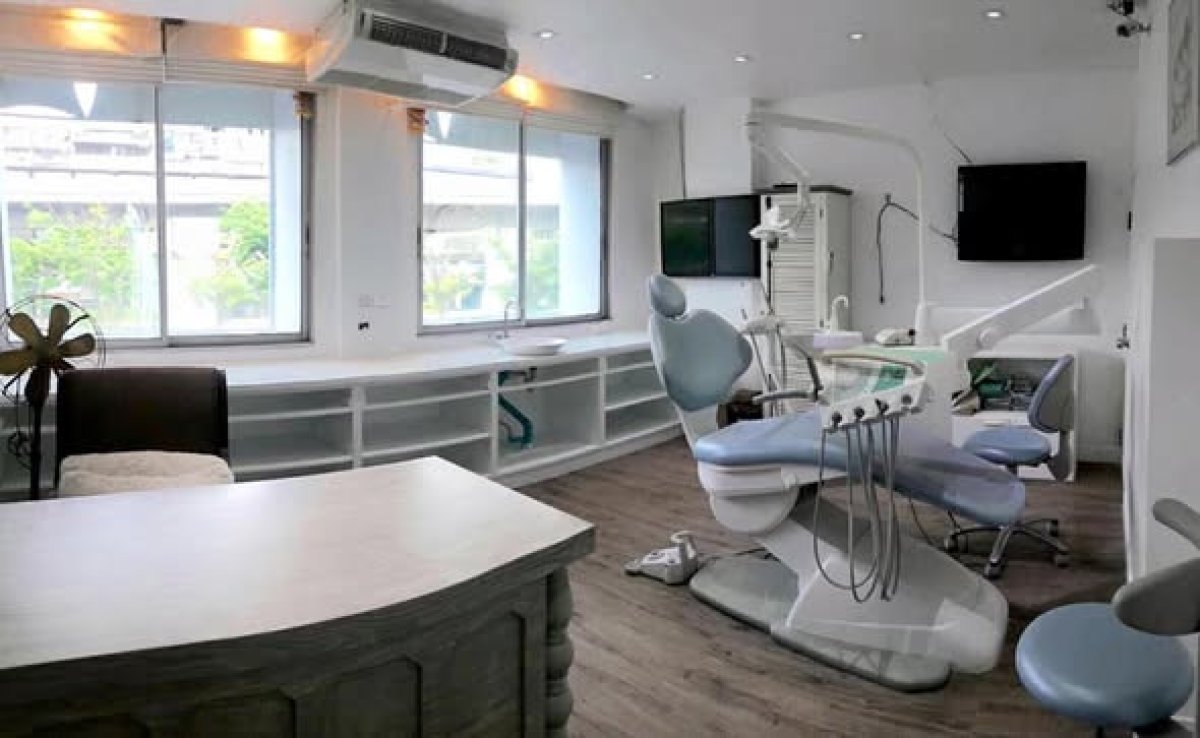
Bangkok Dental Hospital (Silom Dental Building) / Bangkok Dental Hospital Co., Ltd



Descripción general de Elevación de seno con técnica de ventana lateral en Tailandia
- Levantamiento de senos paranasales - de $500La operación eleva el piso del seno, mejorando la cantidad de hueso para la colocación de implantes dentales, mejorando la apariencia y la salud bucal.
- Elevación de seno maxilar - de $580Este procedimiento eleva el revestimiento del seno a través de pequeñas aberturas, mejorando la altura del hueso para implantes dentales, menos invasivos y de rápida recuperación.
- Elevación de seno con técnica de ventana lateral - de $1,000El procedimiento eleva la membrana del seno para permitir el injerto óseo para la colocación de implantes dentales, mejorando la función y la estética bucal.
Día 1
- Llegada a la clínica.
- Check-in y completar el papeleo necesario.
Dia 2
- Consulta con un especialista oral y maxilofacial.
- Someterse a las pruebas médicas necesarias.
Día 3
- Revise los resultados de la prueba con el especialista.
- Reciba una explicación detallada del procedimiento.
Día 4
- Sométase al procedimiento de elevación de seno con ventana lateral.
- El procedimiento dura aproximadamente 1-2 horas.
- Se administra anestesia local para mayor comodidad.
- Se levanta la membrana del seno y se coloca material de injerto óseo.
Dia 5
- Control postoperatorio con el especialista.
- Recibir instrucciones para el cuidado postoperatorio.
Semana 1
- Descansa y recupérate en casa, evitando actividades extenuantes.
- Siga el régimen de medicación prescrito.
Semana 2-4
- Continúe con actividades diarias ligeras.
- Realice controles de rutina para la cicatrización del injerto.
Semana 5-8
- Reanudar el trabajo y las actividades normales.
- Continúe con los controles de rutina.
Semana 9-12
- Cicatrización completa e integración del material de injerto.
- Control postoperatorio final con el especialista.
Tenga en cuenta que el proceso de recuperación de cada paciente es único y puede variar de esta línea de tiempo.
- Depósito de Bookimed: 200 $ o 200 €.
- Depósito de la clínica: Pague un porcentaje fijo por adelantado.
Obtenga una evaluación médica para Elevación de seno con técnica de ventana lateral en Tailandia: Elija su especialista entre los mejores en el campo
Ver todos los médicos
Kanokporn Lramaneerat
La Dra. Kanokporn Lramaneerat se especializa en tratamientos de ortodoncia, incluido el levantamiento de seno maxilar por ventana lateral, garantizando una atención precisa y eficaz.
- Graduada con honores de la Universidad de Chulalongkorn
- Posee un doctorado (Ph.D.) en Ortodoncia de la Universidad Médica y Dental de Tokio
- Actualmente trabaja como ortodoncista en el Hospital Intrarat

Pawak Tungthangthum
El Dr. Pawak Tungthangthum cuenta con más de _doctor_2034_ años de experiencia dental, con formación especializada en implantología avanzada en los EE. UU.
- Jefe del Departamento Dental del Hospital Bangkok Chiang Mai
- Formado en la Escuela de Odontología de Los Ángeles y la Universidad de Chulalongkorn
- Miembro del Congreso Internacional de Implantólogos Orales
- Especialista en odontología estética restauradora e implantología

Akarapat Rattananon
Especializado en implantes dentales avanzados, el Dr. Rattananon cuenta con múltiples certificaciones, incluido el Master Course en Cirugía de Implantes en Osstem AIC.
- Formado en técnicas All-on-4 y All-on-6 por Neodent
- Completó cirugía avanzada de implantes dentales en la Universidad Thammasat
- Experto en cirugía de tejidos blandos para resultados óptimos de implantes
- Certificado en procedimientos protésicos mínimamente invasivos por Fradeani Masterclass
Historias en video de pacientes de Bookimed
Reseñas
Todas las reseñas

Compartir contenido
 Olena Sikoza
Preguntas frecuentes sobre Elevación de seno con técnica de ventana lateral en Tailandia
¿Cuáles son los principales riesgos de una elevación de seno por ventana lateral?
Las elevaciones de seno por ventana lateral son procedimientos altamente predecibles, aunque la perforación de la membrana de Schneider ocurre en el 20% al 25% de los casos. Los riesgos principales incluyen sangrado vascular de la arteria alvéolo-antral, sinusitis maxilar postoperatoria y fracaso del injerto. La recuperación estándar implica hinchazón temporal, hematomas y sangrado nasal leve durante 1 a 2 semanas.
- Perforación de la membrana: Complicación más frecuente, especialmente cuando existen septos sinusales o membranas delgadas de menos de 1,5 mm.
- Riesgo de sinusitis: Puede ocurrir una infección bacteriana de la cavidad sinusal si las roturas de la membrana no se tratan.
- Estabilidad del injerto: Fumar y los ángulos sinusales estrechos aumentan significativamente las posibilidades de reabsorción o migración del injerto.
- Seguridad nerviosa: Una lesión rara del nervio infraorbitario puede causar entumecimiento temporal en la mejilla o el labio.
Perspectiva de expertos de Bookimed: Las clínicas tailandesas como Kitcha Dental Clinic a menudo mitigan los riesgos a través de su longevidad; sus 30 años de historia proporcionan una base de datos masiva de variaciones anatómicas. El Dr. Pawak Tungthangthum combina formación de EE. UU. y Tailandia para manejar casos complejos. Los centros de alto volumen que realizan 10,000 procedimientos
¿Qué cuidados postoperatorios se requieren después de una elevación de seno maxilar con ventana lateral?
La recuperación de una elevación de seno maxilar con ventana lateral requiere un control estricto de la presión para proteger el injerto óseo y la membrana sinusal. Los pacientes deben evitar sonarse la nariz, usar pajitas o viajar en avión durante 2 a 4 semanas. El éxito depende de seguir estos protocolos de seguridad innegociables durante la fase de curación inicial.
- Precauciones sinusales: Estornude con la boca abierta y evite sonarse la nariz durante 4 semanas.
- Restricciones de actividad: Evite los viajes en avión, el buceo y el ejercicio extenuante durante al menos 14 días.
- Reglas dietéticas: Consuma alimentos blandos a temperatura ambiente y evite usar pajitas durante 2 semanas.
- Control de la inflamación: Aplique compresas de hielo en intervalos de 20 minutos durante las primeras 48 horas después de la cirugía.
Perspectiva del experto de Bookimed: Las clínicas líderes en Tailandia, como la Kitcha Dental Clinic, a menudo requieren un escaneo de seguimiento a los 6 meses antes de colocar los implantes. Aunque la recuperación inicial toma de 7 a 10 días, el injerto óseo necesita este tiempo prolongado para madurar. Elegir una clínica con acreditación de la American Dental Association (ADA) garantiza que se sigan estos protocolos de monitoreo de alto estándar para la estabilidad del implante a largo plazo.
Consenso de l
¿Cuál es el cronograma de recuperación para un levantamiento de seno maxilar con ventana lateral?
La recuperación de un levantamiento de seno maxilar con ventana lateral requiere de 7 a 21 días para la cicatrización inicial, aunque la integración ósea completa toma de 4 a 9 meses antes de colocar los implantes dentales. Los pacientes en Tailandia generalmente se someten a una tomografía computarizada de haz cónico (CBCT) de seguimiento a los 4 meses para monitorear la maduración del injerto y la fusión estructural interna.
- Recuperación temprana: La hinchazón y los hematomas máximos suelen disminuir en un plazo de 3 a 7 días.
- Retirada de puntos: Los dentistas suelen retirar o disolver los puntos de sutura al final de la segunda semana.
- Precauciones sinusales: Evite sonarse la nariz y realizar actividades extenuantes durante 2 a 4 semanas.
- Integración final: La maduración ósea completa toma de 6 a 12 meses para la mayoría de los pacientes.
Perspectiva del experto de Bookimed: Aunque la hinchazón inicial a menudo se resuelve más rápido en las clínicas tailandesas (a veces en menos de 7 días), el cronograma interno sigue siendo estricto. Clínicas como Kitcha Dental y SOL Dental enfatizan la realización de un CBCT a los 4 meses. Esta imagen es vital antes de volar a casa para asegurar que el injerto sea lo suficientemente estable para futuros implantes.
Consenso de los pacientes: Espere una hinchazón significativa
¿Cuándo es seguro volar después de una elevación de seno maxilar en Tailandia?
Los pacientes deben esperar al menos de 10 a 14 días antes de volar después de una elevación de seno maxilar por ventana lateral en Tailandia. Este plazo permite que el injerto óseo se estabilice y evita que los cambios de presión en la cabina desplacen la delicada membrana sinusal o causen barotrauma doloroso durante el despegue y el aterrizaje.
- Cronograma de viaje: La espera mínima es de 7 días, pero 14 días es el estándar de oro clínico.
- Riesgos de presión: Los cambios atmosféricos rápidos pueden causar el desplazamiento del injerto, dolor severo o barosinusitis aguda.
- Cuidados postoperatorios: Evite sonarse la nariz o estornudar con la boca cerrada durante 4 semanas.
- Preparación antes del vuelo: Use aerosoles salinos y descongestionantes orales para controlar eficazmente la presión sinusal interna.
Perspectiva de expertos de Bookimed: Las clínicas tailandesas como Kitcha Dental Clinic a menudo tratan a más de 6,000 pacientes al año, muchos de los cuales son viajeros internacionales. Aunque algunos centros ofrecen la retirada de puntos al séptimo día, quedarse hasta el día 14 es más seguro porque los procedimientos de ventana lateral implican un punto de acceso más grande que las elevaciones internas. Esta semana adicional reduce significativamente el riesgo de que la cavidad sinusal llena de aire colapse o se infecte el nuevo materi
¿En qué se diferencia una elevación de seno por ventana lateral de una elevación crestal (indirecta)?
Una elevación de seno por ventana lateral accede a la cavidad sinusal desde el lado del maxilar superior, mientras que una elevación crestal utiliza el orificio de entrada del implante en la parte inferior. El abordaje lateral es necesario para una pérdida ósea severa, mientras que el método crestal es adecuado para pacientes con más hueso residual.
- Punto de acceso: Entradas laterales a través de la pared lateral; entradas crestales a través de la cresta alveolar.
- Altura ósea: Las elevaciones laterales añaden 8 mm o más; las elevaciones crestales suelen añadir hasta 4 mm.
- Hueso residual: Usar lateral para hueso de menos de 5 mm; la crestal requiere de 5 mm a 9 mm.
- Momento del implante: La lateral a menudo requiere dos etapas; la crestal permite la colocación simultánea del implante dental.
Perspectiva del experto de Bookimed: Aunque las elevaciones crestales son más rápidas, las clínicas tailandesas como Kitcha Dental Clinic a menudo recomiendan el abordaje por ventana lateral para casos complejos. Médicos como Pawak Tungthangthum utilizan su experiencia formada en EE. UU. para tratar la atrofia severa. Esta técnica de `estándar de oro` proporciona visibilidad directa, lo que reduce significativamente el riesgo de perforaciones de membrana no detectadas en comparación con los métodos crestales a ciegas.
Consenso de los pa