Prosthetics and orthotics in South Korea cost averages from $5,800 to $11,000. The total expense depends on the device material, level of customization, and whether the case requires surgical implantation or simple fitting. International patients generally save between 40% and 75% compared to prices in the United States.
Typical Prosthetics and Orthotics Costs in South Korea
Most specialized medical centers for advanced prosthetics are located in Seoul and Incheon. While quality standards remain consistent across the country, clinics in Incheon sometimes offer more competitive rates. We recommend consulting with a prosthetic specialist to get accurate pricing for your specific needs.
| Corea del Sur | España | Turquía | |
| Prótesis testicular | de $3,800 | de $2,100 | de $1,500 |
| Prótesis por debajo de la rodilla | de $6,800 | de $14,000 | de $8,500 |
| Prótesis ocular | de $3,800 | de $2,000 | de $1,200 |
| Prótesis de dedo | de $3,200 | de $4,500 | de $2,200 |
| Órtesis de pierna | - | de $3,500 | de $1,200 |
Bookimed no añade cargos extra a los precios de los tratamientos de Prótesis y Órtesis. Las tarifas proceden de las listas de precios oficiales de las clínicas. Pagará directamente en la clínica por su tratamiento a su llegada al país.
Bookimed está comprometido con su seguridad. Solo trabajamos con las clínicas que mantienen altos estándares internacionales en el tratamiento de Prótesis y Órtesis y tienen las licencias necesarias para atender a pacientes internacionales en todo el mundo.
Bookimed ofrece asistencia experta gratuita. Un coordinador médico personal le apoya antes, durante y después del tratamiento, resolviendo cualquier problema. Nunca estará solo en su viaje médico de procedimientos de Prótesis y Órtesis.
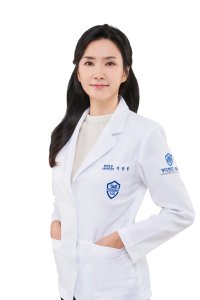
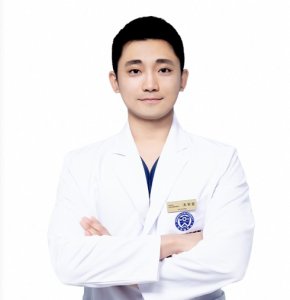
El Dr. Lee Kyung Hoon es especialista en ortopedia y jefe de departamento. Atiende artrosis y trastornos de rodilla y cadera. Realiza artroscopia y artroplastia de rodilla. También trata afecciones del pie y tobillo, problemas del hombro como el hombro congelado y los desgarros del manguito rotador, osteoporosis, y fracturas y otras lesiones de las extremidades.
Obtuvo el título de médico en la Universidad Católica de Corea. Completó la residencia en ortopedia en The Catholic Medical Center. Realizó una beca de subespecialidad y fue instructor clínico en el Hospital St. Mary’s de Bucheon.
Ha sido jefe de departamento en Nasarath International y en Himchan General Hospital Incheon. También ha sido director en Himchan Hospital Incheon y en Medrex Hospital. Es miembro titular de la Korean Orthopedic Association, la Korean Knee Society, la Korean Fracture Society, la Korean Hip Society, la Korean Arthroscopy Society y la Catholic University Knee Research Society. Completó la formación TPI y un taller de microcirugía.
El Hospital Universitario Nacional de Seúl Bundang (SNUBH) y el Hospital Dental Sinchon Dain son instituciones líderes en Corea del Sur en el campo de las prótesis y ortesis. Estos centros utilizan inteligencia artificial, seguimiento digital e impresión 3D para lograr un ajuste preciso de extremidades y dientes protésicos. La atención especializada incluye prótesis por debajo de la rodilla, reemplazos de dedos y aparatos ortopédicos personalizados.
Opinión de los expertos de Bookimed: Los grandes hospitales universitarios de Seúl, como el SNUBH, suelen integrar sus laboratorios de prótesis directamente con sus departamentos de cirugía ortopédica. Esta organización permite que cirujanos y técnicos colaboren en tiempo real. Los datos demuestran que esto reduce la necesidad de múltiples visitas para ajustes protésicos. Los pacientes suelen recibir prótesis de prueba funcionales mucho más rápido que en centros con laboratorios externos.
Opinión de los pacientes: Los pacientes destacan la importancia de programar una consulta para dispositivos ortopédicos con al menos seis meses de anticipación. Muchos enfatizan que la experiencia de la cirugía robótica coreana permite la creación de prótesis personalizadas excelentes y la obtención de resultados funcionales óptimos.
El Sistema Nacional de Seguro de Salud (NHIS) de Corea del Sur cubre el costo de prótesis y ortesis para las personas registradas. La cobertura suele ser del 90 % del costo estándar. Algunos tipos de prótesis están sujetos a límites de pago. Los pacientes deben cubrir los gastos que superen estos límites. Las grandes instituciones médicas se rigen por los estándares de la Acreditación Global de Atención Médica (GHA).
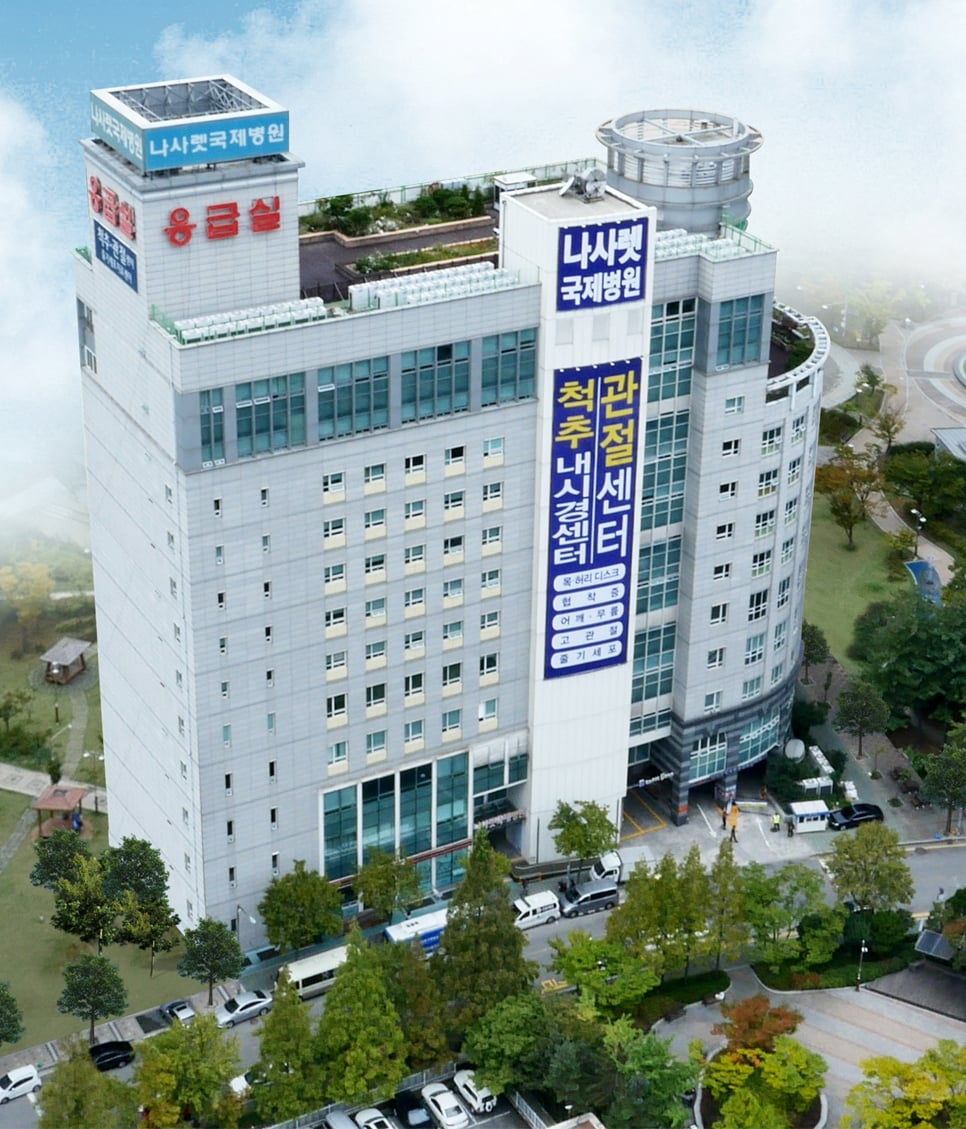
Según los expertos de Bookimed: Las clínicas con un gran flujo anual de pacientes, como el Hospital Internacional Nasare (438 000 pacientes), suelen tener sistemas de procesamiento de reclamaciones más eficientes. Instituciones como el Hospital Universitario Nacional de Seúl Bundang utilizan sistemas digitales integrados para reducir los errores médicos durante la fase de evaluación. Elegir un hospital con amplios departamentos internacionales puede simplificar la compleja documentación necesaria para el reembolso del NHIS.
Comentarios de los pacientes: Los pacientes señalan que la derivación médica con códigos de diagnóstico específicos es fundamental para la aprobación del tratamiento. Prepárese para pagar de su bolsillo entre el 30 % y el 50 % del costo, ya que muchos productos personalizados no están cubiertos en su totalidad por las tarifas estándar.
Los pacientes internacionales pueden recibir prótesis y tratamientos ortopédicos de vanguardia en la República de Corea. Centros especializados en Seúl e Incheon ofrecen dispositivos de alta tecnología, como prótesis de rodilla controladas por microprocesador y ortesis de fibra de carbono. Muchas instituciones brindan apoyo lingüístico y asistencia para obtener visas médicas C-3-M para el tratamiento.
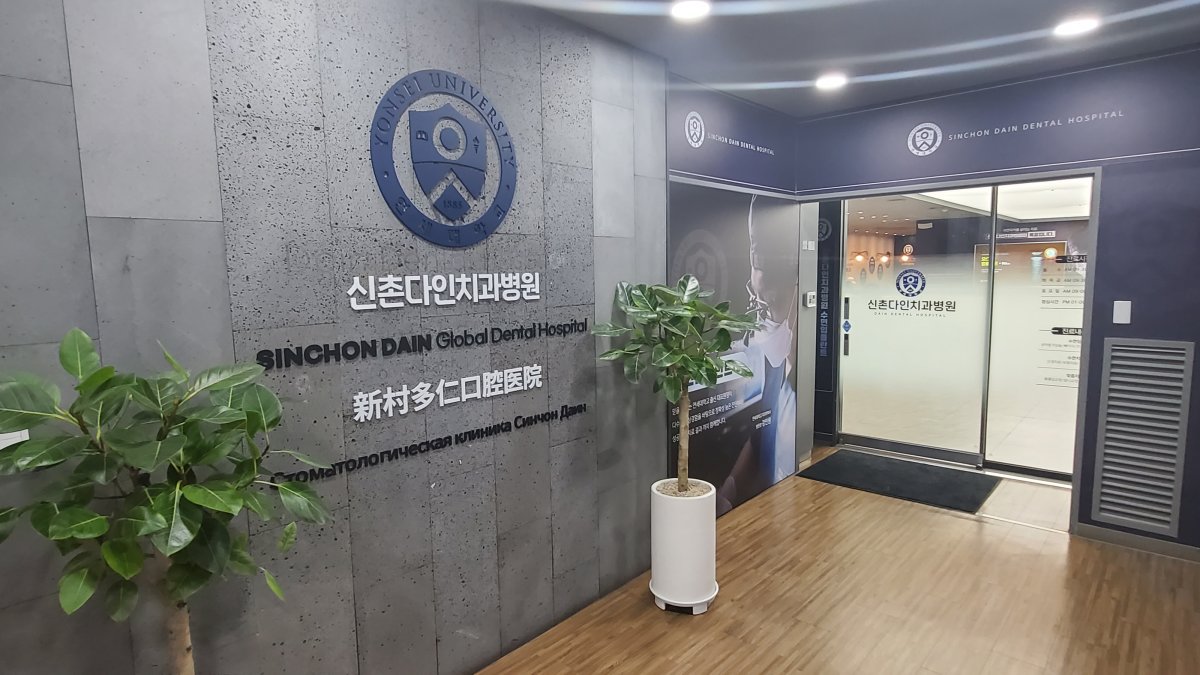
Opinión de los expertos de Bookimed: Las clínicas grandes, como el Hospital Dental Sinchon Dain, que atiende a 33 000 pacientes al año, suelen tener más experiencia trabajando con pacientes internacionales. Nuestros datos muestran que estas instituciones de mayor tamaño están mejor preparadas para gestionar la documentación específica necesaria para la prórroga de visados médicos. Las clínicas más pequeñas pueden tener dificultades para programar citas para personas no residentes.
Comentarios de los pacientes: Los pacientes señalan que es fundamental llegar al menos dos semanas antes de su cita para la prueba de calzado. También recomiendan contratar un intérprete independiente, ya que es posible que no haya personal que hable inglés disponible para todas las consultas.
En Corea del Sur, las ortesis especializadas para pies y tobillos se ofrecen a través de hospitales universitarios multidisciplinarios y centros ortopédicos especializados. Instituciones como el Hospital Universitario Nacional de Seúl Bundang (SNUBH) utilizan sistemas de seguimiento digital para un ajuste preciso. Estos centros ofrecen soluciones de alta tecnología, como plantillas personalizadas mediante escaneo 3D y análisis de la marcha.
Opinión de expertos de Bookimed: Los datos muestran que los grandes centros como SNUBH, que atienden a 1,5 millones de pacientes al año, ofrecen una infraestructura de imagen digital superior. Los pacientes que buscan una mayor longevidad deberían priorizar estas grandes instituciones académicas. Suelen tener un control de calidad más riguroso en la producción de impresiones personalizadas que los laboratorios privados más pequeños.
Comentarios de los pacientes: Los pacientes valoran mucho la rapidez de la tecnología de escaneo 3D coreana, pero suelen solicitar varias pruebas de ajuste. A pesar de la alta precisión, algunos opinan que estos dispositivos se centran más en la alineación clínica que en la comodidad a largo plazo.
Seoul National University Bundang Hospital (SNUBH) and Sinchon Dain Dental Hospital are premier centres for prosthetics in South Korea. They combine AI-driven limb fitting with 3D printing. These facilities hold international accreditations like GHA and Newsweek rankings. They cater to thousands of international patients annually.
Bookimed Expert Insight: Data shows a clear distinction between multi-disciplinary centres and specialised dental hubs in Seoul. Hospitals like SNUBH manage 1.5 million patients yearly with a focus on limb rehab. In contrast, Sinchon Dain Dental Hospital is a dedicated member of the Seoul Medical Tourism Alliance. This makes it a better choice for Australians seeking efficient full-arch restorations.
Patient Consensus: Visitors to South Korea note the importance of choosing centres that focus specifically on rehabilitative orthotics rather than general clinics. Many patients suggest presenting complex scenarios during initial chats to verify a provider's technical skills.
South Korea houses several leading facilities for prosthetics and orthotics. Seoul National University Bundang Hospital (SNUBH) is a top choice for advanced digital integration. Sinchon Dain Dental Hospital is a top choice for specialised dental prosthetics. These centres use AI and digital imaging to create precise, custom-fitted medical devices.
Bookimed Expert Insight: Clinics with high ratings often offer better logistical support for Australians. Seoul National University Bundang Hospital treats 1.5 million patients annually. Large centres like this usually have dedicated international teams. This is helpful because they manage everything from airport transfers to translation in-house. Patients should check if their clinic has GHA accreditation to guarantee international service standards.
Patient Consensus: Patients in South Korea appreciate being able to visit specialists directly without a GP referral. Many note that choosing clinics with English-speaking staff and strong cleanliness standards is vital. It helps ensure a smooth recovery.
Getting a prosthetic device in Korea generally takes 4–8 weeks from the initial consultation to final delivery. This timeframe covers fabrication and fitting. New amputees often wait 2–6 months for surgical healing. Some clinics provide temporary devices within 2–3 weeks to assist early mobility.
Bookimed Expert Insight: Korean medical centres like Seoul National University Bundang Hospital handle 1.5 million patients yearly. This massive volume allows clinics to maintain on-site fabrication labs. These facilities often produce custom prosthetic components faster than smaller Western workshops. Choosing a centre with integrated orthopaedic and rehab departments helps. It can significantly reduce the time between fitting and therapy.
Patient Consensus: Patients note that non-emergency appointments in Korea happen in minutes rather than months. They find the quick follow-up care and short wait times for specialised fittings far superior. The 8–24 month waits common in Australian public systems are far longer.
Prosthetics fitted in South Korea may cause compensation pain. This happens if alignment is incorrect or the socket fits poorly. Discomfort often affects the lower back, hips, and the sound limb. This occurs as the body overworks to balance the new gait. Proper fitting usually prevents these issues.
Bookimed Expert Insight: Patients often focus on the device brand. However, the hospital's surgical volume is a stronger indicator of fitting success. Centres like Seoul National University Bundang Hospital handle 32,000+ operations annually. This immense volume means prosthetists have experience with complex gait corrections. Smaller clinics might miss these.
Patient Consensus: Patients note that mechanical pain usually stems from rushing the fitting process too soon after surgery. Many suggest waiting a year for the residual limb to stabilise. In contrast, those with well-aligned titanium models report a nearly natural gait in South Korea.
Prosthetics in South Korea are custom-made. They match the specific anatomy, activity levels, and lifestyle of each individual. Specialist centres in Seoul and Incheon use sculpting and moulding techniques. They produce personalised limbs, fingers, and dental prostheses for international patients.
Bookimed Expert Insight: Clinics in Seoul often integrate traditional handcrafting with smart technology. SNUBH manages high patient volumes. However, smaller facilities like Sinchon Dain Dental Hospital specialise in bespoke aesthetic prosthetics. This mix allows for faster turnaround times without sacrificing the precision of a custom fit.
Patient Consensus: Patients note that seeking verified Korean prosthetists who offer individual sculpting is standard practice. They suggest confirmed moulding services provide much better comfort than off-the-shelf solutions found elsewhere.
Standard Australian private health insurance generally does not cover prosthetics or orthotics obtained abroad. This applies to South Korea. Coverage is typically restricted to services provided within Australia by certified local practitioners. For visitors, South Korean National Health Insurance benefits apply only to registered individuals. They must be registered under the Disabled Persons Welfare Act.
Bookimed Expert Insight: Insurance rebates are unlikely for Australians. However, the sheer clinical volume in South Korea drives high success rates. Seoul National University Bundang Hospital handles 1,500,000 patients annually and uses digital imaging. Choosing a high-volume centre often gives access to more durable, custom-fit devices. These might otherwise require multiple adjustments at home.
Patient Consensus: Patients note that they do not expect rebates. Yet they choose South Korea for the superior quality and custom fit of lower extremity devices. They emphasise that certified specialists provide superior devices. For instance, those at Sinchon Dain Dental Hospital produce a medical-grade result. This is superior to prefabricated options.
South Korea provides advanced prosthetic options including myoelectric hands and bionic limbs naturally integrated with sensor technology. Modern facilities such as Seoul National University Bundang Hospital offer digital infrastructure. These devices interpret muscle signals to achieve precise, lifelike motion. They are designed for patients who require upper or lower limb replacement.
Bookimed Expert Insight: Research into graphene-based artificial muscles is ongoing. However, practical clinical availability often centres on established digital hospitals. Large institutions like Seoul National University Bundang Hospital handle over 32,500 operations annually. Their massive patient volume and digital-first approach lead to faster implementation of new prosthetic technologies. This puts them ahead of smaller regional clinics.
Patient Consensus: Patients note that South Korea leads in developing robotic hands for delicate tasks. It also provides high-quality traditional prosthetics. Those travelling from Australia find English-speaking staff at centres like Bobath Memorial Hospital very helpful. This makes the fitting and rehab process much smoother.
Prosthetics in South Korea usually take 6 to 10 days for initial fitting. Temporary post-amputation limbs can be ready within 7 days. Permanent upper or lower limb devices typically require 9 to 10 days for production. The full adaptation process often spans several weeks.
Bookimed Expert Insight: Major Korean hospitals like Seoul National University Bundang Hospital use integrated digital safety systems. This allows for rapid coordination between orthopaedic surgeons and prosthetic technicians. Such efficiency can reduce the hospital stay for initial fittings compared to typical Australian wait times.
Patient Consensus: Patients find the Korean medical system exceptionally fast for initial assessments. Many report getting a diagnosis and prescription within 30 minutes. The fabrication of standard limbs takes about 2–4 weeks. Complex cases sometimes face longer delays for custom imaging or non-urgent adjustments.
South Korea offers prosthetic technology ranging from handcrafted traditional limbs to AI-driven wearable robots. Patients can access robotic exoskeletons and smart skin sensory devices. Major facilities like Seoul National University Bundang Hospital (SNUBH) use robotic systems and microsurgery. These methods integrate functional or cosmetic replacements.
Bookimed Expert Insight: Many associate Korea with robotics. However, volume-based data shows a strong focus on specialised dental and orthopaedic prosthetics. Leading clinics like Sinchon Dain Dental Hospital treat Australians regularly. This international experience means clinics often have staff who speak English fluently. That makes complex technical adjustments easier for overseas patients.
Patient Consensus: Patients note that Korean researchers are pioneering rollable robotic hands and graphene-based artificial muscles. Others suggest checking whether clinics fabricate devices on-site in the Republic of Korea. This can lead to faster production times for custom-fitted limbs.
South Korea provides hyper-realistic prosthetic skin through specialised clinics. These clinics match texture, pigmentation, and tone to the patient. Facilities like Sinchon Dain Dental Hospital in Seoul offer prosthetic services. At the same time, researchers at Seoul National University develop skins that mimic human sensitivity.
Bookimed Expert Insight: Clinics like Sinchon Dain Dental Hospital are members of the Seoul Medical Tourism Alliance. This membership signals a focus on international patients from Australia and the USA. It often means the facility has streamlined processes for overseas visitors requiring custom prosthetic fittings.
Patient Consensus: Patients find the cosmetic precision in Seoul impressive. They note the focus on skin texture and tone matching. This helps prosthetics blend in naturally during daily life.
Ask your Korean prosthetist about component recommendations suited to your lifestyle and the expected timeline for test sockets. Focus on socket fitting techniques used in major centres like Seoul National University Bundang Hospital. Confirm after-care support and English-speaking staff availability so adjustments can be managed before you return home.
Bookimed Expert Insight: Korea's digital healthcare infrastructure allows rapid diagnostic integration. Centres like Seoul National University Bundang Hospital use advanced safety systems for patient tracking. This means prosthetic fittings are often backed by precise digital records. Ask if these digital files can be shared with your local Australian specialists for seamless long-term maintenance.
Patient Consensus: Patients in the Republic of Korea recommend testing expertise by asking about skin breakdown management plans. It is essential to confirm whether the specialist speaks fluent English, or if a professional translator will attend every session involving mechanical instruction.
During a first prosthetics appointment in South Korea, patients should confirm the clinician’s certification. They should ask if the clinician is certified by the Korean Society of Prosthetics and Orthotics. Inquire about the fitting timeline, socket material options, and gait training availability. Clarify if bilingual documentation and English-speaking staff are available. Bobath Memorial Hospital, for example, offers these.
Bookimed Expert Insight: Clinics with high international patient volumes often use digital safety systems. Seoul National University Bundang Hospital is one such clinic. When choosing a prosthetist in Korea, prioritise centres with GHA accreditation. These facilities have established protocols. They specifically manage the coordination and communication needs of patients from Australia.
Patient Consensus: Patients note it is essential to ask about material breathability for Korea’s humid summers. They also suggest checking if prosthetic components are compatible with Australian insurance standards for future care.
Patients do not legally require a therapist for a new prosthesis in Korea. Highly skilled teams manage adjustments across specialised centres. Seoul National University Bundang Hospital, accredited by Global Healthcare Accreditation (GHA), provides robust clinical support. Specialised training units help patients adapt to new limbs.
Bookimed Expert Insight: A therapist is not mandatory. Choosing clinics with in-house manufacturing units is a significant advantage. Centres in Seoul often have on-site labs where prosthetists make real-time adjustments. This prevents multiple return trips. It also allows for a more precise fit during a single holiday stay.
Patient Consensus: Patients in Korea find the technical team is the most vital factor for success. Most travellers focus on vetting the surgeon and clinic credentials rather than seeking separate therapy. After a fitting, clinical support is generally regarded as excellent.