Tratamiento de Artrosis en Corea del Sur — obtenga 3 coincidencias personalizadas de clínicas


Revisado médicamente por
Fahad Mawlood
Cómo funciona
¿Cuál es el precio del diagnóstico y los tratamientos de Artrosis en Corea del Sur? Descubra ahora
De $55
Costos típicos del tratamiento de la artrosis en la República de Corea
- Consulta con un ortopedista (traumatólogo): de $55
- Reemplazo de rodilla: de $16,000
- Reemplazo de cadera: $12,000 – $15,000
- Terapia con células madre para la artritis: de $19,000
- Artroscopia de rodilla: de $8,000
- Terapia con células madre para rodillas: de $10,000
- Terapia con células madre: de $3,500
Perspectiva de los expertos de Bookimed: Los pacientes que buscan precisión de alta tecnología deben priorizar los hospitales universitarios de Seúl. El Hospital Bundang de la Universidad Nacional de Seúl utiliza el sistema digital BESTcare para minimizar los errores quirúrgicos. Para aquellos que requieren una recuperación postoperatoria intensiva, el Hospital Kang Dong en Busan es ideal. Fue pionero en tratamientos ortopédicos multifacéticos y cuenta con un centro de rehabilitación dedicado. Los pacientes internacionales se benefician de instalaciones acreditadas por la JCI como el Hospital Severance, que atiende a más de 1,6 millones de pacientes ambulatorios al año.
| Corea del Sur | España | Turquía | |
|---|---|---|---|
| Terapia con células madre para las rodillas | de $10,000 | de $35,000 | de $4,000 |
| Terapia con células madre para la artritis | de $19,000 | de $15,000 | de $4,400 |
| Terapia con células madre | de $3,500 | de $33,600 | de $1,600 |
| Reemplazo total de cadera MAKOplasty | ≈ $14,500 | ≈ $15,500 | de $14,500 |
| Reemplazo de rodilla | de $16,000 | de $25,700 | de $6,000 |
Descubra las mejores clínicas de tratamiento de Artrosis en Corea del Sur: 15 opciones verificadas y Precios



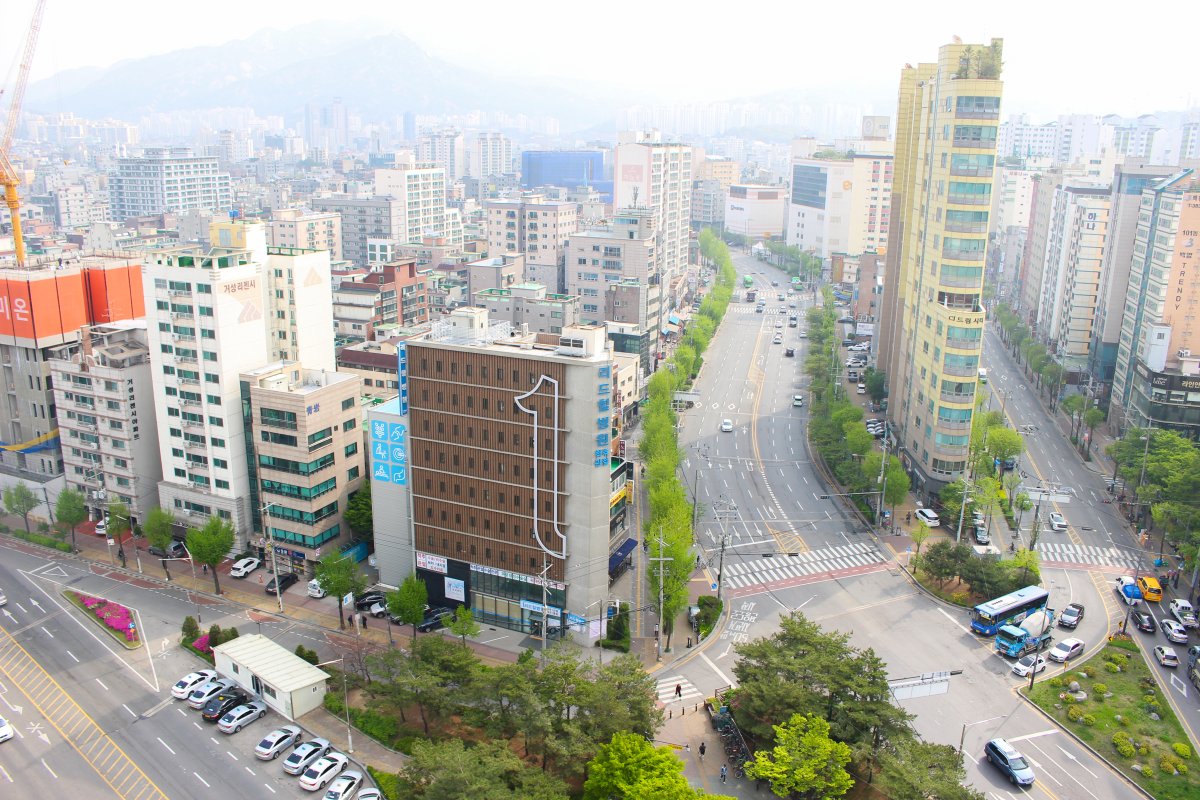
Clínica de columna y articulaciones Leadheal





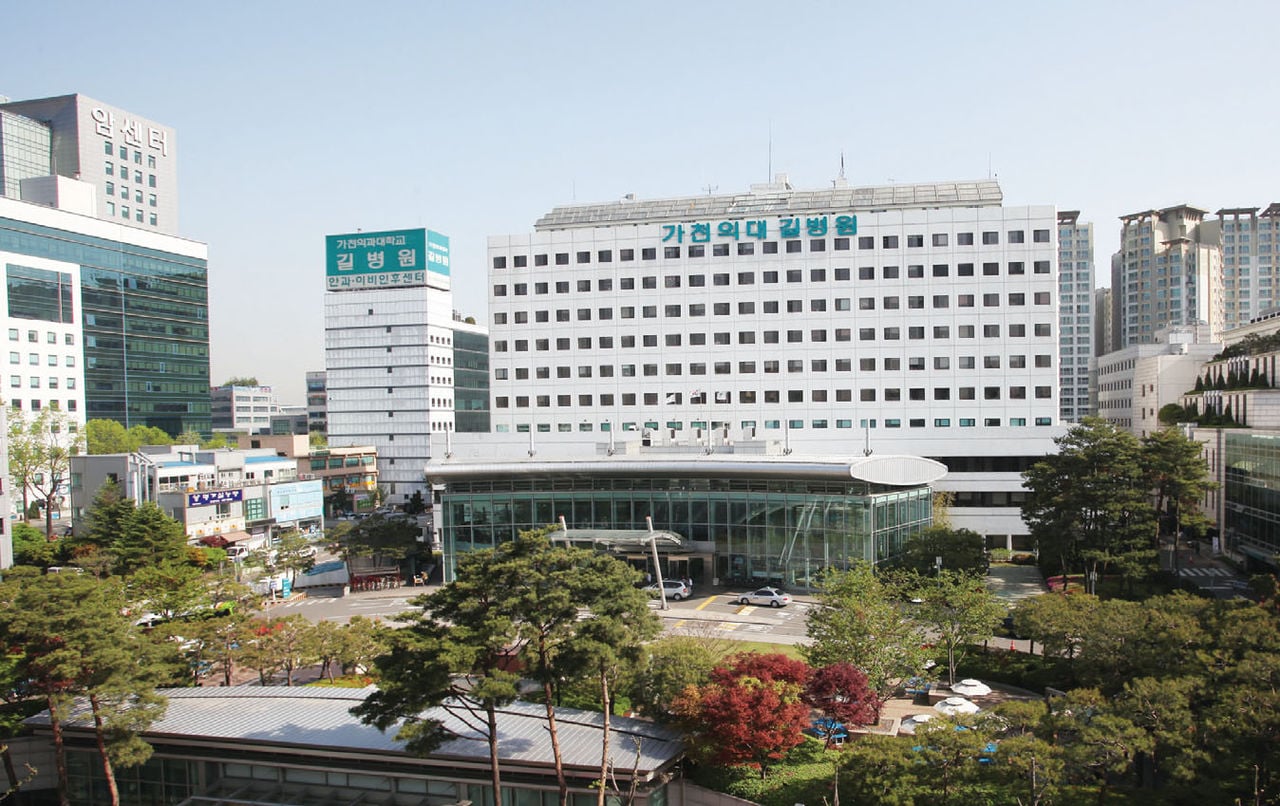



Bumin Hospital Seoul
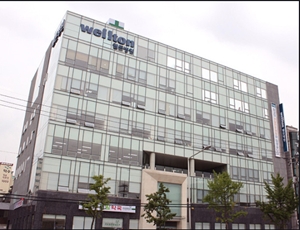
Wellton Hospital
Obtenga una evaluación médica de tratamiento de Artrosis en Corea del Sur: haga una consulta con 6 médicos experimentados ahora
Ver todos los médicos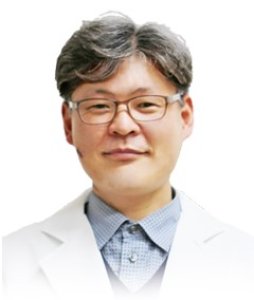
Yang Yeongjun
El Dr. Yang Yeongjun es cirujano ortopédico especializado en salud articular y artroscopia. Trata trastornos de rodilla y hombro y realiza cirugía artroscópica y reemplazo articular (artroplastia). También trata traumatismos y afecciones deportivas, incluidas lesiones deportivas, problemas del pie y tobillo, síndrome del túnel carpiano y fracturas.
Completó la residencia en cirugía ortopédica en el Catholic Medical Center y luego una beca de subespecialización en el St. Paul’s Hospital
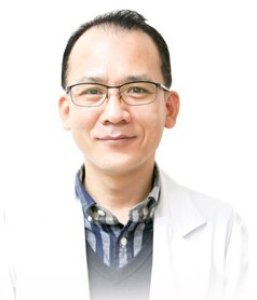
Lee Dongyeop
El Dr. Lee Dongyeop es cirujano ortopédico especializado en artroscopia y reemplazo articular. Realiza cirugía artroscópica (endoscopia articular) y reemplazo total de rodilla. Trata trastornos del hombro, lesiones deportivas y afecciones crónicas de la rodilla.
Credenciales: Programa combinado de M.D.-Ph.D., Escuela de Posgrado de Medicina de la Universidad Católica de Corea. Internado y residencia en cirugía ortopédica, Centro Médico Católico de la Universidad Católica de Corea. Inst
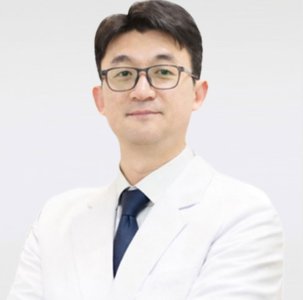
Kim Joo Young
El Dr. Kim Joo Young es cirujano ortopédico en la clínica Samsung Balance de Seúl. Se especializa en tratamientos regenerativos y reconstrucción articular. El Dr. Kim se desempeñó como director de cirugía ortopédica para la División de Mantenimiento de la Paz en Irak. Trata afecciones complejas como la osteoartritis de rodilla, desgarros de menisco y hombro congelado.
- Realiza terapia con células madre para rodillas y osteoartritis.
- Experto en artroscopia de rodilla y recons
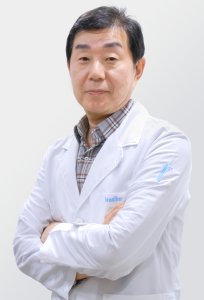
Jang Hyo Kim
El Dr. Jang Hyo Kim es cirujano ortopédico centrado en la preservación articular y la reconstrucción compleja. Se especializa en artroscopia de hombro, rodilla, tobillo, codo y muñeca. Realiza reemplazos articulares de hombro, rodilla, tobillo, codo y cadera. En columna, realiza instrumentación y fusiones cervicales y lumbares. También efectúa discectomías, laminectomías, neuroplastias y vertebroplastias. Su práctica incluye el tratamiento de fracturas y la reparación de músculos y ligamentos
Compartir contenido
Historias en video de pacientes de Bookimed
 Olena Sikoza
Preguntas frecuentes sobre el tratamiento de Artrosis en Corea del Sur
¿Qué tratamientos innovadores hay disponibles en Corea que quizás no encuentre en otros lugares?
Corea del Sur ofrece tratamientos innovadores para la artrosis, como la terapia avanzada con células madre de doble inyección y protocolos centrados en el cartílago que no están ampliamente disponibles en otros lugares. Estas terapias a menudo combinan la artroscopia con tratamientos láser e inyecciones regenerativas para tratar la degeneración articular. Las instalaciones utilizan tecnologías de alta precisión que aceleran la recuperación y mejoran la movilidad.
- Terapia de doble inyección: Combina múltiples agentes regenerativos para estimular la reparación natural del cartílago.
- Combinaciones regenerativas: Integra la artroscopia con terapias láser y manuales para la salud de la rodilla.
- Tratamiento por radiofrecuencia: La ablación nerviosa no quirúrgica proporciona alivio del dolor sin necesidad de implantes articulares.
- Infusiones de células madre: Las infusiones intravenosas de alta dosis combaten la inflamación sistémica y aumentan la inmunidad articular.
Perspectiva del experto de Bookimed: Las clínicas coreanas a menudo combinan el diagnóstico por imagen y las inyecciones regenerativas en protocolos rápidos de 1 día. Por ejemplo, la clínica Samsungbalance ofrece un paquete no quirúrgico por alrededor de 7.000 dólares utilizando técnicas de doble inyección y radiofrecuencia. Esta coordinación eficiente es ideal para pacientes int
¿Qué hospitales en Corea son más conocidos por el tratamiento de la artrosis?
Corea del Sur alberga instalaciones de primer nivel para el tratamiento de la artrosis, incluidas instituciones acreditadas por la JCI como el Severance Hospital y el Asan Medical Center. Estos centros se especializan en reemplazo articular asistido por robot y terapias regenerativas avanzadas. Los cirujanos ortopédicos líderes utilizan sistemas de navegación digital para garantizar resultados quirúrgicos precisos en casos complejos.
- Asan Medical Center: Realiza un gran volumen de procedimientos de preservación y reemplazo articular en Seúl.
- Severance Hospital: Emplea un enfoque multidisciplinario con centros de rehabilitación acreditados por la JCI para la recuperación.
- Wellton Hospital: Especializado en reemplazos totales de cadera y rodilla mediante técnicas mínimamente invasivas.
- Samsungbalance Clinic: Ofrece terapia avanzada no quirúrgica de doble inyección de células madre y tratamiento con láser.
Perspectiva del experto de Bookimed: Si bien los grandes hospitales universitarios como Asan o SNUBH manejan volúmenes masivos, las clínicas especializadas ofrecen un valor único. La Samsungbalance Clinic, por ejemplo, ofrece paquetes intensivos por alrededor de 10.000 a 15.000 dólares. Estos incluyen artroscopia, terapia con células madre y fisioterapia manual. Dichos paquetes integrados a menudo brindan una rehabilitación individual má
¿Se puede tratar la artrosis sin cirugía en Corea?
La artrosis se trata ampliamente sin cirugía en Corea del Sur mediante terapias regenerativas avanzadas y medicina integrativa. Las instituciones líderes utilizan inyecciones de células madre, tratamiento por radiofrecuencia y terapia láser para reparar el cartílago. Estos protocolos no invasivos logran retrasar o prevenir con éxito la necesidad de reemplazos articulares en la mayoría de los casos.
- Terapia con células madre: Las técnicas de doble inyección y Cartistem promueven la regeneración natural del cartílago dentro de las articulaciones.
- Tratamiento por radiofrecuencia: Minimiza el dolor crónico al atacar los nervios sin incisiones quirúrgicas ni tiempo de inactividad.
- Medicina integrativa: La fisioterapia manual y los ajustes Chuna a menudo complementan las inyecciones médicas regenerativas.
- Precisión diagnóstica: Los hospitales digitales como el Hospital Bundang de la Universidad Nacional de Seúl priorizan los escaneos primero.
Perspectiva del experto de Bookimed: Los datos sugieren que clínicas específicas como la Samsung Balance Clinic ofrecen paquetes no quirúrgicos escalonados. Elegir un paquete sin artroscopia puede reducir los costos a alrededor de $7,000. Estas opciones ambulatorias permiten a los pacientes recibir terapia avanzada de doble inyección sin estancias hospitalarias. Esto es ideal para quienes buscan la prese
¿Qué tiempos de recuperación deben esperar los turistas médicos después de procedimientos articulares en Corea?
Los turistas médicos deben planificar de 2 a 4 semanas en Corea después de procedimientos articulares importantes. La mayoría de los pacientes permanecen 14 días después de la cirugía para asegurar la cicatrización inicial antes de los vuelos de larga distancia. La rehabilitación hospitalaria suele durar de 7 a 14 días para los reemplazos articulares mayores con el fin de maximizar la movilidad temprana.
- Periodo de hospitalización: Las estancias hospitalarias para reemplazos articulares suelen oscilar entre 4 y 14 días.
- Movilidad inmediata: La mayoría de los pacientes comienzan a caminar con apoyo dentro de las 24 a 48 horas.
- Recuperación regenerativa: La terapia con células madre para rodillas a menudo requiere solo de 0 a 1 día de hospitalización.
- Curación a largo plazo: La recuperación completa de la fuerza y la flexibilidad suele tardar de 3 a 12 meses.
Perspectiva del experto de Bookimed: Si bien las cirugías mayores como los reemplazos de cadera o rodilla en centros como el Hospital Wellton requieren semanas de recuperación, las opciones regenerativas ofrecen una recuperación mucho más rápida. Los paquetes en la Clínica Samsungbalance para la terapia de doble inyección de células madre no especifican hospitalización requerida. Esto permite a los pacientes concentrarse en la fisioterapia manual ambulatoria inmediatamente después de
¿Están cubiertos los tratamientos coreanos para la artrosis por seguros internacionales?
Los principales hospitales coreanos aceptan seguros internacionales para diagnósticos estándar de artrosis y cirugías médicamente necesarias. La cobertura depende de su póliza específica y del procedimiento. Los tratamientos regenerativos especializados, como la terapia con células madre, a menudo no son reembolsables. Los pacientes deben obtener una Garantía de Pago por escrito antes de comenzar cualquier tratamiento.
- Procedimientos aceptados: La mayoría de los planes cubren consultas con especialistas, resonancias magnéticas y cirugías estándar de reemplazo articular.
- Terapias regenerativas: Las inyecciones de células madre y la terapia láser se clasifican frecuentemente como no reembolsables.
- Facturación directa: Centros como el Severance Hospital y el Asan Medical Center ofrecen servicios de facturación directa.
- Protocolo de pago: Espere pagar por adelantado y solicitar el reembolso si la clínica no tiene acuerdos.
Perspectiva del experto de Bookimed: Aunque centros de primer nivel como el Seoul National University Bundang Hospital atienden a 1,5 millones de pacientes al año, es posible que no ofrezcan facturación directa para protocolos más nuevos. La Samsung Balance Clinic ofrece paquetes de células madre desde $2,500 que agrupan varias terapias en una sola sesión. A menudo es más rentable elegir estos paquetes ambulatorios pre-ag
¿Cuánto tiempo debo planificar para mi estancia en Corea para el tratamiento de la artrosis?
Los pacientes deben planificar una estancia en Corea del Sur de 1 a 3 semanas para el tratamiento de la artrosis. Las terapias con células madre no quirúrgicas permiten viajes más cortos de 5 días. Las cirugías mayores, como el reemplazo de rodilla o cadera, requieren al menos 21 días para la recuperación esencial, la fisioterapia y los hitos de seguridad aérea.
- Terapia biológica: Planifique de 4 a 7 días para inyecciones de células madre o PRP.
- Mínimamente invasivo: Reserve 14 días para una artroscopia, incluyendo la retirada obligatoria de puntos.
- Cirugía mayor: Asigne de 3 a 4 semanas para el reemplazo articular y la rehabilitación intensiva.
- Seguridad aérea: Espere de 7 a 14 días después de la cirugía para reducir los riesgos de coágulos sanguíneos.
Opinión experta de Bookimed: Los datos de clínicas como samsungbalance muestran una tendencia hacia protocolos integrativos. A menudo combinan inyecciones de células madre con fisioterapia manual y tratamientos láser. Aunque las inyecciones son rápidas, estas sesiones combinadas suelen requerir 1 día de hospitalización. Elegir estos paquetes integrales garantiza una supervisión profesional durante el pico inflamatorio inicial de 24 horas, común después de los procedimientos regenerativos.
Consenso de los pacientes: Los pacientes señalan que las escaleras del metro
¿Hablan inglés los especialistas en ortopedia coreanos y hay servicio de intérprete disponible?
Muchos especialistas en ortopedia de Corea del Sur hablan inglés. Los servicios de interpretación profesional están ampliamente disponibles a través de centros de salud internacionales. El dominio del inglés es mayor en instalaciones importantes como el Hospital Universitario Nacional de Seúl Bundang o el Hospital Severance. Las clínicas más pequeñas suelen utilizar aplicaciones de traducción o líneas directas proporcionadas por el gobierno.
- Competencia de los especialistas: La mayoría de los cirujanos tienen un dominio del inglés de básico a intermedio.
- Coordinadores hospitalarios: Los grandes centros emplean personal dedicado para el apoyo en cirugías y hospitalización.
- Apoyo gubernamental: La línea directa de viajes de Corea 1330 ofrece traducción médica gratuita las 24 horas, los 7 días de la semana.
- Asistencia privada: Agencias especializadas proporcionan intérpretes médicos profesionales para acompañar a los pacientes internacionales.
Opinión de expertos de Bookimed: Aunque los mejores cirujanos en centros como el Hospital Leadheal o el Hospital Kang Dong hablan inglés, el personal de apoyo a menudo no lo hace. Los pacientes deben elegir clínicas con 40 o más años de historia. Estas instalaciones establecidas, como el Hospital Severance, suelen tener departamentos internacionales más sólidos. Esto garantiza una comunicación fluida