Síndrome del túnel carpiano en Corea del Sur: las 15 mejores clínicas para su tratamiento


Revisado médicamente por
Fahad Mawlood
Cómo funciona
¿Cuál es el precio del diagnóstico y los tratamientos de Síndrome del túnel carpiano en Corea del Sur? Descubra ahora
| Corea del Sur | España | Turquía | |
|---|---|---|---|
| Cirugía de reconstrucción de la mano | ≈ $4,500 | ≈ $4,800 | de $11,700 |
Descubra las mejores clínicas de tratamiento de Síndrome del túnel carpiano en Corea del Sur: 15 opciones verificadas y Precios





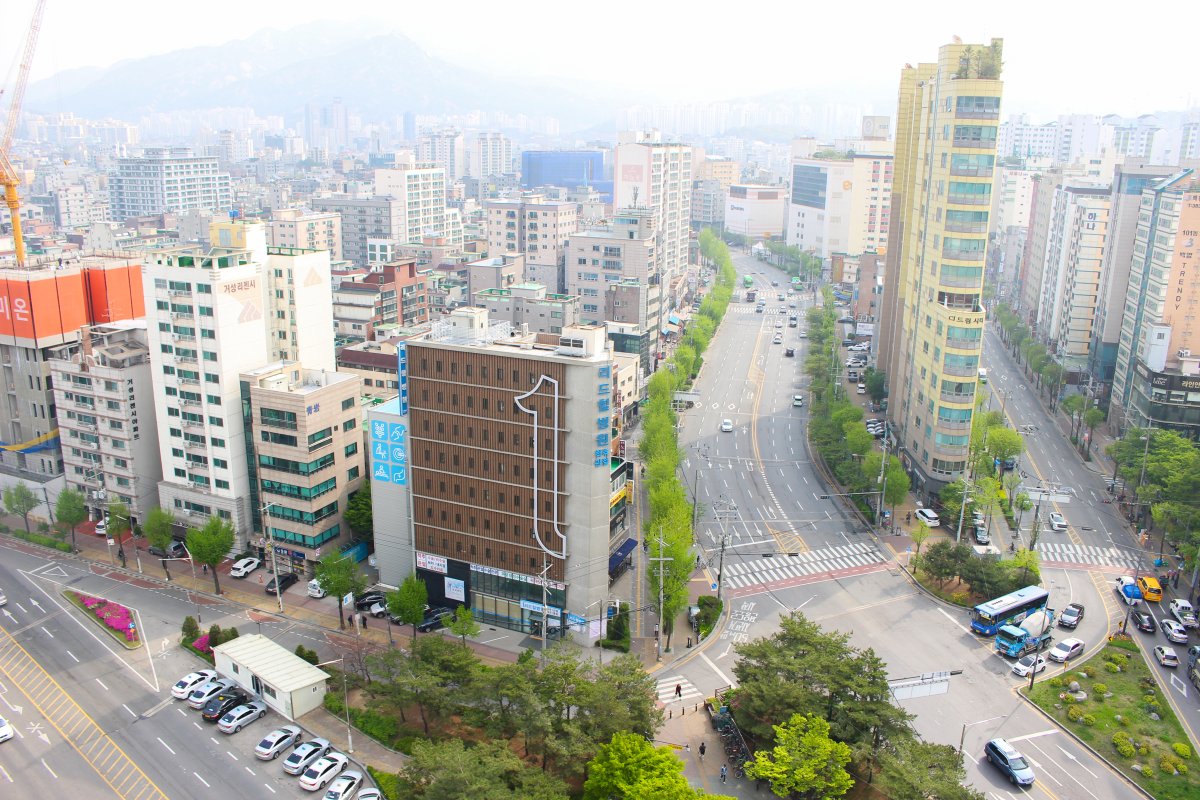
Clínica de columna y articulaciones Leadheal






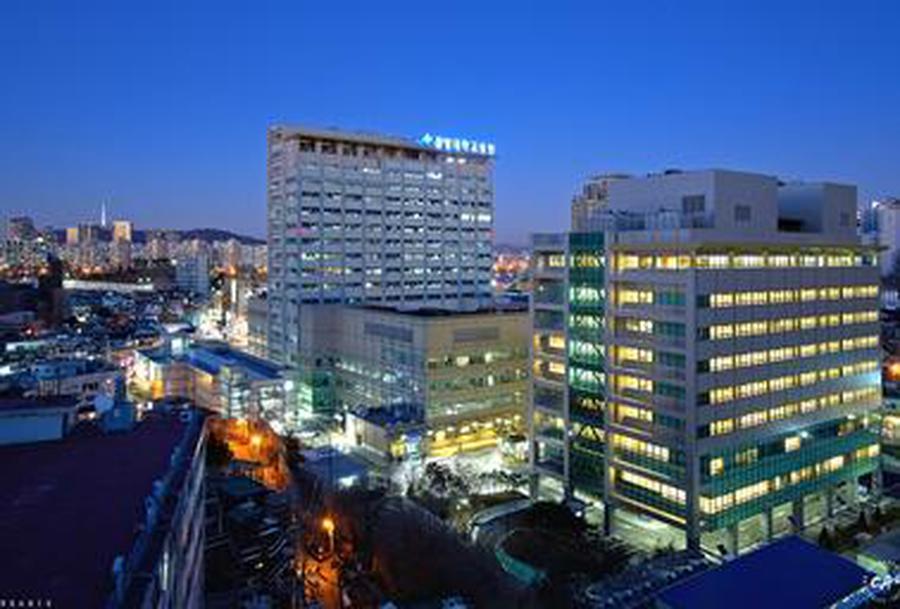
Hospital universitario Chung-Ang (Chung-Ang University Hospital)

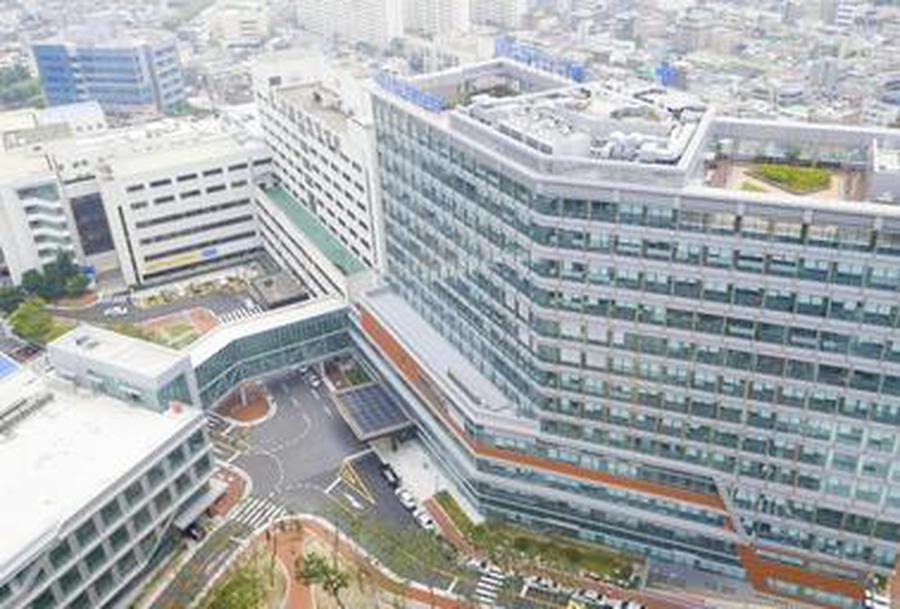

Wonkwang University Hospital

Centro médico Sun (Sun Medical Center)
Obtenga una evaluación médica para Síndrome del túnel carpiano en Corea del Sur: consulte con doctores experimentados ahora
Ver todos los médicos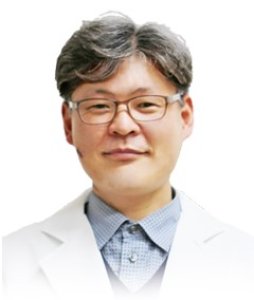
Yang Yeongjun
El Dr. Yang Yeongjun es cirujano ortopédico especializado en salud articular y artroscopia. Trata trastornos de rodilla y hombro y realiza cirugía artroscópica y reemplazo articular (artroplastia). También trata traumatismos y afecciones deportivas, incluidas lesiones deportivas, problemas del pie y tobillo, síndrome del túnel carpiano y fracturas.
Completó la residencia en cirugía ortopédica en el Catholic Medical Center y luego una beca de subespecialización en el St. Paul’s Hospital
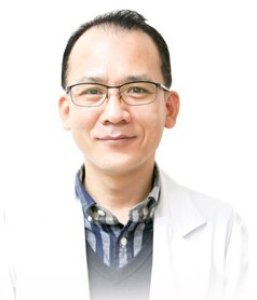
Lee Dongyeop
El Dr. Lee Dongyeop es cirujano ortopédico especializado en artroscopia y reemplazo articular. Realiza cirugía artroscópica (endoscopia articular) y reemplazo total de rodilla. Trata trastornos del hombro, lesiones deportivas y afecciones crónicas de la rodilla.
Credenciales: Programa combinado de M.D.-Ph.D., Escuela de Posgrado de Medicina de la Universidad Católica de Corea. Internado y residencia en cirugía ortopédica, Centro Médico Católico de la Universidad Católica de Corea. Inst
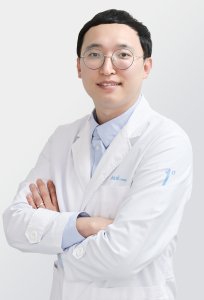
Woo Kyung Kwak
El Dr. Woo Kyung Kwak es cirujano ortopédico. Está especializado en cirugía mínimamente invasiva del pie y el tobillo (MICA para hallux valgus). También trata lesiones deportivas y realiza artroplastia total de rodilla, así como artroscopia avanzada de hombro y rodilla.
Obtuvo el título de médico (MD) y un máster en ciencias (MS) en la Universidad Nacional de Chonnam. Completó una beca de subespecialización en el Hospital de la Universidad Nacional de Chonnam. Se desempeñó como jefe de
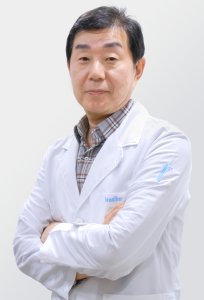
Jang Hyo Kim
El Dr. Jang Hyo Kim es cirujano ortopédico centrado en la preservación articular y la reconstrucción compleja. Se especializa en artroscopia de hombro, rodilla, tobillo, codo y muñeca. Realiza reemplazos articulares de hombro, rodilla, tobillo, codo y cadera. En columna, realiza instrumentación y fusiones cervicales y lumbares. También efectúa discectomías, laminectomías, neuroplastias y vertebroplastias. Su práctica incluye el tratamiento de fracturas y la reparación de músculos y ligamentos
Compartir contenido
Historias en video de pacientes de Bookimed
 Olena Sikoza
Preguntas frecuentes sobre el tratamiento de Síndrome del túnel carpiano en Corea del Sur
¿Cuáles son las principales opciones de tratamiento para el síndrome del túnel carpiano en Corea?
Corea ofrece tratamientos avanzados para el síndrome del túnel carpiano a través de cirugía mínimamente invasiva y atención conservadora especializada. Los centros de alto volumen como el Hospital Leadheal y el Centro Médico Asan se centran en la liberación endoscópica y técnicas guiadas por ultrasonido. Estos métodos priorizan incisiones más pequeñas, reducción del dolor y un retorno más rápido a las actividades diarias.
- Liberación quirúrgica: Los procedimientos endoscópicos minimizan las cicatrices y aceleran la curación en comparación con la cirugía abierta.
- Terapia guiada por ultrasonido: Las técnicas precisas con hilo e inyecciones de corticosteroides apuntan a la inflamación bajo imágenes en tiempo real.
- Medicina conservadora: Los enfoques integrados combinan acupuntura, farmacopuntura y terapia Chuna para aliviar el dolor.
- Atención ortopédica experta: Cirujanos como el Dr. Woo Kyung Kwak se especializan en cirugías de mano mínimamente invasivas.
Perspectiva del experto de Bookimed: Si bien los centros principales como el Hospital Severance manejan volúmenes masivos de pacientes, hospitales especializados como el Hospital Leadheal tratan a más de 44.000 pacientes al año. Nuestros datos muestran que estas clínicas especializadas a menudo ofrecen planes de recuperación más personalizados centrados en la restauración inmediata del es
¿Es siempre necesaria la cirugía para el síndrome del túnel carpiano en Corea?
La cirugía no es obligatoria para el síndrome del túnel carpiano en Corea. Los especialistas priorizan inicialmente el tratamiento conservador para casos leves o moderados. Los médicos recomiendan la intervención quirúrgica solo en casos de síntomas graves. Estos incluyen entumecimiento persistente o debilidad en el agarre que afecta las tareas diarias y el sueño.
- Enfoque inicial: Los médicos suelen recetar primero férulas nocturnas para la muñeca y modificación de actividades.
- Terapia médica: Las inyecciones de esteroides proporcionan un alivio temporal al reducir la inflamación alrededor de los nervios.
- Factores quirúrgicos: La cirugía es necesaria cuando los estudios de conducción nerviosa muestran un daño significativo.
- Estándares de seguridad: Las instalaciones acreditadas por la JCI, como el Severance Hospital, mantienen altos estándares de cirugía ortopédica.
Perspectiva del experto de Bookimed: El Hospital Leadheal atiende a más de 44.000 pacientes al año utilizando planes de tratamiento de estilo de vida personalizados. Los principales centros coreanos utilizan diagnósticos digitalizados para seguir con precisión la recuperación nerviosa. Esta experiencia de gran volumen permite a los cirujanos decidir si los procedimientos mínimamente invasivos son realmente necesarios.
Consenso de los pacientes: Los pa
¿Cuál es la tasa de éxito esperada de la cirugía de túnel carpiano en Corea?
Las clínicas coreanas reportan altas tasas de éxito en la cirugía de túnel carpiano, entre el 85 % y el 95 %. Los cirujanos utilizan técnicas endoscópicas y el sistema MicroAire SmartRelease para garantizar la precisión. Estos métodos avanzados minimizan las cicatrices y facilitan un retorno más rápido a las actividades diarias para los pacientes internacionales.
- Tasa de éxito: La alta eficacia proporciona un alivio significativo de los síntomas para 9 de cada 10 pacientes.
- Enfoque quirúrgico: La liberación endoscópica reduce el trauma tisular en comparación con la cirugía abierta tradicional.
- Experiencia especializada: Cirujanos como el Dr. Woo Kyung Kwak están especializados en trastornos de la mano y los nervios.
- Volumen de la clínica: El Severance Hospital atiende a 4 millones de pacientes al año con protocolos de seguridad acreditados por la JCI.
Perspectiva del experto de Bookimed: El éxito depende del volumen y de la infraestructura especializada. El Leadheal Hospital gestiona más de 44.000 pacientes al año a través de planes personalizados de neurocirugía y ortopedia. Elegir un centro articular dedicado, como el del Na-Eun Hospital dirigido por el Dr. Yang Young Joon, garantiza el acceso a especialistas centrados exclusivamente en el entumecimiento de la mano y la descompresión nerviosa.
Consenso de los pacientes:
¿Qué tan pronto puedo volver a trabajar después de una cirugía del túnel carpiano?
La mayoría de los pacientes regresan a trabajos de escritorio ligeros dentro de los 7 a 14 días posteriores a la cirugía del túnel carpiano. Los cirujanos de la República de Corea suelen utilizar técnicas endoscópicas para minimizar el tiempo de recuperación. El trabajo manual que requiere levantar objetos pesados o movimientos repetitivos generalmente requiere un período de 6 a 8 semanas.
- Tareas de oficina: Reanude la escritura y las tareas de escritorio ligeras dentro de 1 a 2 semanas después de la cirugía.
- Trabajo manual: Espere de 6 a 8 semanas para levantar objetos pesados o usar herramientas de alta vibración.
- Técnica quirúrgica: La liberación endoscópica generalmente permite un retorno más rápido que los métodos de cirugía abierta tradicionales.
- Seguridad al conducir: Evite conducir hasta por 8 semanas hasta que regrese la fuerza total de la mano.
Perspectiva del experto de Bookimed: Los centros líderes de Seúl, como el Hospital Leadheal y el Hospital Severance, manejan grandes volúmenes de pacientes; solo Leadheal atiende a más de 44.000 pacientes al año. Nuestros datos indican que elegir a un especialista como el Dr. Seong Hyun Kim, que cuenta con más de 30 años de experiencia, a menudo resulta en cronogramas de recuperación más precisos y planes de rehabilitación personalizados. La alta frecuencia quirúrgica de Corea del Sur e
¿Necesitaré fisioterapia después de la cirugía?
Por lo general, no se requiere fisioterapia después de una cirugía estándar del túnel carpiano en Corea del Sur. La mayoría de los pacientes recuperan la función de la mano mediante ejercicios sencillos en casa y el movimiento temprano de los dedos. La rehabilitación especializada se reserva para casos que involucran rigidez persistente, debilidad muscular o una sensibilidad cicatricial significativa durante el período de recuperación.
- Movimiento temprano: Los pacientes generalmente comienzan movimientos suaves de dedos y muñeca dentro de las 24 horas.
- Ejercicios en casa: Los ejercicios simples de deslizamiento de tendones ayudan a prevenir adherencias nerviosas sin sesiones de terapia formal.
- Casos especializados: La recuperación de una microcirugía compleja o daño nervioso severo puede requerir orientación profesional.
- Credenciales del centro: Instalaciones como el Hospital Severance mantienen la acreditación JCI para estándares de seguridad postoperatorios.
Perspectiva del experto de Bookimed: Los ortopedistas surcoreanos como el Dr. Seong Hyun Kim priorizan la recuperación funcional inmediata. Los cirujanos experimentados con más de 30 años de experiencia a menudo utilizan técnicas mínimamente invasivas. Este enfoque reduce el trauma tisular y disminuye significativamente la necesidad de fisioterapia formal en comparación con la cir
¿Qué sucede si los síntomas persisten o regresan después de una cirugía del túnel carpiano en Corea?
Si los síntomas persisten después de una cirugía del túnel carpiano en Corea, programe inmediatamente una cita de seguimiento para obtener imágenes de diagnóstico. El entumecimiento persistente afecta a menos del 5% de los casos y a menudo requiere una electromiografía (EMG) o una ecografía. Los centros especializados en mano de Seúl ofrecen cirugías de revisión si se produce tejido cicatricial o una liberación incompleta del ligamento.
- Pruebas diagnósticas: Los especialistas coreanos utilizan EMG repetidas o estudios de conducción nerviosa para evaluar la recuperación nerviosa.
- Consulta experta: Cirujanos líderes como el Dr. Seong Hyun Kim ofrecen más de 30 años de experiencia.
- Imágenes avanzadas: Instalaciones como el Centro Médico Asan utilizan imágenes digitales para verificar la integridad de la liberación del ligamento.
- Cirugía de revisión: Centros especializados como el Hospital Leadheal realizan microcirugía compleja para la compresión nerviosa recurrente.
Perspectiva del experto de Bookimed: Si bien muchos buscan hospitales universitarios prestigiosos como la SNU para revisiones, los centros especializados más pequeños a menudo brindan un acceso más rápido. Los datos muestran que el Hospital Leadheal atiende a más de 44.000 pacientes al año con enfoques ortopédicos. Elegir a un cirujano como el Dr. Woo Kyung Kwak, quien posee u
¿Cómo debo prepararme para mi consulta inicial en Corea?
Una preparación efectiva para una consulta ortopédica en Corea del Sur implica recopilar estudios previos de conducción nerviosa y resultados de electromiografía (EMG). Los pacientes deben documentar patrones específicos de síntomas, como entumecimiento nocturno o debilidad en el agarre. Estos datos ayudan a los especialistas en instalaciones acreditadas por la JCI, como el Hospital Severance, a determinar la urgencia quirúrgica.
- Documentación médica: Traiga resultados recientes de electromiografía (EMG) o estudio de conducción nerviosa (NCS).
- Mapeo de síntomas: Anote qué dedos están entumecidos y si agitar las manos proporciona alivio.
- Historial de tratamiento: Enumere todas las férulas, inyecciones de esteroides y medicamentos antiinflamatorios utilizados previamente.
- Impacto funcional: Describa dificultades con tareas específicas como conducir, escribir o dejar caer objetos.
- Credenciales de la clínica: Verifique las certificaciones de la Asociación Coreana de Ortopedia o la acreditación KOIHA.
Perspectiva del experto de Bookimed: Concéntrese en clínicas como el Hospital Leadheal, que reporta tratar a más de 44,000 pacientes anualmente. Los altos volúmenes de pacientes en Seúl a menudo significan que cirujanos como el Dr. Woo Kyung Kwak ven cientos de casos de túnel carpiano mensualmente. Esta experiencia esp