Síndrome del túnel carpiano Tratamiento en España — Costos 2026


Revisado médicamente por
Fahad Mawlood
¿Cuál es el precio del diagnóstico y los tratamientos de Síndrome del túnel carpiano en España? Descubra ahora
| España | Turquía | México | |
|---|---|---|---|
| Cirugía de reconstrucción de la mano | ≈ $4,800 | de $11,700 | ≈ $3,800 |
Sus beneficios y garantías con Bookimed
Precios directos
Bookimed no añade cargos extra a los precios de los tratamientos de Síndrome del túnel carpiano. Las tarifas proceden de las listas de precios oficiales de las clínicas. Pagará directamente en la clínica por su tratamiento a su llegada al país.
Sólo clínicas y médicos verificados
Bookimed está comprometido con su seguridad. Solo trabajamos con las clínicas que mantienen altos estándares internacionales en el tratamiento de Síndrome del túnel carpiano y cuentan con las licencias necesarias para atender a pacientes internacionales en todo el mundo.
Asistencia 24/7 gratuita
Bookimed ofrece asistencia experta gratuita. Un coordinador médico personal le apoya antes, durante y después de su tratamiento, resolviendo cualquier problema. Nunca estará solo en su viaje médico de tratamiento de Síndrome del túnel carpiano.

Su coordinador médico personal de Bookimed
- Le apoya en cada etapa
- Ayuda a elegir la clínica y el médico adecuados
- Asegura un acceso rápido y conveniente a la información
Descubra las mejores clínicas de tratamiento de Síndrome del túnel carpiano en España: 4 opciones verificadas y Precios
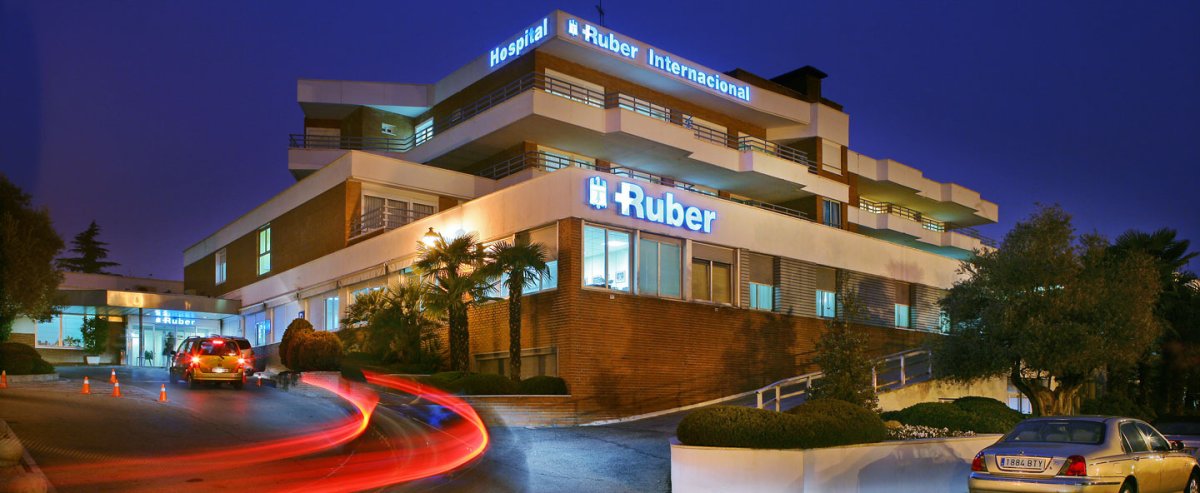





Obtenga una evaluación médica para Síndrome del túnel carpiano en España: consulte con doctores experimentados ahora
Ver todos los médicos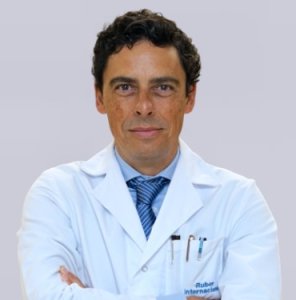
Pablo De La Cuadra
El Dr. Pablo de la Cuadra (Pablo Cuadra de la Virgili) es cirujano ortopédico y traumatólogo en Madrid. Está especializado en lesiones deportivas y cirugía de hombro en el Hospital Ruber Internacional, donde ejerce desde 1999. Cuenta con más de 25 años de experiencia. Dirige una unidad multidisciplinar y un equipo especializado en traumatología. Es un experto reconocido en trastornos complejos del hombro y utiliza técnicas artroscópicas y reconstructivas avanzadas para la inestabilidad y las
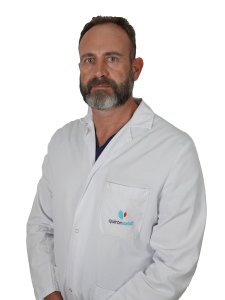
Néstor Antonio Zurita Uroz
El doctor es un especialista de gran prestigio en Cirugía Ortopédica y Traumatología, que actualmente ejerce como Jefe del Departamento de Traumatología en el Hospital Quirónsalud Torrevieja. Con un Doctorado en Medicina y Cirugía, el doctor posee una amplia experiencia en traumatología deportiva, cirugía de rodilla y hombro, y técnicas artroscópicas mínimamente invasivas. El doctor ha prestado atención médica al Equipo Nacional Español de Natación desde 1996 y es editor de la revista europea
Compartir contenido
Historias en video de pacientes de Bookimed
 Olena Sikoza
Preguntas frecuentes sobre el tratamiento de Síndrome del túnel carpiano en España
¿Qué técnicas quirúrgicas se utilizan para la liberación del túnel carpiano en España?
Los cirujanos en España realizan principalmente la liberación del túnel carpiano mediante técnicas abiertas, miniabiertas y endoscópicas. Estos procedimientos descomprimen el nervio mediano cortando el ligamento transverso del carpo. Los centros especializados también ofrecen cirugía ultra mínimamente invasiva guiada por ultrasonido. La mayoría de las operaciones son procedimientos ambulatorios con anestesia local o regional.
- Liberación abierta: Incisión tradicional de 3–4 cm que proporciona visualización directa para casos anatómicos complejos.
- Técnica miniabierta: Incisión limitada de 1,5–2 cm diseñada para reducir las cicatrices en la palma y acelerar la recuperación.
- Liberación endoscópica: Incisión única de 1–2 cm en la muñeca mediante guía por cámara para un retorno más rápido al trabajo.
- Cirugía guiada por ultrasonido: Punción ultra mínimamente invasiva de 1 mm que requiere solo anestesia local para un movimiento inmediato.
Perspectiva del experto de Bookimed: El volumen de pacientes es un indicador clave de calidad en España. Por ejemplo, el Hospital Ruber Internacional en Madrid trata a más de 25.000 pacientes al año. Los centros de alto volumen a menudo cuentan con especialistas más experimentados como el Dr. Pablo De La Cuadra. Estos expertos suelen preferir técnicas mínimamente invasivas para acelerar la recuperación de paci
¿Qué hospitales son reconocidos por su excelencia en cirugía de mano y tratamiento del túnel carpiano en España?
España es un centro mundial para el tratamiento del túnel carpiano. Clínicas como el Hospital Ruber Internacional y el Centro Médico Teknon son líderes en cirugía de mano. Estas instalaciones cuentan con acreditación JCI y certificaciones ISO. Los cirujanos utilizan técnicas microquirúrgicas y endoscópicas avanzadas para garantizar la descompresión nerviosa y una recuperación rápida para los pacientes internacionales.
- Acreditación hospitalaria: Las certificaciones de la Joint Commission International (JCI) e ISO garantizan estándares de seguridad globales.
- Técnicas quirúrgicas: Los especialistas realizan liberación endoscópica del túnel carpiano y descompresión microquirúrgica mínimamente invasiva.
- Cirujanos expertos: El Dr. Pablo De La Cuadra en Madrid cuenta con más de 25 años de experiencia.
- Volumen de atención: El Hospital Ruber Internacional trata a 25.000 pacientes al año con un personal multidisciplinario.
Opinión de expertos de Bookimed: España ofrece una ventaja única para casos complejos a través de sus más de 80 clínicas especializadas. Si bien muchos centros ofrecen atención traumatológica general, el Hospital Ruber Internacional destaca. Cuenta con 42 departamentos distintos y 800 médicos. Esto permite una consulta cruzada inmediata si los problemas nerviosos provienen de causas no ortopédicas. Esta densidad de experiencia
¿Cuál es el plazo típico de recuperación tras una cirugía del túnel carpiano en España?
La recuperación tras una liberación del túnel carpiano en España suele llevar de 2 a 6 semanas para actividades ligeras. La fuerza completa de la mano suele volver en un plazo de 12 semanas. Los pacientes suelen retomar el trabajo de oficina en cuestión de días, mientras que el trabajo manual requiere de 4 a 6 semanas. Los procedimientos suelen realizarse de forma ambulatoria con anestesia local.
- Actividades diarias: Los pacientes retoman tareas ligeras y no repetitivas en un plazo de 2 a 4 semanas.
- Retirada de puntos: Los cirujanos suelen retirar las suturas quirúrgicas entre 10 y 14 días después de la intervención.
- Técnica quirúrgica: Los métodos endoscópicos suelen permitir una vuelta al trabajo más rápida que la cirugía abierta.
- Curación a largo plazo: La recuperación completa de los nervios y la sensibilidad puede llevar desde varios meses hasta 1 año.
Opinión de los expertos de Bookimed: Aunque España ofrece una atención ortopédica de alto nivel, el volumen clínico es importante para los resultados de la recuperación. Centros como el Hospital Ruber Internacional de Madrid tratan a 25.000 pacientes al año. Cirujanos de gran experiencia como el Dr. Pablo De La Cuadra están especializados en la recuperación funcional. Elegir un equipo multidisciplinar suele acelerar la vuelta al deporte y al trabajo físico.
Consenso de
¿Qué tratamientos conservadores están disponibles en España para el síndrome del túnel carpiano leve antes de considerar la cirugía?
España ofrece tratamientos no quirúrgicos sólidos para el síndrome del túnel carpiano leve, centrándose en la descompresión y la rehabilitación física. Los pacientes suelen someterse a férulas nocturnas, ejercicios especializados de deslizamiento nervioso e inyecciones de corticosteroides guiadas por ecografía. Los centros acreditados por la JCI, como el Hospital Ruber Internacional, proporcionan evaluaciones ortopédicas avanzadas para retrasar o evitar la cirugía por completo.
- Férulas nocturnas: El uso de férulas rígidas para la muñeca en posición neutra evita la flexión nocturna y la compresión del nervio mediano.
- Terapia manual: Los especialistas utilizan ejercicios de deslizamiento de nervios y tendones para mejorar la movilidad a través del canal.
- Terapia de inyección: Los especialistas administran inyecciones de corticosteroides guiadas por ecografía para reducir rápidamente la inflamación local de los tendones.
- Electrólisis avanzada: Algunas clínicas españolas utilizan la electrólisis percutánea para reducir la fibrosis mediante corriente guiada por ecografía.
Perspectiva del experto de Bookimed: Los equipos ortopédicos españoles suelen priorizar la recuperación funcional a través de unidades de mano especializadas. Especialistas líderes como el Dr. Pablo De La Cuadra combinan más de 30 años de experiencia con protocolos que prio
¿Se ofrece asistencia en inglés a los pacientes internacionales que buscan tratamiento para el síndrome del túnel carpiano en España?
Los hospitales privados españoles ofrecen una amplia asistencia en inglés a los pacientes internacionales con síndrome del túnel carpiano. Los departamentos internacionales dedicados facilitan la logística y la comunicación médica. Los cirujanos en centros acreditados por la Joint Commission International suelen hablar inglés con fluidez. Bookimed gestiona toda la comunicación con los médicos, las traducciones y la programación de citas para una experiencia sin complicaciones.
- Departamentos especializados: Las unidades internacionales gestionan la admisión, la facturación y la logística en inglés.
- Disponibilidad de idiomas: Cirujanos como el Dr. Pablo De La Cuadra ofrecen atención en centros adaptados al inglés.
- Estándares acreditados: Centros como el Hospital Ruber Internacional mantienen altos niveles de seguridad gracias a la acreditación JCI.
- Enfoque geográfico: El apoyo en inglés está altamente concentrado en los centros de Madrid, Alicante y Las Palmas.
Opinión de expertos de Bookimed: Las clínicas en ciudades con muchos expatriados, como Madrid y Alicante, atienden a miles de pacientes internacionales al año. Solo el Hospital Ruber Internacional trata a 25.000 pacientes anualmente. Este gran volumen a menudo significa que el personal administrativo y los equipos de enfermería están más acostumbrados al inglés. Elegir estos centro
¿Cuándo se recomienda la cirugía frente a los tratamientos conservadores y qué criterios utilizan los cirujanos españoles para decidir?
Los cirujanos en España recomiendan la cirugía del túnel carpiano cuando las terapias conservadoras fallan después de 4 a 6 semanas. Los criterios de decisión clave incluyen entumecimiento persistente, atrofia muscular y resultados anormales en la electromiografía. Los cirujanos priorizan la preservación neurológica sobre los niveles de dolor para evitar daños nerviosos irreversibles y la pérdida de la función de la mano.
- Progresión neurológica: Los cirujanos optan por la cirugía si los estudios de conducción nerviosa muestran déficits que empeoran.
- Indicadores físicos: La atrofia muscular visible en el área del pulgar desencadena una consulta quirúrgica inmediata.
- Umbral funcional: La debilidad persistente o el hecho de dejar caer objetos indica que el tratamiento conservador ya no es suficiente.
- Evaluación de riesgos: Los médicos utilizan las puntuaciones de la American Society of Anesthesiologists (ASA) para confirmar la seguridad quirúrgica.
Perspectiva de expertos de Bookimed: La experiencia ortopédica española está altamente concentrada en centros multidisciplinarios. El Dr. Pablo De La Cuadra en el Hospital Ruber Internacional lidera un equipo centrado en la recuperación funcional. Esta clínica atiende a 25.000 pacientes al año y cuenta con la acreditación de la Joint Commission International (JCI). Estos centros acreditados de a
¿Cuáles son los lugares clave en España conocidos por combinar cirugía de mano de alta calidad con una infraestructura establecida de turismo médico?
Madrid y Barcelona son los principales centros de cirugía de mano en España. Estas ciudades combinan microcirugía de élite con servicios sofisticados para pacientes internacionales. Los centros suelen contar con la acreditación de la Joint Commission International y unidades especializadas en mano. Los cirujanos líderes realizan con frecuencia más de 1.000 procedimientos al año para garantizar altas tasas de éxito.
- Infraestructura en Madrid: Hospitales privados de élite como el Hospital Ruber Internacional atienden a 25.000 pacientes al año.
- Especialización en Barcelona: Los centros se centran en el mapeo nervioso y la reconstrucción compleja de nervios periféricos.
- Credenciales de especialistas: Cirujanos como el Dr. Pablo De La Cuadra poseen doctorados médicos avanzados.
- Estándares de acreditación: Las mejores instalaciones mantienen certificaciones de seguridad de la Joint Commission International e ISO.
Perspectiva de expertos de Bookimed: Madrid destaca como una opción superior para pacientes internacionales porque sus hospitales privados, como el Hospital Ruber Internacional, gestionan más de 25.000 pacientes cada año. Este volumen masivo crea un ecosistema más robusto para la coordinación internacional que las clínicas regionales más pequeñas. Al seleccionar un centro, priorice hospitales con más de 800 médicos en plantilla para