Gastritis en Corea del Sur: las 12 mejores clínicas para su tratamiento


Revisado médicamente por
Fahad Mawlood
Cómo funciona
¿Cuál es el precio del diagnóstico y los tratamientos de Gastritis en Corea del Sur? Descubra ahora
El costo del tratamiento de la gastritis en la República de Corea generalmente comienza con una consulta con un gastroenterólogo que oscila entre $55 y $75. Los exámenes de diagnóstico esenciales, como el análisis bioquímico de sangre, van desde $60 hasta $130 para identificar las causas subyacentes. Los gastos totales dependen de la gravedad de la inflamación, los procedimientos endoscópicos requeridos y el nivel de la clínica. Los pacientes a menudo encuentran ahorros del 40 al 60% en comparación con los Estados Unidos. Los principales centros médicos para la atención gastrointestinal incluyen Seúl e Incheon.
Costos típicos del tratamiento de la gastritis en la República de Corea
- Consulta con un gastroenterólogo: $55 – $75
- Análisis bioquímico de sangre: $60 – $130
- ECG: de $30
Perspectiva de los expertos de Bookimed: Para la gastritis crónica que requiere diagnósticos especializados, los hospitales digitales como el Hospital Bundang de la Universidad Nacional de Seúl ofrecen sistemas avanzados de prevención de errores. Los pacientes que buscan intervenciones endoscópicas expertas deberían considerar el Hospital Na-Eun. Allí, el Dr. Cheon Won Seok realiza procedimientos avanzados como la disección submucosa endoscópica. Los centros acreditados por la JCI, como el Hospital Severance, son los mejores para los pacientes internacionales que necesitan personal de habla inglesa y atención coordinada. Los centros de alto volumen como el Centro Médico Asan brindan los resultados más confiables para casos complejos.
Descubra las mejores clínicas de tratamiento de Gastritis en Corea del Sur: 12 opciones verificadas y Precios
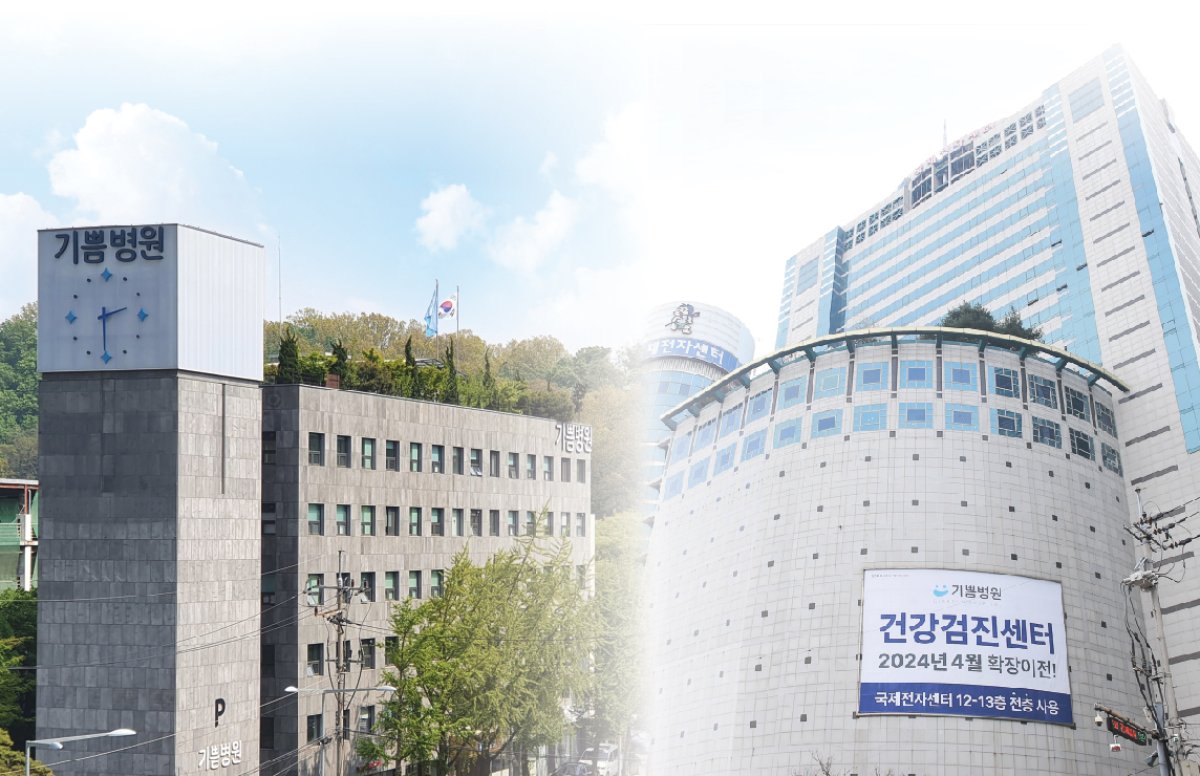
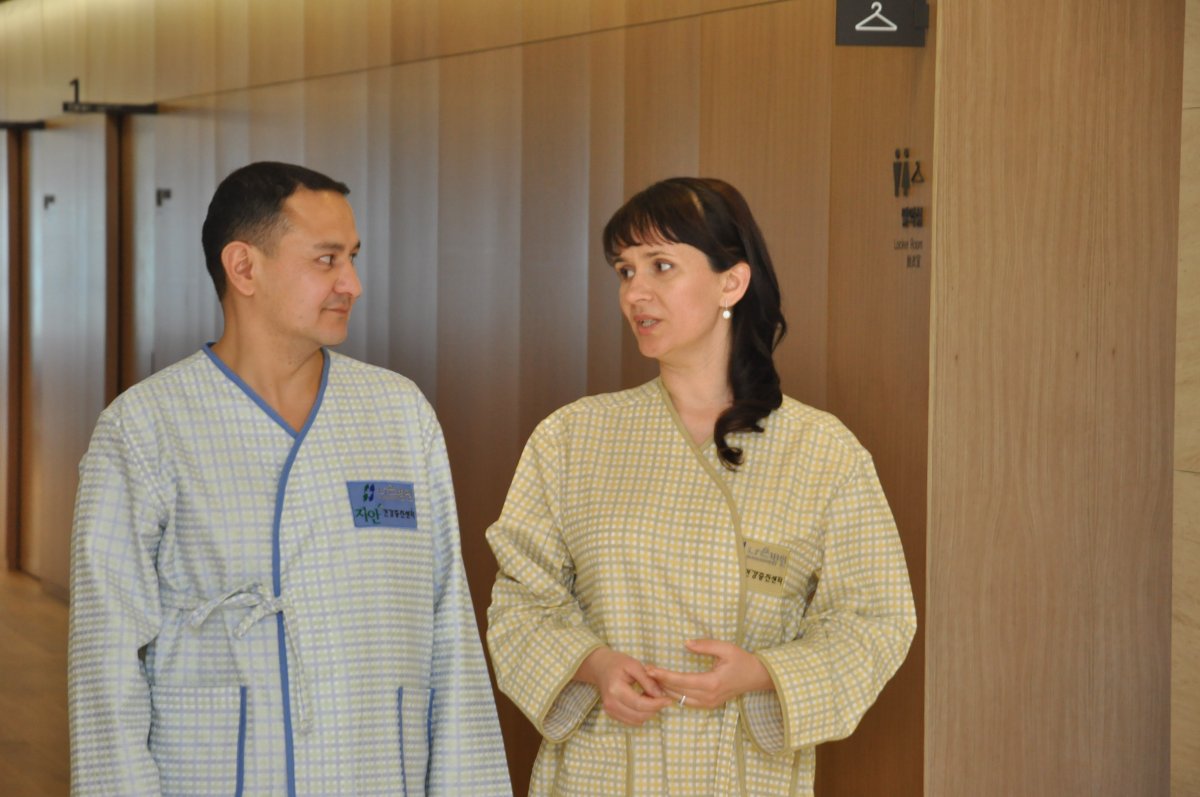











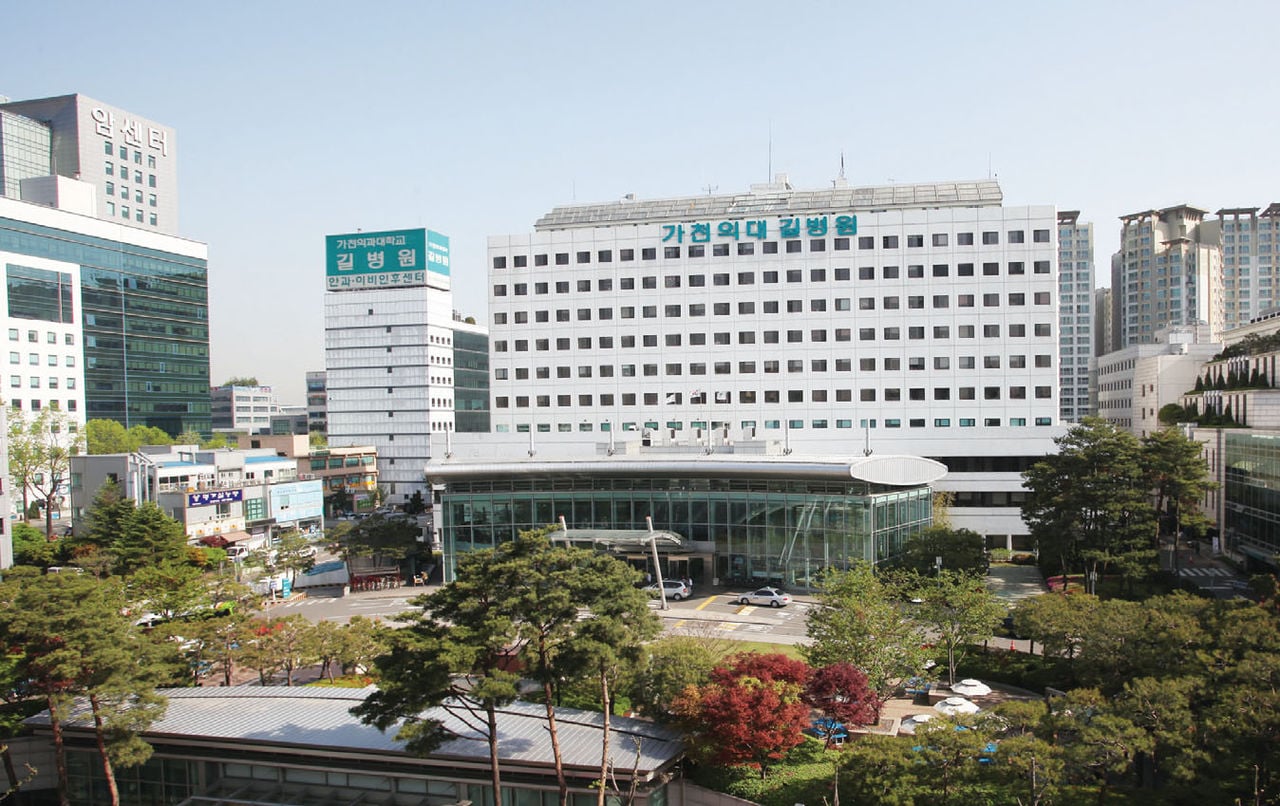




Bumin Hospital Seoul

Obtenga una evaluación médica de tratamiento de Gastritis en Corea del Sur: haga una consulta con 6 médicos experimentados ahora
Ver todos los médicos
Kim Jong Yeon
El profesor Kim Jong-yeon es gastroenterólogo en el Hospital Myongji. Trata enfermedades del esófago, estómago, colon e hígado, incluyendo cirrosis y hepatitis. Realiza endoscopia terapéutica, como la polipectomía endoscópica. También se desempeña como subdirector del Centro Internacional de Atención Médica.
Es miembro del Centro de Insuficiencia Hepática. Trabaja con equipos de hepatología, cáncer de hígado y trasplantes para proporcionar atención coordinada para enfermedades hepática

Ha Hunyoung
El Dr. Ha Heonyoung es el director del Hospital Naeun. Es especialista en medicina preventiva con 39 años de experiencia clínica.
Formación: MD, Facultad de Medicina de la Universidad de Hanyang. Máster y doctorado en Medicina Preventiva por la Escuela de Posgrado de la Universidad de Hanyang.
Enfoque clínico: Clínica de Alopecia y Obesidad para prevención de la caída del cabello, control de peso, liposucción e injerto de grasa. Clínica de Antienvejecimiento y Bienestar para ter

Cheon Wonseok
El Dr. Cheon Wonseok es Jefe de Gastroenterología en el Hospital Na-Eun. Trata trastornos gastrointestinales. Realiza endoscopia digestiva alta, colonoscopia, polipectomía y disección endoscópica submucosa (ESD). Maneja el cáncer gástrico y esofágico y la infección por Helicobacter pylori. También trata enfermedades hepáticas y enfermedad inflamatoria intestinal, incluidas la enfermedad de Crohn y la colitis ulcerosa. Ofrece endoscopia por cápsula del intestino delgado.
Acreditaciones:

Kim Taegyun
El Dr. Kim Taegyun es gastroenterólogo. Se centra en enfermedades y cánceres pancreatobiliares, entre ellos pancreatitis, quistes y cáncer de páncreas, colecistitis, cálculos biliares (colelitiasis) y cáncer de las vías biliares. También realiza endoscopia avanzada, incluida la CPRE (ERCP). Trata tumores gastrointestinales, pólipos de estómago y colon, cáncer gástrico y tumores submucosos (SMT).
Educación y formación: MD, Facultad de Medicina de la Universidad Nacional de Jeonbuk. Maes
Compartir contenido
Historias en video de pacientes de Bookimed
 Olena Sikoza
Preguntas frecuentes sobre el tratamiento de Gastritis en Corea del Sur
¿Qué medicamentos se recetan normalmente para la gastritis en Corea?
Los médicos en Corea recetan supresores de ácido y agentes mucoprotectores para el tratamiento de la gastritis. Los medicamentos comunes incluyen bloqueadores de ácido competitivos con potasio como el Tegoprazan y el fármaco mucoprotector Rebamipida. Si está presente Helicobacter pylori, los especialistas recetan una terapia triple de 14 días de inhibidores de la bomba de protones con antibióticos.
- Supresores de ácido: Los bloqueadores de ácido competitivos con potasio más nuevos ofrecen un alivio más rápido que los inhibidores de la bomba de protones tradicionales.
- Agentes mucoprotectores: La Rebamipida y el extracto de Artemisia ayudan a sanar el revestimiento del estómago al aumentar la mucosidad.
- Terapia contra H. pylori: Los médicos utilizan Amoxicilina y Claritromicina dos veces al día para eliminar las infecciones bacterianas.
- Duración del tratamiento: La mayoría de las recetas para casos agudos duran 2 semanas para asegurar la curación de la mucosa.
Perspectiva de expertos de Bookimed: Los centros de gastroenterología coreanos como el Hospital de la Universidad Nacional de Seúl y el Centro Médico Asan utilizan bloqueadores de ácido competitivos con potasio desarrollados en el país. Estos medicamentos, como el Fexuprazan, proporcionan un control de los síntomas más rápido que los inhibidores de la bomba de protones estándar. Esta
¿Es obligatoria la prueba de *Helicobacter pylori* para pacientes con gastritis en Corea?
La prueba de Helicobacter pylori no es legalmente obligatoria para todos los pacientes con gastritis en Corea, pero es un estándar clínico para grupos de alto riesgo. El Servicio Nacional de Seguro de Salud cubre el cribado para gastritis atrófica y antecedentes familiares de cáncer gástrico. La prueba es esencial para pacientes con úlceras pépticas o cáncer gástrico temprano.
- Frecuencia de cribado: Los programas nacionales ofrecen gastroscopia bienal para adultos de 40 a 75 años.
- Criterios de seguro: La cobertura se aplica a la gastritis atrófica o antecedentes familiares verificados de cáncer gástrico.
- Herramientas de diagnóstico: Los especialistas utilizan pruebas rápidas de ureasa, pruebas de aliento con urea y pruebas de resistencia molecular.
- Especialidades de expertos: Los gastroenterólogos certificados como el Dr. Cheon Won Seok se centran en la resistencia a la claritromicina.
Perspectiva del experto de Bookimed: Aunque la prueba no es obligatoria, el alto volumen de procedimientos gástricos en Seúl crea una eficiencia única. El Hospital de la Universidad Nacional de Seúl y el Centro Médico Asan atienden juntos a más de 2 millones de pacientes ambulatorios al año. Esta escala masiva significa que los gastroenterólogos coreanos a menudo identifican H. pylori durante los chequeos de rutina antes de que los síntomas se desarrollen
¿Cubre el Seguro Nacional de Salud de Corea el tratamiento de la gastritis para pacientes extranjeros?
El Seguro Nacional de Salud (NHI) de Corea cubre el tratamiento de la gastritis para los residentes extranjeros registrados en el programa. Los pacientes elegibles pagan entre el 30% y el 60% de los cuidados ambulatorios y el 20% de las estancias hospitalarias. Los visitantes de corta duración y los turistas deben pagar la totalidad de los gastos médicos de su bolsillo.
- Criterios de elegibilidad: Se requiere una residencia de más de 6 meses o empleo en una empresa coreana participante.
- Suscripción obligatoria: Los residentes de larga duración con visas D-2 o F-5 están sujetos a la inscripción obligatoria en el NHI.
- Alcance de la cobertura: El seguro incluye consultas médicas, medicamentos para la erradicación de H. pylori y recetas para gastritis crónica.
- Herramientas de diagnóstico: Los servicios subvencionados a menudo incluyen análisis de sangre bioquímicos, ECG y consultas con gastroenterólogos.
Opinión de expertos de Bookimed: Aunque el NHI ofrece ahorros significativos, la escala de los centros médicos coreanos es un factor de seguridad importante. El Centro Médico Asan atiende a más de 11.000 pacientes ambulatorios al día. El Hospital de la Universidad Nacional de Seúl atiende a 10.700 pacientes diarios. Este enorme volumen de diagnóstico significa que los gastroenterólogos coreanos identifican problemas gástricos en etapas tempr
¿Cuándo se debe realizar una gastroscopia para la gastritis en Corea?
Las directrices de Corea del Sur exigen una gastroscopia cada 2 años para adultos de 40 años o más. Los pacientes con gastritis atrófica crónica o metaplasia intestinal a menudo requieren exámenes anuales. Es necesaria una endoscopia inmediata ante síntomas de alarma como pérdida de peso, dificultad para tragar o signos de hemorragia gastrointestinal.
- Edad de cribado rutinario: Los adultos de 40 años en adelante se someten a un cribado bienal bajo el programa nacional.
- Monitoreo de alto riesgo: Los especialistas a menudo recomiendan controles anuales para pacientes con gastritis atrófica crónica.
- Desencadenantes sintomáticos: La acidez estomacal persistente o el dolor abdominal a pesar de la medicación requieren una gastroscopia diagnóstica.
- Factores de riesgo genéticos: Las personas con antecedentes familiares de cáncer gástrico comienzan los exámenes antes.
Perspectiva de expertos de Bookimed: Centros de alto volumen como el Asan Medical Center y el Severance Hospital realizan más de 60,000 operaciones al año. Estas instalaciones acreditadas por la JCI utilizan sistemas digitales avanzados para detectar cambios microscópicos en la mucosa, comunes en la gastritis. Los datos sugieren que los pacientes que eligen estos centros especializados se benefician de protocolos de prevención del cáncer altamente refinados.
Consenso
¿Se utilizan tratamientos coreanos tradicionales junto con la terapia moderna para la gastritis?
La medicina tradicional coreana complementa con frecuencia la terapia moderna para la gastritis en Corea del Sur para mejorar los resultados clínicos y la curación de la mucosa. Los centros modernos utilizan inhibidores de la bomba de protones y antibióticos. Muchas clínicas también integran decocciones de hierbas y acupuntura para controlar la inflamación crónica y prevenir cambios atróficos.
- Fitoterapia: El Yukgunja-tang puede mejorar los cambios patológicos en casos de gastritis atrófica.
- Protocolos de acupuntura: Los especialistas utilizan la Acupuntura de las Ocho Constituciones para resolver las molestias gástricas persistentes.
- Control de la inflamación: El ginseng rojo coreano ayuda a la recuperación después de la terapia de erradicación de Helicobacter pylori.
- Diagnóstico integrado: Los médicos utilizan endoscopia avanzada junto con métodos tradicionales para una mayor precisión en el cribado.
Opinión de expertos de Bookimed: Si bien los principales centros como el Hospital Bundang de la Universidad Nacional de Seúl priorizan el diagnóstico digital y la IA, los mejores gastroenterólogos a menudo incorporan la medicina del estilo de vida. El Dr. Jin Yong Kim en CHAUM se centra específicamente en un enfoque integrador que une la gastroenterología occidental con la ciencia de la longevidad. Elegir una clínica que equilibre la expe