Tratamiento de Cirugía de la mano en Corea del Sur — obtenga 3 coincidencias personalizadas de clínicas


Revisado médicamente por
Fahad Mawlood
Cómo funciona
¿Cuál es el precio del diagnóstico y los tratamientos de Cirugía de la mano en Corea del Sur? Descubra ahora
| Corea del Sur | España | Turquía | |
|---|---|---|---|
| Cirugía de reconstrucción de la mano | ≈ $4,500 | ≈ $4,800 | de $11,700 |
Descubra las mejores clínicas de tratamiento de Cirugía de la mano en Corea del Sur: 7 opciones verificadas y Precios
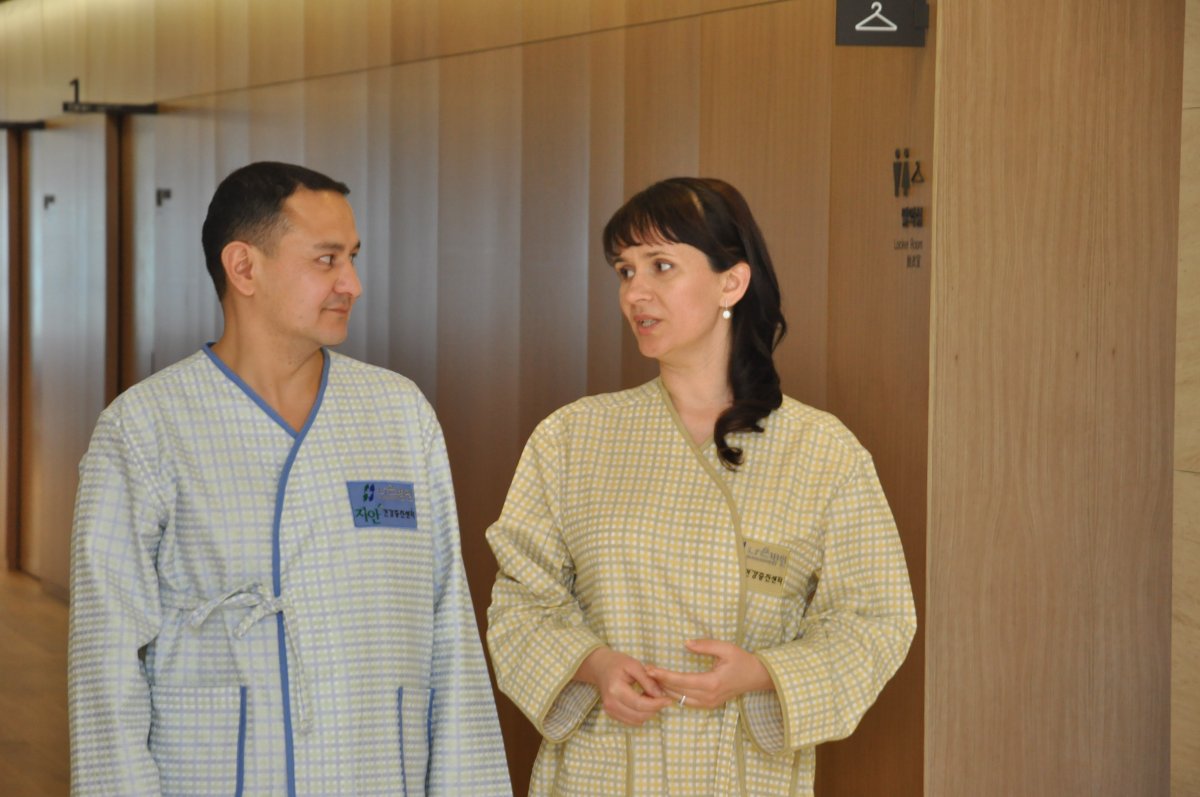




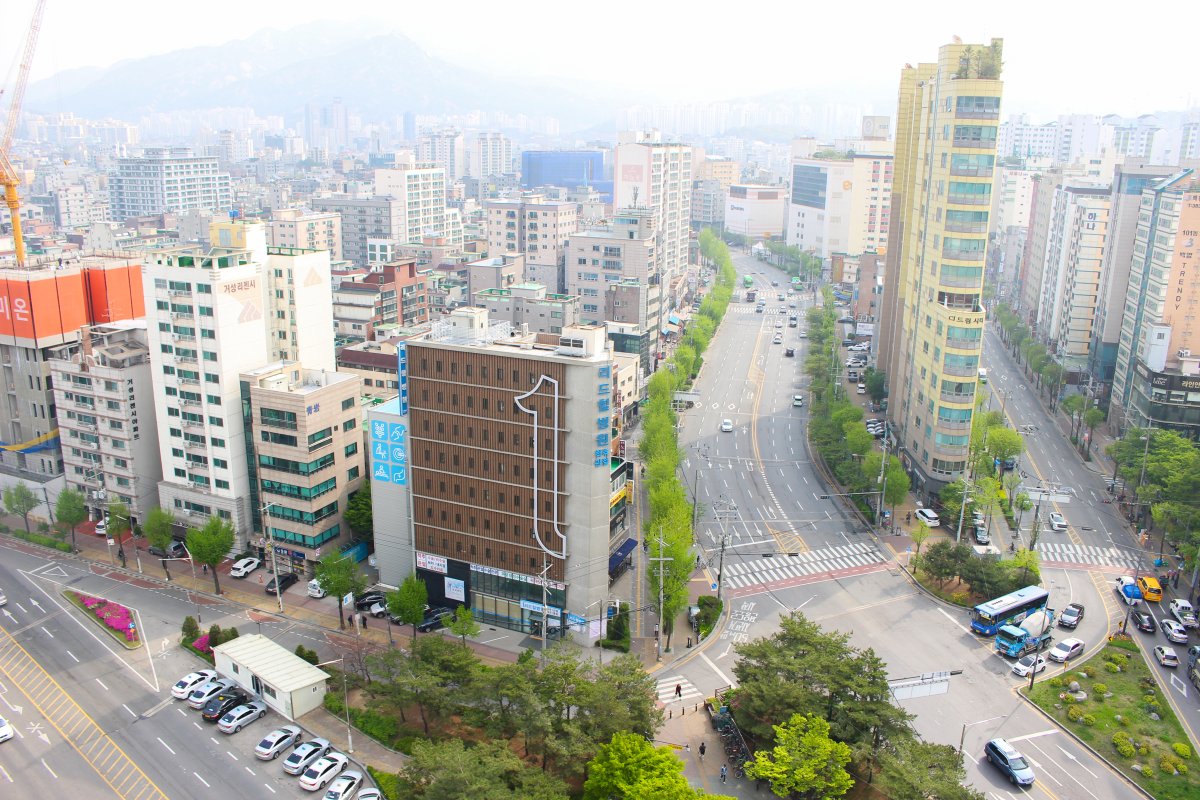
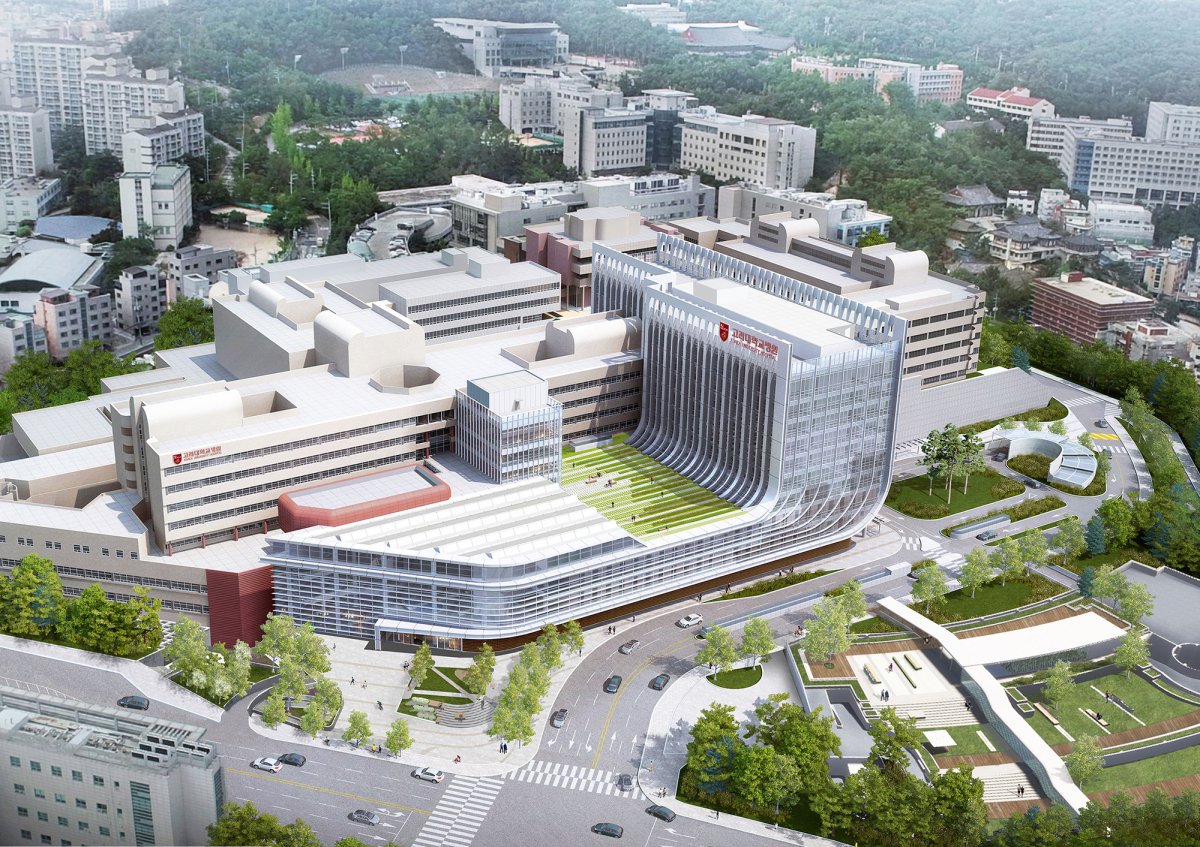
Clínica de columna y articulaciones Leadheal







Obtenga una evaluación médica para Cirugía de la mano en Corea del Sur: consulte con doctores experimentados ahora
Ver todos los médicos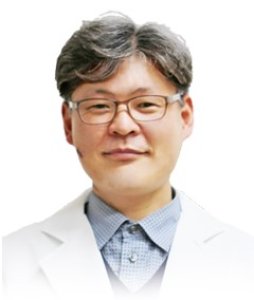
Yang Yeongjun
El Dr. Yang Yeongjun es cirujano ortopédico especializado en salud articular y artroscopia. Trata trastornos de rodilla y hombro y realiza cirugía artroscópica y reemplazo articular (artroplastia). También trata traumatismos y afecciones deportivas, incluidas lesiones deportivas, problemas del pie y tobillo, síndrome del túnel carpiano y fracturas.
Completó la residencia en cirugía ortopédica en el Catholic Medical Center y luego una beca de subespecialización en el St. Paul’s Hospital
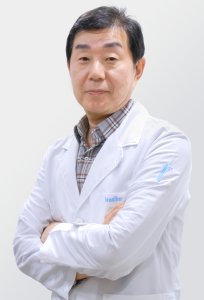
Jang Hyo Kim
El Dr. Jang Hyo Kim es cirujano ortopédico centrado en la preservación articular y la reconstrucción compleja. Se especializa en artroscopia de hombro, rodilla, tobillo, codo y muñeca. Realiza reemplazos articulares de hombro, rodilla, tobillo, codo y cadera. En columna, realiza instrumentación y fusiones cervicales y lumbares. También efectúa discectomías, laminectomías, neuroplastias y vertebroplastias. Su práctica incluye el tratamiento de fracturas y la reparación de músculos y ligamentos

Seongcheol Moon
Jefe de Cirugía Ortopédica en el Hospital Nanoori, especializado en cirugía de mano con enfoque en casos complejos.
- Formación de subespecialidad en la Clínica de Hombro y Codo del Hospital Universitario Kyung Hee
- Miembro de la Sociedad Coreana de Ortopedia para Medicina Deportiva
- Publicación de múltiples estudios sobre lesiones de hombro y codo
- Más de 18 años de experiencia en cirugía ortopédica

Kwangyeal Lee
El Dr. Kwangyeal Lee se especializa en cirugía de mano con una sólida formación en ortopedia en el Hospital Nanoori.
- Experto en cirugía artroscópica de rodilla y hombro
- Miembro de varias sociedades prestigiosas, incluida la Asociación Coreana de Ortopedia
- Investigaciones publicadas sobre artritis reumatoide y fracturas de escápula
- Ex jefe de sección en el Hospital Sun, Daejeon
Compartir contenido
Historias en video de pacientes de Bookimed
 Olena Sikoza
Preguntas frecuentes sobre el tratamiento de Cirugía de la mano en Corea del Sur
¿Es segura la cirugía de mano en Corea para pacientes internacionales?
La cirugía de mano en Corea del Sur es altamente segura para pacientes internacionales debido a su avanzada infraestructura ortopédica. Centros como el Korea University Anam Hospital mantienen la acreditación de la Joint Commission International. Cirujanos especializados como el Dr. Yang Young Joon en el Hospital Na-Eun tratan casos complejos utilizando microcirugía de mano precisa y técnicas artroscópicas.
- Centros acreditados: Las certificaciones JCI y KOIHA garantizan que los hospitales cumplan con rigurosos estándares globales de seguridad del paciente.
- Experiencia especializada: Los cirujanos a menudo son miembros de la Korean Shoulder and Elbow Society.
- Alto volumen de pacientes: El Hospital Nanoori trata a 58,000 pacientes anualmente con equipos especializados en ortopedia y neurocirugía.
- Diagnóstico avanzado: Los mejores centros utilizan imágenes digitales en 3D y registros médicos electrónicos para mayor precisión.
Perspectiva de expertos de Bookimed: Los datos sobre el volumen de pacientes sugieren una brecha de experiencia significativa entre los hospitales generales y los centros especializados. El Hospital Leadheal gestiona más de 44,000 pacientes al año con solo 5 médicos. Elegir centros con una mayor proporción de médicos por paciente o aquellos enfocados específicamente en articulaciones y columna vertebral, como el Hospi
¿Qué cualificaciones debo buscar en un cirujano de mano coreano?
Los cirujanos de mano coreanos cualificados deben poseer una certificación de subespecialidad de la Korean Society for Surgery of the Hand. Primero obtienen una certificación primaria en cirugía ortopédica o plástica. Los mejores especialistas completan becas intensivas de uno o dos años y mantienen su membresía en la Korean Society for Microsurgery.
- Certificación de subespecialidad: Emitida por la Korean Society for Surgery of the Hand bajo supervisión gubernamental.
- Certificación primaria: Los cirujanos deben estar certificados en cirugía ortopédica o cirugía plástica.
- Afiliaciones académicas: Los especialistas de alto nivel a menudo son miembros de la American Association of Hand Surgery.
- Alto volumen de casos: Busque cirujanos con experiencia en entumecimiento de manos, traumatismos y microcirugía compleja.
Perspectiva del experto de Bookimed: Mientras que los grandes centros como el Asan Medical Center manejan los mayores volúmenes de pacientes en Corea, clínicas especializadas como el Hospital Nanoori ofrecen una atención ortopédica más enfocada. Los datos muestran que los cirujanos de élite, incluido el Dr. Yang Young Joon en el Hospital Na-Eun, a menudo poseen múltiples subespecialidades en microcirugía de mano y tratamiento del túnel carpiano. Los pacientes deben buscar médicos que ejerzan en instalaciones acreditadas por KOIHA
¿Qué hospitales en Corea tienen más experiencia en cirugía de mano para extranjeros?
Corea del Sur ofrece cirugía de mano especializada a través de instalaciones como el Asan Medical Center, el Seoul National University Hospital y el Korea University Anam Hospital. Estas instituciones utilizan microcirugía y sistemas digitalizados para pacientes para tratar traumas, malformaciones congénitas y lesiones nerviosas. La mayoría ofrece apoyo internacional dedicado para pacientes extranjeros.
- Asan Medical Center: Realiza más de 65,000 operaciones ortopédicas anualmente como el centro multidisciplinario más grande de Corea del Sur.
- Korea University Anam: Instalación acreditada por la JCI que atiende a más de 1,300,000 pacientes con experiencia quirúrgica robótica altamente avanzada.
- Nanoori Hospital: Trata aproximadamente a 58,000 pacientes al año, especializándose en cirugía ortopédica y de columna compleja.
- Gangnam Severance Hospital: Una institución acreditada por la JCI con una historia de innovación médica desde 1885.
Perspectiva del experto de Bookimed: Los indicadores de calidad para la cirugía de mano en Corea a menudo se relacionan con el volumen de pacientes y certificaciones específicas. Algunos hospitales, como Leadheal, gestionan más de 44,000 pacientes anualmente y atienden a diversas nacionalidades. Los pacientes deben priorizar las instalaciones con acreditación de la Joint Commission International (JCI) o KOIH
¿Cuánto tiempo debo permanecer en Corea después de una cirugía de mano antes de poder volar a casa?
Los pacientes deben planificar una estancia en Corea del Sur de 7 a 14 días después de una cirugía de mano. Los procedimientos menores en tejidos blandos pueden permitir viajar después de 5 días. La estabilización ósea compleja a menudo requiere una estancia completa de 2 semanas. Este periodo garantiza la estabilidad de la herida y la retirada segura de los puntos.
- Retirada de puntos: La mayoría de las clínicas coreanas programan la retirada de suturas entre los días 7 y 11 postoperatorios.
- Monitoreo de heridas: Durante los primeros 3 días se realiza una observación médica crucial para controlar la inflamación aguda.
- Seguridad en el vuelo: Se aconseja un mínimo de 14 días para vuelos de larga distancia para prevenir la trombosis venosa profunda.
- Servicios de seguimiento: Muchos hospitales ofrecen terapia láser especializada para acelerar la curación durante la primera semana.
Perspectiva del experto de Bookimed: Si bien centros líderes como el Asan Medical Center y el Korea University Anam Hospital tratan miles de casos complejos, la logística de recuperación a menudo depende de la especialización de la clínica. Por ejemplo, el Hospital Nanoori cuenta con certificación gubernamental por su experiencia en columna y articulaciones, atendiendo específicamente a la recuperación ortopédica. Elegir un centro con unidades de rehabilitación de
¿Qué incluye un paquete típico de cirugía de mano?
Los paquetes de cirugía de mano en Corea del Sur suelen incluir los honorarios del cirujano, el uso de las instalaciones y la anestesia. Estos acuerdos integrales a menudo incluyen exámenes preoperatorios y atención posoperatoria localizada dentro de hospitales acreditados por la JCI. Los pacientes reciben apoyo coordinado para la logística, como asistencia en inglés y monitoreo básico de la recuperación durante su estancia.
- Componentes quirúrgicos: Incluye honorarios de cirujanos especializados, anestesiología y cargos por el uso del quirófano.
- Atención clínica: Cubre exámenes físicos preoperatorios, monitoreo intraoperatorio y apoyo inicial en la sala de recuperación.
- Suministros posoperatorios: Los paquetes a menudo proporcionan vendajes quirúrgicos iniciales y prendas de compresión o férulas básicas.
- Servicios administrativos: Las inclusiones estándar cuentan con un coordinador de habla inglesa y asistencia con la documentación médica.
Perspectiva de expertos de Bookimed: Los centros ortopédicos de alto volumen de Corea del Sur, como el Hospital Nanoori, que trata a 58,000 pacientes al año, a menudo se especializan en microcirugía para el entumecimiento de la mano. Los datos muestran que los `Centros de Articulaciones` especializados en hospitales multidisciplinarios más grandes suelen ofrecer equipos de rehabilitación más robustos
¿Qué tan visibles serán las cicatrices después de una cirugía de mano en Corea?
Las cicatrices de la cirugía de mano en Corea suelen ser muy pequeñas y, a menudo, imperceptibles después de dieciocho meses de curación. Las clínicas especializadas utilizan técnicas de sutura microscópica y cierre plástico. Estos métodos ocultan las incisiones dentro de los pliegues naturales de la piel. Los cirujanos buscan minimizar la tensión para evitar el ensanchamiento o el tejido elevado.
- Enfoque quirúrgico: Las técnicas endoscópicas utilizan pequeñas incisiones en la muñeca que se desvanecen en las arrugas naturales.
- Método de cierre: Las suturas plásticas subcutáneas reducen las marcas superficiales y evitan las marcas visibles de los puntos.
- Cronograma de curación: Las cicatrices frescas aparecen rojas durante ocho semanas antes de suavizarse y aplanarse.
- Terapias avanzadas: Las clínicas ofrecen láseres de CO2 y exosomas regenerativos para mejorar la textura a largo plazo.
Perspectiva del experto de Bookimed: El Hospital Anam de la Universidad de Corea fue pionero en técnicas robóticas que reducen el tamaño de la cicatriz a una décima parte de los métodos tradicionales. Aunque son conocidos principalmente por reconstrucciones importantes, esta mentalidad de precisión influye en todos los especialistas en mano coreanos. Nuestros datos muestran que hospitales como Leadheal y Nanoori manejan más de 100,000 pacientes combinados
¿Está incluida la terapia de mano simultánea y cómo afecta a la recuperación?
La terapia de mano simultánea suele incluirse en los protocolos de rehabilitación coreanos tras cirugías bilaterales. Inicia cambios neuroplásticos para acelerar la recuperación funcional. Los pacientes que utilizan este método junto con asistencia robótica suelen observar una mejor fuerza de agarre y plazos de curación generales más cortos.
- Disponibilidad del tratamiento: Clínicas especializadas en Seúl y Busan ofrecen entrenamiento bilateral asistido por robot.
- Impacto en la recuperación: El movimiento simultáneo activa las neuronas espejo para restablecer las vías neuronales más rápidamente.
- Beneficio clínico: La recuperación compartida para procedimientos bilaterales reduce el número total de días de baja laboral.
- Ganancias funcionales: Los protocolos combinados mejoran la fuerza de pinza en comparación con los ejercicios unilaterales tradicionales.
Perspectiva del experto de Bookimed: El Hospital Leadheal de Seúl atiende a más de 44.000 pacientes al año. Su gran volumen sugiere que los grandes centros coreanos integran la rehabilitación directamente en la estancia quirúrgica. Esta estructura garantiza que la terapia comience inmediatamente después de la cirugía. Este momento es crucial para maximizar la neuroplasticidad y garantizar la movilidad de la mano a largo plazo.
Consenso de los pacientes: Los pacien