Cirugía de la mano en India: las 27 mejores clínicas para su tratamiento


Revisado médicamente por
Fahad Mawlood
¿Cuál es el precio del diagnóstico y los tratamientos de Cirugía de la mano en India? Descubra ahora
| India | España | Turquía | |
|---|---|---|---|
| Cirugía de reconstrucción de la mano | ≈ $3,800 | ≈ $4,800 | de $11,700 |
Sus beneficios y garantías con Bookimed
Precios directos
Bookimed no añade cargos extra a los precios de los tratamientos de Cirugía de la mano. Las tarifas proceden de las listas de precios oficiales de las clínicas. Pagará directamente en la clínica por su tratamiento a su llegada al país.
Sólo clínicas y médicos verificados
Bookimed está comprometido con su seguridad. Solo trabajamos con las clínicas que mantienen altos estándares internacionales en el tratamiento de Cirugía de la mano y cuentan con las licencias necesarias para atender a pacientes internacionales en todo el mundo.
Asistencia 24/7 gratuita
Bookimed ofrece asistencia experta gratuita. Un coordinador médico personal le apoya antes, durante y después de su tratamiento, resolviendo cualquier problema. Nunca estará solo en su viaje médico de tratamiento de Cirugía de la mano.

Su coordinador médico personal de Bookimed
- Le apoya en cada etapa
- Ayuda a elegir la clínica y el médico adecuados
- Asegura un acceso rápido y conveniente a la información
Descubra las mejores clínicas de tratamiento de Cirugía de la mano en India: 27 opciones verificadas y Precios












Dr. Rela Institute & Medical Centre
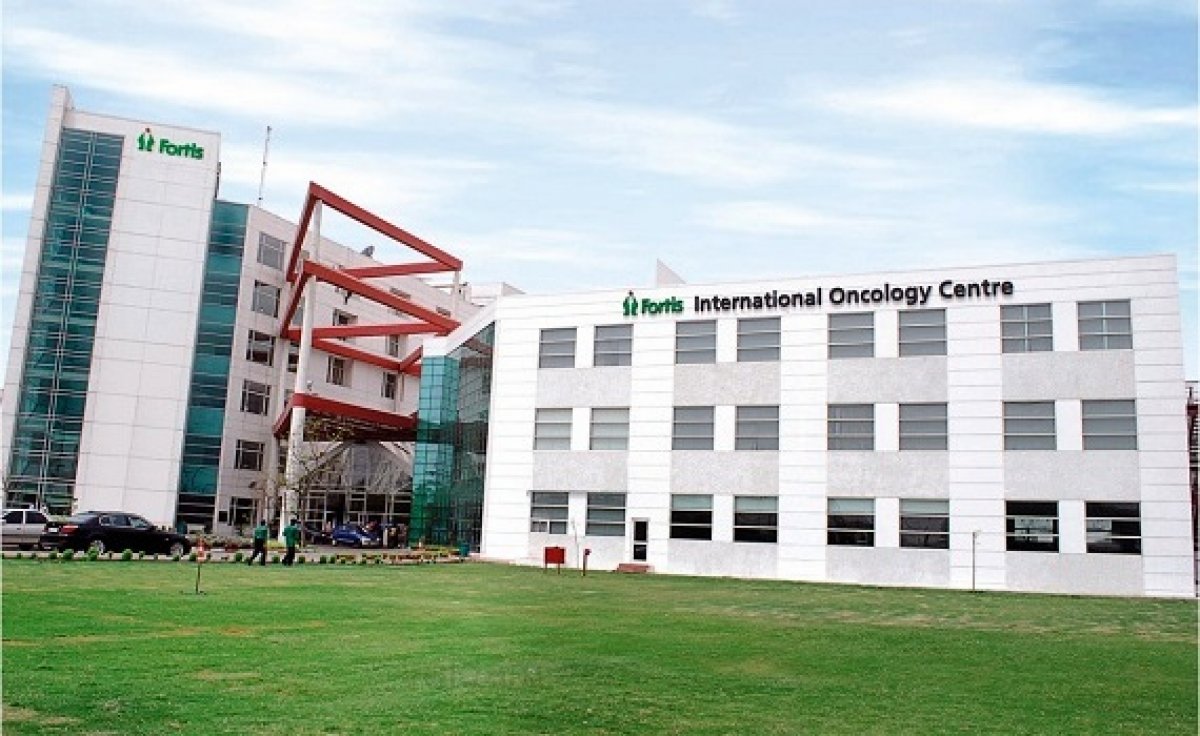
Hospital Fortis
Obtenga una evaluación médica para Cirugía de la mano en India: consulte con doctores experimentados ahora
Ver todos los médicos
Akshay Bhagat
Sarthak Walia
Compartir contenido
Historias en video de pacientes de Bookimed
 Olena Sikoza
Preguntas frecuentes sobre el tratamiento de Cirugía de la mano en India
¿Es la India un destino seguro para la cirugía de mano como paciente internacional?
La India es un destino seguro para la cirugía de mano. Los hospitales líderes cuentan con acreditaciones de la Joint Commission International (JCI) y NABH. Los cirujanos especializados a menudo tienen becas de EE. UU. o el Reino Unido. Los centros de microcirugía indios reportan tasas de éxito de entre el 80% y el 90%. Instalaciones como los Artemis Hospitals utilizan sistemas robóticos avanzados.
- Acreditación hospitalaria: Instalaciones como los Manipal Hospitals mantienen los estándares de seguridad globales JCI e ISO.
- Experiencia del cirujano: Los especialistas a menudo se forman en el extranjero y realizan un gran volumen de procedimientos microquirúrgicos complejos.
- Tecnología avanzada: El Dr. Rela Institute emplea sistemas robóticos da Vinci para operaciones de alta precisión.
- Atención postoperatoria: Los pacientes internacionales suelen permanecer de 7 a 14 días para seguimiento y fisioterapia.
Perspectiva del experto de Bookimed: Aunque la India tiene 92 clínicas, el volumen de pacientes destaca una tendencia de seguridad específica. Los centros de gran volumen como los Manipal Hospitals atienden a 2.000.000 de pacientes al año. Esta escala masiva garantiza que los cirujanos mantengan sus habilidades físicas al máximo en procedimientos delicados de mano. Elegir estos «mega-hospitales» en ciudades como Bengaluru o Gurgaon a menud
¿Cuáles son los principales riesgos de la cirugía de mano?
Los riesgos principales de la cirugía de mano incluyen rigidez y movilidad reducida. La mayoría de los procedimientos mantienen una tasa de seguridad del 95% con respecto a complicaciones mayores. Otros riesgos implican entumecimiento temporal por irritación nerviosa o infección localizada. Una recuperación exitosa depende en gran medida de la fisioterapia temprana y los cuidados postoperatorios estériles.
- Rigidez articular: La hinchazón o el tejido cicatricial pueden limitar el rango de movimiento de los dedos.
- Riesgo de infección: Las infecciones superficiales ocurren en aproximadamente el 5% de los casos de cirugía de mano.
- Sensibilidad nerviosa: Puede ocurrir hormigueo o entumecimiento temporal cerca del sitio de la incisión.
- Formación de cicatrices: Pueden desarrollarse cicatrices engrosadas que podrían requerir terapia de masaje especializada.
Perspectiva del experto de Bookimed: Las señales de calidad para la cirugía de mano en la India a menudo están vinculadas al volumen hospitalario y la infraestructura. Manipal Hospitals atiende a más de 2,000,000 de pacientes anualmente con más de 50 años de experiencia. Este alto volumen generalmente se correlaciona con protocolos quirúrgicos más refinados. Los centros acreditados por la JCI, como Artemis Hospitals, garantizan entornos estériles para minimizar aún más los riesgos de infecci
¿Necesitaré fisioterapia después de una cirugía de mano en la India?
La fisioterapia es esencial para la mayoría de los pacientes de cirugía de mano en la India para restaurar la movilidad y prevenir la rigidez. Los programas suelen comenzar a los pocos días de la cirugía. Los terapeutas especializados se centran en el manejo de cicatrices, la fuerza de agarre y las habilidades motoras finas. La rehabilitación guiada garantiza una recuperación funcional a largo plazo.
- Cronograma de recuperación: La fijación de fracturas a menudo requiere de 8 a 12 semanas de terapia estructurada.
- Prevención de la rigidez: Las técnicas de movilización temprana ayudan a controlar la hinchazón y a mantener el rango de movimiento de las articulaciones.
- Resultados funcionales: La terapia se centra en reconstruir la fuerza de agarre y la coordinación motora fina compleja.
- Atención especializada: Los centros acreditados por la JCI, como Artemis Hospitals, ofrecen rehabilitación integrada para reconstrucciones complejas.
Perspectiva del experto de Bookimed: Elija centros como Manipal Hospitals o Global Hospital Chennai que ofrecen departamentos de rehabilitación internos. Nuestros datos muestran que los hospitales con equipos quirúrgicos y de terapia unificados brindan una mejor continuidad. Esto elimina el riesgo de instrucciones contradictorias entre su cirujano y un terapeuta externo.
Consenso de los pacientes:
¿Cuánto tiempo necesitaré permanecer en la India después de la operación?
La recuperación estándar para la cirugía de mano en la India requiere de 7 a 14 días después de la operación. La mayoría de los procedimientos son ambulatorios o requieren solo una estancia hospitalaria de 1 día. Este plazo garantiza una correcta cicatrización de la herida, permite la retirada de los puntos y confirma su aptitud para viajar en avión.
- Estancia hospitalaria: La mayoría de los procedimientos de mano requieren solo 1 día de observación hospitalaria.
- Duración total: Planifique de 7 a 10 días en la India para la retirada estándar de los puntos.
- Casos complejos: Las fracturas o reparaciones nerviosas pueden requerir de 14 a 21 días para la estabilidad.
- Autorización de viaje: Se requiere un certificado de aptitud para volar para evitar riesgos como hinchazón o trombosis.
- Seguimiento postoperatorio: Los cirujanos suelen programar una revisión final de la herida de 5 a 7 días después de la cirugía.
Perspectiva de expertos de Bookimed: Los datos de los hospitales Manipal y Artemis muestran que más de 2.000.000 de pacientes utilizan anualmente la vasta infraestructura sanitaria de la India. Aunque las estancias clínicas son cortas, muchos pacientes internacionales se benefician de casas de huéspedes médicas cerca del hospital. Estos alojamientos especializados son más asequibles que los hoteles y le ayudan
¿Qué credenciales debe tener mi cirujano de mano indio?
Los cirujanos de mano indios cualificados deben poseer un MBBS y un título de posgrado en ortopedia o cirugía plástica. Los mejores especialistas obtienen un MCh en cirugía de mano o una beca FNB. El registro en la National Medical Commission y la afiliación a la Indian Society for Surgery of the Hand son marcadores de calidad vitales.
- Educación básica: Bachelor of Medicine y Bachelor of Surgery reconocidos por la National Medical Commission.
- Formación de posgrado: Master of Surgery o Diplomate of National Board en Ortopedia o Cirugía Plástica.
- Especialización avanzada: Master of Chirurgiae (MCh) en cirugía de mano o una beca de 2 años (FNB).
- Registro profesional: Registro activo en un State Medical Council o en la National Medical Commission.
Perspectiva del experto de Bookimed: Los hospitales Manipal y el Global Hospital Chennai atienden a más de 80.000 pacientes al año. Estas instalaciones cuentan con certificaciones del National Accreditation Board for Hospitals and Healthcare Providers (NABH) y de la JCI. Elegir cirujanos dentro de centros de alto volumen garantiza el acceso a departamentos especializados con protocolos de seguridad establecidos. Las grandes redes suelen emplear médicos con amplios portafolios en microcirugía y atención de traumatismos.
Consenso de los pacientes: Los pacientes señalan que es
¿Cuándo puedo volver a usar mi mano normalmente después de la cirugía?
El uso completo de la mano se reanuda normalmente de 6 a 12 semanas después de la cirugía en la India. Los procedimientos simples como la liberación del dedo en gatillo permiten una actividad ligera en 1 semana. Las reparaciones complejas de nervios o tendones requieren de 3 a 6 meses para una recuperación funcional y fuerza completas.
- Recuperación temprana: Las tareas ligeras como escribir son posibles dentro de 1 a 2 semanas.
- Actividad moderada: La mayoría de los pacientes regresan a las tareas domésticas ligeras entre las semanas 3 y 6.
- Fortalecimiento: Los ejercicios de agarre generalmente comienzan alrededor de la semana 6 para reconstruir la potencia muscular.
- Reparaciones de tendones: Estos casos complejos a menudo requieren 6 meses para alcanzar la máxima mejoría.
Perspectiva del experto de Bookimed: Los pacientes en centros indios de gran volumen como los hospitales Manipal se benefician de protocolos especializados de terapia de mano. Los datos muestran que las clínicas que atienden a 2.000.000 de pacientes al año a menudo proporcionan equipos de rehabilitación integrados. Comenzar la fisioterapia antes del séptimo día es más crítico para la movilidad que la cirugía en sí.
Consenso de los pacientes: Los pacientes enfatizan seguir estrictamente las reglas de la férula para evitar la rigidez permanente. M
¿Cómo se manejan las complicaciones quirúrgicas en los centros de la India?
Los centros médicos de la India gestionan las complicaciones quirúrgicas mediante una evaluación sistemática de riesgos y protocolos de respuesta rápida. Los hospitales acreditados por la JCI utilizan la Lista de Verificación de Seguridad Quirúrgica de la OMS para prevenir errores. Las instalaciones privadas mantienen unidades de cuidados intensivos especializadas. Estas unidades brindan soporte avanzado para necesidades postoperatorias importantes, como ventilación o diálisis.
- Protocolos de seguridad: Los centros terciarios utilizan calculadoras de riesgo para proporcionar a los pacientes estimaciones preoperatorias.
- Respuesta a emergencias: Los equipos de respuesta rápida y el diagnóstico avanzado abordan los problemas postoperatorios repentinos de inmediato.
- Revisión de calidad: Las reuniones periódicas sobre morbilidad y mortalidad identifican las causas fundamentales para mejorar los resultados.
- Estándares profesionales: Los hospitales acreditados siguen paquetes rigurosos para prevenir infecciones comunes del sitio quirúrgico.
Perspectiva del experto de Bookimed: Las señales de calidad en la India a menudo se correlacionan con la capacidad de camas del hospital y el número de acreditaciones específicas. Instalaciones como Medanta o el Global Hospital Chennai mantienen más de 1.000 camas y múltiples certificaciones internacionales.