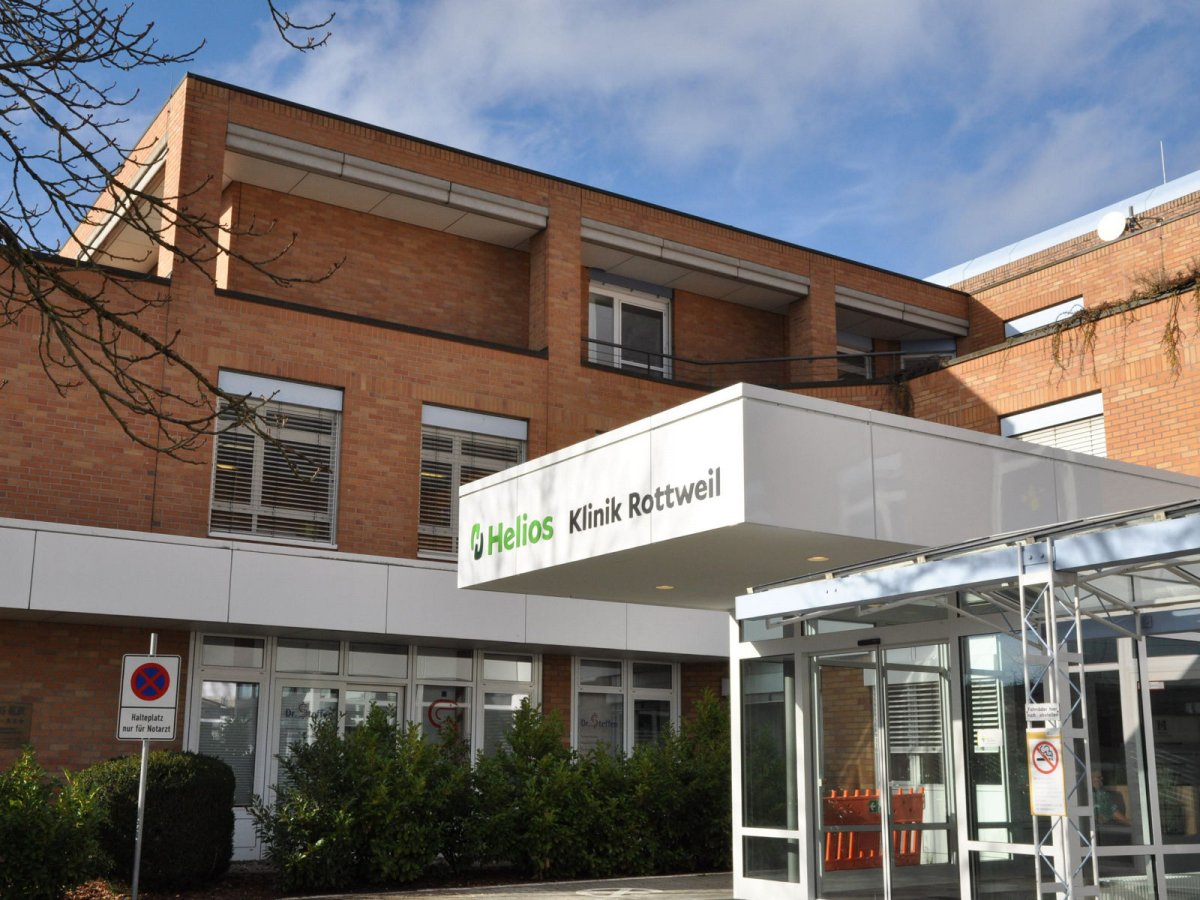
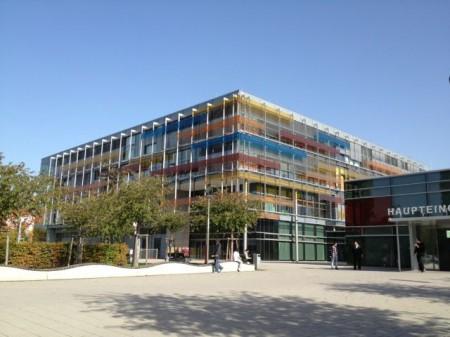
Nordwest Hospital
Alemania, Fráncfort del Meno
Sven Rogmans
26 años de experiencia

Clínica certificada por : 



Revisado médicamente por
Fahad Mawlood
| Alemania | España | Turquía | |
|---|---|---|---|
| Cirugía de reconstrucción de la mano | ≈ $6,500 | ≈ $4,800 | de $11,700 |
Bookimed no añade cargos extra a los precios de los tratamientos de Cirugía de la mano. Las tarifas proceden de las listas de precios oficiales de las clínicas. Pagará directamente en la clínica por su tratamiento a su llegada al país.
Bookimed está comprometido con su seguridad. Solo trabajamos con las clínicas que mantienen altos estándares internacionales en el tratamiento de Cirugía de la mano y cuentan con las licencias necesarias para atender a pacientes internacionales en todo el mundo.
Bookimed ofrece asistencia experta gratuita. Un coordinador médico personal le apoya antes, durante y después de su tratamiento, resolviendo cualquier problema. Nunca estará solo en su viaje médico de tratamiento de Cirugía de la mano.


El profesor Flohé es un experto reconocido internacionalmente en cirugía de mano, que ayuda a más de 2700 pacientes al año en el Centro Médico de Solingen.
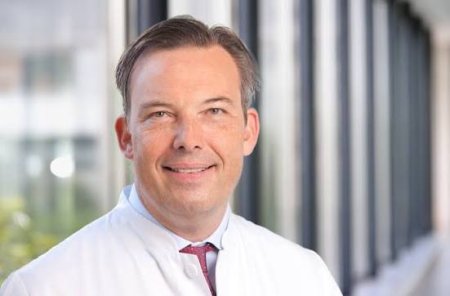
El Dr. Sven Rogmans se especializa en cirugía avanzada de mano con 26 años de experiencia y más de 900 procedimientos realizados.
 Olena Sikoza
Los centros alemanes tratan con mayor frecuencia los síndromes de compresión nerviosa, como el túnel carpiano, y las lesiones traumáticas. También son frecuentes los procedimientos electivos para enfermedades degenerativas como la contractura de Dupuytren y el dedo en resorte. Las clínicas especializadas gestionan fracturas complejas y el desgaste articular mediante técnicas microquirúrgicas y mínimamente invasivas.
Perspectiva del experto de Bookimed: La experiencia quirúrgica alemana está profundamente vinculada a un alto volumen de pacientes. El Dr. Sascha Flohé, del Centro Médico de Solingen, trata a más de 2.700 pacientes al año. Grandes centros como el Hospital Universitario de Essen gestionan 370.000 casos al año. Este enorme flujo permite a los cirujanos dominar protocolos microquirúrgicos específicos. Muchos centros líderes u
Los cirujanos de mano certificados en Alemania deben completar una residencia básica seguida de un programa especializado de tres años en Handchirurgie (cirugía de mano). Esta calificación está restringida a cirujanos plásticos, ortopédicos y traumatólogos, o cirujanos generales certificados. Estos expertos operan en instalaciones acreditadas por la JCI y centros de trauma especializados.
Perspectiva de expertos de Bookimed: El volumen de pacientes es un indicador principal de seguridad en la cirugía de mano alemana. Médicos como el Dr. Sascha Flohé gestionan más de 2.700 casos al año, proporcionando un nivel de precisión que las prácticas más pequeñas rara vez igualan. Clínicas como Nordwest integran tecnología 3D para refinar la precisión quirúrgica. Elegir centros con más de 60.000 pacientes anua
Las complicaciones de la cirugía de mano ocurren en aproximadamente el 2,2% al 2,5% de los casos en general. Los riesgos incluyen infección, lesión nerviosa y rigidez. Los centros alemanes como el Medical Center en Solingen y la Clínica Nordwest mitigan estos riesgos mediante planificación 3D y microcirugía especializada. El cuidado postoperatorio se centra en controlar la hinchazón y la movilidad.
Perspectiva del experto de Bookimed: Los hospitales académicos alemanes priorizan diagnósticos ultraprecisos para reducir el trauma quirúrgico. El Dr. Sascha Flohé en Solingen utiliza impresión 3D para mapear lesiones complejas de la mano antes de la primera incisión. Este nivel de planificación a menudo reduce el tiempo bajo anestesia. También ayuda a preservar las delicadas estructuras vasculares en los dedo
La recuperación tras una cirugía de mano en Alemania suele durar de 2 a 6 semanas para el retorno de la función básica. La rehabilitación completa requiere de 3 a 6 meses de terapia de mano especializada. Las clínicas alemanas priorizan la movilización temprana comenzando dentro de los 7 días. Este enfoque puede reducir el tiempo total de recuperación hasta en un 50% para la mayoría de los pacientes.
Perspectiva del experto de Bookimed: Los centros quirúrgicos alemanes como el Hospital Académico de Solingen a menudo integran la impresión 3D y expertos en microcirugía en el cuidado rutinario de la mano. Este enfoque en la precisión ayuda a más de 2,700 pacientes anualmente. Para traumas mayores, elegir al Profesor Dr. Sascha Flohé o especialistas en la Clínica Nordwest asegura el acceso a cirujanos que también sirven como expertos forenses
La cirugía de mano en Alemania es predominantemente un procedimiento ambulatorio. Los casos rutinarios como el síndrome del túnel carpiano o el dedo en resorte generalmente implican el alta el mismo día. Las estancias hospitalarias están reservadas para reconstrucciones complejas o traumatismos graves. La mayoría de los pacientes regresan a casa entre 2 y 6 horas después de su operación.
Perspectiva de expertos de Bookimed: La eficiencia clínica alemana se refleja en el alto volumen de pacientes ambulatorios. Por ejemplo, el complejo clínico de Renania del Norte-Westfalia trata a 100 000 pacientes ambulatorios al año en comparación con 45 000 pacientes hospitalizados. Esta proporción de 2:1 sugiere que incluso en grandes centros multidisciplinarios, los protocolos quirúrgicos priorizan la recuperación rápida y la rehabilitación en el hogar. Especialistas líderes como el profesor Dr. Sascha Flohé en el Centro Médico
Alemania alberga algunos de los departamentos de neurocirugía más prestigiosos del mundo, liderados por la Charité – Universitätsmedizin Berlin y el Hospital Universitario de Heidelberg. Estos centros destacan en el tratamiento de tumores cerebrales complejos y enfermedades cerebrovasculares. Para maximizar la eficacia de sus procedimientos, utilizan tecnologías de vanguardia como la resonancia magnética intraoperatoria y la neuronavegación asistida por computadora.
Opinión experta de Bookimed: Los datos muestran que elegir centros con un alto volumen quirúrgico suele llevar a recomendaciones de tratamiento más conservadoras. En el Centro Médico Solingen, que atiende a más de 60.000 pacientes al año, los cirujanos suelen sugerir fisioterapia en lugar de cirugía
En Alemania, los procedimientos neuroquirúrgicos de alta complejidad demuestran una seguridad excepcional. Las tasas de éxito en las fusiones espinales alcanzan el 99 %. La tasa de supervivencia en las resecciones de tumores cerebrales primarios es del 97 %. La independencia funcional es alta. Más del 82 % de los pacientes reciben el alta inmediatamente después del tratamiento. Los centros alemanes priorizan la preservación de la función neurológica mediante técnicas modernas de mapeo.
Opinión experta de Bookimed: Cirujanos experimentados como el Dr. Uwe Köhler, de la Clínica Asklepios Altona, realizan más de 2000 cirugías al año. Los datos muestran que estos especialistas mantienen tasas de éxito de hasta el 90 %, incluso en los tumores cerebrales más comp
Las clínicas neuroquirúrgicas alemanas incorporan regularmente instrumentos digitales de alta precisión y visualización en tiempo real a la práctica quirúrgica. Entre las tecnologías clave se encuentra la neuronavegación computarizada para cirugías de cerebro y médula espinal. Instituciones como la Clínica Asklepios Nord utilizan la resonancia magnética intraoperatoria para verificar la extirpación de tumores en tiempo real. Estos sistemas proporcionan a los cirujanos navegación GPS 3D.
Opinión experta de Bookimed: Grandes centros como la Charité – Universitätsmedizin de Berlín realizan más de 4000 procedimientos neuroquirúrgicos al año, lo que crea un entorno rico en datos para p
En Alemania, los neurocirujanos deben completar una residencia especializada de seis años tras graduarse de la facultad de medicina. Este programa estructurado incluye cuidados intensivos, práctica clínica y una revista quirúrgica obligatoria. Posteriormente, los candidatos aprueban un examen estatal para obtener el título de residente (Facharzt für Neurochirurgie).
Opinión experta de Bookimed: La formación neuroquirúrgica alemana se centra en una amplia experiencia quirúrgica. Por ejemplo, el Dr. Ralf Buhl, del Centro Médico Solingen, ha realizado más de 4000 cirugías. El Dr. Jürgen Kiwit, del Hospital Meoklinik, cuenta con más de 25 años de experiencia. Este riguroso sistema garantiza que los especialistas de los principales centros aborden casos complejos con una precisión demostrada.
Comentarios de los pacientes: Los pacientes se sienten seguros al saber que sus médicos han recibido año
Los neurocirujanos extranjeros deben cumplir estrictos requisitos de idioma y licencia para realizar formación o prácticas en Alemania. La formación requiere una licencia médica válida o un permiso temporal. Los internos deben obtener la autorización de un hospital específico. Ambas opciones requieren un alto nivel de alemán para participar en debates clínicos y realizar procedimientos quirúrgicos complejos con seguridad.
Opinión experta de Bookimed: Las clínicas alemanas con un alto volumen de pacientes, como Nordwest Clinic o Asklepios Nord, suelen priorizar a los candidatos que ya han pasado una evaluación preliminar de la documentación. Nuestros datos muestran que profesores como el Dr. Uwe Köhler y el D