Linfoma Tratamiento en Corea del Sur — Costos 2026


Revisado médicamente por
Fahad Mawlood
¿Cuál es el precio del diagnóstico y los tratamientos de Linfoma en Corea del Sur? Descubra ahora
De $1,900
Costos típicos del tratamiento del linfoma en la República de Corea
- Consulta con un hematólogo: de $47
- Análisis extendido de sangre: de $200
- Quimioterapia: de $1,900
- Trasplante de médula ósea: de $45,800
- Quimioterapia para cáncer de mama: de $3,000
Perspectiva de los expertos de Bookimed: Para casos complejos, es fundamental elegir centros con estándares presidenciales o con las estadísticas más altas en tratamiento contra el cáncer. El Hospital de la Universidad Nacional de Seúl (SNUH) es conocido por tener las tasas de éxito en el tratamiento del cáncer más altas del país. Los pacientes que requieran atención multidisciplinaria deben considerar el Centro Médico Asan, la instalación médica más grande de Corea del Sur. La infraestructura digital del Hospital Bundang de la Universidad Nacional de Seúl (SNUBH) mejora la precisión diagnóstica para el linfoma refractario. Para las pacientes, el Centro Médico de la Universidad Femenina Ewha ofrece entornos oncológicos especializados con acreditación JCI.
| Corea del Sur | España | Turquía | |
|---|---|---|---|
| Trasplante de médula ósea | de $45,800 | de $100,800 | de $30,000 |
| Trasplante autólogo de médula ósea | ≈ $42,000 | ≈ $48,000 | de $25,000 |
| Trasplante alogénico de médula ósea de un donante no emparentado | ≈ $85,000 | de $170,000 | de $65,000 |
| Trasplante alogénico de médula ósea de un donante emparentado | ≈ $85,000 | de $130,000 | de $55,000 |
| Terapia biológica | ≈ $6,500 | ≈ $3,800 | ≈ $2,500 |
Sus beneficios y garantías con Bookimed
Precios directos
Bookimed no añade cargos extra a los precios de los tratamientos de Linfoma. Las tarifas proceden de las listas de precios oficiales de las clínicas. Pagará directamente en la clínica por su tratamiento a su llegada al país.
Sólo clínicas y médicos verificados
Bookimed está comprometido con su seguridad. Solo trabajamos con las clínicas que mantienen altos estándares internacionales en el tratamiento de Linfoma y cuentan con las licencias necesarias para atender a pacientes internacionales en todo el mundo.
Asistencia 24/7 gratuita
Bookimed ofrece asistencia experta gratuita. Un coordinador médico personal le apoya antes, durante y después de su tratamiento, resolviendo cualquier problema. Nunca estará solo en su viaje médico de tratamiento de Linfoma.

Su coordinador médico personal de Bookimed
- Le apoya en cada etapa
- Ayuda a elegir la clínica y el médico adecuados
- Asegura un acceso rápido y conveniente a la información
Descubra las mejores clínicas de tratamiento de Linfoma en Corea del Sur: 9 opciones verificadas y Precios









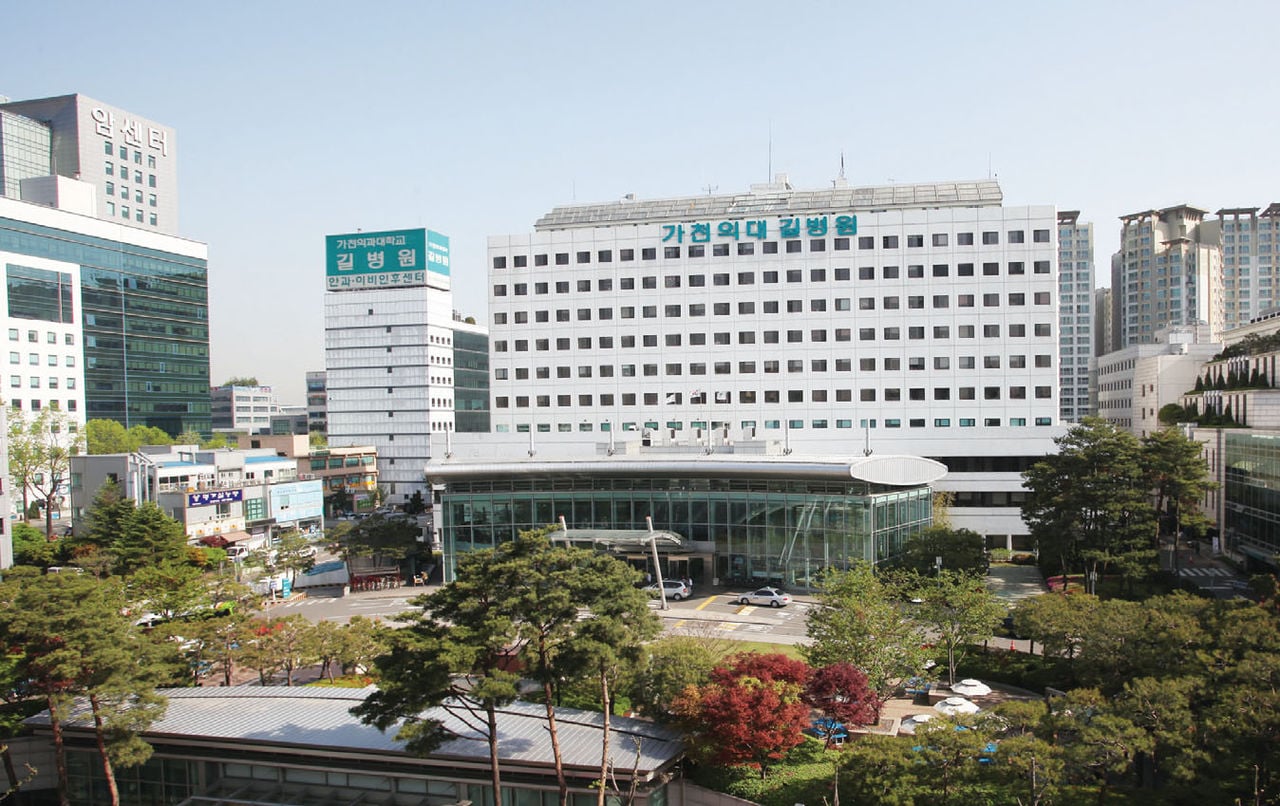


Hospital de mujeres MizMedi (MizMedi Women`s hospital)
Obtenga una evaluación médica para Linfoma en Corea del Sur: consulte con doctores experimentados ahora
Ver todos los médicos
Gyu Yong Jung
Artículos relacionados

Historia de un sobreviviente de linfoma: cómo la pequeña Carolina superó el linfoma de Burkitt
Escrito por Anna Leonova

¿Cuánto cuesta el tratamiento del linfoma?
Escrito por Halina Shubala
Compartir contenido
Historias en video de pacientes de Bookimed
 Olena Sikoza
Preguntas frecuentes sobre el tratamiento de Linfoma en Corea del Sur
¿Cuáles son las tasas de éxito de remisión reportadas para la quimioterapia de linfoma en Corea?
La quimioterapia para linfoma en Corea logra tasas de remisión de entre el 85 % y el 90 % para pacientes en etapas tempranas. Estudios clínicos especializados reportan una tasa de remisión completa del 87,6 % para el linfoma de Hodgkin. Los subtipos agresivos de células B, como el linfoma difuso de células B grandes (LDCBG), alcanzan aproximadamente un 84 % de remisión. Los principales centros de Seúl utilizan protocolos avanzados para obtener estos resultados.
- Linfoma de Hodgkin: Las tasas de remisión alcanzan el 93 % en casos de etapa temprana mediante terapia de modalidad combinada.
- Resultados en LDCBG: La terapia estándar R-CHOP logra una tasa de remisión completa del 84,2 % en los pacientes.
- Linfoma de células T: Los protocolos para linfoma NK/T muestran éxito en la remisión en el 71 % al 78 % de los casos.
- Linfoma de Burkitt: Regímenes específicos R-hyper-CVAD reportan una tasa de remisión completa del 75 % en Corea.
Perspectiva del experto de Bookimed: Los datos muestran una alta concentración de experiencia en Seúl. Instalaciones como el Samsung Medical Center y el Severance Hospital gestionan más de 2 millones de pacientes al año. Estos centros de alto volumen reportan tasas de remisión comparables a los estándares occidentales. Esto se debe a su rápida adopción de sistemas digitales. El Hospital de la Universidad Nacional de S
¿Está disponible la terapia con células CAR-T para pacientes con linfoma en Corea del Sur?
La terapia con células CAR-T está disponible para pacientes con linfoma en varios centros médicos autorizados en Corea del Sur. Las principales instituciones ofrecen terapias aprobadas como Kymriah y Yescarta para el linfoma difuso de células B grandes recidivante o refractario. Los centros locales a menudo colaboran en ensayos clínicos nacionales para ampliar la accesibilidad al tratamiento.
- Terapias disponibles: Kymriah y Yescarta están aprobados para casos de DLBCL recidivante en adultos.
- Opciones nacionales: Corea del Sur aprobó Limcato en 2026 como su primera terapia de desarrollo propio.
- Instituciones autorizadas: Aproximadamente 14 hospitales, como el Samsung Medical Center, están autorizados para la administración.
- Precisión diagnóstica: Los centros utilizan análisis avanzados de PET/TC y citogenética de médula ósea para la estadificación.
- Volumen de tratamiento: El Asan Medical Center trata a más de 180.000 pacientes anualmente con equipos de oncología multidisciplinarios.
Perspectiva del experto de Bookimed: Aunque Corea del Sur ocupa el octavo lugar a nivel mundial en solicitudes médicas, su infraestructura oncológica está excepcionalmente concentrada. El Samsung Medical Center y el Severance Hospital gestionan más de 6.000.000 de pacientes en conjunto cada año. Este volumen masivo permite a estos ce
¿Qué hospitales se consideran centros líderes para el tratamiento del linfoma en Corea?
Los centros líderes para el tratamiento del linfoma en Corea del Sur incluyen el Samsung Medical Center, el Asan Medical Center y el Seoul National University Hospital. Estas instituciones con sede en Seúl ofrecen terapias avanzadas como la terapia de células CAR-T y trasplantes de células madre hematopoyéticas. La mayoría de las instalaciones cuentan con acreditaciones JCI o KOIHA por su excelencia en oncología.
- Asan Medical Center: Realiza más de 65,000 operaciones al año con un programa de trasplante de médula ósea de alto volumen.
- Samsung Medical Center: Ofrece terapia de células CAR-T para linfoma de células B refractario con instalaciones de estándar presidencial.
- Seoul National University Hospital: Realizó más de 3,500 trasplantes de células madre hematopoyéticas utilizando protocolos avanzados de medicina de precisión.
- Severance Hospital: Cuenta con la primera instalación de terapia de iones de carbono del país para tratar casos de linfoma agresivo.
- SNU Bundang Hospital: Utiliza el sistema digital BESTcare para mejorar la precisión diagnóstica en cánceres refractarios.
Perspectiva de expertos de Bookimed: El volumen de pacientes a menudo indica una experiencia especializada en Corea. El Severance Hospital y el Samsung Medical Center manejan un alto número anual de pacientes, superando los 2,000,000 de p
¿Se pueden combinar las terapias occidentales contra el linfoma con la medicina tradicional coreana?
La integración de las terapias occidentales contra el linfoma con la medicina tradicional coreana (MTC) es una práctica estándar en los centros médicos de Seúl. Los hospitales especializados combinan la quimioterapia o la inmunoterapia con la acupuntura y la medicina herbal. Estos protocolos controlan los efectos secundarios como la neuropatía y la fatiga, al tiempo que apoyan la función inmunológica durante los rigurosos ciclos de tratamiento.
- Control de síntomas: La acupuntura y la moxibustión alivian las náuseas y la neuropatía periférica inducidas por la quimioterapia.
- Apoyo inmunológico: Las fórmulas herbales como el Bojungikki-tang pueden mejorar potencialmente los efectos de la inmunoterapia moderna con bloqueo de PD-1.
- Instalaciones integradas: Centros especializados como el Hospital Universitario Kyung Hee ofrecen una colaboración supervisada entre la medicina occidental y la MTC.
- Control de seguridad: Los equipos médicos realizan un seguimiento de las enzimas hepáticas para evitar interacciones entre hierbas y medicamentos durante la quimioterapia.
Perspectiva del experto de Bookimed: El Samsung Medical Center y el Severance Hospital utilizan sistemas digitales como BESTcare para coordinar tratamientos complejos para millones de pacientes. Nuestros datos muestran que los centros de primer nivel en Seúl a menudo cuentan con ref
¿Qué documentos clínicos deben traer los pacientes internacionales para un plan de tratamiento de linfoma?
Los pacientes deben traer registros médicos completos, incluyendo láminas de patología, imágenes digitales y registros detallados de tratamiento. Estos documentos aseguran una revisión diagnóstica precisa y evitan retrasos en el tratamiento. Los centros oncológicos de Corea del Sur requieren escaneos recientes y traducciones certificadas para confirmar la estadificación del linfoma y los ciclos previos de quimioterapia.
- Material de patología: Traiga las láminas de vidrio físicas y los bloques de parafina para su revisión.
- Imágenes digitales: Proporcione escaneos originales de PET-CT y resonancia magnética en formato DICOM.
- Registros de tratamiento: Incluya los nombres específicos de los medicamentos de quimioterapia, las dosis y el número total de ciclos.
- Resultados de sangre: Presente paneles recientes que incluyan hemograma completo (CBC), LDH y beta-2 microglobulina.
- Datos genéticos: Comparta los resultados de pruebas moleculares como los marcadores MYC o BCL2.
Perspectiva del experto de Bookimed: Centros avanzados como el Samsung Medical Center y el Asan Medical Center manejan volúmenes masivos de pacientes, a menudo superando los 180,000 anualmente. Este alto tráfico significa que los departamentos de diagnóstico priorizan los registros digitales sobre los archivos en papel para un procesamiento más rápido
¿Dónde se encuentran los principales centros médicos de Corea para el tratamiento del linfoma?
Seúl e Incheon sirven como los centros principales para el tratamiento del linfoma en Corea del Sur. Estas ciudades albergan centros acreditados por la Joint Commission International. Se especializan en terapia de células CAR-T y trasplantes de médula ósea. Los pacientes acceden a diagnósticos avanzados como PET-CT y análisis citogenéticos en estas instalaciones.
- Distrito oncológico de Seúl: Alberga el Samsung Medical Center con programas dedicados de células CAR-T.
- National Cancer Center: Ubicado en Gyeonggi-do, esta instalación gubernamental es líder en terapia de protones.
- Centro médico de Incheon: El Gachon University Gil Medical Center ofrece atención multidisciplinaria cerca del aeropuerto.
- Enfoque en médula ósea: El Seoul National University Hospital ha realizado más de 3,500 trasplantes de médula ósea.
Perspectiva del experto de Bookimed: Los centros de Seúl demuestran una experiencia en grandes volúmenes raramente vista en otros lugares. El Asan Medical Center atiende a más de 11,000 pacientes ambulatorios al día. Esta escala masiva permite que clínicas como el Seoul National University Bundang Hospital implementen sistemas digitales que reducen los errores médicos. Si busca trasplantes complejos, centrarse en estas instituciones de alta capacidad en Seúl garantiza el acceso a equipos de hematología más grandes.