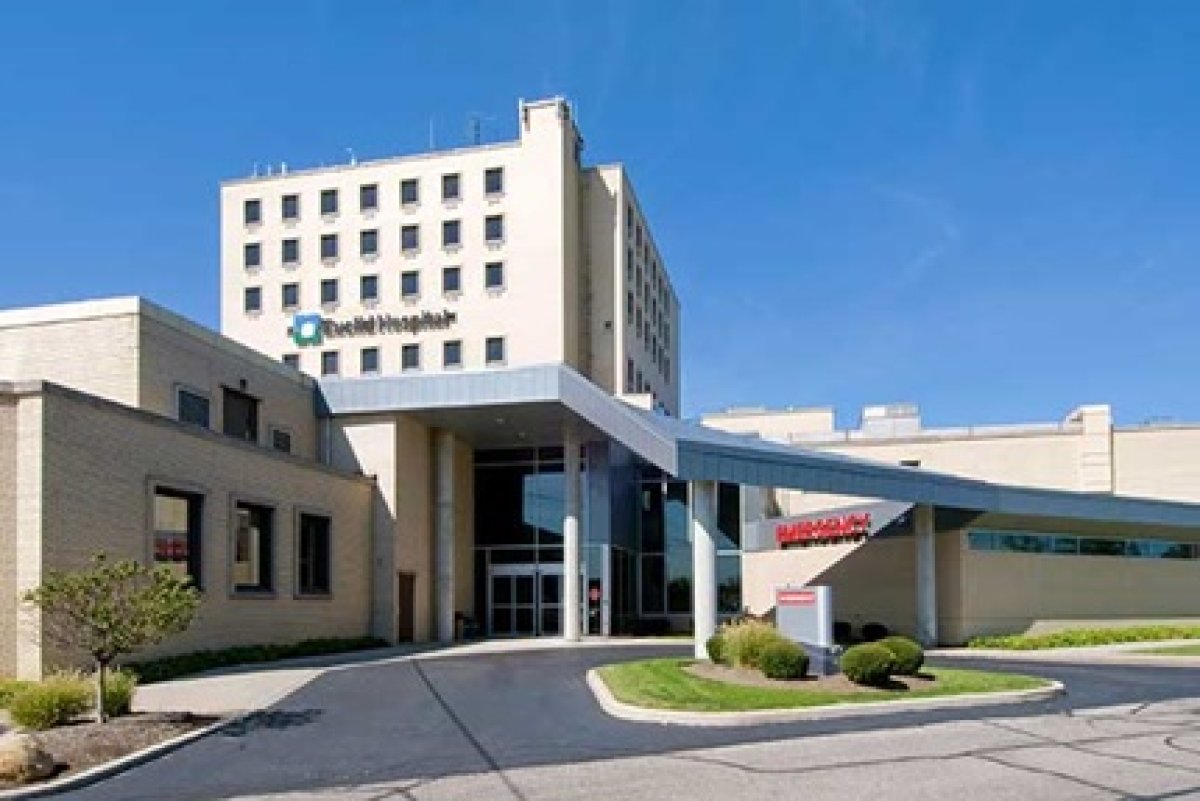
University of Texas MD Anderson Cancer Center
Estados Unidos, Houston


Revisado médicamente por
Fahad Mawlood
De $2,800. Los gastos totales dependen del subtipo de linfoma, la etapa de la enfermedad y la necesidad de intervenciones avanzadas como trasplantes de células madre. La atención de alta demanda se concentra en Houston, Maryland y Nueva York.
Costos típicos del tratamiento de linfoma en los Estados Unidos de América
Perspectiva de expertos de Bookimed: Los pacientes con tipos de linfoma complejos o raros se benefician de centros oncológicos integrales especializados designados por el NCI. El MD Anderson Cancer Center atiende a más de 130,000 pacientes al año y está clasificado como el mejor hospital de oncología de EE. UU. Para casos pediátricos, Memorial Sloan Kettering ofrece una experiencia líder a nivel mundial en el tratamiento de 200 tipos diferentes de cáncer. La atención multidisciplinaria en instituciones como Johns Hopkins es ideal para pacientes que necesitan formación especializada integrada. Estas instalaciones de primer nivel brindan acceso a programas de investigación innovadores que no están disponibles en los hospitales comunitarios estándar.
| Estados Unidos | España | Turquía | |
|---|---|---|---|
| Trasplante de médula ósea | ≈ $250,000 | de $100,800 | de $30,000 |
| Trasplante autólogo de médula ósea | ≈ $200,000 | ≈ $48,000 | de $25,000 |
| Trasplante alogénico de médula ósea de un donante no emparentado | ≈ $600,000 | de $170,000 | de $65,000 |
| Trasplante alogénico de médula ósea de un donante emparentado | ≈ $320,000 | de $130,000 | de $55,000 |
| Terapia biológica | ≈ $18,000 | ≈ $3,800 | ≈ $2,500 |
Bookimed no añade cargos extra a los precios de los tratamientos de Linfoma. Las tarifas proceden de las listas de precios oficiales de las clínicas. Pagará directamente en la clínica por su tratamiento a su llegada al país.
Bookimed está comprometido con su seguridad. Solo trabajamos con las clínicas que mantienen altos estándares internacionales en el tratamiento de Linfoma y cuentan con las licencias necesarias para atender a pacientes internacionales en todo el mundo.
Bookimed ofrece asistencia experta gratuita. Un coordinador médico personal le apoya antes, durante y después de su tratamiento, resolviendo cualquier problema. Nunca estará solo en su viaje médico de tratamiento de Linfoma.


Escrito por Anna Leonova

Escrito por Halina Shubala
 Olena Sikoza
Los médicos determinan el subtipo y estadio exacto de su linfoma mediante pruebas de diagnóstico especializadas. Los informes de patología identifican el subtipo, como el linfoma difuso de células B grandes. Las tomografías PET/CT y las biopsias de médula ósea ayudan a los hematólogos a asignar un estadio utilizando el sistema de Ann Arbor.
Perspectiva del experto de Bookimed: La estadificación del linfoma es única porque el subtipo específico a menudo importa más que el estadio en sí. Los principales centros de EE. UU., como el Memorial Sloan Kettering Cancer Center, tratan más de 200 tipos de cáncer. Se centran en identificar el nombre patológico exacto para elegir el protocolo de quimioterapia adecuado.
Consenso de los pacientes: Los pacientes señalan que esperar las pruebas patológicas y genéticas detalladas es la parte más difícil. Muchos enfatizan que un diagnóstico en estadio 4 no es una
El tratamiento primario del linfoma en los EE. UU. incluye quimioterapia, inmunoterapia y trasplante de células madre. Centros especializados como el MD Anderson Cancer Center de la Universidad de Texas ofrecen terapia avanzada con células T con CAR. Los médicos recomiendan el trasplante de médula ósea para casos de alto riesgo o recaídas. La precisión del diagnóstico depende de las exploraciones PET/TC y las biopsias de médula ósea.
Opinión de expertos de Bookimed: Los pacientes con linfoma deben priorizar los centros con un gran volumen de pacientes ambulatorios, como el Johns Hopkins Hospital. Nuestros datos muestran que las instituciones que manejan millones de visitas al año a menudo lideran los ensayos clínicos. Estos centros frecuentemente desarrollan medicamentos innovadores, como el dasatinib, ofreciendo a los pacientes acceso a protocolos de próxima genera
Los tratamientos contra el linfoma en los Estados Unidos conllevan efectos a corto plazo como fatiga severa, náuseas y llagas en la boca. Los efectos tardíos a largo plazo pueden incluir neuropatía periférica o cánceres secundarios. Los centros líderes designados por el Instituto Nacional del Cáncer utilizan terapia de protones avanzada y terapia de células T con CAR para minimizar el daño al tejido sano.
Perspectiva del experto de Bookimed: Los pacientes con linfoma en centros como el MD Anderson Cancer Center de la Universidad de Texas se benefician de una alta especialización. Este centro atiende a 130,000 pacientes al año y ha desarrollado importantes medicamentos contra la leucemia. Los centros de alto volumen a menudo ofrecen clínicas especializadas para supervivientes con el fin de monitorear la salud
Buscar una segunda opinión de un especialista en linfoma es esencial para verificar diagnósticos complejos de cáncer de sangre. Los especialistas en centros designados por el Instituto Nacional del Cáncer garantizan la precisión patológica. Brindan acceso a terapia con células T CAR y ensayos clínicos avanzados. Este paso confirma la ruta de tratamiento más efectiva para subtipos específicos.
Perspectiva del experto de Bookimed: El valor de una segunda opinión a menudo radica en el volumen de casos que maneja un centro. Por ejemplo, MD Anderson gestiona más de 130,000 pacientes al año y ha desarrollado varios medicamentos para la leucemia aprobados por la FDA. Los centros especializados pueden ofrecer estrategias de «observar y esperar» que los oncólogos generales podrían pasar
La elegibilidad para los ensayos clínicos de linfoma en EE. UU. depende de estrictos criterios de inclusión y exclusión. Debe cumplir con requisitos específicos de edad, subtipo de linfoma e historial de tratamiento. Centros como el MD Anderson Cancer Center de la Universidad de Texas realizan más de 100 ensayos simultáneamente. Coordinadores especializados deben verificar sus registros médicos para confirmar la seguridad de la participación.
Opinión de expertos de Bookimed: Los pacientes con linfoma a menudo encuentran que los centros designados por el NCI tienen una disponibilidad superior de ensayos para subtipos raros. Por ejemplo, MD Anderson atiende a 130,000 pacientes anualmente y desarrolla medicamentos importantes como el dasatinib. Este alto volumen permite estudios de nicho que los hospitales más pequeños no pueden soportar. Los pacientes deben
Comenzar el tratamiento del linfoma de inmediato o utilizar la estrategia de «observar y esperar» depende del subtipo de la enfermedad. Los linfomas indolentes a menudo requieren solo vigilancia activa. Las investigaciones muestran que la intervención temprana en tipos de crecimiento lento no ofrece ninguna ventaja en la supervivencia. Sin embargo, los linfomas agresivos requieren quimioterapia o inmunoterapia inmediata para lograr la curación.
Perspectiva de los expertos de Bookimed: Los principales centros de EE. UU., como el MD Anderson Cancer Center, gestionan más de 130,000 pacientes al año. Su volumen permite una diferenciación precisa entre casos indolentes y agresivos. Los datos muestran que diferir el tratamiento puede preservar la elegibilidad para nuevos ensayos clínicos. Muchos centros especializados de EE. UU. han de