Tratamiento de Fimosis en Corea del Sur — obtenga 3 coincidencias personalizadas de clínicas


Revisado médicamente por
Fahad Mawlood
Cómo funciona
¿Cuál es el precio del diagnóstico y los tratamientos de Fimosis en Corea del Sur? Descubra ahora
El costo del tratamiento de fimosis en la República de Corea generalmente incluye diagnósticos esenciales como una consulta con un urólogo, que oscila entre $50 y $65. Aunque aquí no se enumeran los ID de procedimientos quirúrgicos específicos, el tratamiento generalmente implica una circuncisión o una cirugía de revisión. Los costos dependen del método quirúrgico, como las técnicas tradicionales o láser, y del nivel de la clínica. Los pacientes de EE. UU. pueden esperar ahorros del 30 al 70 %. Las principales ciudades para este tratamiento incluyen Seúl e Incheon.
Costos típicos del tratamiento de fimosis en la República de Corea
- Consulta con un urólogo: $50 – $65
- Coagulograma: $40 – $100
- ECG: de $30
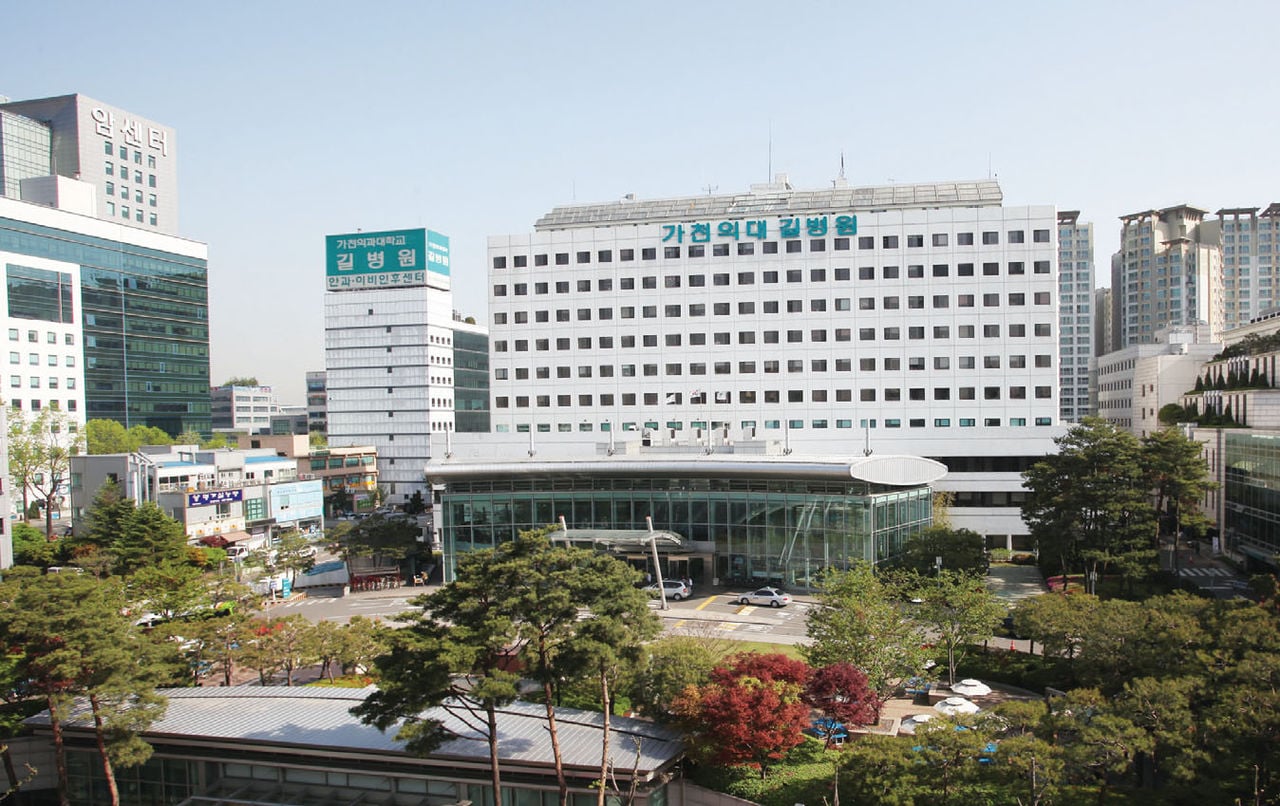
Perspectiva de los expertos de Bookimed: Para casos complejos o cirugías de revisión, elegir un centro estatal multidisciplinario proporciona un mayor margen de seguridad. El Hospital de la Universidad Nacional de Seúl (SNUH) es una opción líder para tal precisión, ya que trata al Presidente de Corea del Sur y utiliza sistemas avanzados de pacientes digitalizados. Los pacientes internacionales que buscan comodidad deben considerar el Centro Médico Gil de la Universidad de Gachon en Incheon. Está ubicado a solo una hora del aeropuerto internacional y está calificado por Newsweek por su atención de calidad.
Descubra las mejores clínicas de tratamiento de Fimosis en Corea del Sur: 8 opciones verificadas y Precios
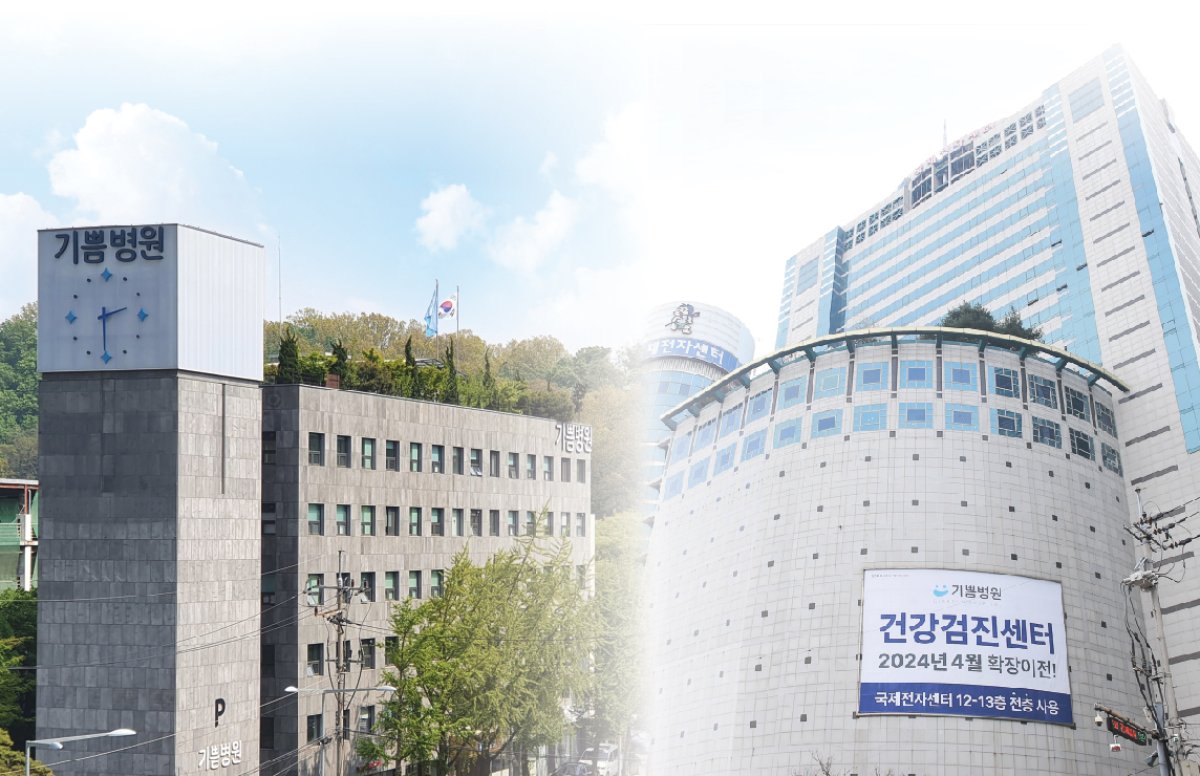
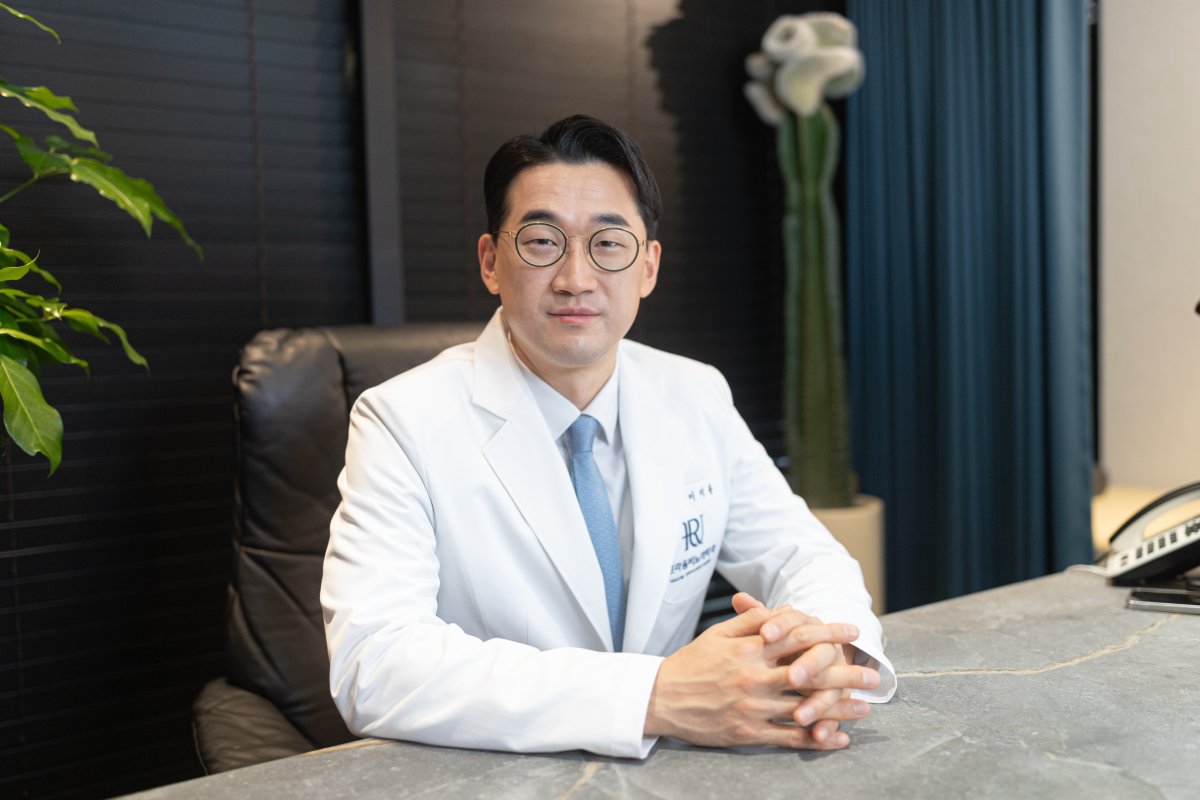
Praumurology








Hospital de mujeres MizMedi (MizMedi Women`s hospital)


Reseñas
Todas las reseñasCompartir contenido
Historias en video de pacientes de Bookimed
 Olena Sikoza
Preguntas frecuentes sobre el tratamiento de Fimosis en Corea del Sur
¿Qué técnicas quirúrgicas se ofrecen y cuál deja la menor cicatriz?
La circuncisión láser es la técnica principal en Corea del Sur para minimizar las cicatrices. Utiliza láseres de CO2 o de diodo de alta precisión para asegurar cortes limpios. Este método ofrece una precisión de 0,5 mm. Por lo general, resulta en cicatrices apenas visibles después de dos meses de curación.
- Circuncisión láser: Utiliza una precisión de 0,5 mm para un trauma cutáneo mínimo y una recuperación más rápida.
- Resección en manga (Sleeve resection): Una alternativa quirúrgica tradicional que puede dejar una cicatriz anular visible.
- Sutura estratégica: Los cirujanos utilizan técnicas de doble capa para ocultar los puntos dentro de los pliegues naturales de la piel.
- Equipo de precisión: Las clínicas utilizan láseres especializados para reducir el riesgo de queloides y daños en los tejidos.
Perspectiva del experto de Bookimed: Corea del Sur es un centro médico global con 81 clínicas y más de 645 solicitudes atendidas. Grandes centros como el Asan Medical Center realizan más de 65.000 operaciones al año. Este alto volumen en los hospitales de Seúl garantiza que los cirujanos mantengan una competencia técnica excepcional en procedimientos urológicos delicados.
Consenso de los pacientes: Los pacientes señalan que las técnicas láser permiten una recuperación rápida de 10 días. Muchos enfatizan la importancia de re
¿Cuánto tiempo debo permanecer en Corea para una circuncisión por fimosis?
Los pacientes deben planear permanecer en Corea del Sur de 5 a 7 días. Este período cubre la consulta inicial con el urólogo y el procedimiento ambulatorio. Asegura suficiente tiempo para las visitas de seguimiento para monitorear la curación. La mayoría de los viajeros internacionales reciben autorización para volar 7 días después de la cirugía.
- Plazo de viaje: Planifique de 7 a 10 días para incluir la aclimatación preoperatoria.
- Estancia clínica: La circuncisión es un procedimiento ambulatorio que dura de 20 a 60 minutos.
- Recuperación inicial: Las clínicas recomiendan de 1 a 3 días de descanso ligero después de la cirugía.
- Seguridad de vuelo: Evite volar durante 72 horas para minimizar los riesgos de sangrado.
- Restricciones de actividad: Reanude el trabajo ligero en 5 días; evite el ejercicio durante 4 semanas.
Perspectiva del experto de Bookimed: Aunque muchos priorizan la rapidez de la cirugía, los centros líderes de Corea, como el Hospital de la Universidad Nacional de Seúl, se centran en la precisión digitalizada. Los datos muestran que los pacientes a menudo eligen Seúl por el alto volumen de procedimientos. Los grandes hospitales aquí gestionan más de 1.000.000 de pacientes al año. Esta escala masiva asegura que los cirujanos manejen casos complejos de fimosis con extrema rutina.
Consenso
¿Cuál es el proceso de recuperación típico después de una circuncisión en adultos en Corea, y cuándo puedo reanudar el ejercicio y la actividad sexual?
La recuperación de la circuncisión en adultos en Corea suele tardar de 4 a 6 semanas en sanar por completo. Los pacientes suelen volver al trabajo de escritorio en un plazo de 3 a 5 días. El ejercicio ligero se reanuda después de 14 días, mientras que la actividad intensa en el gimnasio requiere 4 semanas. La actividad sexual debe esperar de 4 a 6 semanas para evitar lesiones.
- Actividad sexual: Reanude la masturbación o las relaciones sexuales solo después de 4 a 6 semanas.
- Gimnasio y levantamiento de pesas: Espere 4 semanas antes de realizar levantamiento de pesas o ejercicios de la parte inferior del cuerpo.
- Baño e higiene: Evite sumergirse en baños o piscinas durante al menos 14 días.
- Actividades diarias: El regreso al trabajo de oficina ligero es generalmente posible 3 días después del procedimiento.
Perspectiva del experto de Bookimed: El panorama urológico de Corea está dominado por centros multidisciplinarios masivos como el Asan Medical Center y el Hospital de la Universidad Nacional de Seúl. Estas instalaciones manejan miles de operaciones diariamente, asegurando que los cirujanos mantengan un alto volumen clínico. A diferencia de las clínicas más pequeñas, estas instituciones acreditadas por la JCI utilizan un sistema de seguimiento totalmente digital para monitorear la recuperación. Los datos sugieren que los pacientes que el
¿Ofrecen las clínicas coreanas suturas absorbibles o pegamento tisular para evitar la retirada de puntos?
Las clínicas surcoreanas utilizan suturas absorbibles y pegamento tisular de grado médico para eliminar la necesidad de retirar los puntos. Estos materiales disolubles suelen desaparecer en un plazo de 2 a 4 semanas. Centros especializados como el Asan Medical Center y el Hospital de la Universidad Nacional de Seúl emplean protocolos acreditados por la JCI para garantizar cicatrices estéticas y la comodidad del paciente.
- Suturas absorbibles: Los hilos de Vicryl o Monocryl se disuelven de forma natural sin necesidad de una visita de seguimiento.
- Pegamento tisular: El cianoacrilato de grado médico crea sellos resistentes al agua para incisiones pequeñas o casos pediátricos.
- Plazo de curación: La mayoría de los materiales disolubles se absorben completamente en el cuerpo en un plazo de 14 a 30 días.
- Resultados estéticos: Las técnicas de cierre avanzadas minimizan la reacción tisular y evitan las marcas visibles de los puntos.
Opinión de los expertos de Bookimed: Aunque las pequeñas clínicas privadas ofrecen estas opciones, elegir centros afiliados a universidades como el Asan Medical Center o el Gangnam Severance Hospital garantiza el acceso a los estándares de seguridad del paciente más elevados. Estas instituciones manejan miles de casos complejos diariamente y utilizan estrictamente materiales avanzados que reducen los riesgos de infecc
¿Los médicos coreanos adaptarán el estilo (ajustado/holgado, alto/bajo) si deseo un aspecto natural?
Los urólogos coreanos se especializan en cirugía de fimosis a medida para lograr un aspecto natural ajustando la tensión y la colocación. Los cirujanos personalizan el procedimiento según su preferencia por un corte alto o bajo. También regulan la tensión de la piel para garantizar la comodidad y la simetría anatómica durante una consulta.
- Personalización del estilo: Los cirujanos ajustan la tensión de la piel para obtener resultados ajustados o holgados según la preferencia del paciente.
- Altura del corte: Los equipos médicos ofrecen cortes altos o bajos para controlar las cicatrices visibles y la sensibilidad.
- Diagnóstico avanzado: Las clínicas utilizan coagulogramas y consultas para planificar la eliminación precisa de tejido para un movimiento natural.
- Armonía anatómica: Los médicos priorizan la preservación de la piel interna para mantener la movilidad natural y la función sensorial.
Perspectiva de expertos de Bookimed: Aunque los estándares coreanos a menudo favorecen una estética ajustada y limpia para los pacientes locales, las clínicas en Seúl como el Asan Medical Center manejan volúmenes masivos de más de 180,000 pacientes al año. Esta alta rotación de pacientes significa que los cirujanos son altamente adaptables a las preferencias internacionales. Si desea un estilo occidental más holgado, es vital traer fotos de referencia p
¿Qué documentos de viaje o registros médicos debo llevar para una circuncisión en Corea?
Para someterse a una circuncisión en Corea del Sur, necesita un pasaporte válido con 6 meses de vigencia y una K-ETA o una visa médica C-3-3. Las clínicas requieren un historial médico reciente que detalle alergias y medicamentos. Traiga un certificado de relación familiar si el paciente es menor de edad.
- Autorización de viaje: Solicite la K-ETA al menos 72 horas antes de su vuelo.
- Registros médicos: Proporcione antecedentes de trastornos hemorrágicos, alergias y medicamentos actuales.
- Datos de diagnóstico: Traiga resultados recientes de coagulograma y ECG para evitar pruebas redundantes.
- Prueba financiera: Proporcione 6 meses de estados de cuenta bancarios si solicita visas médicas.
- Documentos legales: Traiga un certificado de nacimiento para menores para probar la tutela legal.
Perspectiva del experto de Bookimed: Aunque los centros principales como el Asan Medical Center atienden a miles de pacientes, siguen realizando sus propias evaluaciones. Nuestros datos muestran que las clínicas a menudo realizan coagulogramas internos incluso si usted trae registros externos. Muchos hospitales de primer nivel en Seúl utilizan sistemas digitales como BESTcare para agilizar este proceso de admisión. Esto garantiza la seguridad quirúrgica a pesar de cualquier documentación que proporcione desde el extranjero.