Fimosis en Alemania: las 22 mejores clínicas para su tratamiento


Revisado médicamente por
Fahad Mawlood
Cómo funciona
¿Cuál es el precio del diagnóstico y los tratamientos de Fimosis en Alemania? Descubra ahora
De $180. Si bien los precios quirúrgicos específicos varían según la clínica, los gastos totales dependen de la edad del paciente, la complejidad de la afección y el tipo de anestesia utilizada. Los costos médicos en Alemania ofrecen aproximadamente un 40-50% de ahorro en comparación con los Estados Unidos. Las principales ciudades para este tratamiento incluyen Berlín, Hamburgo y Fráncfort del Meno.
Costos típicos del tratamiento de fimosis en Alemania
- Consulta con un urólogo: de $180
- ECG: $50 – $60
- Coagulograma: de $40
Perspectiva de los expertos de Bookimed: Los pacientes que buscan una atención de alto nivel deben priorizar los hospitales universitarios para casos complejos. Charité - Universitätsmedizin Berlin, el hospital universitario más antiguo de Europa, atiende a más de 800,000 pacientes al año a través de sus prestigiosos departamentos de urología. Para los pacientes internacionales que necesitan una coordinación simplificada, el Hospital Asklepios Barmbek está calificado como una de las mejores opciones para los viajeros médicos extranjeros. Las clínicas especializadas en el complejo de Renania del Norte-Westfalia ofrecen opciones avanzadas de cirugía robótica si las complicaciones requieren más que los procedimientos estándar.
Descubra las mejores clínicas de tratamiento de Fimosis en Alemania: 22 opciones verificadas y Precios
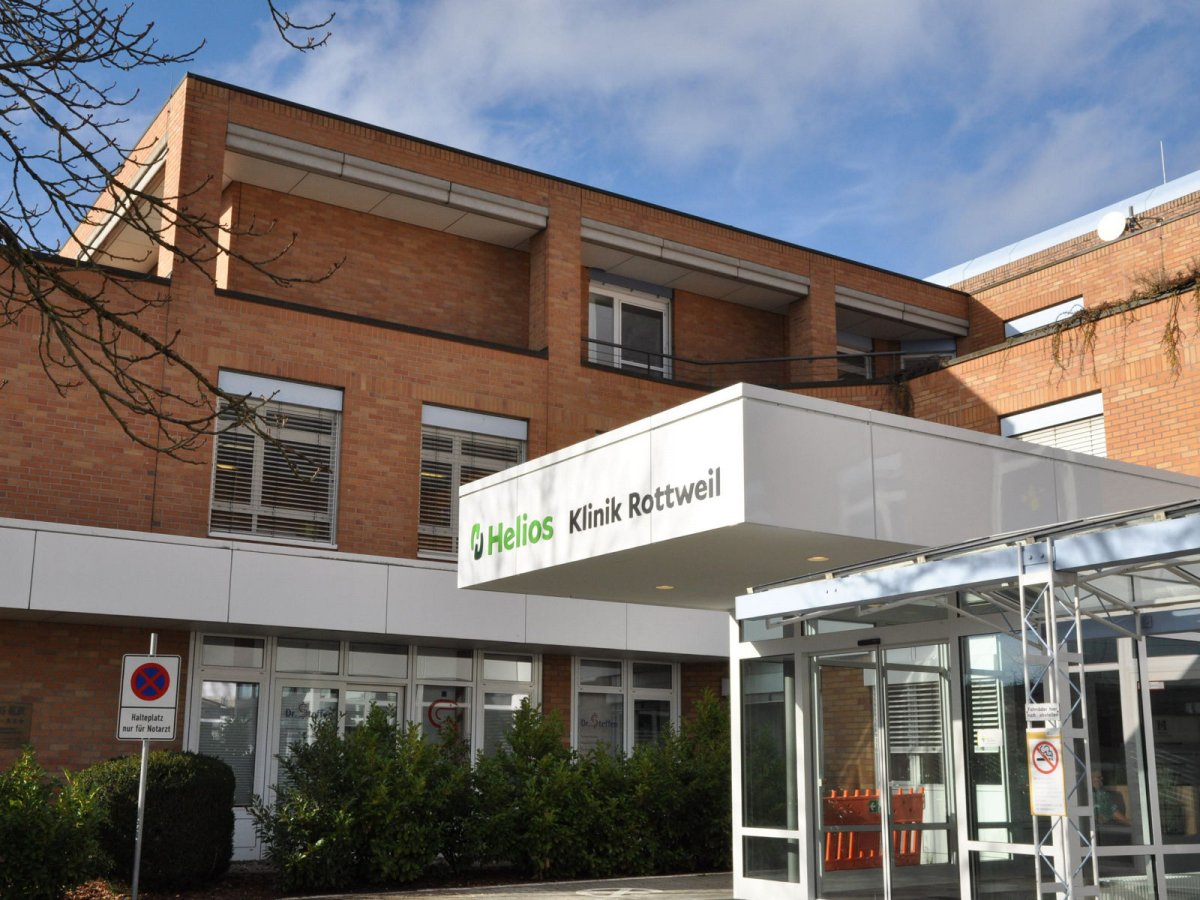












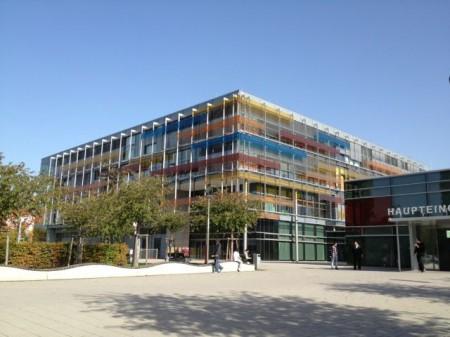
University Hospital in Haydelberge

Hospital in the Pfeiffer`s foundations

Elbland Clinic
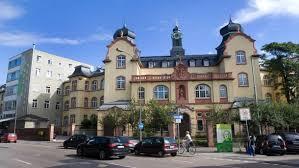
Burger Hospital
Compartir contenido
Historias en video de pacientes de Bookimed
 Olena Sikoza
Preguntas frecuentes sobre el tratamiento de Fimosis en Alemania
¿Es la circuncisión la única opción quirúrgica para la fimosis en Alemania?
La circuncisión no es la única opción quirúrgica para la fimosis en Alemania. Los urólogos alemanes realizan con frecuencia procedimientos que preservan el prepucio, como la prepucioplastia, para ensanchar la abertura sin eliminar piel. Los centros especializados en Berlín y Hamburgo priorizan los tratamientos conservadores y las técnicas de ahorro de tejido para mantener la sensibilidad y la función.
- Prepucioplastia: Los cirujanos utilizan técnicas de triple incisión o plastia en Y-V para aumentar la circunferencia del prepucio.
- Frenulotomía: Este procedimiento ambulatorio libera un frenillo corto para resolver las restricciones de movimiento.
- Circuncisión parcial: Los urólogos eliminan solo el tejido cicatricial mientras dejan la mayor parte de la piel intacta.
- Dorsal slit (incisión dorsal): Esta técnica alivia inmediatamente la tensión y se utiliza a menudo en casos de emergencia.
Perspectiva de expertos de Bookimed: Los centros médicos alemanes como el Hospital Asklepios Barmbek y la Clínica Nordwest muestran una fuerte preferencia por la urología académica. Los datos indican que estos centros manejan grandes volúmenes de pacientes, con el Charité de Berlín atendiendo a más de 800.000 pacientes al año. Esta escala masiva permite una especialización extrema en métodos raros de preservación del prepucio que las clínicas locales podría
¿Con qué rapidez se puede programar a los pacientes internacionales y cuál es el cronograma típico de recuperación?
Los pacientes internacionales suelen programar el tratamiento de fimosis en Alemania en un plazo de 1 a 4 semanas en clínicas privadas. La recuperación estándar permite volver al trabajo de oficina ligero en un plazo de 5 a 7 días. La curación completa generalmente requiere de 4 a 6 semanas. Los pacientes deben permanecer en Alemania de 7 a 14 días antes de volar.
- Fase administrativa: La confirmación inicial y las estimaciones de costos suelen llegar en un plazo de 1 a 2 días hábiles.
- Diagnóstico clínico: Las evaluaciones preoperatorias incluyen consultas urológicas, ECG y análisis de sangre de coagulograma por seguridad.
- Estancia hospitalaria: La mayoría de los procedimientos urológicos requieren solo de 1 a 3 días de monitoreo hospitalario.
- Restricciones de actividad: Los pacientes deben evitar las sesiones de gimnasio y la actividad sexual durante al menos 4 semanas.
Perspectiva del experto de Bookimed: Alemania ocupa un alto rango mundial en urología debido a su densa red de más de 85 clínicas especializadas. Si bien los sistemas públicos tienen esperas más largas, los centros multidisciplinarios como el Hospital Asklepios Barmbek o el Centro Médico de Solingen mantienen altos volúmenes de pacientes. Estas instituciones a menudo brindan un acceso más rápido para los pacientes internacionales que pagan por cuenta propia en comparació
¿Qué complicaciones debo tener en cuenta y cómo se gestionan en los centros alemanes?
El tratamiento de la fimosis en los centros alemanes es altamente seguro, con un riesgo de eventos adversos del 3,26 %. Los pacientes deben estar atentos a posibles infecciones en el sitio quirúrgico o hematomas, aunque son raros. Los urólogos alemanes los gestionan utilizando las directrices basadas en la evidencia S3, el estándar nacional más alto. Los estrictos protocolos de higiene aseguran que la mayoría de las recuperaciones no presenten complicaciones.
- Seguridad sistémica: Los centros alemanes reportan un bajo riesgo médico general del 3,26 %.
- Atención basada en la evidencia: Los cirujanos siguen las directrices S3 para algoritmos de tratamiento estandarizados y de alta calidad.
- Control de infecciones: Los hospitales utilizan protocolos de higiene estrictos para prevenir infecciones en el sitio quirúrgico.
- Instalaciones especializadas: Los centros a menudo cuentan con certificaciones ISO o TÜV para la gestión de la calidad.
Perspectiva del experto de Bookimed: Clínicas alemanas como Asklepios Barmbek y Nordwest enfatizan las certificaciones especializadas para garantizar la seguridad. Este enfoque es notable porque estas clínicas atienden hasta 80.000 pacientes al año. El alto volumen de pacientes permite a los médicos mantener la máxima precisión en los procedimientos urológicos rutinarios. Muchos centros de primer nivel también
¿Qué acreditaciones o cualificaciones garantizan la seguridad de los pacientes internacionales?
La seguridad para el tratamiento internacional de la fimosis en Alemania se verifica mediante las certificaciones KTQ (Cooperación para la Transparencia y la Calidad) e ISO. Los centros de gran volumen suelen figurar en las clasificaciones de las revistas Newsweek o Focus. Estas credenciales confirman auditorías clínicas rigurosas. Los urólogos deben estar certificados por la cámara médica regional (Arztekammer).
- Certificación KTQ: Estándar de calidad específico de Alemania que audita la eficiencia clínica y la seguridad del paciente.
- Cámara médica (Ärztekammer): Los cirujanos deben poseer la certificación de su cámara regional estatal.
- Clasificaciones Focus: Reconocimiento anual basado en la opinión de expertos que identifica a los departamentos alemanes de primer nivel por especialidad.
- Normas ISO: Los centros clínicos mantienen la certificación ISO 9001 para sistemas de gestión de calidad.
Opinión de expertos de Bookimed: El volumen de pacientes es el indicador de seguridad más fiable en Alemania. El Hospital Asklepios Barmbek atiende a 80.000 pacientes al año y cuenta con los honores de la Medical Travel Quality Alliance. Las clínicas con más de 60.000 pacientes anuales, como el Centro Médico de Solingen, ofrecen menores riesgos de complicaciones debido a la pura repetición de protocolos quirúrgicos por parte de sus más de 400 médic
¿Cómo me preparo para el viaje y qué documentos médicos debo llevar?
La preparación para el tratamiento de la fimosis en Alemania requiere reunir los registros urológicos y los resultados de diagnóstico, como un coagulograma reciente y un ECG. Los pacientes deben traer una carta del médico y una identificación válida. Asegúrese de tener traducciones al alemán o al inglés de todo el historial médico para evitar retrasos quirúrgicos en centros acreditados por la JCI o ISO.
- Registros de diagnóstico: Traiga los resultados recientes de ECG, análisis de sangre y coagulograma para que los revise el urólogo.
- Requisitos de idioma: Proporcione traducciones certificadas de las notas médicas en inglés o alemán.
- Exámenes de detección de infecciones: Incluya los resultados documentados de VIH y hepatitis B para evitar la cancelación inmediata.
- Cumplimiento de Schengen: Lleve prueba de fondos, billetes de vuelta y la invitación formal de la clínica.
Opinión de expertos de Bookimed: Aunque centros de primer nivel como el Medical Center de Solingen tratan a más de 60.000 pacientes al año, mantienen estrictos protocolos de calidad alemanes. Confirme siempre los requisitos de su clínica específica para las fechas de detección de ITS. Nuestros datos muestran que los departamentos de urología alemanes a menudo requieren que estas pruebas tengan menos de 3 meses de antigüedad para proceder con la cirugía.
Conse
¿Qué ciudades alemanas son las más convenientes para los turistas médicos que buscan tratamiento para la fimosis?
Berlín, Hamburgo, Múnich y Fráncfort son las ciudades alemanas más convenientes para el tratamiento de la fimosis. Estos centros ofrecen una alta densidad de centros de urología especializados y acceso a los principales aeropuertos internacionales. Instalaciones como Charité Berlin y el Hospital Asklepios Barmbek cuentan con departamentos dedicados a la logística de pacientes internacionales y servicios de traducción.
- Accesibilidad en Berlín: Cuenta con la mayor concentración de urólogos de habla inglesa y hospitales universitarios.
- Excelencia en Hamburgo: Sede del Hospital Asklepios Barmbek, una instalación de primer nivel para viajeros médicos internacionales.
- Logística en Fráncfort: Ofrece proximidad inmediata al aeropuerto más grande de Alemania para un viaje quirúrgico eficiente el mismo día.
- Centros especializados: Solingen y Duisburgo ofrecen departamentos de urología de gran volumen con modelos de precios transparentes y predefinidos.
Opinión de expertos de Bookimed: Aunque los pacientes a menudo se centran en grandes centros como Berlín, el Centro Médico de Solingen y el complejo clínico de Renania del Norte-Westfalia en Duisburg ofrecen una ventaja significativa para este procedimiento específico. Estos centros afiliados a universidades manejan más de 3.000 casos urológicos al año y a menudo ofrecen una programación más rápida
¿Qué hospitales en Alemania tienen las calificaciones más altas en neurocirugía?
Alemania alberga algunos de los departamentos de neurocirugía más prestigiosos del mundo, liderados por la Charité – Universitätsmedizin Berlin y el Hospital Universitario de Heidelberg. Estos centros destacan en el tratamiento de tumores cerebrales complejos y enfermedades cerebrovasculares. Para maximizar la eficacia de sus procedimientos, utilizan tecnologías de vanguardia como la resonancia magnética intraoperatoria y la neuronavegación asistida por computadora.
- Charité Berlín: Realiza más de 5000 cirugías al año. La clínica está dirigida por el reconocido neurocirujano Dr. Peter Vaikoczy.
- Centro Médico Solingen: El Dr. Ralf Buhl ha realizado más de 4.000 cirugías, incluidas cirugías de columna mínimamente invasivas.
- Clínica Asklepios Nord: equipada con el único sistema de resonancia magnética intraoperatoria bilateral de Alemania para garantizar precisión quirúrgica en tiempo real durante la extirpación del tumor.
- Clínica Nordwest: reconocida por la revista Newsweek como un hospital líder por su innovación en tecnología de ultrasonido 3D.
Opinión experta de Bookimed: Los datos muestran que elegir centros con un alto volumen quirúrgico suele llevar a recomendaciones de tratamiento más conservadoras. En el Centro Médico Solingen, que atiende a más de 60.000 pacientes al año, los cirujanos suelen sugerir fisioterapia en lugar de cirugía
¿Cuáles son las tasas de éxito de los procedimientos neuroquirúrgicos complejos en Alemania?
En Alemania, los procedimientos neuroquirúrgicos de alta complejidad demuestran una seguridad excepcional. Las tasas de éxito en las fusiones espinales alcanzan el 99 %. La tasa de supervivencia en las resecciones de tumores cerebrales primarios es del 97 %. La independencia funcional es alta. Más del 82 % de los pacientes reciben el alta inmediatamente después del tratamiento. Los centros alemanes priorizan la preservación de la función neurológica mediante técnicas modernas de mapeo.
- Resección de tumores: los cirujanos logran una resección tumoral completa en el 87,2% de los casos de metástasis cerebrales.
- Éxito en el tratamiento de enfermedades vasculares: los hospitales alemanes informan de una tasa de supervivencia del 98,7% para aneurismas no rotos.
- Mejora del estado neurológico: casi el 43% de los pacientes experimentan una mejora de los parámetros funcionales después de resecciones complejas.
- Seguridad de las intervenciones quirúrgicas: En grandes centros quirúrgicos, las tasas de supervivencia de los pacientes después de la cirugía de columna son del 98-99%.
Opinión experta de Bookimed: Cirujanos experimentados como el Dr. Uwe Köhler, de la Clínica Asklepios Altona, realizan más de 2000 cirugías al año. Los datos muestran que estos especialistas mantienen tasas de éxito de hasta el 90 %, incluso en los tumores cerebrales más comp
¿Qué tecnologías avanzadas suelen estar disponibles en las clínicas neuroquirúrgicas alemanas?
Las clínicas neuroquirúrgicas alemanas incorporan regularmente instrumentos digitales de alta precisión y visualización en tiempo real a la práctica quirúrgica. Entre las tecnologías clave se encuentra la neuronavegación computarizada para cirugías de cerebro y médula espinal. Instituciones como la Clínica Asklepios Nord utilizan la resonancia magnética intraoperatoria para verificar la extirpación de tumores en tiempo real. Estos sistemas proporcionan a los cirujanos navegación GPS 3D.
- Neuronavegación: proporciona visualización 3D y seguimiento de instrumentos en tiempo real para lograr precisión quirúrgica hasta el nivel submilimétrico.
- Imágenes intraoperatorias: sistemas como iMRI y O-arm CT permiten la confirmación inmediata de una resección exitosa.
- Neuromonitorización: Monitorea las funciones motoras y sensoriales durante la cirugía para proteger el sistema nervioso.
- Diagnóstico de fluorescencia: se utiliza el colorante 5-ALA para resaltar los bordes del tumor para una eliminación más completa.
- Asistencia robótica: Sistemas como el Da Vinci mejoran la precisión en procedimientos complejos y mínimamente invasivos.
Opinión experta de Bookimed: Grandes centros como la Charité – Universitätsmedizin de Berlín realizan más de 4000 procedimientos neuroquirúrgicos al año, lo que crea un entorno rico en datos para p
¿Qué formación especializada reciben los neurocirujanos en ejercicio en Alemania?
En Alemania, los neurocirujanos deben completar una residencia especializada de seis años tras graduarse de la facultad de medicina. Este programa estructurado incluye cuidados intensivos, práctica clínica y una revista quirúrgica obligatoria. Posteriormente, los candidatos aprueban un examen estatal para obtener el título de residente (Facharzt für Neurochirurgie).
- Residencia clínica: requiere de 48 a 72 meses de práctica neuroquirúrgica especializada.
- Cuidados intensivos: incluye una pasantía obligatoria de 6 meses en una unidad de cuidados intensivos neuroquirúrgicos.
- Revista quirúrgica: los cirujanos documentan cientos de cirugías, incluidas craneotomías y cirugías de columna.
- Examen de licencia: Los solicitantes deben aprobar un examen médico oral y práctico administrado por el estado.
Opinión experta de Bookimed: La formación neuroquirúrgica alemana se centra en una amplia experiencia quirúrgica. Por ejemplo, el Dr. Ralf Buhl, del Centro Médico Solingen, ha realizado más de 4000 cirugías. El Dr. Jürgen Kiwit, del Hospital Meoklinik, cuenta con más de 25 años de experiencia. Este riguroso sistema garantiza que los especialistas de los principales centros aborden casos complejos con una precisión demostrada.
Comentarios de los pacientes: Los pacientes se sienten seguros al saber que sus médicos han recibido año