Fimosis en Austria: las 4 mejores clínicas para su tratamiento


Revisado médicamente por
Fahad Mawlood
Cómo funciona
¿Cuál es el precio del diagnóstico y los tratamientos de Fimosis en Austria? Descubra ahora
De $140. Las opciones quirúrgicas como la circuncisión suelen costar entre 700 y 2.400 USD, dependiendo del nivel de la clínica y la anestesia. Los gastos totales dependen del método quirúrgico, el tipo de centro y si el procedimiento requiere hospitalización. Los pacientes pueden ahorrar hasta un 75% optando por terapias tópicas no quirúrgicas. Viena, Graz y Salzburgo son las principales ciudades para este tratamiento.
Costos típicos del tratamiento de fimosis en Austria
- Consulta con un urólogo: de $140
- ECG: de $60
- Coagulograma: $50 – $150
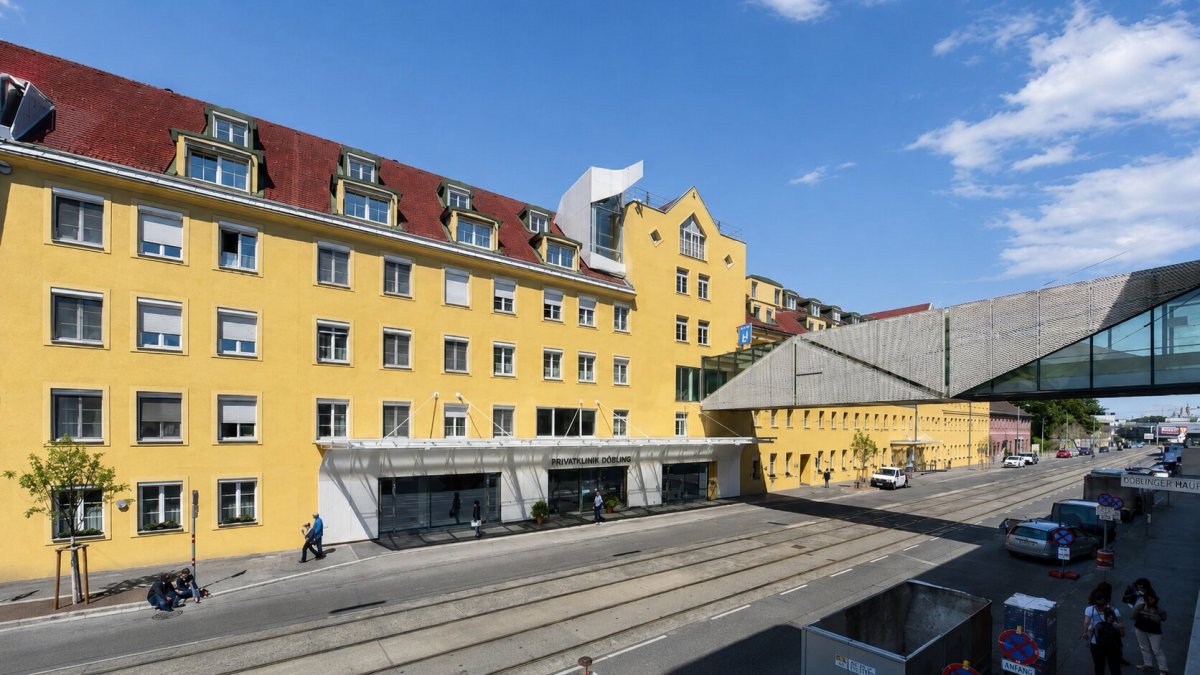
Perspectiva de los expertos de Bookimed: Los pacientes que buscan los estándares de seguridad más altos deben considerar centros acreditados por la JCI, como el Döbling Private Hospital. Esta clínica mantiene tasas de complicaciones por debajo del promedio en procedimientos quirúrgicos. Para casos complejos, el Hospital General de Viena (AKH) ofrece los recursos de 42 institutos universitarios. Los pacientes internacionales a menudo prefieren la Wiener Privatklinik debido a su entorno multilingüe y a la concentración de profesores de la Universidad Médica de Viena. Los expertos recomiendan comenzar con una consulta urológica especializada para determinar si la terapia tópica no quirúrgica es viable.
Descubra las mejores clínicas de tratamiento de Fimosis en Austria: 4 opciones verificadas y Precios
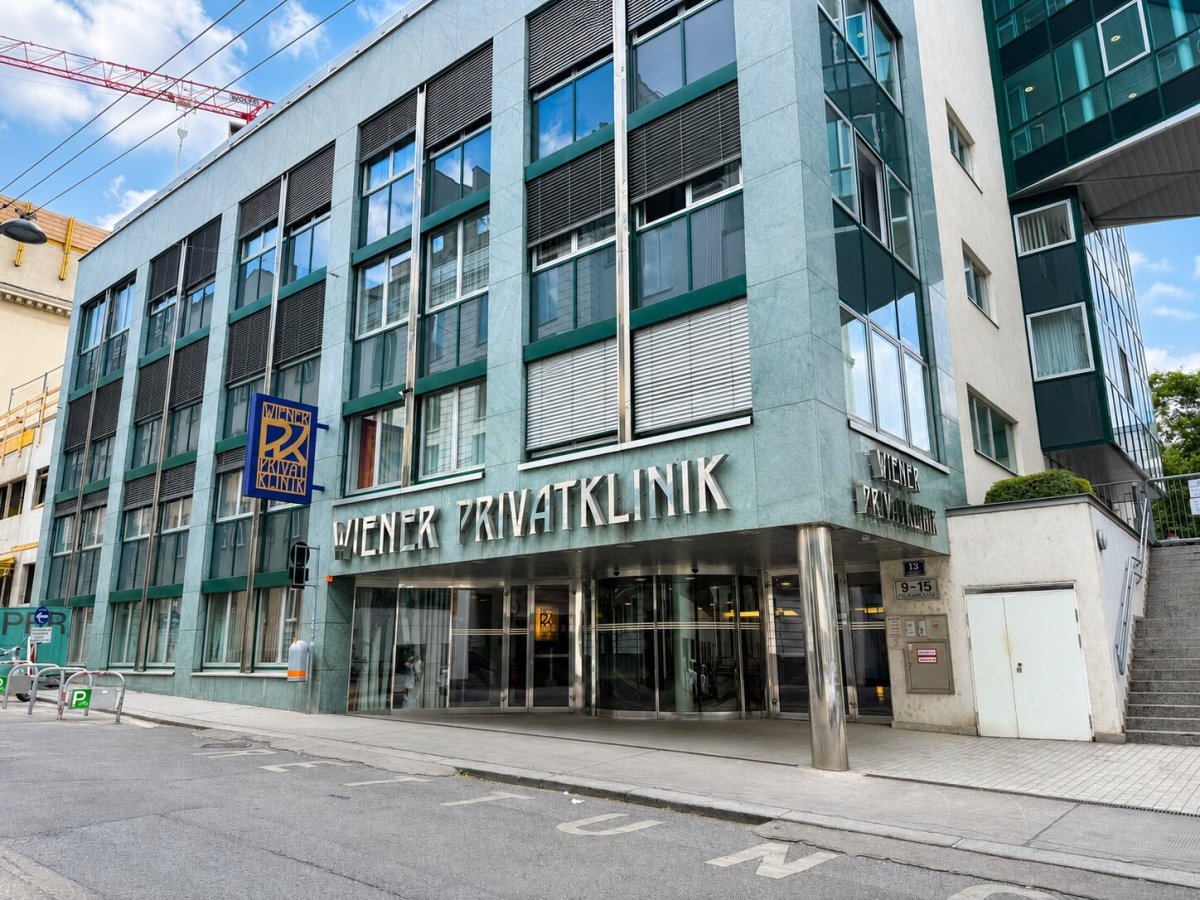




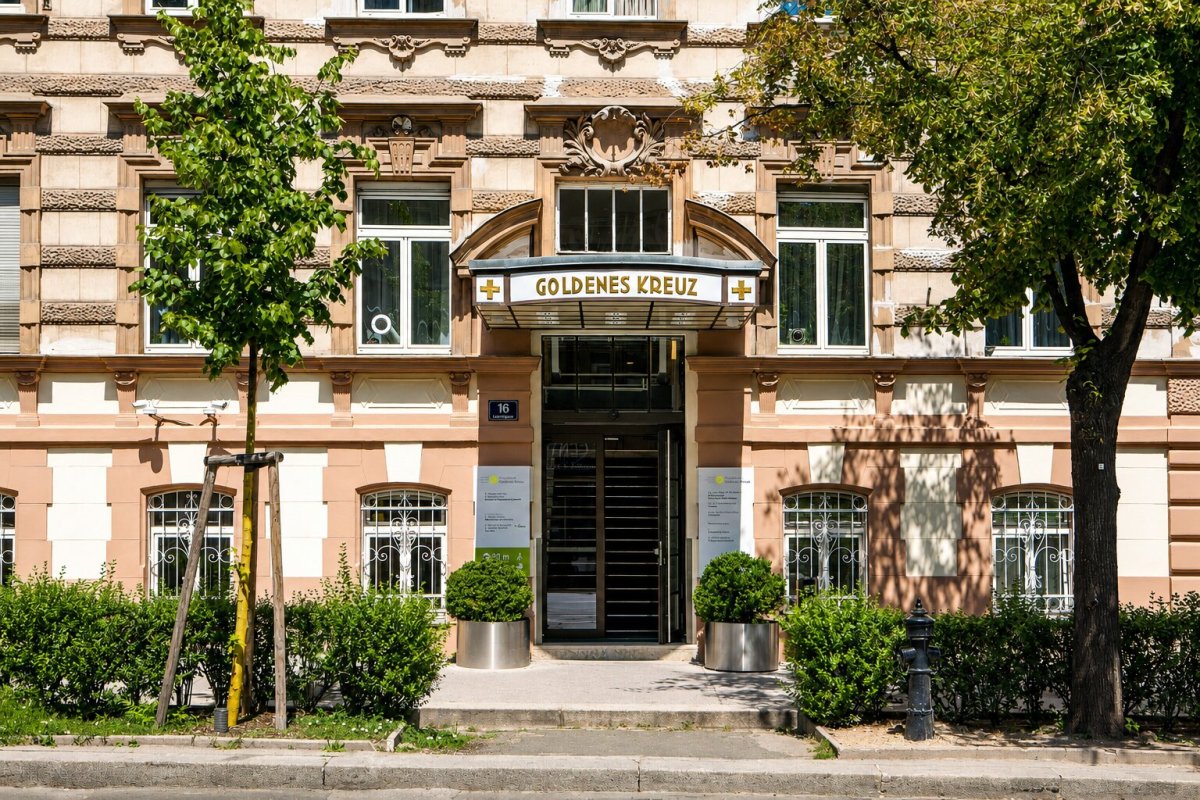
Confraternitaet & Goldenes Kreuz Private Hospital



Compartir contenido
Historias en video de pacientes de Bookimed
 Olena Sikoza
Preguntas frecuentes sobre el tratamiento de Fimosis en Austria
¿Es la cirugía el único tratamiento para la fimosis en Austria?
En Austria, la cirugía no es la única opción de tratamiento para la fimosis. Los urólogos austriacos priorizan un enfoque gradual, comenzando con la terapia tópica con esteroides. Los métodos no quirúrgicos son efectivos en el 60 % al 90 % de los casos. La dilatación inducida por medicamentos y el estiramiento manual son opciones conservadoras adicionales antes de considerar la cirugía.
- Terapia con esteroides: La aplicación de crema de betametasona durante 4 a 8 semanas suaviza el tejido tenso del prepucio.
- Estiramiento manual: Los urólogos realizan ejercicios suaves e indoloros en los pacientes para ensanchar la abertura.
- Dilatación médica: Los tubos de silicona certificados expanden gradualmente el anillo fimótico a lo largo de varias semanas.
- Alternativa quirúrgica: La prepucioplastia preserva el prepucio ensanchando la abertura mediante pequeñas incisiones.
Opinión de expertos de Bookimed: Los pacientes en Viena se benefician de un entorno médico académico, donde muchos especialistas privados también son profesores universitarios. Clínicas como la Wiener Privatklinik y el Hospital General de Viena (AKH) integran a estos expertos en departamentos especializados de urología. Esta concentración de experiencia académica garantiza que los pacientes reciban los protocolos de tratamiento no quirúrgico más avanzados antes de someterse a cirug
¿Cubre el seguro médico austriaco el tratamiento de la fimosis?
El sistema público de seguro médico austriaco, como el ÖGK, cubre el tratamiento de la fimosis si es médicamente necesario. Esto incluye consultas con urólogos, terapia con esteroides tópicos y procedimientos quirúrgicos como la circuncisión. Casi el 100 % de la población está asegurada. El tratamiento para niños también está totalmente cubierto por estas normas médicas.
- Necesidad médica: El seguro cubre el dolor, las infecciones recurrentes o la discapacidad funcional.
- Opciones de tratamiento: La cobertura incluye cremas con esteroides y circuncisión quirúrgica.
- Procedimientos estéticos: Las tarifas de los procedimientos puramente cosméticos no son reembolsables.
- Centros de salud pública: El tratamiento está disponible en los centros ÖGK y a través de urólogos contratados.
Opinión de expertos de Bookimed: Si bien el seguro público ofrece cobertura total, las listas de espera para cirugías en instituciones como el Hospital General de Viena (AKH) pueden llegar a ser de hasta seis meses. Las grandes clínicas privadas, como el Hospital Privado Döbling, atienden a más de 16 000 pacientes al año con una menor tasa de complicaciones. Elegir un urólogo privado puede requerir un pago por adelantado, pero el seguro suele ofrecer un reembolso parcial al presentar los recibos.
Comentarios de los pacientes: Los pacientes señal
¿A qué especialista en Austria debo acudir por fimosis?
En Austria, los urólogos son los principales especialistas en el tratamiento de la fimosis. Estos médicos tratan las afecciones del pene mediante terapia local o cirugía. Los urólogos pediátricos o los cirujanos pediátricos tratan a los niños pequeños. En Viena, instituciones como la Wiener Privatklinik y la Döbling Privatklinik ofrecen atención especializada.
- Función especializada: Los urólogos diagnostican, prescriben cremas con esteroides y realizan circuncisiones.
- Atención pediátrica: Los urólogos pediátricos se especializan en el tratamiento de la fimosis en niños pequeños y varones.
- Especialistas destacados: El profesor Dr. Georg Schatzl trata a hombres en la Clínica Privada de Viena.
- Estándares hospitalarios: El Hospital Privado Döbling garantiza la seguridad de los procedimientos quirúrgicos de acuerdo con los estándares JCI.
- Diagnóstico: La consulta suele incluir un electrocardiograma, un perfil de coagulación y un examen físico.
Opinión de expertos de Bookimed: Los pacientes en Viena suelen elegir entre grandes centros universitarios y clínicas privadas especializadas. El Hospital General de Viena (AKH) atiende anualmente a unos 600.000 pacientes con casos complejos. Sin embargo, instituciones privadas como la Wiener Privatklinik ofrecen un menor flujo de pacientes y atención personalizada bajo la super
¿Cuáles son los riesgos de no tratar la fimosis?
La fimosis no tratada conlleva graves riesgos para la salud, incluyendo infecciones crónicas y parafimosis. Esta obstrucción impide una correcta limpieza intestinal, lo que provoca acumulación de esmegma e inflamación dolorosa. Entre las complicaciones a largo plazo se encuentra la retención urinaria. La obstrucción persistente puede llegar a causar daño renal. La parafimosis sigue siendo una emergencia potencialmente mortal.
- Riesgo de parafimosis: El prepucio retraído actúa como un torniquete, provocando necrosis tisular.
- Cáncer de pene: La inflamación crónica causada por el esmegma aumenta el riesgo de padecer cánceres poco comunes.
- Balanopostitis: Las infecciones recurrentes provocan hinchazón del glande y del prepucio.
- Disfunción sexual: las erecciones dolorosas suelen provocar desgarros y sangrado.
Opinión de expertos de Bookimed: Los datos sobre pacientes en Austria muestran que la espera para obtener cobertura del seguro médico público suele derivar en complicaciones prevenibles. En clínicas como el Hospital Privado Döbling, las tasas de complicaciones son significativamente inferiores a los estándares establecidos. Los centros médicos privados de Viena atienden a miles de pacientes internacionales cada año. Optar por un tratamiento privado evita largas listas de espera, que pueden provocar la progresión de la enfermedad. Una consu
¿Dónde se encuentran los principales centros de atención especializada para la fimosis en Austria?
Los principales centros para el tratamiento especializado de la fimosis en Austria se encuentran en Viena, Salzburgo, Graz y Linz. Instituciones líderes, como la Clínica Privada de Viena y el Hospital Privado de Döbling, ofrecen tratamientos tanto conservadores como quirúrgicos. Estas instituciones cuentan con profesores universitarios y cumplen con las normas de seguridad ISO para urología pediátrica y de adultos.
- Clínica Privada de Viena: Allí trabajan más de 400 médicos y numerosos profesores de la Universidad Médica de Viena.
- Hospital privado Döbling: Cumple con los objetivos de seguridad de JCI y reporta tasas de complicaciones inferiores a los valores nominales.
- Hospital General de Viena: atiende a 595.000 pacientes al año y es uno de los centros médicos más grandes de Europa.
- Ordensklinikum Linz: es un importante centro regional especializado en casos complejos de urología pediátrica.
Opinión de expertos de Bookimed: Los pacientes que buscan un tratamiento rápido deberían optar por el sector privado de Viena en lugar del sistema universitario público. Si bien el AKH de Viena cuenta con amplios recursos tecnológicos, clínicas privadas como Confraternität atienden a 7000 pacientes al año con tiempos de espera significativamente más cortos. Esto es crucial para el tratamiento de la fimosis, donde la rapidez para programar una cirugía
¿Cuánto tiempo se tarda en recuperarse de una circuncisión quirúrgica en Austria?
La recuperación tras una circuncisión quirúrgica en Austria suele tardar entre 4 y 6 semanas en completarse. La cicatrización inicial de la herida generalmente se produce en 14 días. Si bien la mayoría de los pacientes retoman actividades ligeras en 48 horas, deben evitar el ejercicio intenso y las relaciones sexuales durante al menos 4 a 6 semanas.
- Características de la cicatrización según la edad: Los adultos suelen necesitar de 4 a 6 semanas para la recuperación completa del tejido.
- Restricciones de actividad: Evite levantar objetos pesados y hacer ejercicio durante al menos 2 semanas.
- Retirada de suturas: Las suturas reabsorbibles suelen desaparecer por sí solas en 2-3 semanas.
- Horario laboral: A menudo es posible trabajar en la oficina 1 o 2 días después del procedimiento.
Opinión de expertos de Bookimed: Los pacientes suelen elegir el Hospital General de Viena (AKH) o el Hospital Privado de Döbling para recibir atención quirúrgica especializada. Estas instituciones atienden a un gran volumen de pacientes; el AKH, por ejemplo, atiende a aproximadamente 600 000 al año. Los centros más grandes suelen ofrecer un acceso más rápido a las pruebas diagnósticas preoperatorias, como las pruebas de coagulación y los electrocardiogramas. Esta rapidez es fundamental para los pacientes que buscan una planificación eficaz antes de comenzar su peri
¿Es eficaz el tratamiento conservador con cremas de esteroides y cuál es su tasa de éxito?
El tratamiento conservador de la fimosis con cremas de esteroides es altamente efectivo, con una tasa de éxito del 67 al 95 %. Este enfoque no quirúrgico suele resultar en una recuperación completa en el 62 % de los pacientes en un plazo de 4 a 8 semanas. Los resultados clínicos se mantienen consistentes tanto con corticosteroides tópicos de potencia moderada como de alta.
- Duración del tratamiento: El éxito se suele lograr entre 4 y 8 semanas de uso diario.
- Tasa de recuperación: Aproximadamente el 62% de los niños logran una recuperación completa, en comparación con el 18% que no recibe tratamiento.
- Eficacia a largo plazo: Los estudios muestran una tasa de éxito sostenido del 66 % durante un período de seguimiento de 27 meses.
- Efecto de la potencia: Los esteroides de potencia media y alta proporcionan tasas de éxito similares, que oscilan entre el 77% y el 81%.
Opinión de expertos de Bookimed: Si bien muchos se centran únicamente en la crema, los ejercicios de estiramiento regulares son, en realidad, la clave del éxito. En los principales centros austriacos, como el Hospital General de Viena (AKH), que atiende a 595 000 pacientes anualmente, los urólogos destacan la importancia de combinar la betametasona al 0,05 % con ejercicios manuales especializados. Nuestros datos muestran que omitir estos ejercicios es la razón más común para recurr