Artritis Reumatoide en Corea del Sur: las 3 mejores clínicas para su tratamiento


Revisado médicamente por
Fahad Mawlood
¿Cuál es el precio del diagnóstico y los tratamientos de Artritis Reumatoide en Corea del Sur? Descubra ahora
El costo del tratamiento de la artritis reumatoide en la República de Corea generalmente implica diagnósticos especializados y el manejo de medicamentos a largo plazo. De $55. Los gastos totales dependen de la gravedad de la enfermedad y del uso de terapias biológicas. Los pacientes internacionales suelen ahorrar entre un 40% y un 70% en comparación con los Estados Unidos. Las principales ciudades para este tratamiento incluyen Seúl e Incheon.
Costos típicos del tratamiento de la artritis reumatoide en la República de Corea
- Consulta con un ortopedista: de $55
- Análisis de sangre extendido: de $200
- Consulta con un cardiólogo: $50 – $55
- ECG: de $30
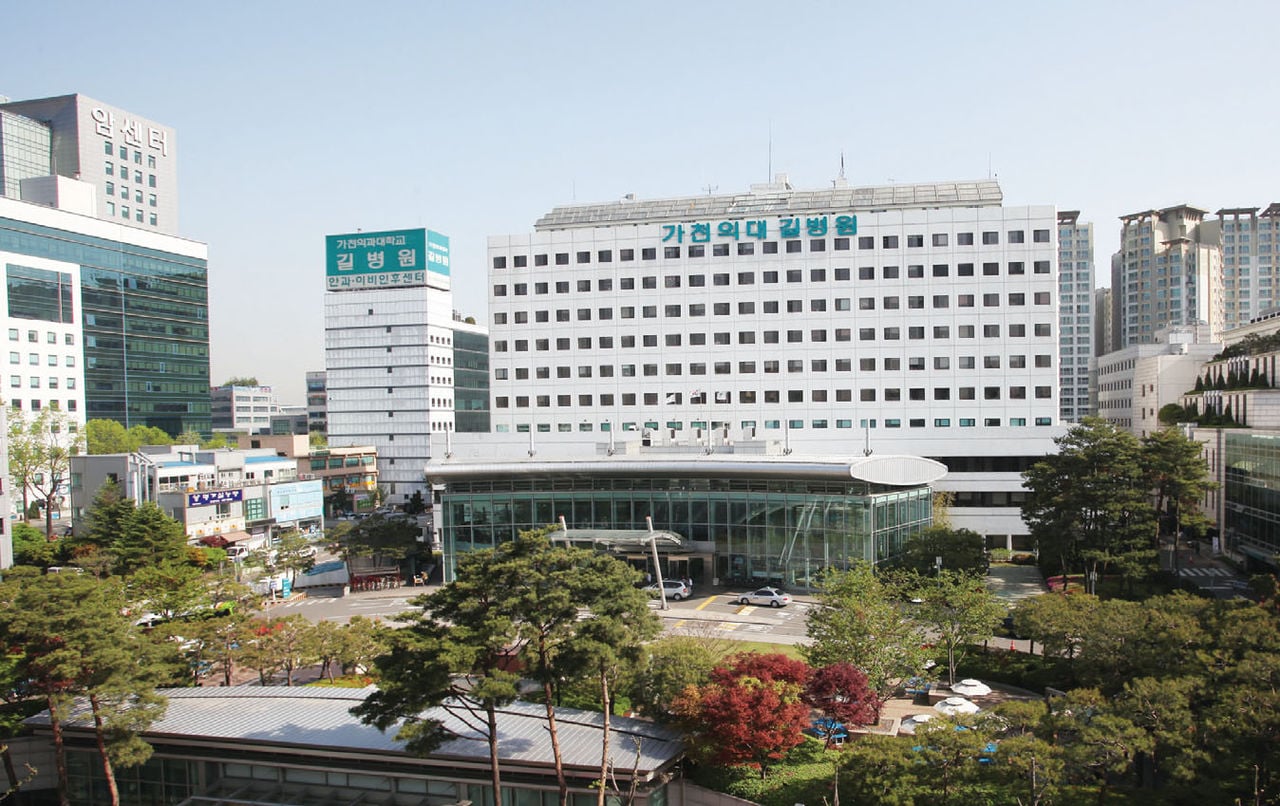
Perspectiva de los expertos de Bookimed: Los pacientes con compromiso articular avanzado deben priorizar centros multidisciplinarios como el Hospital Severance. Esta instalación acreditada por la Joint Commission International (JCI) atiende a más de 1.6 millones de pacientes ambulatorios al año. Para aquellos que buscan experiencia a nivel estatal, el Hospital de la Universidad Nacional de Seúl (SNUH) es la opción principal. El SNUH es la instalación preferida por el Presidente de Corea y utiliza una digitalización completa para una atención coordinada. Los pacientes en etapa temprana pueden encontrar servicios especializados de alto valor en el Centro Médico Gil de la Universidad de Gachon. Su departamento internacional está convenientemente ubicado a solo una hora del Aeropuerto Internacional de Incheon.
| Corea del Sur | España | Turquía | |
|---|---|---|---|
| Plasmaféresis DFPP | ≈ $1,200 | ≈ $1,100 | ≈ $1,900 |
| Plasmaféresis | ≈ $1,500 | de $12,300 | de $3,200 |
| Aféresis selectiva | ≈ $1,800 | ≈ $1,800 | ≈ $1,600 |
| Infiltración articular | - | - | de $850 |
Sus beneficios y garantías con Bookimed
Precios directos
Bookimed no añade cargos extra a los precios de los tratamientos de Artritis Reumatoide. Las tarifas proceden de las listas de precios oficiales de las clínicas. Pagará directamente en la clínica por su tratamiento a su llegada al país.
Sólo clínicas y médicos verificados
Bookimed está comprometido con su seguridad. Solo trabajamos con las clínicas que mantienen altos estándares internacionales en el tratamiento de Artritis Reumatoide y cuentan con las licencias necesarias para atender a pacientes internacionales en todo el mundo.
Asistencia 24/7 gratuita
Bookimed ofrece asistencia experta gratuita. Un coordinador médico personal le apoya antes, durante y después de su tratamiento, resolviendo cualquier problema. Nunca estará solo en su viaje médico de tratamiento de Artritis Reumatoide.

Su coordinador médico personal de Bookimed
- Le apoya en cada etapa
- Ayuda a elegir la clínica y el médico adecuados
- Asegura un acceso rápido y conveniente a la información
Descubra las mejores clínicas de tratamiento de Artritis Reumatoide en Corea del Sur: 3 opciones verificadas y Precios







Compartir contenido
Historias en video de pacientes de Bookimed
 Olena Sikoza
Preguntas frecuentes sobre el tratamiento de Artritis Reumatoide en Corea del Sur
¿Cómo se trata a los pacientes con AR en Corea?
El tratamiento de la artritis reumatoide en Corea prioriza la intervención temprana y agresiva mediante el uso de fármacos antirreumáticos modificadores de la enfermedad (FAME) para lograr la remisión. Los grandes centros terciarios en Seúl e Incheon utilizan terapias avanzadas, incluidos inhibidores de la Janus quinasa y técnicas especializadas de purificación de sangre como la plasmaféresis en instalaciones acreditadas por la JCI.
- Terapia estándar: Más del 85% de los pacientes reciben FAME convencionales combinados durante el primer año.
- Procedimientos avanzados: Las clínicas especializadas ofrecen aféresis selectiva y plasmaféresis de doble filtración (DFPP) para casos graves.
- Monitoreo diagnóstico: Las clínicas utilizan la prueba de puntuación de actividad de la enfermedad (DAS28) y análisis de sangre extendidos para el seguimiento.
- Infraestructura especializada: Los grandes hospitales universitarios brindan atención integrada a través de centros dedicados a la reumatología y la rehabilitación.
Perspectiva del experto de Bookimed: El volumen de pacientes sirve como una señal de calidad importante en el sistema de salud de Corea. Instalaciones como el Hospital Severance gestionan 1,6 millones de pacientes ambulatorios al año. Esta escala masiva permite a los reumatólogos coreanos perfeccionar los protocolos para productos biológicos
¿Corea ofrece tratamientos biológicos modernos para la artritis reumatoide (AR)?
Corea del Sur ofrece tratamientos biológicos avanzados para la artritis reumatoide a través de hospitales universitarios acreditados por la JCI. Los pacientes tienen acceso a fármacos antirreumáticos modificadores de la enfermedad biológicos, incluidos inhibidores del TNF, bloqueadores de la IL-6 y agentes anti-células B. Estas terapias tienen como objetivo detener el daño articular e inducir la remisión en casos graves.
- Biológicos disponibles: Incluye adalimumab, etanercept, infliximab y medicamentos biosimilares aprobados por la EMA.
- Diagnóstico avanzado: Las clínicas utilizan análisis de sangre extendidos y consultas ortopédicas para la estadificación.
- Protocolos de seguridad: Los exámenes estándar de tuberculosis y hepatitis son obligatorios antes de comenzar.
- Instalaciones especializadas: El tratamiento está centralizado en centros importantes como el Hospital Severance en Seúl.
Perspectiva del experto de Bookimed: Los datos muestran que los centros terciarios como el Hospital de la Universidad Nacional de Seúl gestionan volúmenes masivos. Solo el Hospital Severance atiende a más de 1,6 millones de pacientes ambulatorios al año en departamentos especializados. Esta escala permite a los reumatólogos coreanos perfeccionar los protocolos para nuevas terapias dirigidas y biosimilares. Los pacientes obtienen acceso a especialistas que m
¿Dónde puedo encontrar reumatólogos que hablen inglés en Seúl?
Los reumatólogos que hablan inglés en Seúl se encuentran principalmente en hospitales universitarios acreditados por la JCI. Instalaciones como el Severance Hospital y el Hospital de la Universidad Nacional de Seúl (SNUH) mantienen centros de salud internacionales dedicados. Estos centros garantizan una comunicación fluida para el diagnóstico de la artritis reumatoide y el manejo a largo plazo de enfermedades autoinmunes.
- Severance Hospital: Este centro acreditado por la JCI atiende a más de 4 millones de pacientes ambulatorios al año.
- SNUH: Una instalación estatal digital líder que utiliza registros médicos electrónicos avanzados.
- Apoyo lingüístico: Los centros internacionales proporcionan coordinadores médicos para ayudar con las consultas en inglés.
- Experiencia clínica: Departamentos especializados gestionan casos complejos utilizando productos biológicos y aféresis selectiva.
Opinión de expertos de Bookimed: Los pacientes a menudo descubren que, si bien las clínicas pequeñas ofrecen citas iniciales más rápidas, los grandes centros como el Severance Hospital son mejores para la atención a largo plazo. Estos hospitales brindan acceso integrado a cardiología y ortopedia. Esto es vital porque la artritis reumatoide a menudo requiere un seguimiento multidisciplinario coordinado.
Consenso de los pacientes: Los paci
¿Puedo someterme a procedimientos articulares si tengo inflamación activa?
Los procedimientos articulares directos generalmente se evitan durante la inflamación activa en Corea del Sur. Los médicos priorizan el control de la actividad de la enfermedad con productos biológicos o FARME antes de operar. Las inyecciones no quirúrgicas como los corticosteroides son la principal excepción. Estas se utilizan específicamente para reducir la hinchazón y el dolor localizados dentro de la articulación.
- Momento de la cirugía: Los médicos suelen posponer las cirugías electivas hasta que la inflamación sistémica esté controlada.
- Uso de inyecciones: Los médicos utilizan inyecciones de corticosteroides específicamente para tratar los brotes activos.
- Fisioterapia: Los especialistas proporcionan una terapia manual suave adaptada para preservar la movilidad articular.
- Coordinación de especialistas: Los reumatólogos y cirujanos deben sincronizar los calendarios de medicación para garantizar una curación segura.
Perspectiva de expertos de Bookimed: Aunque las cirugías electivas se retrasan, las principales instalaciones de Corea del Sur, como el Hospital Severance, utilizan imágenes digitales avanzadas para rastrear los cambios inflamatorios. Esta precisión permite a los cirujanos identificar la ventana exacta en la que la inflamación disminuye lo suficiente para una intervención segura. Dichos centros de alto volumen aprovechan l
¿Qué debo llevar a mi primera cita en Corea?
Los pacientes que visitan hospitales coreanos para el tratamiento de la artritis reumatoide deben llevar su pasaporte, registros médicos completos y resultados de imágenes. Incluya informes de laboratorio anteriores sobre el factor reumatoide (FR), niveles de anti-CCP y VSG. La documentación de los medicamentos actuales con detalles de la dosis es esencial para el registro en la clínica y la evaluación del médico.
- Documentación médica: Lleve notas de diagnóstico, trabajos de laboratorio e informes de alta de tratamientos anteriores.
- Resultados de imágenes: Lleve discos físicos o copias digitales de alta calidad de radiografías de articulaciones o resonancias magnéticas.
- Historial de medicamentos: Documente todos los medicamentos anteriores para la artritis reumatoide, los efectos secundarios y las razones para suspenderlos.
- Diario de síntomas: Anote la duración de la rigidez matutina y fotografíe la hinchazón articular visible durante los brotes activos.
Perspectiva del experto de Bookimed: Las principales instalaciones de Corea, como el Hospital Severance y el Centro Médico Gil de la Universidad de Gachon, están altamente digitalizadas. A menudo es suficiente con llevar sus registros en inglés. Sin embargo, traducir sus últimos resultados de sangre de VSG y PCR al coreano antes de llegar puede acelerar significativamente la fase de dia
¿Se utiliza la Medicina Tradicional Coreana (MTC) para la artritis reumatoide (AR)?
La Medicina Tradicional Coreana (MTC) es un tratamiento complementario principal para la artritis reumatoide en Corea del Sur. Está integrada en el sistema nacional de salud. Los proveedores utilizan acupuntura y decocciones a base de hierbas para aliviar los síntomas. La mayoría de los pacientes combinan estos métodos con la atención reumatológica convencional para controlar la inflamación.
- Técnicas de acupuntura: La acupuntura estándar y la farmacopuntura controlan el dolor crónico y mejoran la función articular.
- Prescripciones a base de hierbas: Decocciones específicas como Guizhishaoyaozhimu-tang ayudan a reducir la hinchazón de las articulaciones y la fatiga.
- Terapias de apoyo: La moxibustión utiliza calor para estimular los puntos de acupuntura y aliviar la rigidez matutina.
- Regulación integrada: Las directrices clínicas especializadas garantizan que los protocolos de MTC cumplan con los marcadores de seguridad y evidencia estandarizados.
Perspectiva del experto de Bookimed: Corea del Sur es un lugar único para el tratamiento de la AR porque los principales centros, como el Hospital Severance y el Hospital de la Universidad Nacional de Seúl, ofrecen diagnósticos avanzados mientras apoyan la atención integrada. Si bien estas instalaciones clasificadas por Newsweek se centran en intervenciones de alta tecnología como la cirugía robó