Estenosis uretral Tratamiento en Corea del Sur — Costos 2026


Revisado médicamente por
Fahad Mawlood
¿Cuál es el precio del diagnóstico y los tratamientos de Estenosis uretral en Corea del Sur? Descubra ahora
| Corea del Sur | España | Turquía | |
|---|---|---|---|
| Uretrotomía interna con visión directa (DVIU/UIVD) | ≈ $1,800 | de $6,200 | ≈ $1,100 |
| Uretroplastia | ≈ $6,500 | de $2,800 | de $5,000 |
| Dilatación uretral con balón recubierto de fármaco | ≈ $2,600 | ≈ $3,600 | de $8,200 |
Sus beneficios y garantías con Bookimed
Precios directos
Bookimed no añade cargos extra a los precios de los tratamientos de Estenosis uretral. Las tarifas proceden de las listas de precios oficiales de las clínicas. Pagará directamente en la clínica por su tratamiento a su llegada al país.
Sólo clínicas y médicos verificados
Bookimed está comprometido con su seguridad. Solo trabajamos con las clínicas que mantienen altos estándares internacionales en el tratamiento de Estenosis uretral y cuentan con las licencias necesarias para atender a pacientes internacionales en todo el mundo.
Asistencia 24/7 gratuita
Bookimed ofrece asistencia experta gratuita. Un coordinador médico personal le apoya antes, durante y después de su tratamiento, resolviendo cualquier problema. Nunca estará solo en su viaje médico de tratamiento de Estenosis uretral.

Su coordinador médico personal de Bookimed
- Le apoya en cada etapa
- Ayuda a elegir la clínica y el médico adecuados
- Asegura un acceso rápido y conveniente a la información
Descubra las mejores clínicas de tratamiento de Estenosis uretral en Corea del Sur: 3 opciones verificadas y Precios
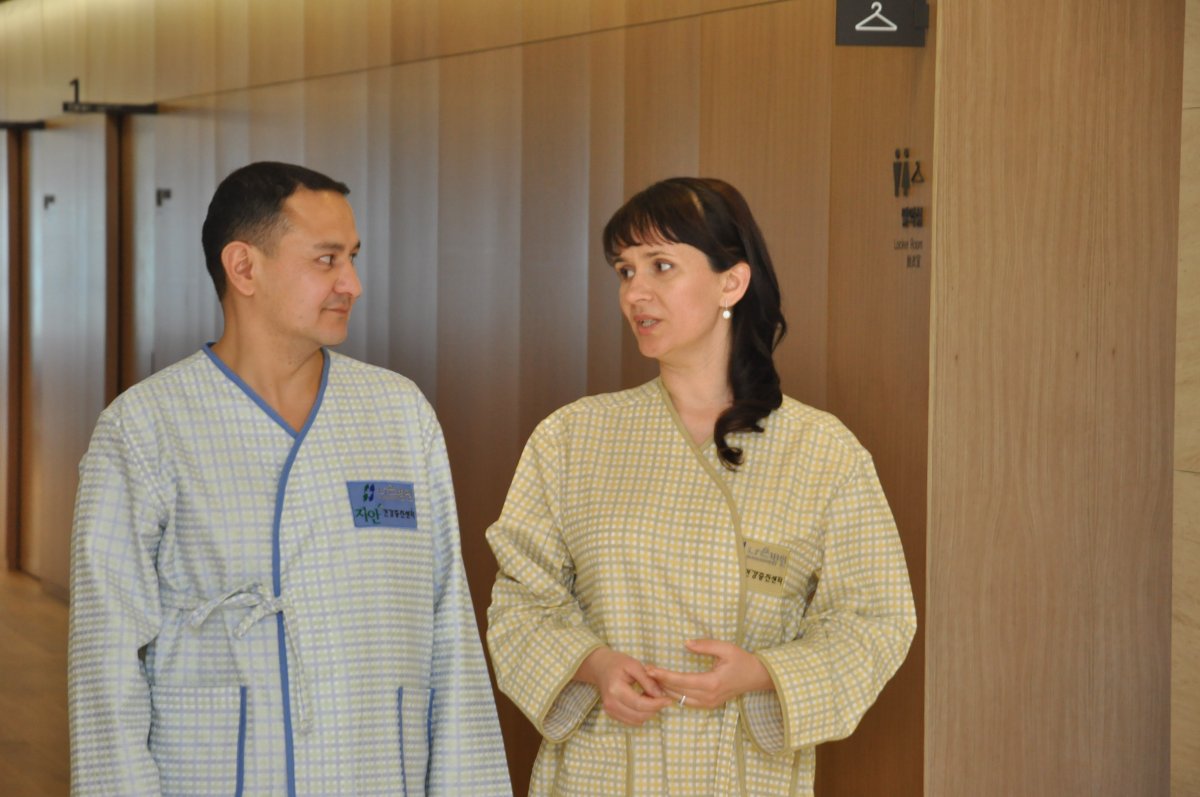




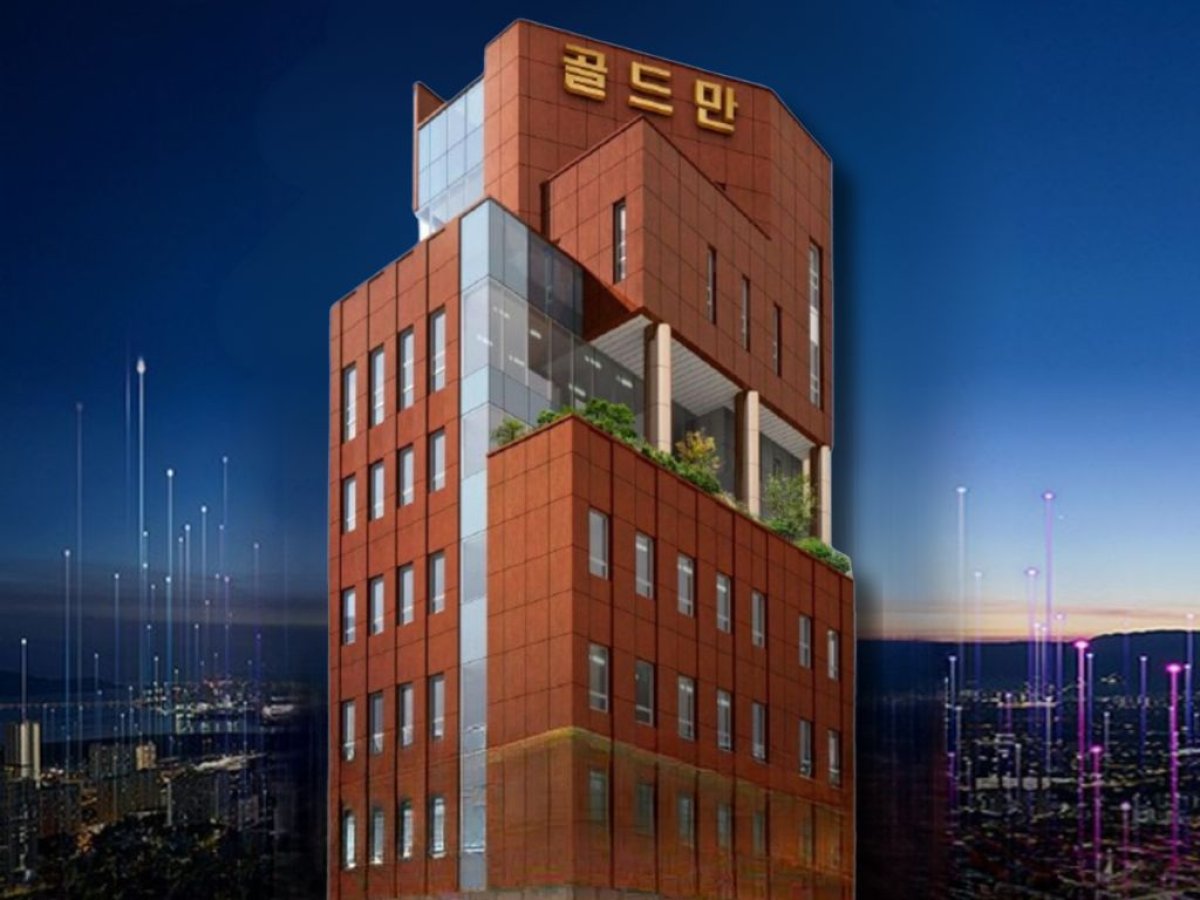
Goldman Urology Clinic Gangnam Branch
Obtenga una evaluación médica para Estenosis uretral en Corea del Sur: consulte con doctores experimentados ahora
Ver todos los médicos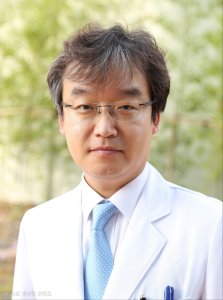
Sohn Dong-wan
El Dr. Son Dong-wan está especializado en oncología urológica, incontinencia urinaria y disfunción sexual. Realiza cirugía prostática con láser. Ofrece tratamiento robótico y laparoscópico para cáncer de próstata, vejiga, uréter y riñón. También trata la obstrucción de la unión pieloureteral.
Su práctica mínimamente invasiva incluye nefrectomía y prostatectomía laparoscópicas. Realiza resección transuretral de tumor vesical y resección transuretral de próstata por cistoscopia. Ofrece u

Lee Chunyong
El Dr. Lee Chunyong es urólogo y doctor en Medicina por la Facultad de Medicina de la Universidad de Hanyang. Su enfoque clínico incluye cálculos renales y urinarios (LEOC), enfermedades prostáticas (HPB, cáncer de próstata, prostatitis), disfunción sexual, vasectomía, cistitis, incontinencia urinaria y trastornos miccionales.
Ha sido director del Hospital de la Universidad de Hanyang. Fue jefe del Departamento de Urología y profesor titular de la Facultad de Medicina de la Universidad

Jang Hyunkyung
Dra. Jang Hyun Kyung es uróloga especialista certificada. Completó la residencia y una beca clínica en el Gachon University Gil Medical Center. Posteriormente se desempeñó como profesora asistente clínica de Urología en el Korea University Ansan Hospital y en el International St. Mary’s Hospital.
Sus intereses clínicos incluyen la hiperplasia prostática benigna, la urolitiasis, la incontinencia urinaria y la disfunción miccional, así como las infecciones del tracto urinario. También se
Compartir contenido
Historias en video de pacientes de Bookimed
 Olena Sikoza
Preguntas frecuentes sobre el tratamiento de Estenosis uretral en Corea del Sur
¿Cuáles son los tratamientos principales para la estenosis uretral en Corea?
Los centros de urología coreanos tratan la estenosis uretral mediante dilatación endoscópica y uretroplastia avanzada. Las opciones principales incluyen la dilatación con balón liberador de fármacos y los injertos de mucosa bucal. Los especialistas en Seúl y Cheonan priorizan la cirugía reconstructiva personalizada. Estas técnicas ofrecen un alto éxito a largo plazo para casos complejos o recurrentes.
- Éxito de la uretroplastia: El estándar de oro para segmentos recurrentes o largos. Proporciona resultados definitivos.
- Dilatación mínimamente invasiva: Utiliza balones especiales recubiertos con fármacos para dilatar eficazmente los segmentos estrechos.
- Uretrotomía endoscópica: Proporciona alivio inmediato para estenosis cortas mediante el corte interno de la cicatriz.
- Opciones regenerativas: Algunas clínicas especializadas utilizan terapia de células madre arteriales para apoyar la curación.
Perspectiva de expertos de Bookimed: Corea se encuentra entre los 10 principales destinos mundiales para atención compleja. Clínicas como RE:YOUTH ilustran una tendencia única: limitan la admisión diaria a solo 2 pacientes. Esto garantiza una precisión quirúrgica enfocada para reconstrucciones uretrales delicadas. Tal atención personalizada es vital para el éxito en enfermedades urológicas raras o crónicas.
Consenso de los pacientes:
¿Cuál es la tasa de éxito de la uretroplastia reconstructiva en los centros coreanos?
Los centros coreanos reportan una tasa de éxito del 97,8% para la uretroplastia reconstructiva bulbar. El éxito cae al 89,7% para las reparaciones peneanas y al 74,1% para los casos posteriores complejos. Las técnicas de anastomosis primaria demuestran una durabilidad del 96,8%. Estos resultados a menudo superan los promedios globales en instituciones académicas especializadas.
- Uretroplastia bulbar: Reporta una tasa de éxito del 97,8% para estenosis de segmento corto.
- Uretroplastia peneana: Logra una durabilidad del 89,7% utilizando técnicas de sustitución o injerto de tejido.
- Anastomosis primaria: Ofrece una tasa de éxito del 96,8% mediante la eliminación del tejido cicatricial.
- Reparaciones por sustitución: Mantiene una permeabilidad a largo plazo del 83,3% para estenosis más largas o complejas.
Perspectiva del experto de Bookimed: El éxito en Corea del Sur está fuertemente impulsado por la curva de aprendizaje del cirujano. Los datos muestran que los centros alcanzan un 80% de éxito después de solo 9 casos bulbares. Las reparaciones posteriores complejas requieren más repetición para dominarse. Los pacientes deben priorizar las clínicas de alto volumen con acreditación KOIHA para mayor seguridad. Esta certificación garantiza que las instalaciones cumplan con estrictos protocolos quirúrgicos internacionales.
Consenso de
¿Está disponible la uretroplastia con injerto de mucosa bucal en Corea?
La uretroplastia con injerto de mucosa bucal (IMB) está disponible y se realiza ampliamente en la República de Corea. Los departamentos de urología especializados en centros académicos de tercer nivel utilizan esta técnica para estenosis uretrales complejas. Los procedimientos incluyen injertos en una etapa y tubulares para reparaciones de segmentos largos. Estas cirugías utilizan tejido de la parte interna de la mejilla.
- Disponibilidad del procedimiento: Los hospitales académicos coreanos ofrecen uretroplastia con injerto de mucosa bucal en una sola etapa.
- Técnicas especializadas: Los cirujanos aplican injertos tubulares para estenosis uretrales complejas y de segmento largo.
- Acreditación de instalaciones: Los centros acreditados por KOIHA garantizan estándares internacionales de seguridad para la cirugía reconstructiva.
- Tipo de atención: Las principales instituciones terciarias brindan urología reconstructiva especializada en lugar de clínicas generales.
Perspectiva de expertos de Bookimed: Aunque Corea cuenta con 76 clínicas y 1000 pacientes anuales en los mejores centros, la urología reconstructiva es un nicho. Los centros estándar a menudo se centran primero en la dilatación endoscópica. Los expertos en reconstrucción suelen residir en grandes hospitales universitarios en ciudades como Seúl o Cheonan. Verifique siempre si el ciruja
¿Qué síntomas sugieren que puedo necesitar tratamiento para una estenosis uretral?
Los síntomas de la estenosis uretral implican principalmente obstrucción urinaria y problemas de presión en la vejiga. Los signos comunes incluyen un chorro de orina débil, esfuerzo para vaciar la vejiga y dificultad para comenzar a orinar. Es necesaria una evaluación médica temprana en la República de Corea para prevenir cálculos en la vejiga o daño renal.
- Flujo urinario: El chorro parece delgado, lento o significativamente menos potente de lo normal.
- Patrones del chorro: La orina puede salpicar, dividirse o desviarse en direcciones impredecibles.
- Vaciado de la vejiga: Persiste una sensación constante de plenitud incluso después de terminar de orinar.
- Signos de urgencia: La mayor frecuencia o la micción nocturna ocurren a medida que la vejiga falla.
- Indicadores de emergencia: La incapacidad repentina y completa para orinar requiere atención inmediata.
Opinión del experto de Bookimed: La República de Corea mantiene un top 10 mundial en solicitudes médicas. Centros especializados como RE:YOUTH (YONSEI BH Arterial Stemcell Clinic) se centran en enfoques regenerativos. Estas clínicas a menudo limitan la admisión diaria a 2 pacientes para garantizar una atención clínica de alta intensidad.
Consenso de los pacientes: Los pacientes señalan que el goteo prolongado después de orinar suelen ser l
¿Cómo se diagnostican las estenosis uretrales en las clínicas coreanas?
Las clínicas coreanas diagnostican las estenosis uretrales utilizando imágenes de alta definición y visualización directa para mapear el estrechamiento. Los protocolos estándar incluyen uroflujometría y uretrografía retrógrada en centros acreditados por KOIHA. Los especialistas utilizan la cistoscopia flexible para una confirmación precisa. Estas pruebas determinan la longitud y la ubicación de la estenosis para una planificación quirúrgica eficaz.
- Uroflujometría: Esta prueba no invasiva mide la velocidad y la fuerza del flujo urinario.
- Uretrografía retrógrada: El tinte de contraste y los rayos X mapean la ubicación exacta del estrechamiento.
- Cistoscopia flexible: Una cámara delgada proporciona visualización directa del interior de la uretra.
- Residuo postmiccional: La ecografía mide la orina restante para evaluar la eficiencia del vaciado de la vejiga.
Perspectiva del experto de Bookimed: Corea del Sur ocupa los 10 primeros lugares a nivel mundial en eficiencia de infraestructura médica. Clínicas como RE:YOUTH priorizan la atención personalizada limitando la admisión diaria de pacientes. Esto permite a los urólogos realizar paquetes de diagnóstico integrales en una sola visita. La programación eficiente reduce el tiempo desde el cribado inicial hasta la planificación quirúrgica.
Consenso de los pacientes: Los pac
¿Qué debo esperar durante la recuperación después de una uretroplastia en Corea?
La recuperación después de una uretroplastia en Corea implica una estancia hospitalaria de 1 a 3 días. Los pacientes suelen utilizar un catéter urinario durante 10 a 20 días. La recuperación completa suele tardar 6 semanas. Las altas tasas de éxito son comunes debido a los centros de urología especializados acreditados por KOIHA.
- Duración del catéter: Espere que el tubo permanezca entre 1 y 4 semanas.
- Límites de actividad: Evite levantar objetos pesados y hacer ejercicio extenuante durante al menos 2 semanas.
- Necesidades dietéticas: Se requiere dieta blanda si se utilizó un injerto bucal.
- Pruebas de seguimiento: Imágenes como una uretrografía retrógrada (RUG) confirman la curación antes de retirar el catéter.
Opinión de expertos de Bookimed: Las clínicas coreanas priorizan la seguridad y la atención al paciente limitando la admisión diaria de pacientes. Por ejemplo, RE:YOUTH solo acepta 2 pacientes diarios para una atención enfocada. Este enfoque boutique garantiza que los cirujanos monitoreen los signos tempranos de recuperación más de cerca que en entornos de alto volumen.
Consenso de los pacientes: Los pacientes notan que controlar los espasmos de la vejiga y la incomodidad del catéter es más desafiante que el dolor quirúrgico en sí. La mayoría sugiere prepararse para un gran alivio emocional durante el primer