Estenosis uretral Tratamiento en Israel — Costos 2026


Revisado médicamente por
Fahad Mawlood
¿Cuál es el precio del diagnóstico y los tratamientos de Estenosis uretral en Israel? Descubra ahora
| Israel | España | Turquía | |
|---|---|---|---|
| Uretrotomía interna con visión directa (DVIU/UIVD) | ≈ $3,200 | de $6,200 | ≈ $1,100 |
| Uretroplastia | ≈ $9,500 | de $2,800 | de $5,000 |
| Dilatación uretral con balón recubierto de fármaco | ≈ $4,200 | ≈ $3,600 | ≈ $2,300 |
Sus beneficios y garantías con Bookimed
Precios directos
Bookimed no añade cargos extra a los precios de los tratamientos de Estenosis uretral. Las tarifas proceden de las listas de precios oficiales de las clínicas. Pagará directamente en la clínica por su tratamiento a su llegada al país.
Sólo clínicas y médicos verificados
Bookimed está comprometido con su seguridad. Solo trabajamos con las clínicas que mantienen altos estándares internacionales en el tratamiento de Estenosis uretral y cuentan con las licencias necesarias para atender a pacientes internacionales en todo el mundo.
Asistencia 24/7 gratuita
Bookimed ofrece asistencia experta gratuita. Un coordinador médico personal le apoya antes, durante y después de su tratamiento, resolviendo cualquier problema. Nunca estará solo en su viaje médico de tratamiento de Estenosis uretral.

Su coordinador médico personal de Bookimed
- Le apoya en cada etapa
- Ayuda a elegir la clínica y el médico adecuados
- Asegura un acceso rápido y conveniente a la información
Descubra las mejores clínicas de tratamiento de Estenosis uretral en Israel: 1 opciones verificadas y Precios





Obtenga una evaluación médica para Estenosis uretral en Israel: consulte con doctores experimentados ahora
Ver todos los médicos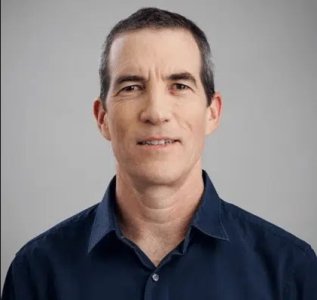
Barak Rosenzweig
El Dr. Barak Rosenzweig, MD, dirige el Servicio de Oncología Urológica del Centro Médico Sheba. Es un cirujano uro-oncológico con casi 20 años de experiencia. Trata cánceres urológicos complejos con métodos robóticos avanzados y mínimamente invasivos. Figura entre los Mejores Médicos de Israel según Forbes.
Su experiencia abarca tumores de próstata, riñón, vejiga, testículo y tracto urinario superior. Realiza prostatectomía radical robótica, nefrectomía parcial con preservación renal y

Yariv Shtabholtz
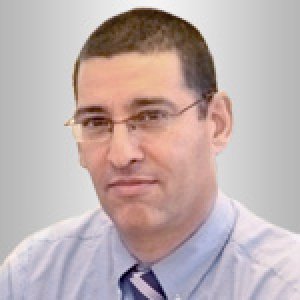
Zohar Dotan
El Dr. Zohar Dotan es jefe del Departamento de Urología del Centro Médico Sheba. Es un destacado urooncólogo y pionero de la cirugía urológica robótica y laparoscópica en Israel.
Ha publicado más de 50 artículos científicos. Es ponente habitual en congresos internacionales. Ha recibido premios de la Asociación Estadounidense de Cirugía Clínica, incluido el reconocimiento por su investigación en el tratamiento del cáncer de próstata.
Liderazgo y credenciales: Presidente de la Soc
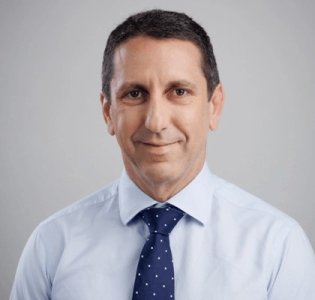
Nir Kleinmann
El Dr. Nir Kleinmann, MD, dirige la Unidad de Endourología y Cálculos Renales del Centro Médico Sheba. Es experto en urología mínimamente invasiva y oncología urológica. Su enfoque se centra en el riñón y el tracto urinario superior. Fue reconocido entre los Mejores Médicos de Israel para 2025–2026 por Forbes y ResultMed.
Es pionero de la cirugía láser con preservación renal. Emplea un sistema de doble láser con neodimio y holmio para tumores complejos. Su experiencia incluye el carcin
Compartir contenido
Historias en video de pacientes de Bookimed
 Olena Sikoza
Preguntas frecuentes sobre el tratamiento de Estenosis uretral en Israel
¿Cuál es el tratamiento estándar de oro para una cura permanente de la estenosis uretral en Israel?
La uretroplastia es el tratamiento estándar de oro para una cura permanente de la estenosis uretral en Israel. Esta cirugía reconstructiva logra tasas de éxito de entre el 85% y el 95%. A diferencia de las dilataciones temporales, la uretroplastia elimina o reconstruye el tejido estrechado mediante injertos. Los centros israelíes utilizan frecuentemente injertos de mucosa bucal.
- Tasas de éxito: Las tasas de curación a largo plazo alcanzan del 85% al 95% en cirugía reconstructiva.
- Reparación definitiva: Los cirujanos eliminan el tejido cicatricial o utilizan injertos para restaurar el diámetro normal.
- Técnicas especializadas: Los expertos utilizan la escisión y la anastomosis primaria para estenosis cortas de menos de 2 cm.
- Centros principales: El Sourasky Medical Center y el Sheba Medical Center albergan unidades urológicas especializadas.
Opinión de expertos de Bookimed: Aunque Israel alberga especialistas de renombre mundial como el Dr. Yariv Shtabholtz y el Prof. Dr. Zohar Dotan, los pacientes deben priorizar las clínicas con un alto volumen anual de casos. El Sourasky Medical Center realiza 34.000 operaciones al año y cuenta con múltiples acreditaciones JCI. Un alto volumen quirúrgico en estos centros multidisciplinarios a menudo se correlaciona con las bajas tasas de fracaso del 5% al 10% reportadas para reconstrucciones complejas.
¿Qué tasas de éxito logran los procedimientos de estenosis uretral en los centros israelíes?
Los centros médicos israelíes reportan tasas de éxito de entre el 85 % y el 90 % para la uretroplastia reconstructiva. Las técnicas anastomóticas tradicionales para estenosis traumáticas alcanzan hasta un 92 % de eficacia. Los métodos endoscópicos mínimamente invasivos, como la uretrotomía, muestran un éxito a largo plazo mucho menor, de alrededor del 48 %. Los centros líderes utilizan protocolos acreditados por la JCI para reconstrucciones complejas.
- Éxito de la uretroplastia: La cirugía reconstructiva logra una eficacia a largo plazo del 85 % al 90 %.
- Reparación anastomótica: Las estenosis pélvicas traumáticas muestran tasas de éxito de hasta el 92 %.
- Límites endoscópicos: El éxito de la uretrotomía interna de visión directa disminuye significativamente tras las recidivas.
- Materiales avanzados: Los cirujanos utilizan injertos de mucosa bucal y matrices de tejido regenerativo.
Perspectiva del experto de Bookimed: Los departamentos de urología israelíes priorizan un liderazgo especializado con una profunda trayectoria investigadora. El Prof. Dr. Zohar Dotan y la Dra. Dorit Zilberman del Centro Médico Sheba integran la experiencia robótica incluso en reconstrucciones oncológicas complejas. Esta profundidad académica garantiza que los pacientes con cirugías previas fallidas reciban intervenciones respaldadas por datos clínicos de gran vol
¿Qué complicaciones pueden surgir si una estenosis uretral no se trata?
Las estenosis uretrales no tratadas causan obstrucción del flujo urinario. Esto conduce a retención urinaria aguda e infecciones graves. El reflujo sucesivo a menudo daña la vejiga y los riñones. La inflamación crónica aumenta los riesgos de disfunción sexual o aberturas anormales. La intervención temprana en centros acreditados por la JCI previene daños orgánicos irreversibles.
- Retención urinaria: Incapacidad repentina y dolorosa para orinar que requiere cateterismo de emergencia.
- Daño orgánico: El reflujo crónico causa hidronefrosis o insuficiencia renal permanente.
- Riesgo de infección: La orina estancada provoca infecciones urinarias recurrentes y prostatitis.
- Disfunción vesical: La presión excesiva conduce al engrosamiento muscular o a bolsas en la pared de la vejiga.
- Cambios tisulares: Los casos avanzados pueden causar fístulas uretrales o curvatura del pene.
Perspectiva del experto de Bookimed: Los departamentos de urología israelíes gestionan volúmenes de pacientes extremadamente altos. El Centro Médico Sourasky por sí solo trata a 1.800.000 pacientes al año. Esta escala masiva permite a especialistas como la Dra. Dorit Zilberman identificar patrones de daño sutiles de manera temprana. Nuestros datos muestran que los médicos del Centro Médico Sheba a menudo utilizan sistemas de doble láser para casos com
¿Qué técnicas de tratamiento primario están disponibles para la estenosis uretral en Israel?
El tratamiento de la estenosis uretral en Israel cuenta con métodos endoscópicos y reconstructivos avanzados. Los especialistas utilizan láseres de holmio para la uretrotomía interna y injertos de mucosa bucal para la uretroplastia compleja. Centros líderes como el Sourasky Medical Center mantienen la acreditación de la Joint Commission International para cirugía urológica y procedimientos reconstructivos.
- Uretrotomía endoscópica: Los cirujanos utilizan bisturíes fríos o láseres para ensanchar los segmentos uretrales estrechados.
- Dilatación visual directa: Catéteres de balón o dilatadores controlados con precisión expanden el conducto urinario.
- Uretroplastia reconstructiva: Los cirujanos eliminan el tejido cicatricial o utilizan injertos de tejido para una reparación a largo plazo.
- Cirugía asistida por robot: Los sistemas de precisión Da Vinci permiten reparaciones complejas en la uretra posterior.
Perspectiva de expertos de Bookimed: Los departamentos de urología israelíes priorizan la reconstrucción especializada sobre la dilatación simple para lograr un éxito a largo plazo. El Sourasky Medical Center, clasificado entre los mejores hospitales del mundo por Newsweek, utiliza a menudo injertos de mucosa bucal. Este enfoque se dirige a casos recurrentes donde los métodos endoscópicos simples pueden no proporcionar resultados duraderos.
¿Es dolorosa la cirugía y qué debo esperar durante la recuperación?
El tratamiento de la estenosis uretral en Israel es indoloro durante el procedimiento gracias a la anestesia general o regional. La recuperación implica una molestia manejable en lugar de un dolor agudo. Los pacientes suelen utilizar un catéter durante 1 a 3 semanas. El éxito depende en gran medida de la técnica quirúrgica y de la experiencia del cirujano.
- Opciones de anestesia: Los cirujanos utilizan anestesia general o espinal para una experiencia quirúrgica sin dolor.
- Recuperación inmediata: Espere una estancia hospitalaria de 1 a 2 días para el seguimiento y el control del dolor.
- Duración del catéter: La mayoría de los pacientes utilizan un catéter temporal para permitir que la uretra sane correctamente.
- Límites de actividad: Restrinja el levantamiento de objetos pesados y el ejercicio extenuante durante al menos 4 a 6 semanas.
Perspectiva de expertos de Bookimed: Aunque los procedimientos endoscópicos menores ofrecen una recuperación inicial más rápida, cirujanos como el Dr. Zohar Dotan en el Sheba Medical Center a menudo utilizan técnicas asistidas por robot para casos complejos. Los datos muestran que los centros de alto volumen que realizan más de 34.000 operaciones al año priorizan las reconstrucciones definitivas sobre las dilataciones repetidas. Este enfoque reduce significativamente la necesidad a largo plazo de futuras inte
¿Podría el tratamiento de la estenosis uretral afectar la función sexual o la fertilidad?
El tratamiento de la estenosis uretral en Israel generalmente preserva la función sexual y la fertilidad. Las tasas de éxito para mantener la salud eréctil superan el 99% a largo plazo. Aunque el 25% de los pacientes experimentan disfunción eréctil temporal, la mayoría se recupera en un plazo de seis meses. Eliminar la obstrucción a menudo mejora la eyaculación y reduce las molestias durante el coito.
- Función eréctil: La disfunción eréctil permanente es rara y ocurre solo en el 1% de los casos quirúrgicos.
- Salud eyaculatoria: Resolver las obstrucciones mejora frecuentemente la emisión de semen y reduce el goteo post-eyaculatorio.
- Restauración de la fertilidad: Una reparación exitosa restaura el flujo normal de semen, lo que potencialmente mejora las posibilidades de concepción natural.
- Tiempo de recuperación: La mayoría de los pacientes retoman su actividad sexual normal en un plazo de 4 a 12 semanas.
Perspectiva del experto de Bookimed: Los centros israelíes como el Sheba Medical Center utilizan cirujanos especializados como la Dra. Dorit Zilberman, quien ayudó a lanzar el programa nacional de urología robótica. Los datos sugieren que elegir enfoques robóticos o mínimamente invasivos en estos centros de alto volumen reduce el riesgo de daño nervioso. Esta precisión técnica es vital para mantener la función sexual en comparación con las
¿Qué hospitales o ciudades en Israel tienen más experiencia en reconstrucción uretral?
Tel Aviv, Jerusalén y Haifa son los principales centros israelíes para la reconstrucción uretral. Instalaciones líderes como el Centro Médico Sourasky y el Centro Médico Sheba se especializan en uretroplastia compleja. Estas instituciones acreditadas por la JCI utilizan equipos multidisciplinarios para tratar lesiones traumáticas, anomalías congénitas y cirugías previas fallidas.
- Experiencia especializada: El Centro Médico Sourasky realiza 34.000 operaciones anuales en 240 departamentos especializados.
- Centros avanzados: El Centro Médico Sheba integra la urología funcional con la cirugía plástica para reparaciones con injertos de tejido.
- Instalaciones en Jerusalén: Los hospitales Hadassah y Shaare Zedek se centran en reparaciones postraumáticas y fracturas pélvicas.
- Referencia en el norte: El Rambam Health Care Campus en Haifa gestiona estenosis complejas y defectos inducidos por traumatismos.
Perspectiva del experto de Bookimed: La urología israelí está definida de forma única por un gran volumen de casos de trauma complejos. Esto ha llevado al desarrollo de unidades altamente especializadas en Sheba y Sourasky. Si bien los hospitales públicos como Sourasky manejan volúmenes masivos, buscar atención a través de redes privadas como Assuta permite un acceso más rápido. Esto es crucial para los pacientes que necesitan cirujanos senior que
¿Por qué Israel es uno de los principales destinos para la neurocirugía?
Israel es un centro líder en neurocirugía gracias a su combinación de avances médicos de alta tecnología y una experiencia quirúrgica de primer nivel. Instalaciones avanzadas como el Centro Médico Sheba utilizan sistemas de navegación basados en IA y resonancia magnética intraoperatoria en tiempo real. Centros especializados reportan una tasa de éxito del 98% en procedimientos complejos, como la craneotomía con el paciente despierto y el tratamiento de trastornos del movimiento.
- Tecnología avanzada: Las clínicas utilizan ultrasonido enfocado guiado por resonancia magnética (MRgFUS) y sistemas robóticos para realizar incisiones.
- Experiencia quirúrgica: Cirujanos como el Dr. Zvi Ram lideran asociaciones internacionales con más de 25 años de experiencia.
- Acceso rápido: Los pacientes internacionales generalmente pueden programar cirugías complejas de cerebro o columna en un plazo de 2 a 4 semanas.
- Atención médica acreditada: Grandes centros como Sourasky (Ichilov) y Assuta están acreditados por la JCI, lo que confirma su seguridad.
Opinión experta de Bookimed: Los datos muestran una clara diferencia entre las opciones de tratamiento públicas y privadas en Israel. Centros privados, como el Centro Médico Assuta, realizan más de 92.000 cirugías al año y permiten a los pacientes elegir a un cirujano líder específico. Esto supone una ventaja signi
¿Qué tipos de enfermedades neuroquirúrgicas se tratan en Israel?
Los neurocirujanos israelíes tratan una amplia gama de afecciones, desde tumores cerebrales y de médula espinal hasta trastornos funcionales complejos. Los centros especializados utilizan tecnologías de vanguardia, como el bisturí de rayos gamma, la estimulación cerebral profunda y la resonancia magnética intraoperatoria, para un diagnóstico altamente preciso de la epilepsia, la enfermedad de Parkinson y las patologías cerebrovasculares.
- Enfermedades oncológicas: tratamiento de gliomas, meningiomas y tumores hipofisarios mediante resección de la base del cráneo.
- Trastornos funcionales: tratamiento de la enfermedad de Parkinson y del temblor esencial mediante estimulación cerebral profunda.
- Patologías de columna: corrección de escoliosis, hernias discales y tumores espinales mediante sistemas robóticos.
- Tratamiento de las enfermedades cerebrovasculares: tratamiento quirúrgico de aneurismas cerebrales y malformaciones arteriovenosas mediante intervenciones endovasculares.
- Neurocirugía pediátrica: atención especializada en hidrocefalia y anomalías congénitas en centros pediátricos especializados.
Opinión experta de Bookimed: Los hospitales israelíes suelen combinar diversas especialidades para abordar casos complejos. En el Centro Médico Sourasky, neurocirujanos como el Dr. Zvi Lidar combinan neurocirugía y ortopedi
¿Qué hospitales en Israel son más conocidos por sus departamentos de neurocirugía?
Israel alberga centros neuroquirúrgicos de renombre mundial, como el Centro Médico Sourasky, el Centro Médico Sheba y el Centro Médico Hadassah. Estas instituciones son líderes mundiales en el tratamiento de tumores cerebrales complejos, enfermedades de la columna vertebral y trastornos del movimiento. Utilizan tecnologías de vanguardia como el bisturí de rayos gamma, sistemas robóticos y resonancia magnética intraoperatoria.
- Suraski (Ichilov): realiza más de 2.500 operaciones neuroquirúrgicas al año en Tel Aviv con una tasa de éxito del 98%.
- Centro Médico Sheba: clasificado entre los diez mejores hospitales del mundo, trata a 1,9 millones de pacientes al año.
- Centro Médico Hadassah: Nominado al Premio Nobel de la Paz. Líder en neurocirugía pediátrica y terapia génica.
- Centro Médico Assuta: el centro médico privado más grande de Israel. Especializado en cirugías mínimamente invasivas de columna y cerebro.
- Hospital Infantil Schneider: un centro líder en neurocirugía pediátrica que trata a 275.000 niños al año.
Opinión experta de Bookimed: Nuestros datos muestran que, si bien la mayoría de los pacientes buscan tratamiento en Tel Aviv, el Centro Médico Rambam en Haifa ofrece una atención única para neurotraumatismos. Cuenta con una unidad especializada en cuidados neurocríticos que atiende a aproximadamente un milló