Estenosis uretral en Polonia: las 7 mejores clínicas para su tratamiento


Revisado médicamente por
Fahad Mawlood
Cómo funciona
¿Cuál es el precio del diagnóstico y los tratamientos de Estenosis uretral en Polonia? Descubra ahora
| Polonia | España | Turquía | |
|---|---|---|---|
| Uretrotomía interna con visión directa (DVIU/UIVD) | ≈ $1,100 | de $6,200 | ≈ $1,100 |
| Uretroplastia | ≈ $3,200 | de $2,800 | de $5,000 |
| Dilatación uretral con balón recubierto de fármaco | ≈ $1,900 | ≈ $3,600 | de $8,200 |
Descubra las mejores clínicas de tratamiento de Estenosis uretral en Polonia: 7 opciones verificadas y Precios



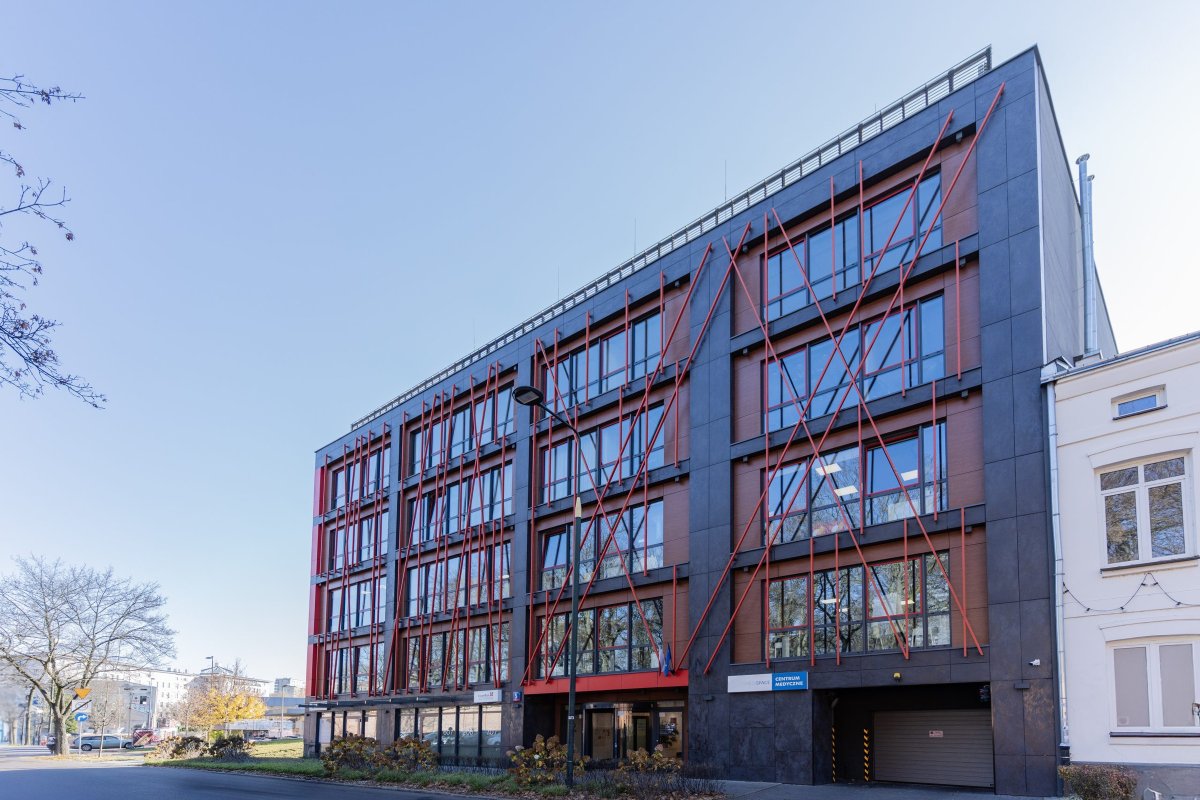
MediSpace (Centrum Medyczne MediSpace)

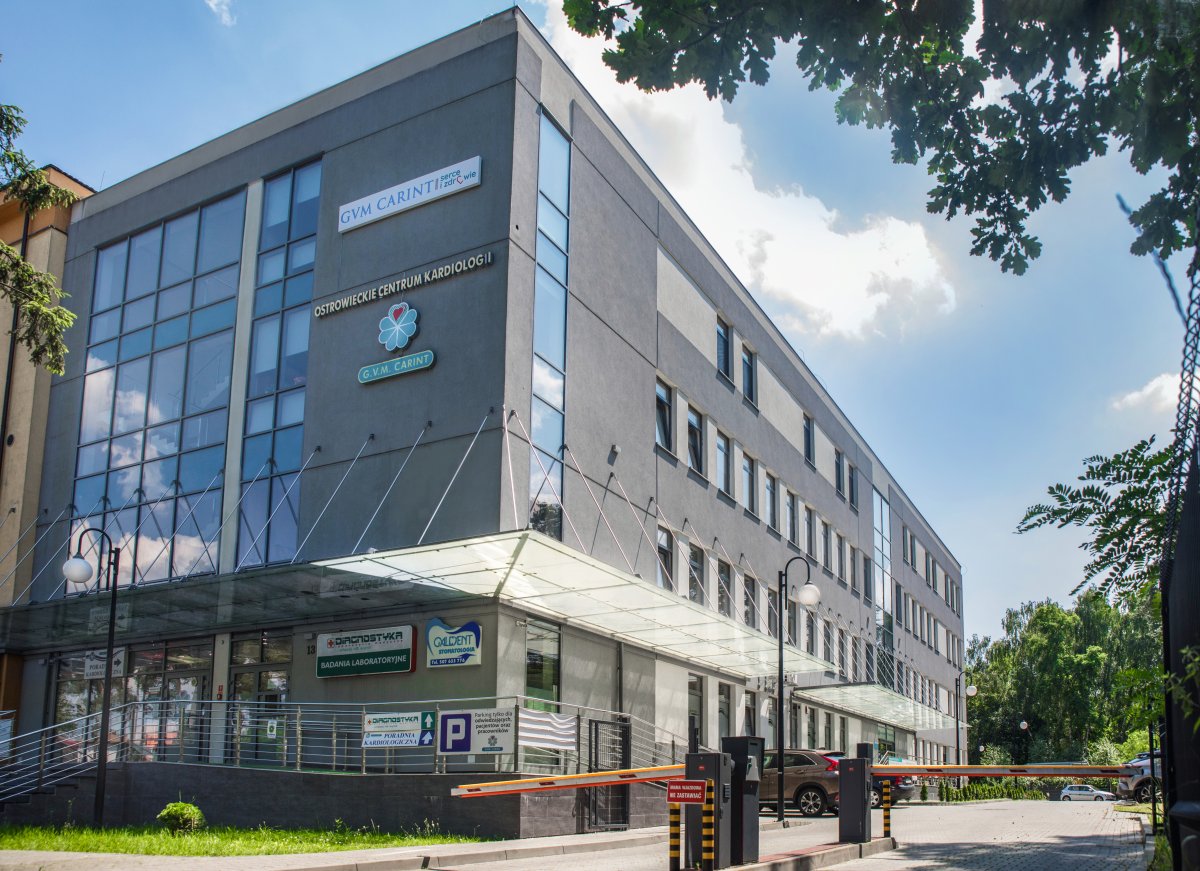





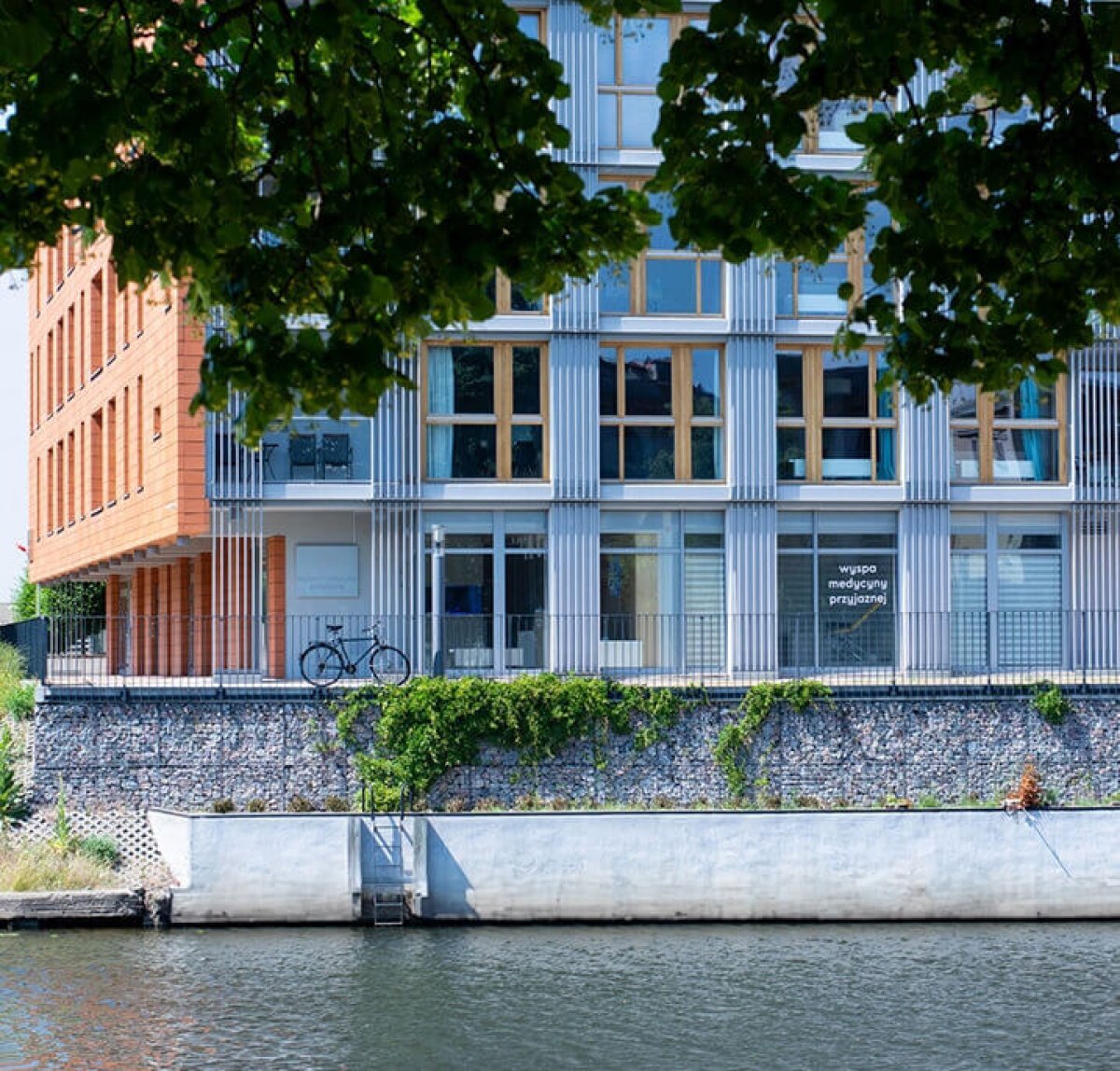
Wyspa Medycyny Przyjaznej Clinic

Rmed Kopernika
Obtenga una evaluación médica de tratamiento de Estenosis uretral en Polonia: haga una consulta con 8 médicos experimentados ahora
Ver todos los médicos
Artur Antoniewicz
El Dr. Artur A. Antoniewicz, MD, PhD, es urólogo con más de 20 años de experiencia. Ha dirigido el Servicio de Urología del Hospital Especializado Międzyleski de Varsovia durante 7 años. Está vinculado al hospital desde hace más de 20 años. Desde 2018 realiza procedimientos asistidos por robot en el Centro de Tratamiento del Cáncer de Próstata.
Se graduó en la Primera Facultad de Medicina de la Universidad Médica de Varsovia. Es especialista en urología y en cirugía general (1992). Ha

Tomasz Gede
Especialista en urología mínimamente invasiva: el Dr. Tomasz Gede realiza procedimientos de precisión en la Clínica KCM con un enfoque centrado en el cuidado del paciente.
- Con experiencia en cirugías endoscópicas y láser para afecciones urológicas
- Conocido por su diagnóstico preciso y tratamiento eficaz en casos complejos
- Muy valorado por los pacientes por su amabilidad y trato individualizado
- Realiza una amplia gama de procedimientos urológicos con técnicas avanzadas
Jakub Szaniawski

Maciej Zbrzezniak
El Dr. Maciej Zbrzezniak es urólogo con certificación FEBU (2000). Obtuvo el doctorado en ciencias médicas en enero de 2004. Su tesis se tituló «Utilidad de los estudios urodinámicos para seleccionar a pacientes con hiperplasia prostática benigna (HPB) para tratamiento quirúrgico», dirigida por el Prof. Andrzej Borówka. Se graduó en la Academia Médica de Varsovia (1986–1993).
Su enfoque clínico incluye el manejo de litiasis renal y ureteral (PCNL, RIRS, URSL) y el diagnóstico urodinámi
Compartir contenido
Historias en video de pacientes de Bookimed
 Olena Sikoza
Preguntas frecuentes sobre el tratamiento de Estenosis uretral en Polonia
¿Cuáles son los síntomas principales de una estenosis uretral?
Los síntomas de la estenosis uretral resultan del tejido cicatricial que estrecha el conducto urinario y restringe el flujo. Los signos principales incluyen un chorro de orina débil, esfuerzo para orinar y un flujo disperso. La detección temprana en centros urológicos especializados garantiza un manejo eficaz mediante procedimientos avanzados como la uretroplastia o la dilatación con balón.
- Cambios en el flujo: Los pacientes notan un chorro débil o delgado en comparación con el flujo normal.
- Vaciado de la vejiga: Persiste una sensación constante de plenitud incluso después de intentar orinar completamente.
- Patrones de micción: Aumento de la frecuencia y necesidad de orinar varias veces durante la noche.
- Molestias físicas: Dolor o ardor al orinar y presencia ocasional de sangre en la orina.
Perspectiva del experto de Bookimed: Aunque muchos asumen que las obstrucciones graves siempre causan dolor, la mayoría de las estenosis uretrales son sorprendentemente indoloras. En el Hospital Carolina de Varsovia, especialistas como el Dr. Daniel Leszczynski se centran en el diagnóstico funcional porque un estrechamiento significativo a menudo se esconde detrás de síntomas que se confunden fácilmente con problemas de próstata. Con más de 950 solicitudes atendidas en Polonia, vemos que los pacientes que buscan ayuda específicamente por el goteo post
¿Qué métodos de tratamiento están disponibles para las estenosis uretrales en Polonia?
Los centros de urología polacos ofrecen un espectro completo de tratamientos para las estenosis uretrales, que van desde la cirugía láser endoscópica hasta la reconstrucción compleja. Clínicas especializadas como el Carolina Hospital y la KCM Clinic ofrecen uretroplastia de estándar de oro utilizando injertos de mucosa bucal y terapias avanzadas con balones recubiertos de fármacos.
- Uretrotomía endoscópica: Los cirujanos de la KCM Clinic utilizan láseres de holmio para abrir con precisión los segmentos uretrales bloqueados.
- Balones recubiertos de fármacos: Las instalaciones modernas utilizan el sistema Optilume para administrar medicamentos que previenen la recurrencia de cicatrices.
- Uretroplastia reconstructiva: Los especialistas del Carolina Hospital realizan cirugía abierta para estenosis tisulares largas o recurrentes.
- Injerto de tejido: Los urólogos suelen utilizar trasplantes de revestimiento interno de la mejilla para una reconstrucción uretral duradera a largo plazo.
Perspectiva del experto de Bookimed: Aunque muchas clínicas generales ofrecen dilatación básica, los datos sobre el volumen de pacientes sugieren una preferencia por centros con departamentos de urología especializados. El Dr. Tomasz Gede en la KCM Clinic y el equipo del Carolina Hospital son reconocidos por manejar reconstrucciones complejas. Elegir centros que trat
¿Cómo diagnostican con precisión los urólogos polacos una estenosis uretral?
Los urólogos polacos diagnostican las estenosis uretrales utilizando las directrices de la Asociación Europea de Urología. Combinan la uroflujometría no invasiva con imágenes de referencia como la uretrografía retrógrada. Especialistas como el Dr. Marek Filipek en el Hospital Carolina realizan evaluaciones avanzadas. Un mapeo preciso garantiza una planificación quirúrgica eficaz para los procedimientos reconstructivos.
- Cribado funcional: La uroflujometría mide las tasas de flujo urinario para identificar la gravedad de la obstrucción.
- Visualización directa: La cistoscopia bajo anestesia permite a los médicos ver directamente el estrechamiento.
- Imágenes con contraste: La uretrografía retrógrada (RUG) mapea la posición de la estenosis en la uretra anterior.
- Evaluación de tejidos: La sonouretrografía evalúa la profundidad del tejido cicatricial para guiar una uretroplastia exitosa.
Perspectiva del experto de Bookimed: Nuestra investigación revela que los mejores médicos polacos, como el Dr. Maciej Zbrzezniak, integran los estudios urodinámicos directamente en la fase de diagnóstico. Esto es vital porque muchos pacientes a menudo son diagnosticados erróneamente con problemas de próstata. Nuestros médicos expertos utilizan estos estudios específicos de presión-flujo para distinguir entre estenosis genuinas y disfunción del músculo vesical.
¿Cuándo se recomienda una uretroplastia reconstructiva abierta frente a una dilatación simple?
La uretroplastia reconstructiva abierta se recomienda para estenosis uretrales de más de 2 centímetros o aquellas que reaparecen después de intentos endoscópicos previos. Los especialistas priorizan esta cirugía definitiva para estrechamientos causados por traumatismos pélvicos o radiación. Ofrece una tasa de éxito a largo plazo del 95% en comparación con la dilatación simple.
- Longitud de la estenosis: Recomendada cuando el estrechamiento supera los 2 centímetros para asegurar una reparación duradera.
- Patrón de recurrencia: Aconsejable si los síntomas regresan rápidamente después de la primera o segunda dilatación simple.
- Calidad del tejido: Necesaria para cicatrices densas, fracturas pélvicas o daños inducidos por radiación.
- Resultados duraderos: Proporciona tasas de éxito a largo plazo de entre el 80% y el 95% por paciente.
Perspectiva del experto de Bookimed: Polonia se ha convertido en un centro estratégico para la urología reconstructiva con más de 80 clínicas disponibles. Especialistas como el Dr. Daniel Leszczynski en el Hospital Carolina se centran en métodos de preservación de tejidos, incluidas técnicas láser. Aunque muchos pacientes consideran la dilatación por su recuperación de 1 día, los datos muestran que los centros especializados en Varsovia y Jelenia Góra a menudo combinan la reconstrucción endoscópica para evitar el c
¿Están los urólogos polacos debidamente cualificados?
Los urólogos polacos están altamente cualificados y cumplen con las estrictas normas médicas de la Unión Europea. La mayoría de los especialistas poseen la certificación de Fellow of the European Board of Urology (FEBU). La formación requiere de 11 a 12 años de estudios. Esto incluye una residencia de 5 años centrada en urología quirúrgica y clínica.
- Trayectoria educativa: Requiere un título de medicina de 6 años seguido de una pasantía de 13 meses.
- Certificación de la UE: La mayoría de los especialistas están certificados por la FEBU y son reconocidos en toda Europa.
- Habilidades avanzadas: Cirujanos como el Dr. Marek Filipek se especializan en técnicas innovadoras.
- Experiencia procedimental: El Dr. Stefan Czarniecki ha realizado más de 2.500 procedimientos urológicos especializados.
Perspectiva de expertos de Bookimed: Polonia atiende a casi 1.000 pacientes internacionales de urología anualmente a través de Bookimed. Los datos muestran una concentración de experiencia de primer nivel en Varsovia. Por ejemplo, el Hospital Carolina sirve como Centro Médico de Excelencia de la FIFA. Esto sugiere que los centros urológicos polacos mantienen un estándar técnico más alto que muchos hospitales regionales generales.
Consenso de los pacientes: Los pacientes señalan que para problemas complejos como las estenosis uretrale
¿Qué injertos de tejido se prefieren para la reconstrucción uretral compleja en las clínicas polacas?
Los centros urológicos polacos prefieren los injertos de mucosa bucal extraídos de la parte interna de la mejilla para la reconstrucción uretral compleja. Este tejido es el estándar de oro porque resiste las infecciones y tolera los entornos húmedos. Los especialistas también utilizan mucosa lingual o labial para estenosis más largas. Evitan los injertos de piel para prevenir el crecimiento de vello intrauretral.
- Injerto de tejido primario: La mucosa bucal de la parte interna de la mejilla garantiza un alto éxito y una retracción mínima del injerto.
- Injertos orales alternativos: El tejido lingual o labial proporciona material adicional para estenosis multisegmentarias o recurrentes.
- Técnica de injerto en malla: Los equipos avanzados aplican injertos en malla para casos que involucran fibrosis o cicatrización local severa.
- Reconstrucción por etapas: Los cirujanos realizan procedimientos en dos etapas para estrechamientos panuretrales complejos para asegurar una cicatrización adecuada.
Perspectiva de expertos de Bookimed: Los datos muestran que Polonia alberga 87 clínicas con urólogos como el Dr. Daniel Leszczynski, miembro del European Board of Urology. Centros como KCM Clinic y Carolina Hospital ofrecen paquetes internacionales especializados. Estos a menudo concentran la experiencia en Varsovia y Jelenia Góra, lo que facilita encontrar
¿Cuál es el tiempo típico de recuperación después de una cirugía de estenosis?
La recuperación típica después de una cirugía de estenosis oscila entre 1 y 6 semanas. Los procedimientos endoscópicos como la uretrotomía interna a menudo permiten volver a realizar actividades ligeras en un plazo de 5 días. La uretroplastia compleja requiere más tiempo. Las actividades físicas y las funciones sexuales generalmente se reanudan después de 6 semanas de curación.
- Recuperación endoscópica: Los pacientes suelen regresar a casa el mismo día. Los catéteres permanecen durante 3 a 7 días.
- Plazo de la uretroplastia: La curación completa requiere de 3 a 6 semanas. La mayoría de los pacientes retoman el trabajo de oficina en 2 semanas.
- Restricciones de actividad: Evite el ciclismo y levantar objetos pesados durante 6 semanas. Esto evita la tensión en los tejidos internos.
- Cuidado de heridas: Los injertos de mucosa bucal en la boca suelen sanar en un plazo de 2 a 3 semanas.
Perspectiva del experto de Bookimed: Polonia ofrece una alta densidad de especialistas con certificaciones europeas como el Fellow of the European Board of Urology (FEBU). Los médicos del Carolina Hospital y la KCM Clinic se centran en técnicas mínimamente invasivas para reducir las estancias hospitalarias. Nuestros datos muestran que estas clínicas priorizan el alta rápida. La mayoría de los pacientes endoscópicos se van en 24 horas. Los pacientes con reconstru
¿Qué tan alta es la calidad de la neurocirugía en Polonia?
La neurocirugía en Polonia ofrece atención de alta calidad en centros con certificación JCI e ISO. Los neurocirujanos polacos se adhieren a estrictos estándares de formación adoptados por la Unión Europea. Muchos han completado becas en Estados Unidos o Alemania. Tecnologías avanzadas, como CyberKnife, Gamma Knife y sistemas robóticos, están ampliamente disponibles en centros privados.
- Cualificaciones especializadas: Los médicos suelen ser miembros de la Asociación Europea de Sociedades de Neurocirugía.
- Tecnologías avanzadas: Las clínicas utilizan sistemas CyberKnife y ultrasonido enfocado guiado por resonancia magnética para el tratamiento cerebral no invasivo.
- Volumen clínico: Centros líderes como el Hospital Universitario de Cracovia tratan a más de 455.000 pacientes al año.
- Cirujanos experimentados: El Dr. Maciej Bujko del Hospital Carolina ha realizado más de 2.500 cirugías por su cuenta.
Opinión experta de Bookimed: Los datos muestran una fuerte correlación entre la especialización de una clínica y el origen de sus pacientes. La Clínica KCM atiende a más de 700 pacientes internacionales al año. Se especializa en cirugía de columna mínimamente invasiva. Este volumen de trabajo le permite ofrecer paquetes de servicios especializados, que a menudo incluyen bloques de diagnóstico e implantes específicos, como el DIAM de Medtronic.
¿Cuáles son las cualificaciones de los neurocirujanos polacos?
Los neurocirujanos polacos son especialistas altamente cualificados que han completado al menos 13 años de rigurosa formación médica. Esto incluye seis años de estudios de medicina, 13 meses de prácticas y seis años de residencia. Deben aprobar el Examen Estatal de Especialización (PES) y suelen estar certificados por la Asociación Europea de Sociedades de Neurocirugía (EANS).
- Educación: Los médicos reciben educación médica (medicina) después de 6 años de estudio en la universidad.
- Especialización: La residencia incluye 6 años de formación modular en neurocirugía clínica y neurorradiología.
- Volumen quirúrgico: Los residentes a menudo realizan más de 1.000 cirugías, lo que excede el volumen de capacitación promedio en otras regiones.
- Certificados: Muchos especialistas son miembros de AO Spine o de la Sociedad Polaca de Cirugía de Columna.
Opinión experta de Bookimed: Los datos muestran que los neurocirujanos polacos suelen especializarse en tecnologías altamente especializadas, como el sistema ApiFix o el sistema de endoscopia lumbar SED-YESS. Especialistas como el Dr. Stanisław Kwek, de la Clínica KCM, combinan la investigación postdoctoral con una práctica quirúrgica activa. Esta combinación de profundos conocimientos académicos y un alto volumen quirúrgico los hace especialmente eficaces en cirugías de columna complejas y mínimamente in
¿Cuáles son las mejores clínicas neuroquirúrgicas en Polonia?
Entre las mejores clínicas neuroquirúrgicas de Polonia se encuentran el Hospital Carolina, la Clínica KCM y centros académicos de primer nivel como el Hospital Universitario de Cracovia. Estas instituciones ofrecen tratamientos de vanguardia para enfermedades de la columna vertebral y el cerebro que cumplen con los estándares de calidad ISO y emplean a especialistas miembros de organizaciones internacionales como AO Spine.
- Hospital Carolina: Centro Médico de Excelencia FIFA, especializado en cirugías de columna complejas y mínimamente invasivas.
- Clínica KCM: Reconocida internacionalmente por la calidad de sus procedimientos endoscópicos de columna, atendiendo a más de 700 pacientes internacionales anualmente.
- Hospital Universitario de Cracovia: un gran centro multidisciplinario que realiza más de 800 operaciones neuroquirúrgicas al año desde 1788.
- Luxmed: un reconocido centro médico privado en Varsovia especializado en cirugía de columna avanzada para pacientes internacionales.
Opinión experta de Bookimed: Si bien muchos buscan los hospitales más grandes, los datos muestran que clínicas como el Hospital Carolina ofrecen mayor eficiencia para cirugías electivas. Con más de 40 médicos especialistas en este centro de 30 camas, la proporción médico-paciente es significativamente mayor que en los centros universitarios públicos. Esto se traduc