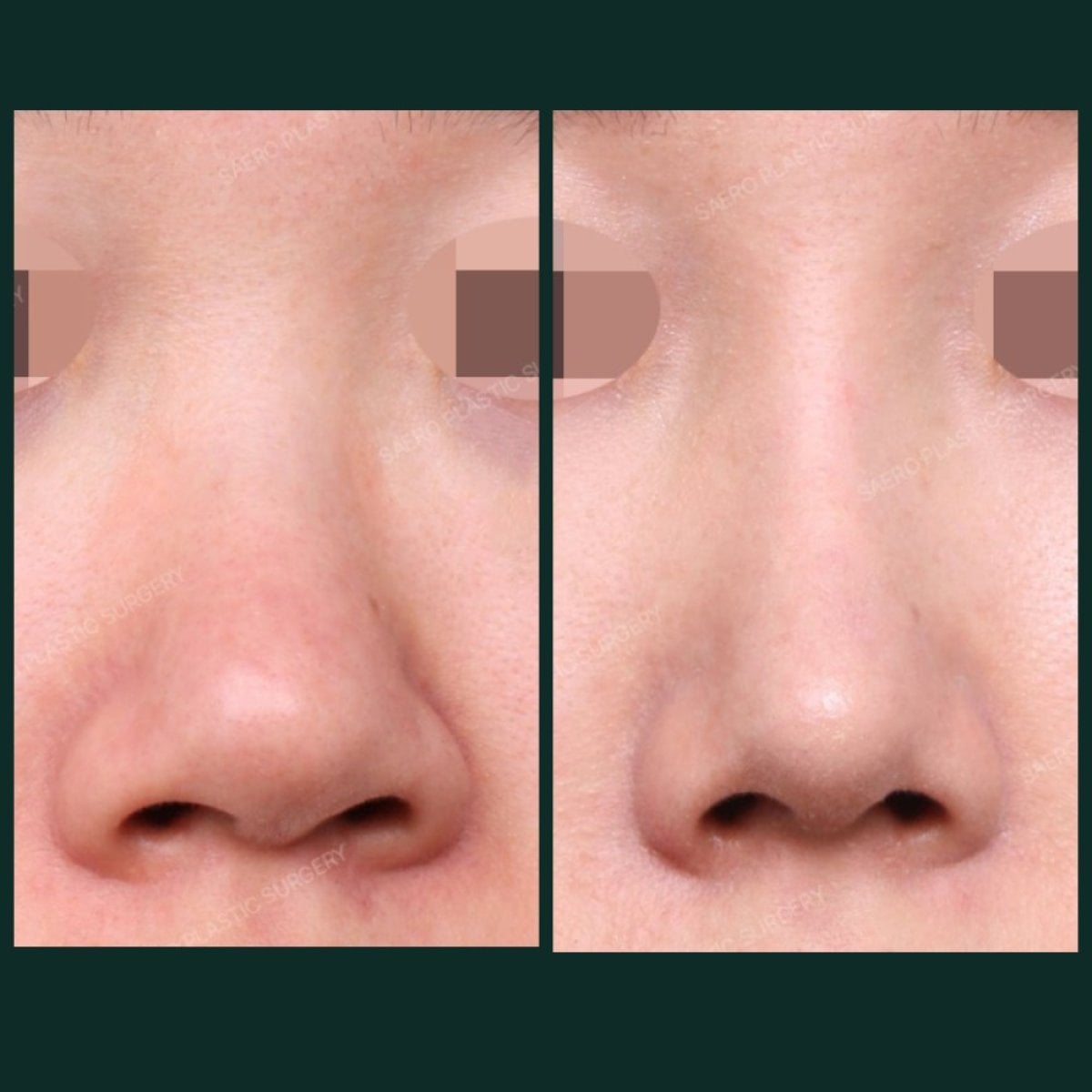
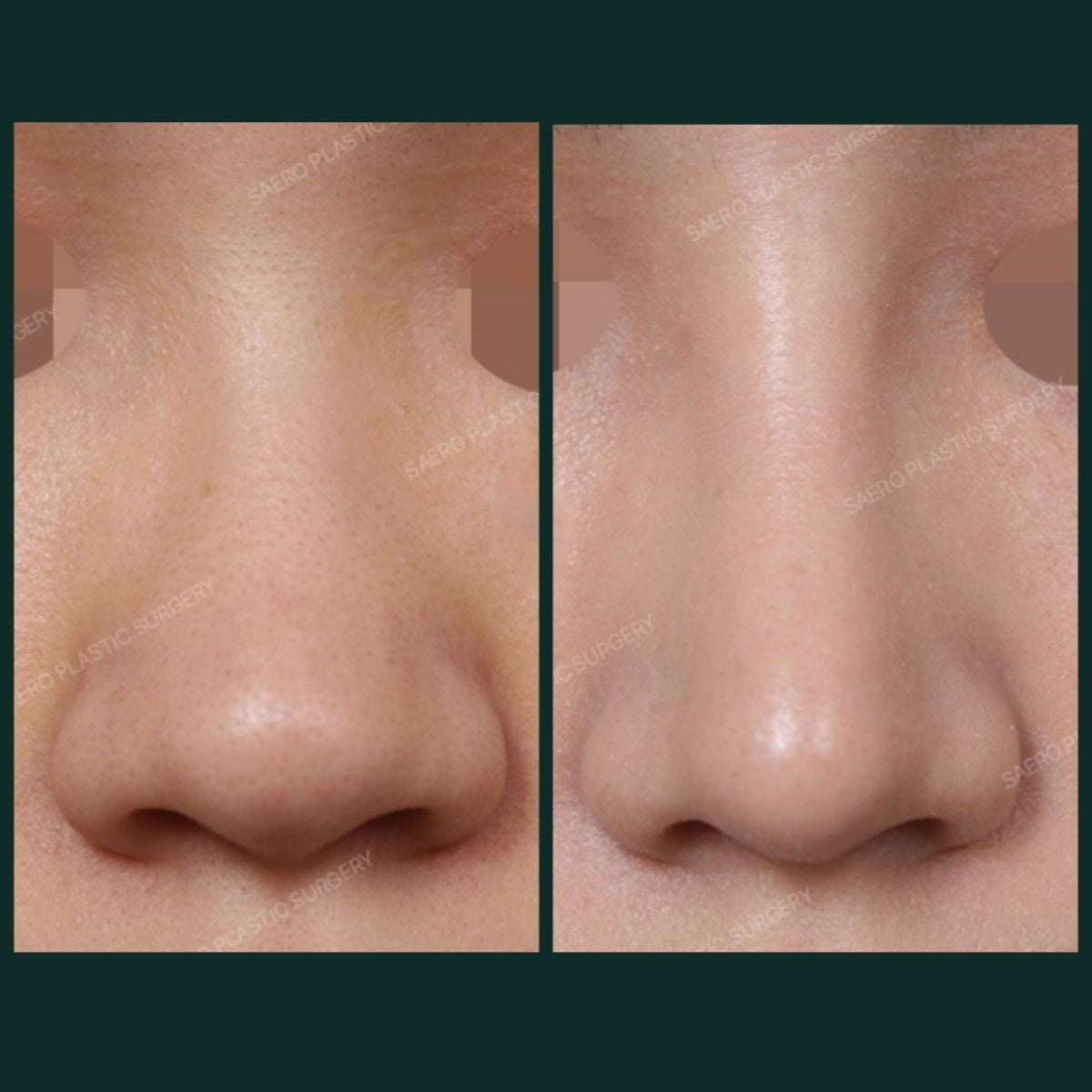
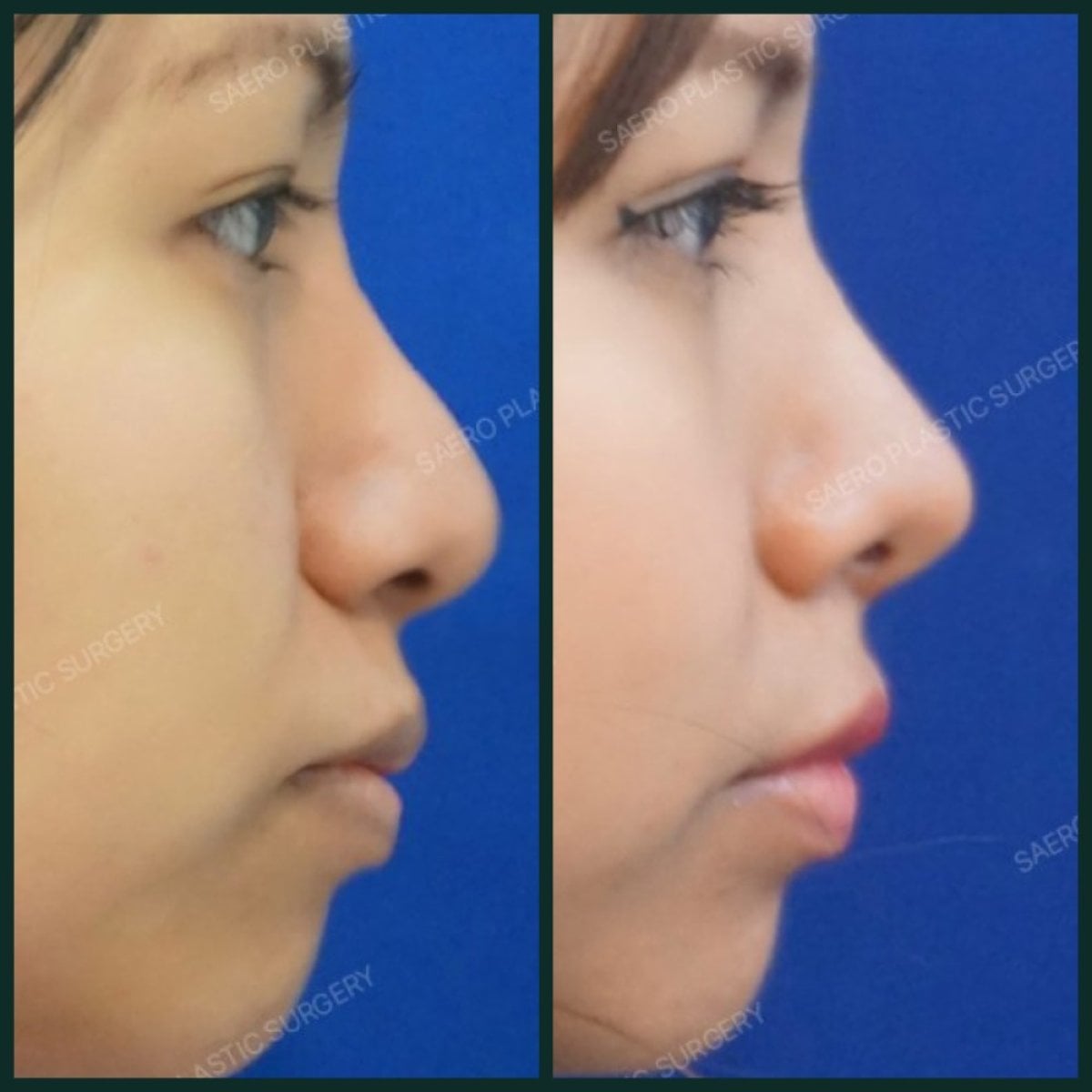
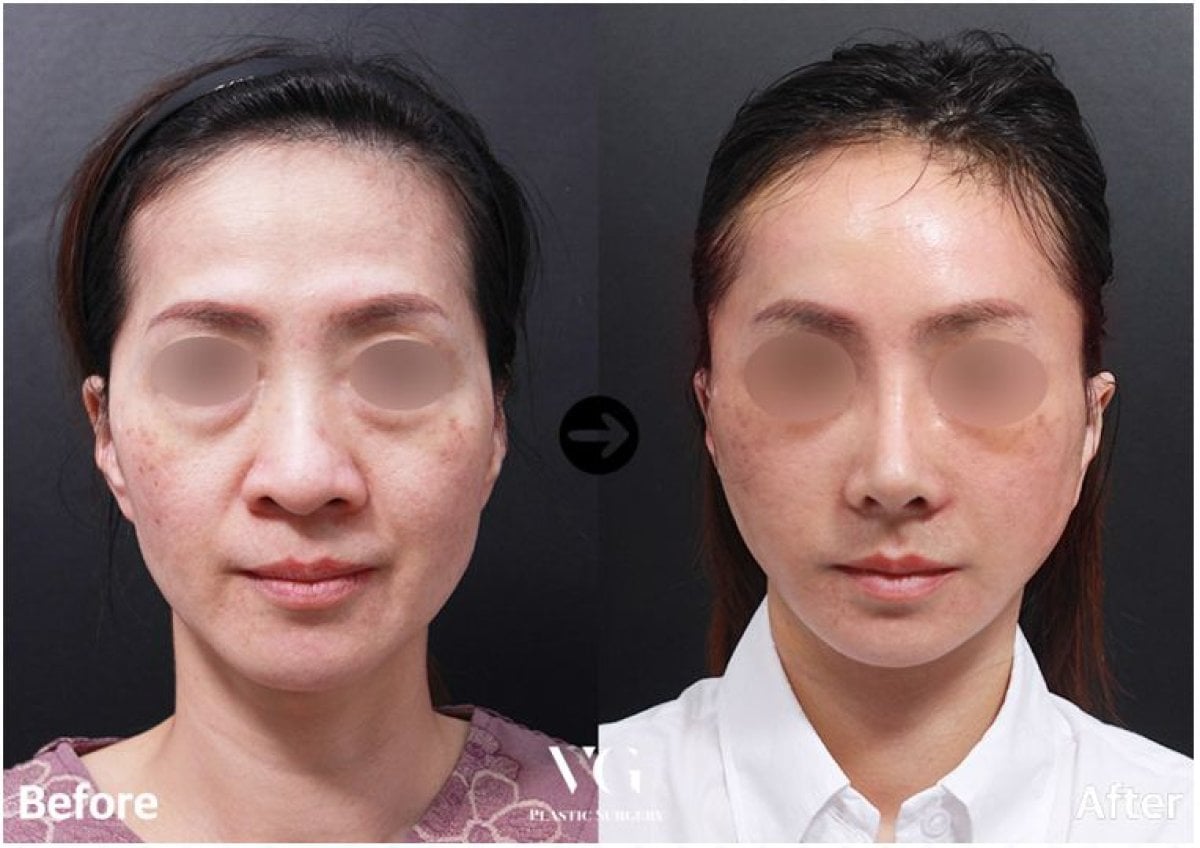
SAERO Plastic Surgery
Corea del Sur, Seúl
Park Young Kyu
25 años de experiencia

Portafolio del cirujano


Revisado médicamente por
Fahad Mawlood
De $1,200. El precio final depende de la técnica quirúrgica, la ubicación de la clínica y si se trata de una revisión. Los pacientes ahorran aproximadamente un 88% en comparación con los EE. UU., donde el costo promedio es de $10,000. Las inclusiones estándar a menudo incluyen la consulta, la anestesia y los medicamentos postoperatorios inmediatos.
Perspectiva del experto de Bookimed: Elegir una clínica especializada en Seúl ofrece un valor significativo más allá de la cirugía en sí. Centros como VG Plastic Surgery y SAERO Plastic Surgery atienden a más de 700 pacientes al año con personal multilingüe. Los pacientes también pueden aprovechar un reembolso de IVA del 7% al 10% disponible para turistas extranjeros. Esto hace que las clínicas de alta gama en Gangnam sean más accesibles manteniendo estándares de servicio de 5 estrellas.
| Corea del Sur | España | Estados Unidos | |
| Alarplastia | de $1,200 | de $5,700 | ≈ $7,000 |

Día 1 - Llegada
Día 2 - Preoperatorio
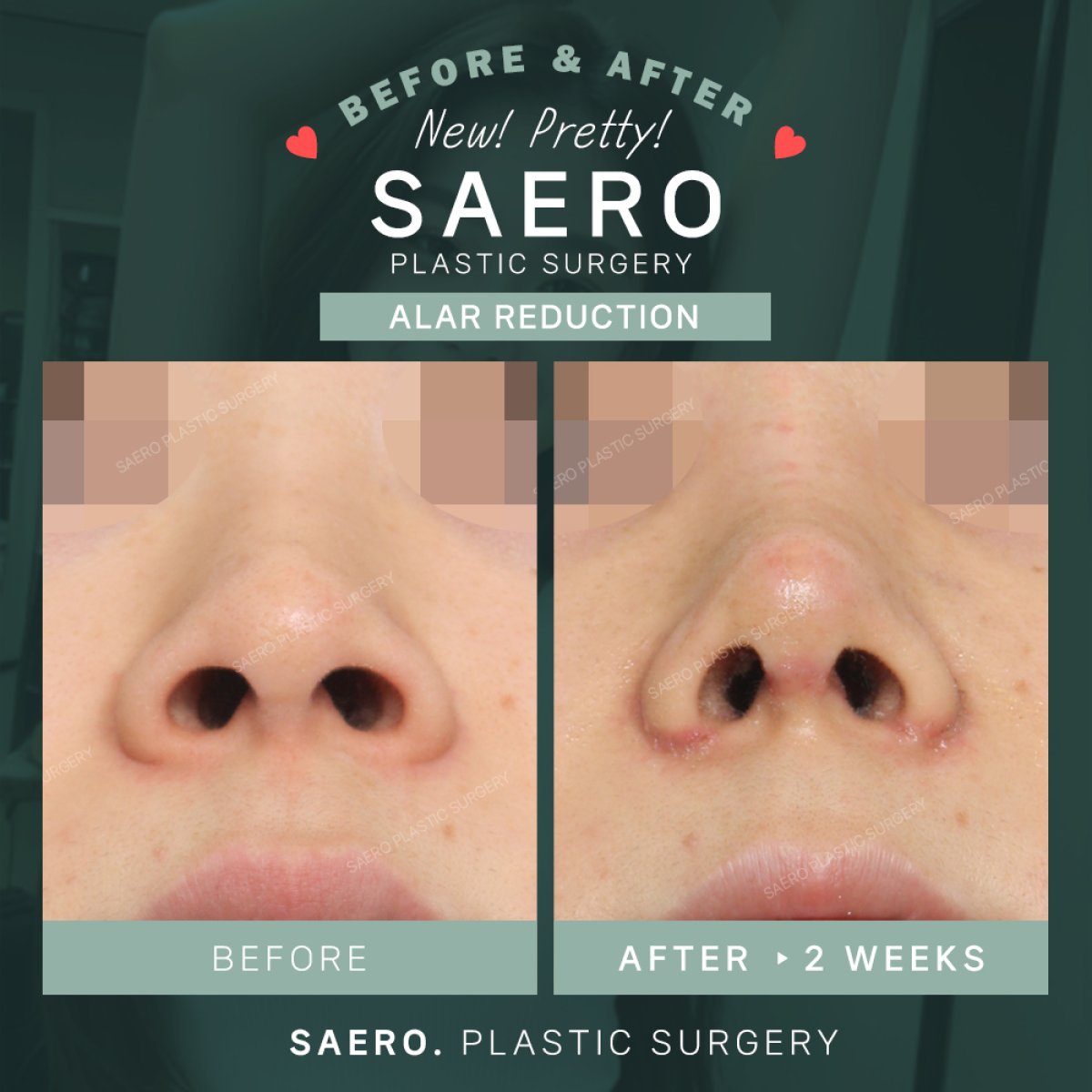
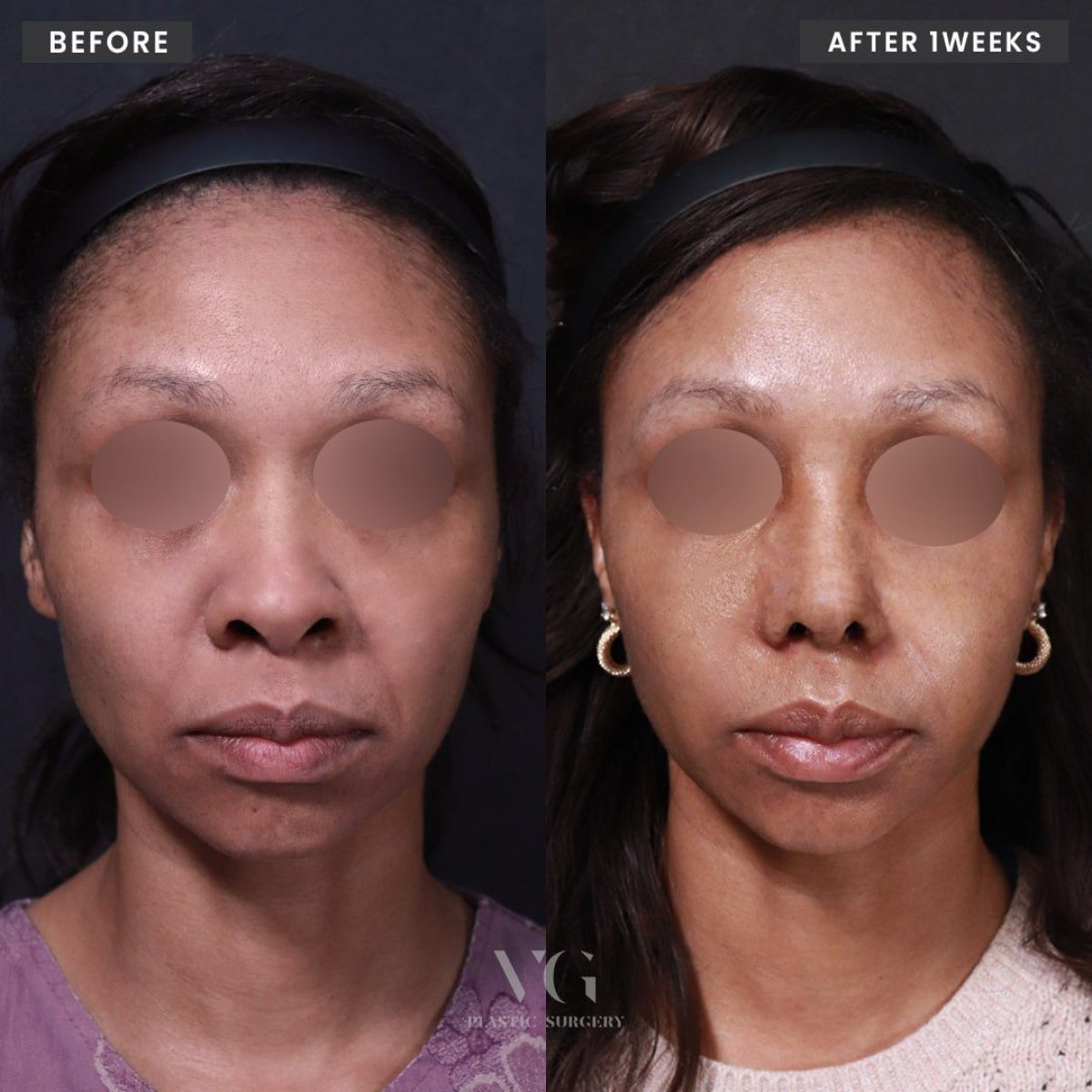
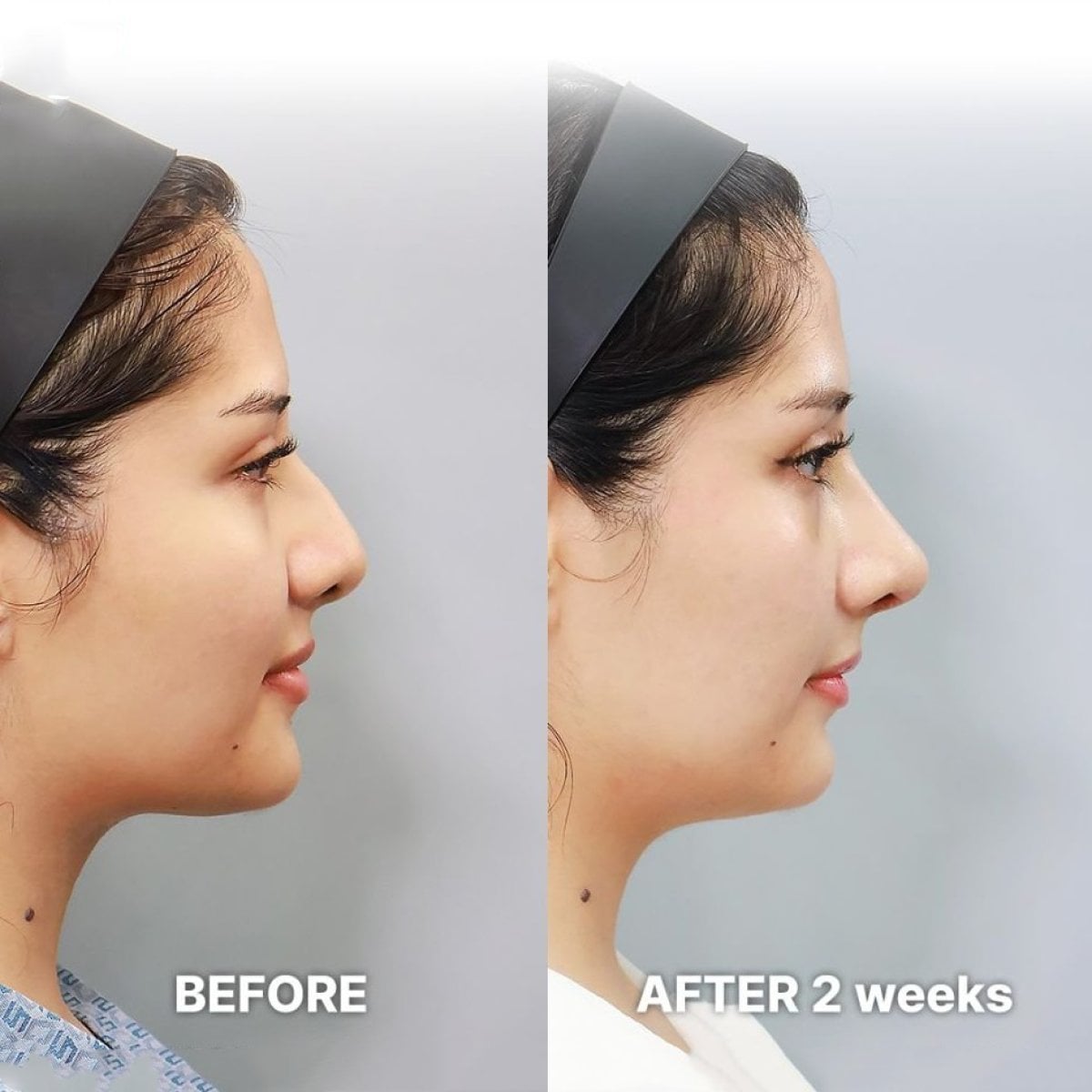
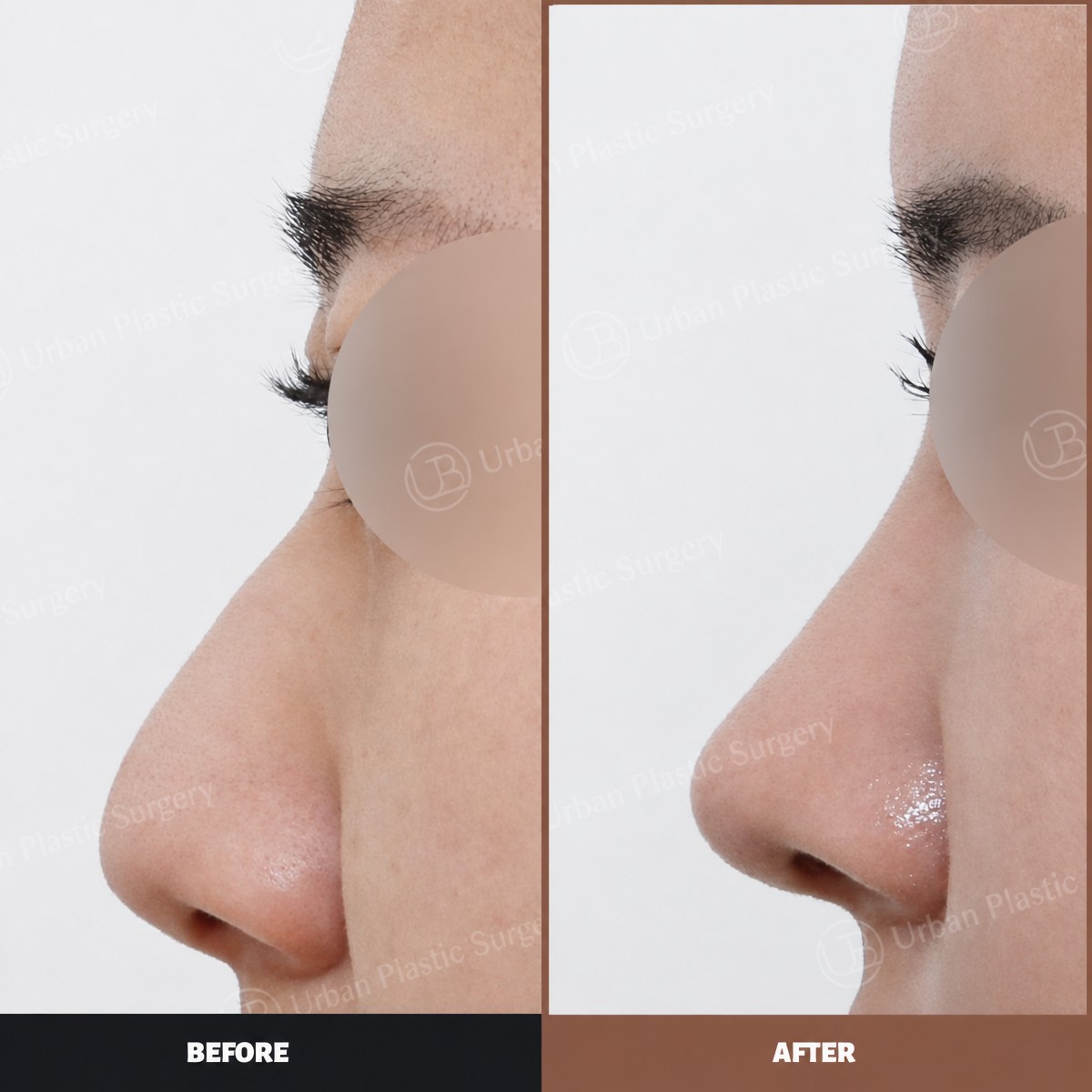
Día 3 - Proceso de Alarplastia
Día 4 - Postoperatorio
Día 5-7
Semana 2
Semana 3-4 - Rehabilitación
Semana 5-6
Tenga en cuenta que el proceso de curación de cada paciente es único y la línea de tiempo puede variar ligeramente.
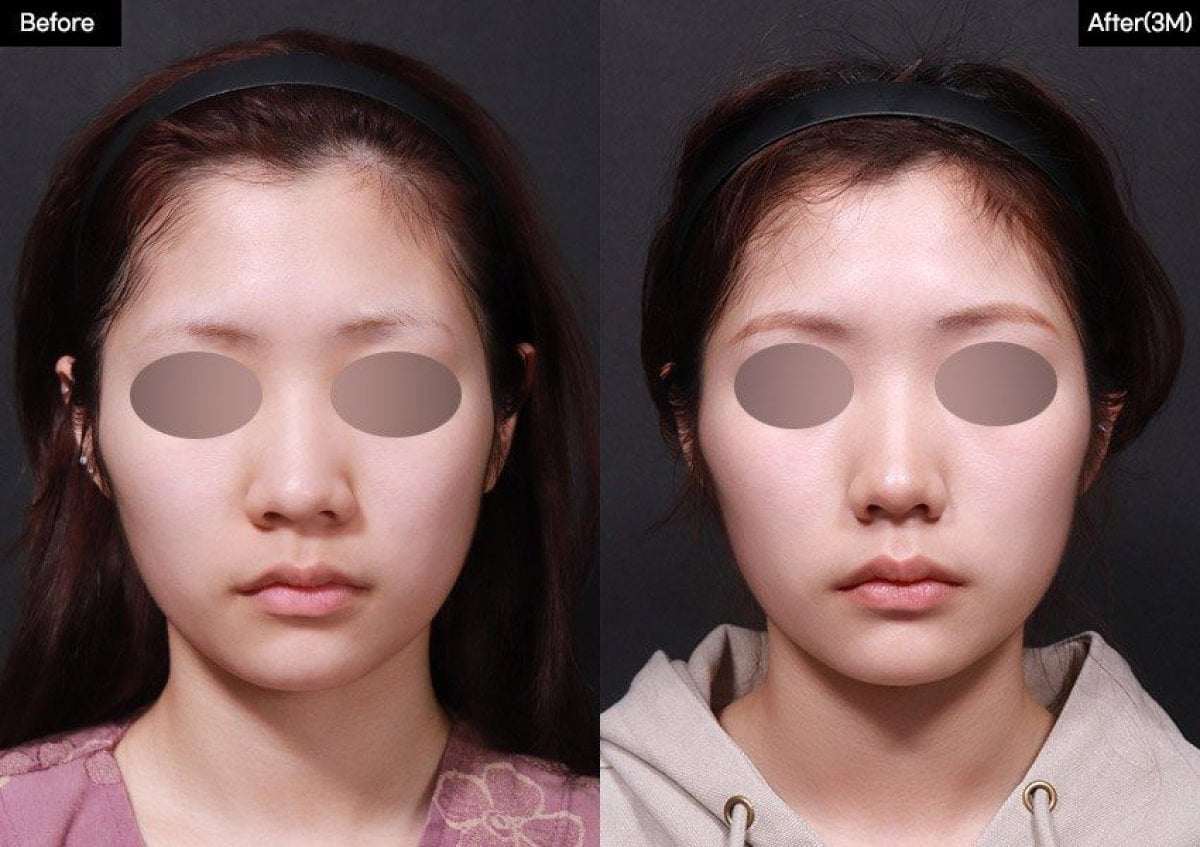
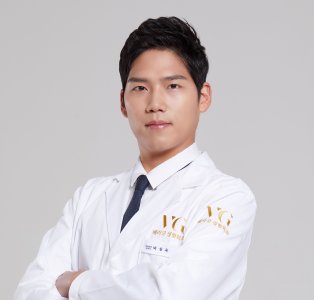
El Dr. Park se especializa en alarplastia con precisión y excelencia académica, reconocido por la Sociedad Coreana de Cirujanos Plásticos y Reconstructivos.

Cirujano plástico certificado con la puntuación más alta en el examen de residencia en Corea. El Dr. Kim se especializa en alarplastia y procedimientos nasales.
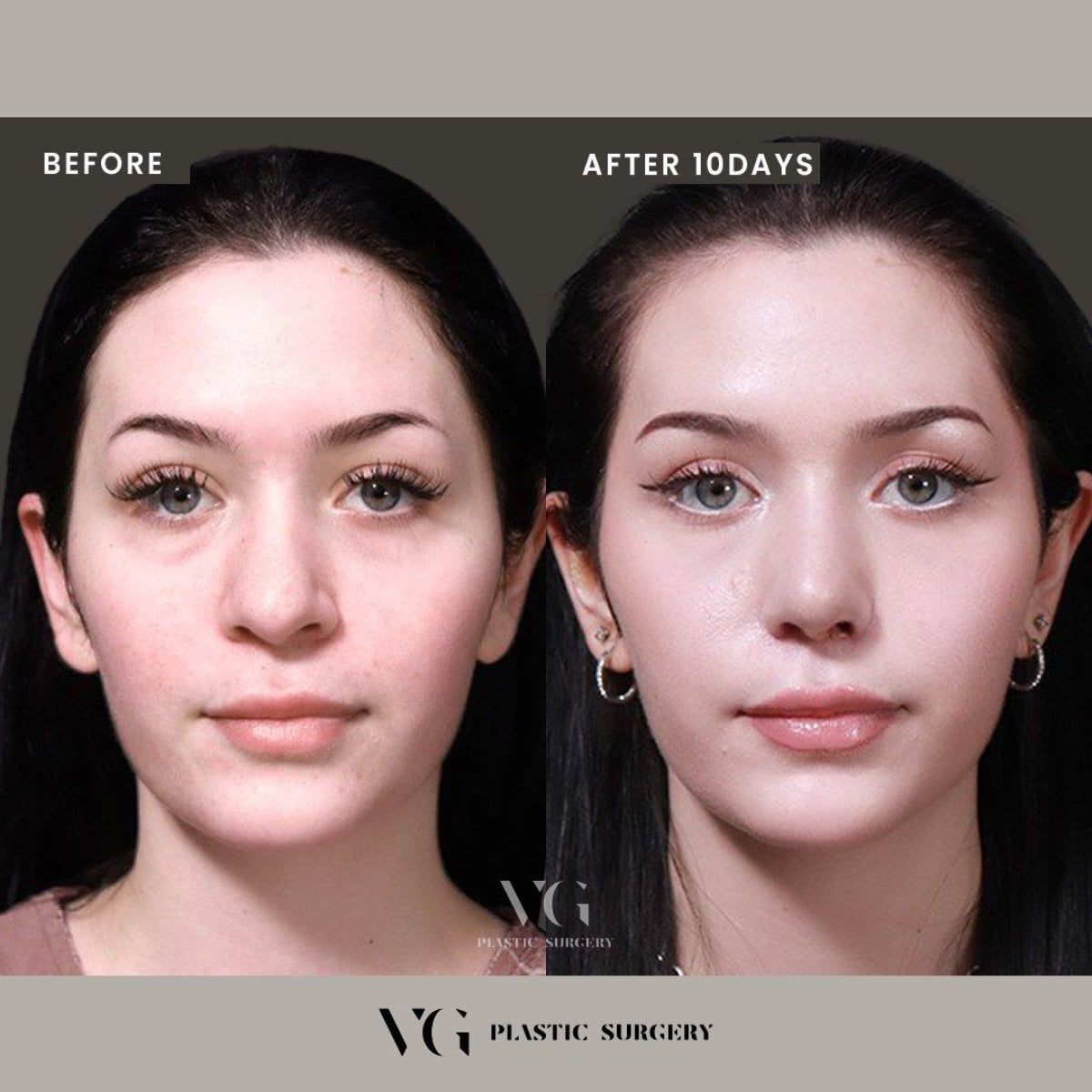
Cirujano plástico certificado especializado en alarplastia – El Dr. Park dirige la clínica de cirugía plástica VG con precisión y experiencia.
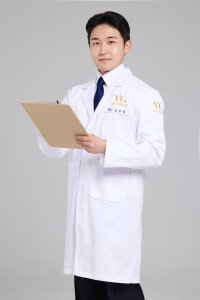
El Dr. Yang Jong Phil es cirujano plástico certificado en el Centro Médico de la Universidad de Corea. Obtuvo su título de médico (MD) en la Facultad de Medicina de la Universidad de Corea. Realizó un fellowship clínico en cirugía plástica y reconstructiva en el Centro Médico de la Universidad de Chicago. Es miembro activo de la Fundación AO.
Sus afiliaciones incluyen la International Confederation for Plastic, Reconstructive and Aesthetic Surgery (IPRAS), la American Society of Plasti




 Olena Sikoza
Los especialistas calificados en alarplastia en Corea poseen una certificación de la Korean Society of Plastic and Reconstructive Surgeons (KSPRS). Los mejores médicos a menudo lideran comités de investigación y poseen formación internacional de instituciones como la Universidad de Columbia o UChicago Medicine para dominar el refinamiento nasal complejo.
Perspectiva de expertos de Bookimed: Los datos muestran que los especialistas coreanos de primer nivel en alarplastia ocupan con frecuencia roles duales como miembros del comité directivo de la KSPRS Rhinoplasty Research Society. Por ejemplo, el Dr. Park Young Kyu en SAERO Plastic Surgery y el Dr. Kang Moon Seok en Wonjin Plastic Surgery Clinic influyen en los estándares quirúrgicos nacionales. Elegir un médico con estos
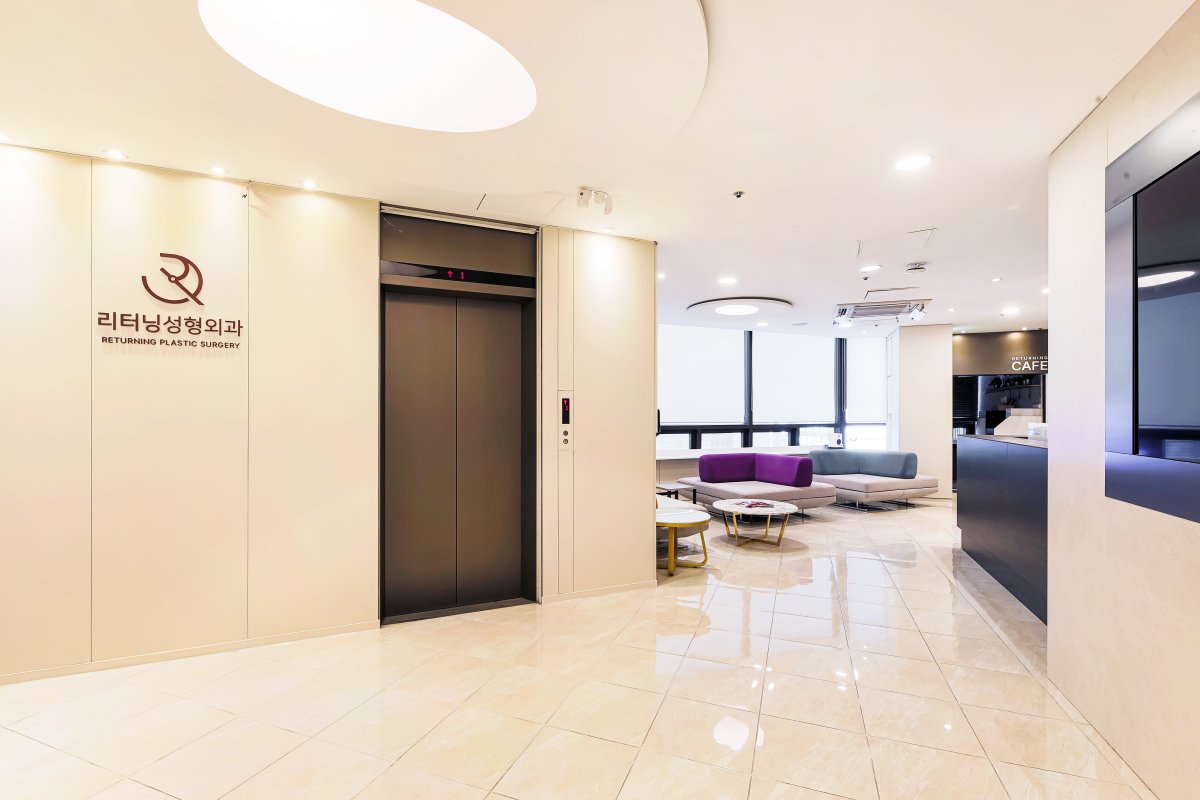
Los cirujanos coreanos altamente calificados para la alarplastia incluyen especialistas certificados conocidos por su excelencia académica y precisión. El Dr. Park Young Kyue de SAERO Plastic Surgery y el Dr. Yong Woo Kim de Returning Plastic Surgery son las mejores opciones. Ambos son miembros prestigiosos de la Korean Rhinoplasty Research Society.
Perspectiva del experto de Bookimed: Los datos muestran una fuerte correlación entre los resultados de alarplastia de primer nivel y los cirujanos que ocupan cargos en comités directivos. El Dr. Park Young Kyue y el Dr. Kang Moon Seok forman parte de los comités de investigación de la KSPRS. Esta participación a menudo indica un dominio más profundo de la anatomía nasal y la innovación en los procedimientos.
Consenso de los pacientes: Los pacientes destacan la precisión de cirujanos como el Dr. Yong Woo Kim al refinar la base nasal. Describ
Al consultar con cirujanos coreanos para una alarplastia, concéntrese en los detalles técnicos y las certificaciones como las de la Sociedad Coreana de Cirujanos Plásticos y Reconstructivos (KSPRS). Pregunte sobre los métodos de incisión para minimizar las cicatrices y cómo gestionan la simetría de las fosas nasales con su anatomía nasal única.
Perspectiva del experto de Bookimed: Muchos cirujanos coreanos destacados, como el Dr. Kang Moon Seok y el Dr. Park Young Kyu, forman parte de comités directivos de sociedades de investigación especializadas en rinoplastia. Esta participación académica sugiere que a menudo son ellos quienes desarrollan o perfeccionan las técnicas utilizadas para garantizar una armonía facial dinámica al sonreír.
Consenso de los pacientes: Los pacientes destacan la importancia de preguntar si
Los principales cirujanos plásticos de Seúl a menudo ofrecen asistencia en inglés a través de equipos internacionales dedicados. Si bien médicos destacados como el Dr. Lee Jong Seok o el Dr. Seung-hyung Noh cuentan con credenciales de instituciones estadounidenses como UChicago o Columbia, frecuentemente utilizan coordinadores especializados para gestionar las consultas detalladas de los pacientes.
Opinión del experto de Bookimed: Los datos muestran una fuerte correlación entre la formación internacional y la accesibilidad del paciente en Seúl. Médicos como el Dr. Lee Jong Seok, formado en UChicago Medicine, y el Dr. Seung-hyung Noh, formado en la Universidad de Columbia, están mejor posicionados para comprender los objetivos estéticos occidentales específicos para una alarplastia.
Consenso de los pacientes: Los
Moneda | Won surcoreano (el pago de los servicios también es posible en dólares) |
Mejor época para viajar | Abril, mayo y junio o septiembre, octubre y noviembre. |
Idioma | Coreano (la mayoría del personal médico habla inglés con fluidez) |
Visa | no requerido para estadías de hasta 90 días o menos |
Diferencia horaria con Europa | 9:00 |
Diferencia horaria de Estados Unidos | 9:00 |
Capital | Seúl |
Centro de Turismo Médico | seúl |
Estaciones populares | Gangwon-do, Gyeongju, Boseong, Jeju |
El cuidado de la salud es un sector de desarrollo clave del gobierno coreano. Las autoridades coreanas están convencidas de que el cuidado de la salud de los ciudadanos debe ser una prioridad incondicional de la política estatal, y anualmente gastan alrededor de mil millones de dólares para atraer turistas médicos.
Según Mark Britnell , los hospitales dominan el sistema de salud. El 94% de los hospitales son de propiedad privada.
En Corea del Sur , hay hoteles de diferentes rangos de precios y niveles de servicio. La mayoría de los turistas eligen hoteles de 4 y 5 estrellas con régimen de todo incluido. Dichos hoteles tienen todo para una estancia confortable: comida variada, amplio territorio bien cuidado, animación para niños y adultos. Algunos hoteles tienen su propio parque acuático, que los huéspedes pueden utilizar de forma gratuita. Los viajeros con poco presupuesto pueden permitirse reservar un hotel económico de 3 estrellas con media pensión o sin comidas.
Hasta la fecha, Corea del Sur tiene acuerdos sin visado con 112 estados . No se requiere visa para estadías de menos de 90 días. Para permanecer más tiempo en este país, necesita una visa. Qué estados necesitan una visa para el tratamiento en Corea del Sur y qué países pueden cruzar las fronteras de forma gratuita y fácil de leer aquí .
Las visas para viajar a Corea del Sur requieren una serie de documentos . La documentación necesaria se puede presentar 90 días antes de la salida prevista. La lista de documentos incluye:
Según las estadísticas de la ASPS , en 2018 se realizaron 17,7 millones de cirugías estéticas y 5,8 millones de procedimientos reconstructivos. Los procedimientos cosméticos más populares incluyen:
La extirpación de tumores, la cicatrización de desgarros, la cirugía maxilofacial, la revisión de cicatrices, la cirugía de la mano son las operaciones más comunes en el contexto de la cirugía reconstructiva.