Esofagectomía en Corea del Sur — reciba 3 opciones de clínicas personalizadas


Revisado médicamente por
Fahad Mawlood
Cómo funciona
¿Cuál es el precio de Esofagectomía en Corea del Sur? Descubra ahora
Esophagectomy in the Republic of Korea typically costs from $28,000 to $41,000. The final price depends on the surgical technique, hospital tier, and postoperative intensive care requirements. These costs generally include the surgical intervention and initial inpatient monitoring.
- Surgical approach: Robotic or minimally invasive techniques typically add 20-30% to the base cost.
- Hospital location: Major medical hubs for this surgery include Seoul, Goyang, and Incheon.
- Diagnostic workup: Required pre-operative screenings like gastroscopy and consultations add to the total budget.
- Postoperative care: Total expenses vary based on the number of days spent in the intensive care unit.
Bookimed Expert Insight: Choosing top-tier institutions in Seoul like Samsung Medical Center or Severance Hospital provides elite value. These clinics are accredited by JCI and KOIHA, ensuring presidential-level safety standards. Severance Hospital has performed over 4,000 robotic surgeries, making it a leader in high-tech esophageal care. Patients benefit from multidisciplinary teams that often collaborate with top US centers like MD Anderson.
Beneficios clave
¿Por qué los pacientes eligen la República de Corea para una esofagectomía?
- Clínicas acreditadas: Hospitales certificados por JCI ofrecen atención que cumple con estándares reconocidos internacionalmente.
- Últimas tecnologías: El uso de técnicas como la esofagectomía mínimamente invasiva (MIE) y la cirugía asistida por robot, con dispositivos como el Sistema Quirúrgico Da Vinci, mejora la precisión y la recuperación.
- Altas tasas de éxito: Los procedimientos de esofagectomía en Corea del Sur tienen una tasa de eficacia del 85-90% para el cáncer de esófago en etapa temprana. También mantienen bajas tasas de complicaciones.
- Cirujanos expertos: Cirujanos torácicos líderes, a menudo certificados por instituciones de renombre, han realizado más de 500 esofagectomías. Esto garantiza un alto nivel de experiencia y cuidado al paciente.
Acceda a soluciones avanzadas de esofagectomía en clínicas de confianza de $28,000.
| Corea del Sur | España | Turquía | |
|---|---|---|---|
| Esofagectomía | ≈ $28,000 | de $26,000 | de $12,000 |
Descubra las mejores clínicas de Esofagectomía en Corea del Sur: 6 opciones verificadas y Precios




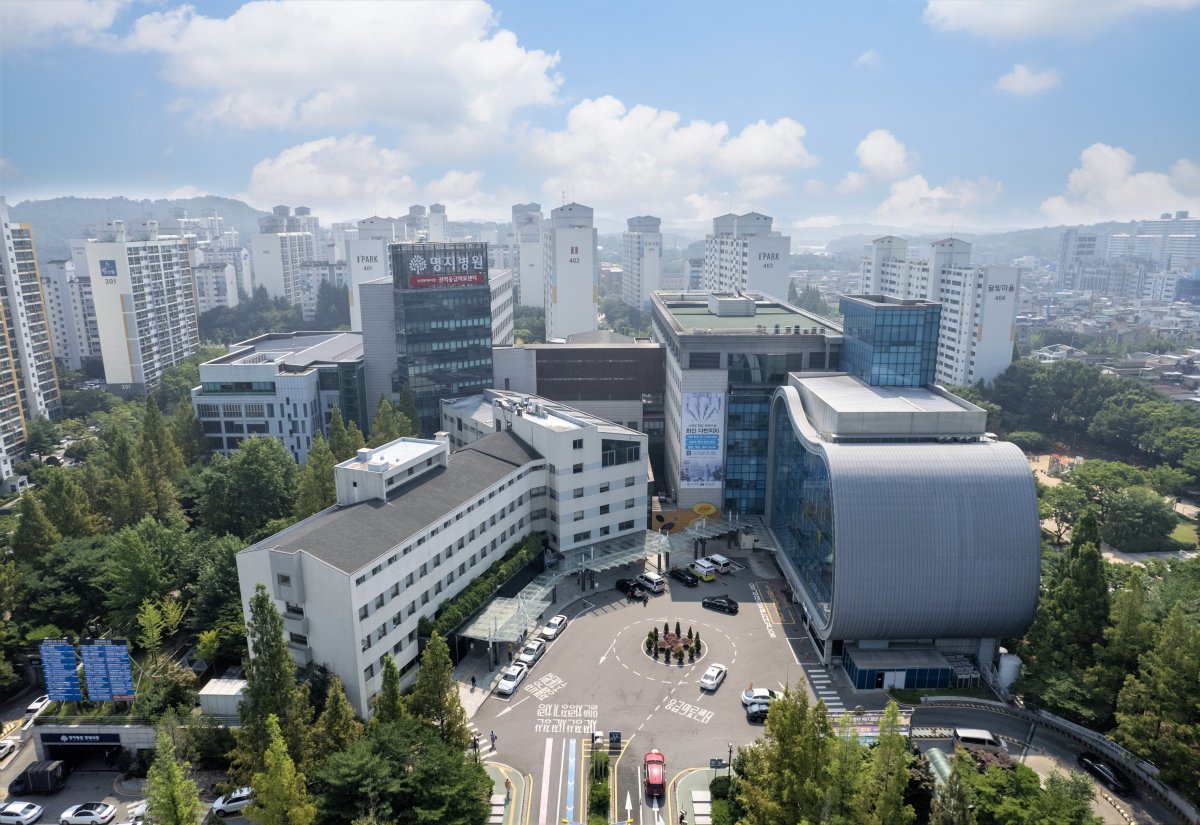



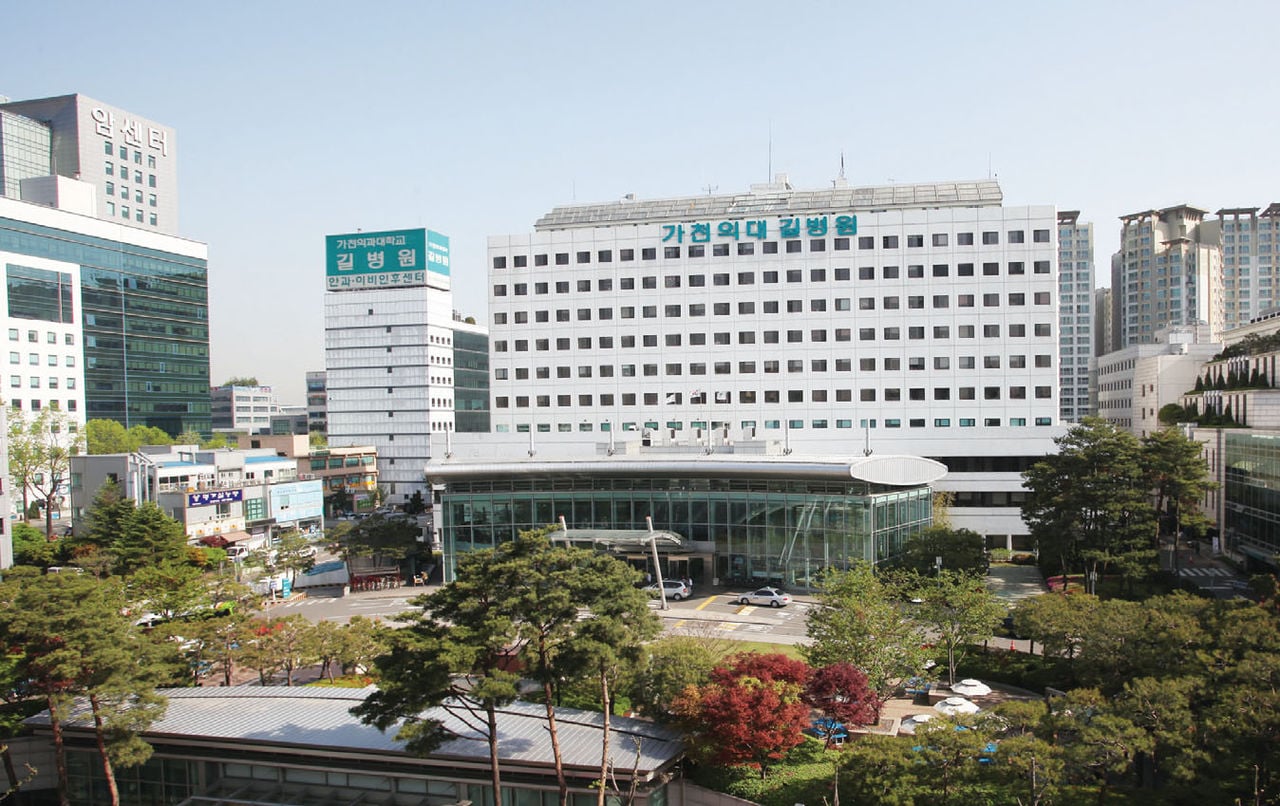




Descripción general de Esofagectomía en Corea del Sur
- Cirugía de cáncer de estómago - de $19,500Esta operación elimina los tumores de estómago, lo que ayuda a frenar la propagación del cáncer y aliviar los síntomas, lo que ayuda a la supervivencia y el bienestar general.
- Omentectomía - de $6,500La operación elimina la capa de grasa en el abdomen, conocida como epiplón, para tratar o prevenir enfermedades abdominales.
- Esofagectomía - de $28,000El procedimiento consiste en extirpar una parte del esófago para tratar diversas anomalías, lo que garantiza una mejor capacidad para tragar.
- Gastroectomia - de $15,000La operación extirpa todo o parte de su estómago para tratar enfermedades estomacales, mejorando su calidad de vida.
- Gastroectomia da vinci - de $15,000Esta cirugía, realizada de forma robótica, se enfoca en los problemas estomacales al extirpar partes o la totalidad del mismo, ofreciendo precisión y una recuperación rápida.
- Resección del esófago - de $35,000La operación consiste en retirar parte del tubo de alimentación para tratar enfermedades específicas, beneficiando la salud del paciente.
Día 1
- Llegada al país.
- Traslado a la clínica.
- Alojamiento en la clínica (si está disponible).
Dia 2
- Consulta inicial con un especialista.
- Someterse a las pruebas médicas necesarias.
- Discusión sobre el procedimiento y plan de operación.
Día 3
- Control de salud preoperatorio.
- Reunión con el anestesiólogo.
- Procedimientos adicionales si es necesario.
Día 4
- Día de la Esofaguectomía.
- Se administra anestesia general.
- La operación dura de 3 a 6 horas.
Día 5-14
- Atención postoperatoria en la clínica.
- Revisiones periódicas y seguimiento por parte del personal médico.
- El paciente permanece en la clínica durante unos 10 días.
Semana 2-6
- Inicio del proceso de rehabilitación.
- Ejercicios regulares para recuperar fuerza y movilidad.
- Consultas de seguimiento con el especialista.
Semana 7
- Regreso al trabajo, dependiendo del progreso de la recuperación.
- Regreso gradual a los deportes y otras actividades.
- El resultado final se puede ver en esta etapa.
Tenga en cuenta que esta es una guía general y cada caso puede variar.
- Depósito de Bookimed: 200 $ o 200 €.
- Depósito de la clínica: Pague un porcentaje fijo por adelantado.
Historias en video de pacientes de Bookimed
Reseñas
Todas las reseñasCompartir contenido
 Olena Sikoza
Datos сlave sobre Esofagectomía
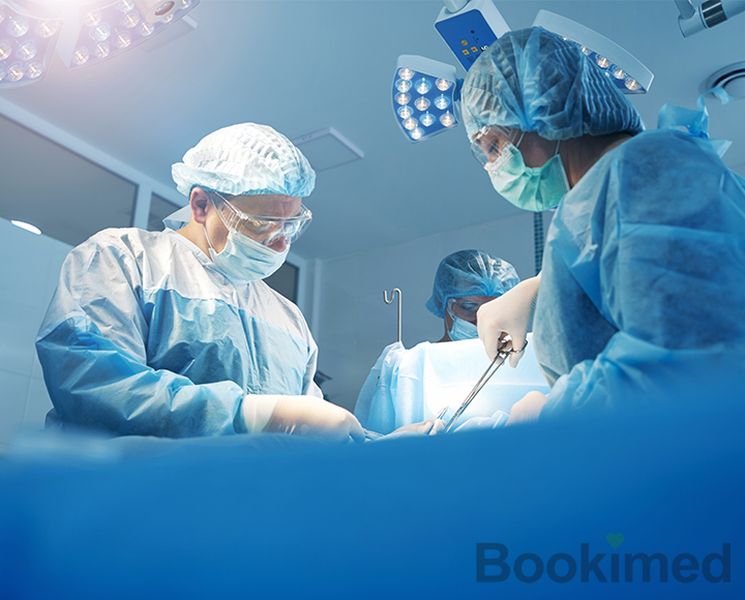
Esofagectomía
La esofagectomía es un procedimiento quirúrgico para extirpar una parte o la totalidad del esófago, a menudo utilizado para tratar el cáncer de esófago.
Preguntas frecuentes sobre Esofagectomía en Corea del Sur
¿Cuáles son los métodos quirúrgicos más comunes en Corea?
En Corea, las técnicas de esofagectomía quirúrgica están cambiando en gran medida de procedimientos abiertos a técnicas avanzadas mínimamente invasivas. Los cirujanos utilizan con mayor frecuencia la esofagectomía mínimamente invasiva asistida por robot (RAMIE) y los abordajes toracoscópicos, que priorizan altas tasas de resección R0 y una linfadenectomía extensa (extirpación de más de 30 ganglios linfáticos) para lograr resultados oncológicos óptimos.
- Cirugía Robótica: RAMIE, utilizando el Sistema Quirúrgico Da Vinci, minimiza las incisiones y la pérdida de sangre.
- Esofagectomía toracoscópica: Las técnicas asistidas por video reducen el riesgo de complicaciones respiratorias en comparación con la cirugía tradicional de tórax abierto.
- Técnica McKeon MIE: este abordaje mínimamente invasivo de tres campos es una práctica estándar para la extirpación completa de tumores.
- Estándares de disección de ganglios linfáticos: los protocolos coreanos generalmente implican la extirpación agresiva de 30 o más ganglios linfáticos.
Opinión de los expertos de Bookimed: Datos de instituciones líderes como el Centro Médico Samsung y el Hospital Severance muestran una clara transición hacia técnicas mínimamente invasivas en lugar de métodos híbridos. Si bien los centros estadounidenses suelen utilizar el enfoque de Ivor Lewis, los cirujanos coreanos prefiere