Prótesis híbrida sobre implantes dentales All-on-4 en Corea del Sur: las 3 mejores clínicas y sus precios


Revisado médicamente por
Fahad Mawlood
¿Cuál es el precio de Prótesis híbrida sobre implantes dentales All-on-4 en Corea del Sur? Descubra ahora
The cost of a hybrid All-on-4 implant denture in the Republic of Korea typically ranges from $9,500 to $16,000 per arch. Final pricing depends on the choice of implant brand, prosthetic material like zirconia, and the city. Patients save around 42% compared to the US, where the average cost is $22,000. Standard inclusions often feature 3D CT imaging, four surgical fixtures, abutments, and the final fixed bridge.
- Korean implant brands: Choosing local brands like Osstem or Dentium typically lowers the total price.
- Zirconia frameworks: Monolithic zirconia full-arch dentures trend higher in cost than standard acrylic hybrid options.
- 3D navigation: Flapless surgery using 3D digital navigation may add a premium for increased precision.
- City hubs: Major dental centers are primarily located in Seoul, Daejeon, and other metropolitan areas.
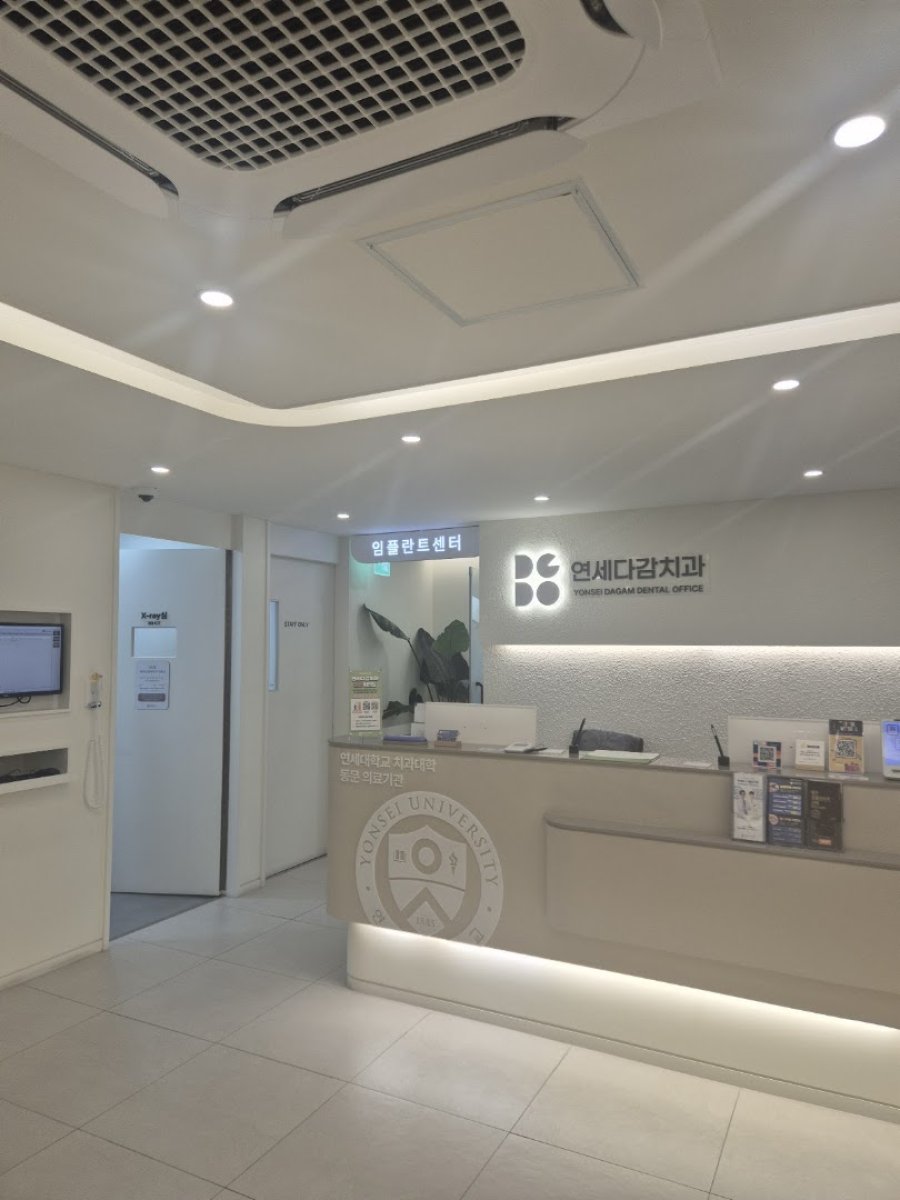
Bookimed Expert Insight: Choosing Seoul for full-arch restoration provides access to elite specialists like those at 365 Seoul OneTop Dental Clinic, where directors are Ministry of Health and Welfare certified. South Korea is a global leader in dental technology, with clinics like Yonsei Dagam Dental offering 3D navigation for minimally invasive flapless surgery. This high-tech approach ensures precision that often justifies the investment over lower-tier providers.
| Corea del Sur | España | Estados Unidos | |
|---|---|---|---|
| Prótesis híbrida sobre implantes dentales All-on-4 | ≈ $9,500 | ≈ $6,800 | ≈ $17,500 |
Sus beneficios y garantías con Bookimed
Precios directos
Bookimed no añade cargos adicionales a los precios de Prótesis híbrida sobre implantes dentales All-on-4. Las tarifas proceden de las listas de precios oficiales de las clínicas. Pagará directamente en la clínica por su Prótesis híbrida sobre implantes dentales All-on-4 a su llegada al país.
Sólo clínicas y médicos verificados
Bookimed está comprometido con su seguridad. Solo trabajamos con las clínicas que mantienen altos estándares internacionales en Prótesis híbrida sobre implantes dentales All-on-4 y tienen las licencias necesarias para atender a pacientes internacionales en todo el mundo.
Asistencia 24/7 gratuita
Bookimed ofrece asistencia experta gratuita. Un coordinador médico personal le apoya antes, durante y después del tratamiento, resolviendo cualquier problema. Nunca estará solo en su viaje médico de Prótesis híbrida sobre implantes dentales All-on-4.

Su coordinador médico personal de Bookimed
- Le apoya en cada etapa
- Ayuda a elegir la clínica y el médico adecuados
- Asegura un acceso rápido y conveniente a la información
Descubra las mejores clínicas de Prótesis híbrida sobre implantes dentales All-on-4 en Corea del Sur: 3 opciones verificadas y Precios

Descripción general de Prótesis híbrida sobre implantes dentales All-on-4 en Corea del Sur
- Dentadura - de $1,200Esta terapia implica el uso de reemplazos removibles para los dientes faltantes, mejorando las habilidades del habla y la masticación.
- Instalación de una prótesis dental completa - de $1,500Esta terapia reemplaza todos los dientes originales, mejorando la capacidad de masticar, el habla y la confianza mediante la colocación de prótesis hechas a medida.
- Colocación de una prótesis inmediata - de $900El procedimiento consiste en colocar un juego de dientes de reemplazo justo después de la extracción, lo que reduce el tiempo de curación y preserva la apariencia.
- Esta terapia utiliza dos implantes para sostener una dentadura postiza completa, brindando estabilidad y una apariencia similar a la de un diente natural.
- Prótesis híbrida sobre implantes dentales All-on-4 - de $9,500Esta terapia ofrece una restauración fija de arcada completa con cuatro implantes dentales, lo que mejora la función y la estética de la boca.
- Esta terapia reemplaza todos los dientes con seis implantes, ofreciendo una solución inmediata y permanente para los dientes faltantes.
- Prótesis sobre 4 implantes por CAD/CAM - de $9,500El procedimiento implica la inserción de cuatro implantes, que sostienen las dentaduras postizas con una barra de titanio diseñada digitalmente para mejorar la estabilidad y la función.
- Este procedimiento utiliza seis implantes de titanio para asegurar las dentaduras postizas completas, lo que aumenta la durabilidad y la estabilidad de la mordida.
Día 1
- Llegada y traslado al hotel de 4 estrellas.
- Descanso y aclimatación al nuevo entorno.
Dia 2
- Consulta inicial con el cirujano dentista.
- Pruebas preoperatorias como imágenes e impresiones dentales.
Día 3
- Consultas adicionales si es necesario.
- Preparativos finales para el procedimiento quirúrgico.
Día 4
- Procedimiento de prótesis de implante híbrido All-on-4 bajo anestesia general.
- El procedimiento dura aproximadamente 2-3 horas.
Dia 5
- Descanso postoperatorio en la clínica bajo observación médica.
Semana 1
- Primer control postoperatorio.
- Ajustes a la dentadura si es necesario.
Semana 2-4
- Curación continua y ajuste a las nuevas dentaduras postizas.
- Segundo control postoperatorio y ajustes finales.
Semana 5
- Regreso al trabajo y otras actividades.
- Resultados finales visibles y recuperación completa esperada.
Tenga en cuenta que el proceso de recuperación de cada paciente es diferente y el cronograma puede variar.
- Depósito de Bookimed: 200 $ o 200 €.
- Depósito de la clínica: Pague un porcentaje fijo por adelantado.
Obtenga una evaluación médica para Prótesis híbrida sobre implantes dentales All-on-4 en Corea del Sur: Elija su especialista entre los mejores en el campo
Ver todos los médicos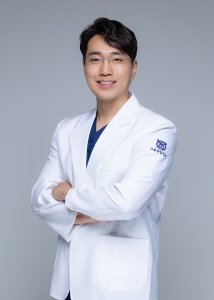
Kim Geun-il
2,200 procedimientos de rinoplastia en 2014 en el Memorial Hospital.
- Formación durante la residencia en la Johns Hopkins School of Medicine
- Gestionamos una base de datos de 1,200 casos de pacientes con 350,000 reemplazos totales de cadera.
- Los hechos sobre el médico confirman cirugías en el M.D. Anderson Cancer Center, certificado en cirugía oncológica, incluyendo cirujanos oncológicos.
- 1,500 artroplastias totales de cadera: realiza solo procedimientos asistidos por robot.
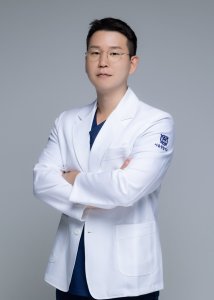
Kwon Jae-won
El Dr. Kwon Jae-won se especializa en prótesis híbridas sobre implantes All-on-4, ofreciendo planes de tratamiento personalizados basados en un diagnóstico oral integral.
- Graduado con honores de la Facultad de Odontología de la Universidad Nacional de Seúl
- Especialista en Implantología Dental certificado por el Ministerio de Salud y Bienestar
- Posee certificado de formación clínica en implantes Osstem
- Miembro de la Academia Coreana de Implantología Dental
- Completó su residencia en el Hospital Dental de la Universidad Nacional de Seúl
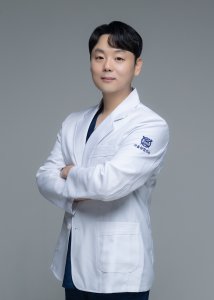
Lim Gi-hyeon
Especialista certificado en Cirugía Oral y Maxilofacial con doctorado (Ph.D.) de la Universidad de Yonsei – El Dr. Lim se enfoca en la colocación precisa de prótesis sobre implantes.
- Formado en hospitales afiliados a la Facultad de Medicina de Harvard
- Miembro del Comité Asesor Clínico de Osstem Implant
- Miembro regular de la Asociación Coreana de Cirujanos Orales y Maxilofaciales
- Especializado en técnicas híbridas All-on-4

Jung Sung Lee
Especializado en procedimientos dentales sin estrés con sedación consciente, ideal para pacientes ansiosos que necesitan tratamientos complejos como prótesis híbridas sobre implantes All-on-4.
- Colabora con anestesiólogos certificados para una sedación segura
- Personaliza los planes de sedación para reducir las molestias
- Permite realizar múltiples procedimientos en una sola visita
- Recuperación más rápida en comparación con la anestesia general
Historias en video de pacientes de Bookimed
Reseñas
Todas las reseñasCompartir contenido
 Olena Sikoza
Datos сlave sobre Prótesis híbrida sobre implantes dentales All-on-4
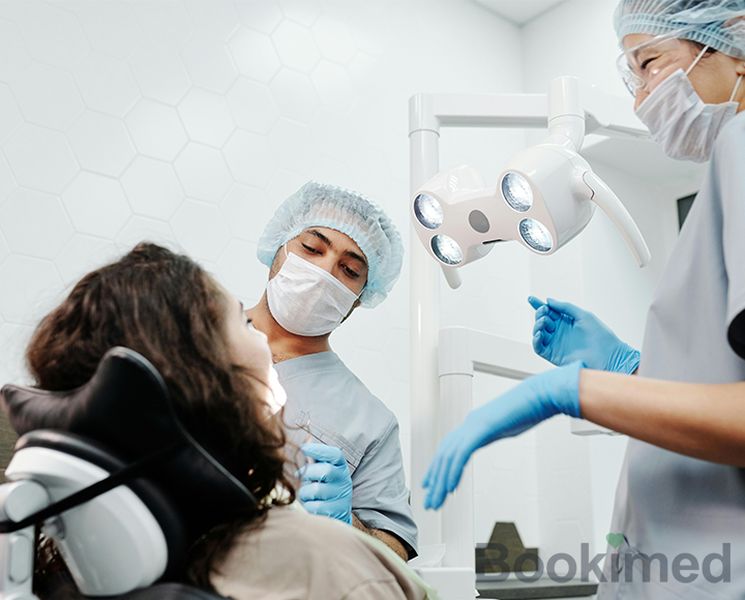
Prótesis híbrida All-on-4
Este procedimiento implica asegurar un arco completo de dientes protésicos sobre cuatro implantes dentales colocados estratégicamente para una solución estable y permanente.
Preguntas frecuentes sobre Prótesis híbrida sobre implantes dentales All-on-4 en Corea del Sur
¿Cuál es la tasa de éxito de los implantes All-on-4 en la República de Corea?
En la República de Corea, los implantes dentales All-on-4 presentan tasas de éxito excepcionalmente altas, que oscilan entre el 91,9 % y más del 98 %. Los datos clínicos a largo plazo muestran tasas de supervivencia protésica que alcanzan el 99,6 %, gracias a la cirugía avanzada guiada por TC 3D y a un alto volumen quirúrgico de más de 1,8 millones de implantes al año.
- Supervivencia a largo plazo: en estudios coreanos, las tasas de éxito del tratamiento registradas durante 18 años de seguimiento alcanzan el 91,9%.
- Resultados específicos de la mandíbula: las cirugías de mandíbula inferior tienden a tener tasas de éxito más altas, con un promedio del 95% al 98%.
- Precisión digital: el uso extensivo del escaneo 3D y del software Anatomage reduce significativamente los errores humanos en la colocación de objetos.
- Experiencia especializada: Clínicas como DARUN Dental Clinic emplean especialistas dentales certificados en EE. UU. para tratar casos complejos.
Opinión experta de Bookimed: El dominio de Corea en las tasas de éxito de implantes se debe a su extensa base de datos nacional. Si bien las marcas internacionales son comunes, los implantes locales aprobados por la FDA, como Osstem, demuestran una tasa de éxito del 95,37 % en 7 años. Algunas clínicas en Seúl, como DARUN, realizan todo el proceso internamente. Esta integración vertical permit
¿Suele ser necesario el injerto óseo para el All-on-4 en Corea?
En la República de Corea, generalmente no se requiere injerto óseo para All-on-4. La técnica utiliza cuatro implantes, dos de ellos posteriores inclinados a 45 grados. Este diseño maximiza la densidad ósea maxilar existente y evita la necesidad de aumento óseo invasivo o elevaciones de seno.
- Implantes angulados: Los implantes posteriores inclinados a 45 grados evitan eficazmente las áreas óseas de baja densidad.
- Exploraciones CBCT 3D: las imágenes avanzadas en clínicas como DARUN Dental Clinic confirman la suficiencia ósea con precisión.
- Tasas de éxito: Aproximadamente el 80% de los pacientes califican para All-on-4 sin injerto según la evaluación.
- Excepciones específicas: El injerto solo es obligatorio en caso de reabsorción severa o pérdida ósea vertical extrema.
Perspectiva de expertos de Bookimed: Los datos de 76 clínicas en la República de Corea muestran una preferencia por la planificación digital. Cirujanos como el Dr. Jung Sung Lee suelen utilizar la navegación guiada por computadora para encontrar cavidades óseas estables. Esta precisión permite a los pacientes con atrofia moderada evitar injertos que las clínicas occidentales aún podrían requerir. Ahorra entre un 20 % y un 40 % en costos totales al omitir estas cirugías complementarias.
Consenso de pacientes: Los pacientes informan que los cirujanos corea
¿Cuánto tiempo dura todo el proceso de tratamiento con el método Hybrid All-on-4?
En la República de Corea, el tratamiento completo con el sistema Hybrid All-on-4 suele durar de 3 a 6 meses. Este período incluye la colocación quirúrgica inmediata de implantes y un puente temporal el primer día, seguido de un periodo de osteointegración de 12 semanas antes de la colocación de la prótesis híbrida definitiva.
- Consulta inicial: La tomografía computarizada 3D digital y la planificación suelen tardar entre 1 y 2 semanas.
- Día de la cirugía: la instalación de implantes y prótesis temporales se realiza en una sola sesión.
- Integración ósea: Los implantes de titanio se fusionan con la mandíbula durante un período de curación de 3 meses.
- Restauración final: la instalación del puente permanente y 4-6 ajustes posteriores demoran entre 2 y 4 semanas.
Los expertos de Bookimed afirman: Las tecnologías avanzadas de escaneo digital en clínicas de Seúl, como la Clínica Dental DARUN, reducen significativamente los tiempos de espera en el laboratorio. Los técnicos dentales certificados en EE. UU. suelen completar la fase de cicatrización de los tejidos blandos en dos semanas. Esta eficiencia permite que los pacientes internacionales regresen a casa antes del protocolo internacional estándar de ocho meses.
Opinión del paciente: Los pacientes valoran mucho la eficacia de los procedimientos médicos coreanos y suelen reg
¿Cuál es la diferencia entre la técnica All-on-4 y una prótesis híbrida?
La técnica All-on-4 es un protocolo quirúrgico específico que utiliza cuatro implantes para sostener toda la arcada dental. En cambio, una prótesis híbrida es un puente atornillado permanentemente a estos implantes. La mayoría de las clínicas coreanas utilizan prótesis híbridas como opción de restauración definitiva para los pacientes sometidos a la técnica All-on-4.
- Configuración quirúrgica: El sistema All-on-4 utiliza dos implantes anteriores rectos y dos posteriores angulados en un ángulo de 35 grados.
- Diseño de prótesis: Las prótesis híbridas funcionan como puentes fijos sin paladar, mejorando el gusto y el habla.
- Opciones de materiales: Las dentaduras híbridas generalmente utilizan zirconia o cerámica metálica para brindar mayor resistencia e higiene.
- Necesidades de mantenimiento: Los dentistas deben retirar las dentaduras híbridas durante los controles de rutina cada 3 meses para realizar una limpieza profunda.
Opinión experta de Bookimed: Aunque muchos creen que All-on-4 es simplemente una prótesis dental, en realidad es una estrategia de preservación ósea. En Seúl, clínicas especializadas como DARUN Dental emplean protésicos certificados en EE. UU. Prestan especial atención al ajuste correcto de la prótesis híbrida para garantizar que no se alojen restos de comida, una causa común de inflamación al segundo año de uso.
¿Qué clínicas en Seúl son más conocidas por sus prótesis de implantes híbridas All-on-4?
En Seúl, la Clínica Dental DARUN, la Clínica Dental Yonsei JW y Smile Studio son reconocidos como los mejores centros de prótesis híbridas All-on-4. Estos centros emplean protésicos certificados en EE. UU. que cumplen con los estándares KOIHA. Clínicas privadas especializadas en Gangnam y Seodaemun ofrecen laboratorios propios, tomografía computarizada 3D y prótesis en el mismo día para pacientes internacionales.
- Cualificaciones del cirujano: En la Clínica Dental DARUN, solo especialistas en prótesis certificados en EE. UU. trabajan en casos complejos.
- Tecnologías innovadoras: los especialistas utilizan métodos no invasivos patentados para minimizar el daño y la hinchazón de los tejidos.
- Producción interna: las clínicas líderes llevan a cabo todo el proceso, desde el diagnóstico hasta la fabricación de prótesis, bajo un mismo techo para garantizar la máxima velocidad.
- Estándares de acreditación: Las instalaciones de alto rendimiento están acreditadas por KOIHA, lo que garantiza el cumplimiento de los protocolos internacionales de calidad y seguridad.
Opinión experta de Bookimed: La Clínica Dental DARUN atiende a 1200 pacientes al año, a pesar de contar con un solo especialista líder. Este alto volumen de trabajo demuestra la alta eficiencia del proceso de fabricación de prótesis dentales de arcada completa. Los pacientes deberían elegir c