Cirugía de cáncer de páncreas en Corea del Sur: las 11 mejores clínicas y sus precios


Revisado médicamente por
Fahad Mawlood
Cómo funciona
¿Cuál es el precio de Cirugía de cáncer de páncreas en Corea del Sur? Descubra ahora
De $25,000. Los precios pueden variar según el hospital, la experiencia del cirujano, la complejidad del tumor y si el procedimiento es una operación de Whipple o una pancreatectomía distal. UU.
Los hospitales surcoreanos suelen incluir en el precio total los diagnósticos previos a la cirugía, la intervención quirúrgica, la anestesia, la estancia hospitalaria, los medicamentos y el seguimiento postoperatorio. En EE. UU., es común recibir facturas separadas por el cirujano, el hospital, la anestesia y la atención postoperatoria. Siempre se debe confirmar exactamente qué está incluido en el paquete con cada hospital.
| Corea del Sur | España | Turquía | |
|---|---|---|---|
| Cirugía de cáncer de páncreas | de $25,000 | de $28,000 | de $12,000 |
| Pancreatectomía distal | ≈ $14,000 | ≈ $19,500 | de $14,800 |
| Enucleación de tumor en páncreas | ≈ $9,500 | ≈ $11,500 | de $15,000 |
| Cirugía de Whipple | ≈ $28,000 | de $27,000 | de $15,900 |
Descubra las mejores clínicas de Cirugía de cáncer de páncreas en Corea del Sur: 11 opciones verificadas y Precios




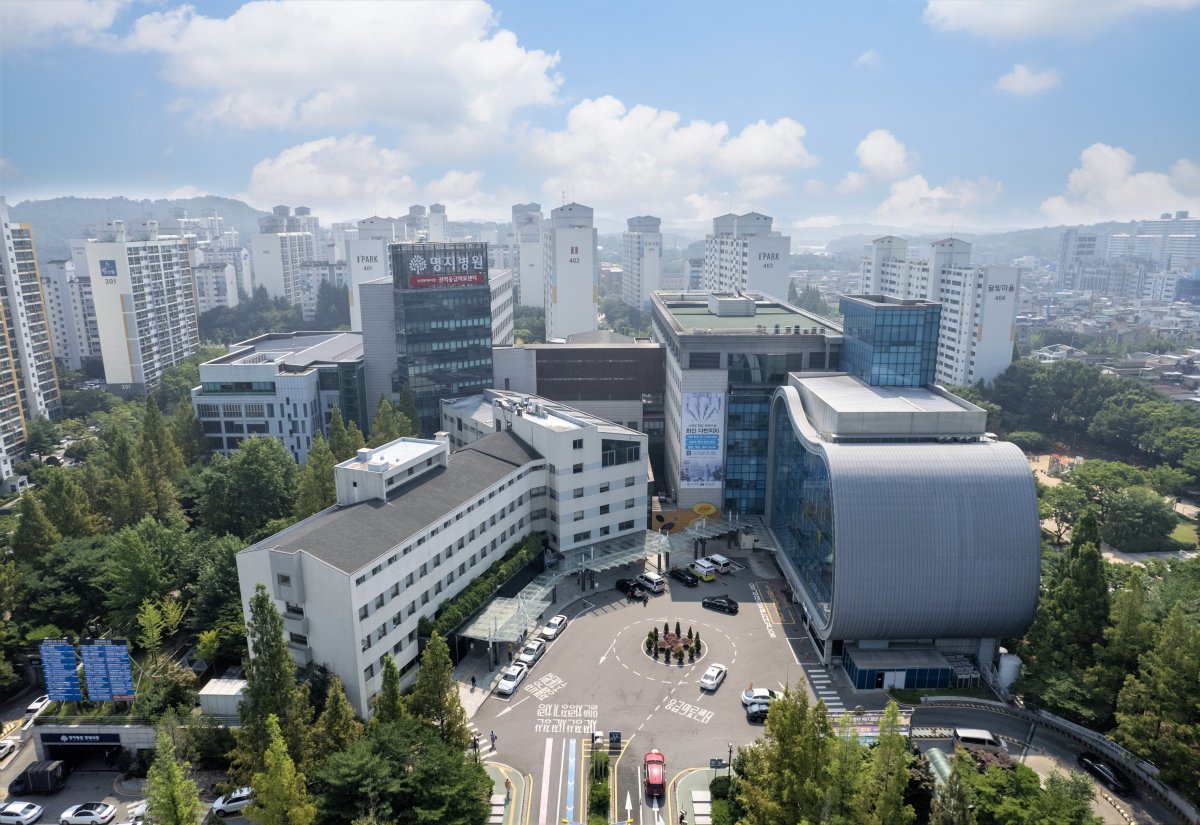

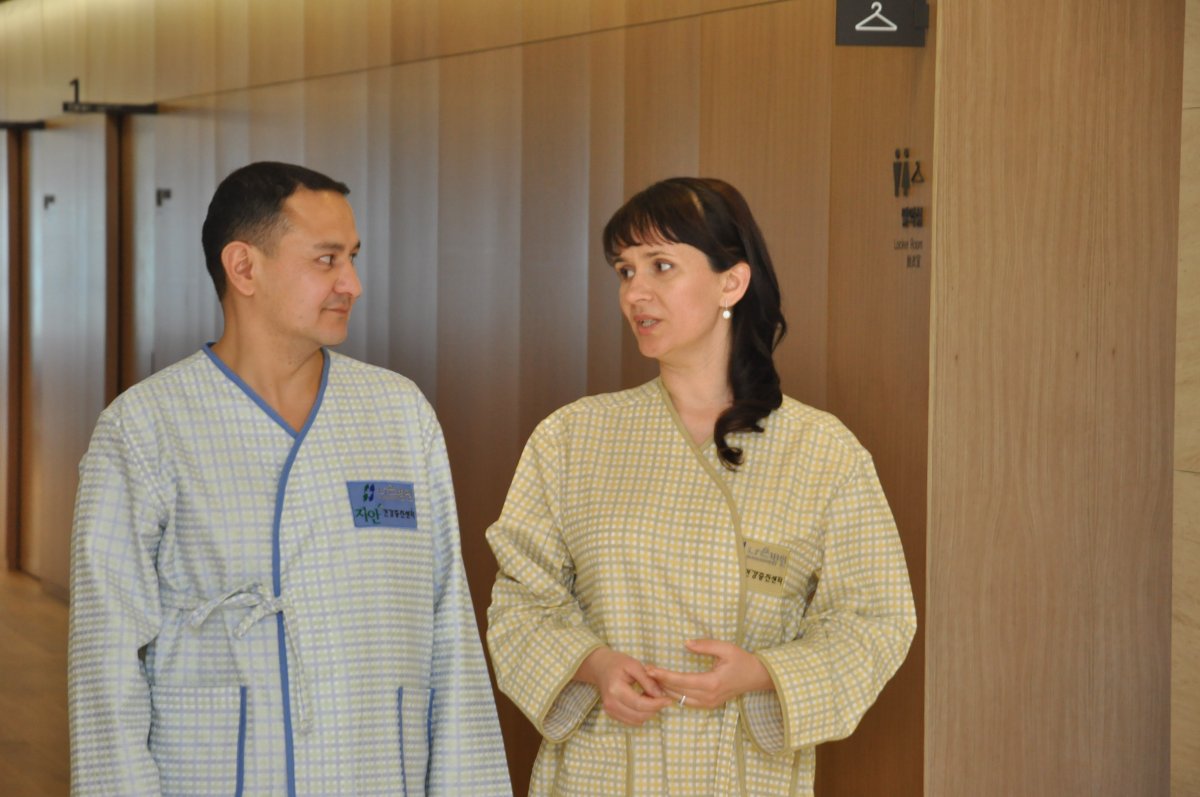








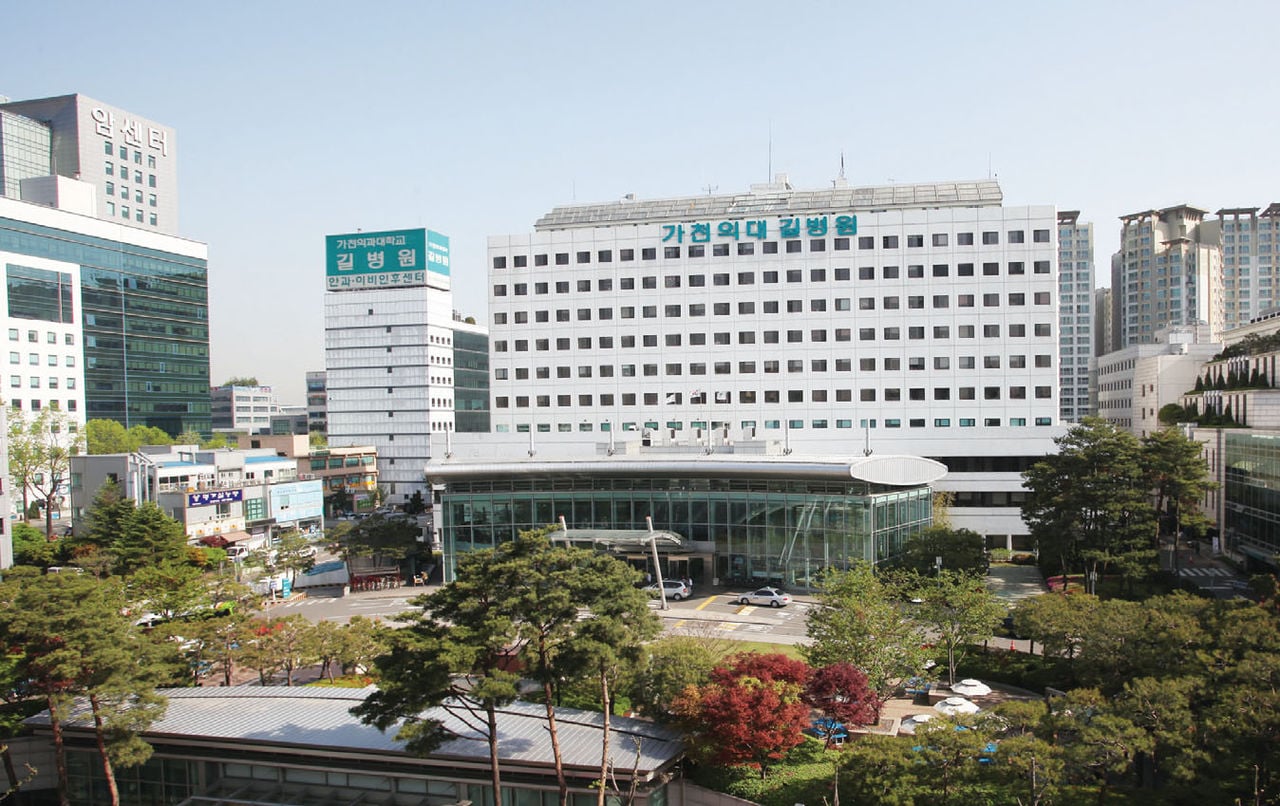


Descripción general de Cirugía de cáncer de páncreas en Corea del Sur
- Cirugía de Whipple - de $28,000La operación extirpa partes del páncreas, el estómago y los conductos biliares para tratar el cáncer de páncreas.
- Pancreatectomía distal - de $14,000El procedimiento consiste en extirpar el extremo de la cola del páncreas para tratar enfermedades como el cáncer y evitar una mayor propagación.
- Enucleación de tumor en páncreas - de $9,500El procedimiento consiste en extirpar quirúrgicamente los bultos pancreáticos, preservar la función del órgano y ofrecer una recuperación más rápida.
- Cirugía de cáncer de páncreas - de $25,000El procedimiento elimina las células malignas, con el objetivo de aliviar los síntomas, mejorar la calidad de vida y aumentar las tasas de supervivencia.
Día 1 - Llegada
- Llegada al hospital para el ingreso.
- Complete el papeleo necesario y el registro.
Día 2 - Preoperatorio
- Consulta con un oncólogo quirúrgico.
- Consulta con un anestesiólogo.
- Las pruebas preoperatorias incluyen análisis de sangre, radiografía de tórax y ECG.
- Las pruebas adicionales pueden incluir resonancia magnética o tomografía computarizada si es necesario.
Día 3 - Cirugía de cáncer de páncreas
- El procedimiento comienza temprano en la mañana.
- Se le sedará con anestesia general.
- La cirugía puede durar entre 2 a 6 horas.
- Después de la cirugía, lo trasladarán a la sala de recuperación.
Día 4 a 7 - Postoperatorio
- Será monitoreado en la Unidad de Cuidados Intensivos (UCI).
- Se proporcionará manejo del dolor y cuidado de heridas.
- Los consejos de nutrición serán dados por un dietista.
Semana 1 a 3 - Rehabilitación
- La fisioterapia comenzará en la primera semana.
- Las actividades ligeras se pueden reanudar en la segunda semana.
- Una cita de seguimiento con el cirujano en la tercera semana.
Semana 4 a 6 - Regreso a las actividades normales
- El regreso gradual al trabajo es posible a partir de la quinta semana.
- Regreso a los deportes o actividades extenuantes a la sexta semana.
- La recuperación completa y los resultados finales pueden tardar varios meses.
Tenga en cuenta que la experiencia de cada paciente con la cirugía de cáncer de páncreas puede variar según su estado de salud individual y la complejidad de la cirugía. Siga siempre los consejos de su proveedor de atención médica.
- Depósito de Bookimed: 200 $ o 200 €.
- Depósito de la clínica: Pague un porcentaje fijo por adelantado.
Obtenga una evaluación médica para Cirugía de cáncer de páncreas en Corea del Sur: Elija su especialista entre los mejores en el campo
Ver todos los médicos
Park Sundo
El Dr. Park Sundo es especialista en cirugía general y del aparato digestivo en el Hospital Naeun. Su experiencia abarca cirugía colorrectal, proctológica, mamaria, tiroidea, laparoscópica, biliar, pancreática y pediátrica.
Sus tratamientos clave incluyen cirugía proctológica, como la hemorroidectomía y el tratamiento de las hemorroides y la fístula anal. Realiza cirugía laparoscópica para cálculos biliares (colelitiasis) y apendicitis. Su atención oncológica abarca el cáncer gástrico
Historias en video de pacientes de Bookimed
Reseñas
Todas las reseñasCompartir contenido
 Olena Sikoza
Preguntas frecuentes sobre Cirugía de cáncer de páncreas en Corea del Sur
¿Cuáles son las tasas de supervivencia y los resultados de la cirugía de cáncer de páncreas en Corea?
La cirugía de cáncer de páncreas en Corea logra resultados de clase mundial, con centros de primer nivel que reportan tasas de mortalidad perioperatoria tan bajas como el 0.2 por ciento. La tasa de supervivencia general a 5 años ha aumentado a aproximadamente el 16.5 por ciento, mientras que los pacientes que se someten a una resección quirúrgica exitosa muestran una supervivencia media que alcanza los 32.2 meses.
- Supervivencia tras resección: Estudios recientes muestran que la supervivencia a 5 años alcanza el 30 por ciento para los pacientes después de una extirpación exitosa del tumor.
- Seguridad quirúrgica: Centros importantes como el Hospital de la Universidad Nacional de Seúl superan los puntos de referencia globales para procedimientos complejos de Whipple.
- Técnicas avanzadas: Las clínicas utilizan sistemas robóticos da Vinci y laparoscopia para reducir las complicaciones y el tiempo de recuperación.
- Volumen de tratamiento: El Samsung Medical Center y el Asan Medical Center realizan más de 45,000 a 65,000 cirugías anualmente.
Perspectiva del experto de Bookimed: El éxito quirúrgico de Corea se debe a una especialización extrema y un gran volumen. Clínicas como el Asan Medical Center y el Samsung Medical Center manejan cargas masivas de pacientes, lo que se correlaciona directamente con sus tasas de mortalidad del 0.2 por ciento. E
¿Cuáles son los principales riesgos y complicaciones de la cirugía de cáncer de páncreas?
La cirugía de cáncer de páncreas en la República de Corea conlleva riesgos como la fístula pancreática, donde el líquido digestivo se filtra de las conexiones quirúrgicas. Los pacientes también pueden enfrentar un vaciado gástrico retrasado, hemorragia interna y cambios metabólicos a largo plazo, incluida la diabetes de nueva aparición o la insuficiencia de enzimas digestivas que requiere terapia de reemplazo de por vida.
- Fístula pancreática: Fuga de líquido de la anastomosis que causa irritación localizada, abscesos o infecciones graves.
- Vaciado gástrico retrasado: El estómago se recupera lentamente, lo que a menudo requiere sondas nasogástricas temporales o nutrición intravenosa.
- Impacto metabólico: La extirpación parcial del páncreas puede desencadenar diabetes insulinodependiente o empeorar el control existente del azúcar en sangre.
- Insuficiencia digestiva: La reducción de la producción de enzimas conduce a malabsorción, diarrea crónica y una pérdida de peso significativa después de la operación.
Perspectiva de expertos de Bookimed: Los centros de gran volumen de Corea del Sur, como el Centro Médico Asan y el Centro Médico Samsung, realizan más de 45,000 cirugías al año. Esta escala masiva crea una ventaja de seguridad. Los datos muestran que los hospitales que manejan estos volúmenes mantienen tasas de éxito superiores en procedimi
¿Qué técnicas quirúrgicas se utilizan para el cáncer de páncreas en Corea?
Los cirujanos surcoreanos se especializan en resecciones complejas de cáncer de páncreas, utilizando sistemas robóticos avanzados y técnicas laparoscópicas mínimamente invasivas en centros oncológicos de gran volumen. Estas instalaciones priorizan las reconstrucciones con preservación de vasos y tecnologías de precisión como NanoKnife para mejorar los resultados en tumores resecables al límite en hospitales especializados acreditados por la JCI.
- Cirugía de Whipple: Estándar para tumores localizados en la cabeza del páncreas, a menudo realizada mediante enfoques asistidos por robot o totalmente laparoscópicos.
- Pancreatectomía distal: Se utiliza para tumores en el cuerpo o la cola, empleando frecuentemente métodos laparoscópicos que preservan el bazo.
- Cirugía asistida por robot: Los cirujanos utilizan sistemas da Vinci para microanastomosis delicadas y reconstrucción de conductos con visualización 3D.
- Técnicas de ablación: NanoKnife (IRE) y la ablación por radiofrecuencia se dirigen a tumores que no son claramente elegibles para resección.
Opinión de expertos de Bookimed: El volumen de cirugías se correlaciona directamente con la seguridad en Corea. El Centro Médico Asan y el Centro Médico Samsung realizan más de 45,000 cirugías al año cada uno. Esta inmensa escala permite a los cirujanos dominar técnicas robóticas de puerto único que red
¿Quién es candidato para la cirugía de cáncer de páncreas?
Los candidatos para la cirugía de cáncer de páncreas suelen ser pacientes con tumores localizados que no han hecho metástasis en órganos distantes como el hígado o los pulmones. La elegibilidad requiere una estadificación resecable o límite, confirmada por tomografías computarizadas de alta resolución que muestren una afectación mínima de las arterias y venas principales.
- Estado anatómico: El tumor debe estar confinado sin envolver la arteria mesentérica superior.
- Estado físico: Los pacientes necesitan un alto estado funcional para soportar una cirugía mayor distal o de Whipple.
- Marcadores biológicos: Los niveles estables de CA 19-9 sugieren la ausencia de una propagación microscópica agresiva de la enfermedad.
- Respuesta al tratamiento: Los pacientes que responden bien a la quimioterapia neoadyuvante pueden calificar para una reevaluación quirúrgica.
Perspectiva del experto de Bookimed: Los centros coreanos líderes, como el Samsung Medical Center y el Asan Medical Center, realizan más de 45,000 cirugías al año, lo que crea una brecha de experiencia de alto volumen. Los datos muestran que las clínicas aquí a menudo utilizan sistemas robóticos para ofrecer opciones de cirugía sin sangre, lo cual puede ser crítico para pacientes con afectación vascular compleja.
Consenso de los pacientes: Los pacientes a menudo enfa
¿Cuál es el cronograma de recuperación después de una cirugía de cáncer de páncreas?
La recuperación del cáncer de páncreas en Corea del Sur generalmente implica una estancia hospitalaria de 5 a 14 días, lográndose la recuperación funcional en 4 a 8 semanas. La restauración completa de la digestión y la resistencia a menudo requiere de 6 meses a 2 años, dependiendo de si se utilizaron técnicas mínimamente invasivas robóticas o laparoscópicas.
- Estancia hospitalaria: Los pacientes generalmente permanecen hospitalizados durante 8 días para el monitoreo estándar y el drenaje.
- Límites de actividad: Se debe evitar levantar objetos pesados y realizar ejercicios extenuantes durante 4 a 6 semanas.
- Ajuste dietético: Los pacientes pasan a realizar de 6 a 8 comidas pequeñas al día durante los primeros 2 meses.
- Planificación del viaje: Los pacientes internacionales deben permanecer en Corea durante 2 a 3 semanas después de la cirugía.
Opinión de expertos de Bookimed: Los centros surcoreanos como el Samsung Medical Center y el Asan Medical Center mantienen altas tasas de éxito mediante la integración de imágenes digitales y sistemas robóticos. Los datos sugieren que los pacientes que eligen estas clínicas de alto volumen se benefician de protocolos de recuperación optimizados, a menudo comenzando la terapia adyuvante exactamente de 6 a 8 semanas después del procedimiento.
Consenso de los pacientes: Espere que
¿Qué cualificaciones debo buscar en un cirujano de páncreas en Corea?
Seleccione un cirujano certificado por la Sociedad Coreana de Cirugía con formación de subespecialidad (fellowship) en cirugía hepatobiliar y pancreática. Dé prioridad a los especialistas en centros universitarios de gran volumen como el Samsung Medical Center o el Asan Medical Center, que realizan cientos de resecciones anualmente utilizando sistemas laparoscópicos o robóticos da Vinci.
- Certificación: Debe poseer la certificación de la Sociedad Coreana de Cirugía y credenciales de subespecialidad en cirugía hepatobiliar y pancreática.
- Volumen institucional: Elija clínicas que realicen más de 45,000 cirugías anuales para garantizar tasas bajas de complicaciones.
- Experiencia técnica: Verifique la experiencia en procedimientos de Whipple asistidos por robot y pancreatectomías distales mínimamente invasivas.
- Apoyo multidisciplinario: Asegúrese de tener acceso a equipos integrados en gastroenterología, oncología radioterápica y cuidados intensivos especializados.
Perspectiva del experto de Bookimed: Los datos muestran un claro nivel de calidad entre los hospitales más importantes de Seúl. Clínicas como el Samsung Medical Center y el Asan Medical Center gestionan más de 55,000 cirugías al año. Este volumen masivo permite a los cirujanos mantener una competencia técnica máxima. Elegir estos centros a menudo otorga acceso a estándares de nivel
¿Qué preparación preoperatoria se requiere para la cirugía de cáncer de páncreas?
La preparación preoperatoria para la cirugía de cáncer de páncreas en Corea del Sur requiere un examen médico integral, optimización nutricional y prehabilitación física. Los pacientes se someten a pruebas de función pulmonar, ECG y drenaje biliar para controlar la ictericia. Los especialistas en centros acreditados por la JCI, como el Hospital Severance, coordinan protocolos de quimioterapia para garantizar que los tumores sean resecables antes de la cirugía.
- Evaluación médica: Las pruebas cardiopulmonares, incluidos ECG, radiografías de tórax y pruebas de función pulmonar, aseguran la aptitud quirúrgica.
- Apoyo nutricional: Las dietas ricas en proteínas y los suplementos combaten la malabsorción y la pérdida de peso, comunes en oncología.
- Manejo biliar: La colocación de stents mediante drenaje endoscópico resuelve la ictericia obstructiva para estabilizar a los pacientes antes de la resección.
- Protocolo de medicación: Los anticoagulantes como la aspirina o la warfarina deben suspenderse días antes de que comience la anestesia general.
Opinión de expertos de Bookimed: Corea del Sur se especializa en la preparación digital, donde clínicas como el Hospital Bundang de la Universidad Nacional de Seúl utilizan sistemas de seguridad integrados. Los datos muestran que los principales centros, como el Centro Médico Asan, realizan más de 65,000