Reconstrucción de articulaciones de pies y dedos de los pies. en Corea del Sur — obtén 3 clínicas con costos


Revisado médicamente por
Fahad Mawlood
¿Cuál es el precio de Reconstrucción de articulaciones de pies y dedos de los pies. en Corea del Sur? Descubra ahora
La reconstrucción de las articulaciones del pie y los dedos en la República de Corea suele costar entre $5,500 y $12,500. El precio final depende de la técnica quirúrgica específica, el nivel del hospital y la complejidad de la deformidad. En los EE. La mayoría de los paquetes médicos incluyen pruebas preoperatorias, anestesia, cirugía y varios días de hospitalización.
- Cirugía de juanetes (hallux valgus): A menudo cuesta entre un 30 y un 40% menos que las reconstrucciones complejas de múltiples articulaciones.
- Ubicación del hospital: Los centros ortopédicos especializados en Seúl o Incheon pueden tener precios ligeramente más altos.
- Nivel de las instalaciones: Las grandes instituciones multidisciplinarias como el Centro Médico Asan a menudo cobran una tarifa superior.
- Diagnóstico por imagen: Los costos directos de las resonancias magnéticas suelen añadir varios cientos de dólares al total.
Perspectiva del experto de Bookimed: Elegir centros de gran volumen como el Hospital Severance o el SNUH garantiza el acceso a una atención acreditada por la JCI. Estas instalaciones tratan a miles de pacientes diariamente y ofrecen tecnología robótica avanzada e imágenes digitales. Para la cirugía de pie, busque expertos con formación especializada (fellowship) como el Dr. Yang Young Joon. Él se especializa en microcirugía de mano y pie en el Hospital Na-Eun. Esto proporciona una atención especializada a tarifas potencialmente mejores que las de los hospitales generales de primer nivel.
Beneficios clave
¿Por qué elegir la República de Corea para la reconstrucción de articulaciones del pie y dedos?
- Clínicas acreditadas: Hospitales certificados por JCI ofrecen atención médica que cumple con estándares internacionales. Priorizan la seguridad del paciente y la calidad del cuidado.
- Últimas tecnologías: Técnicas como implantes impresos en 3D y herramientas de cirugía mínimamente invasiva, incluyendo el sistema NanoScope de Arthrex, mejoran la precisión y los tiempos de recuperación.
- Altas tasas de éxito: Los procedimientos para la reconstrucción de articulaciones del pie y dedos han mostrado una notable tasa de éxito del 85-90% en la restauración de la función y la reducción del dolor en diversas condiciones.
- Cirujanos expertos: Los mejores cirujanos ortopédicos, certificados por la Asociación Ortopédica de Corea, han realizado más de 2,000 casos exitosos de reconstrucción. Esto resalta su experiencia y dedicación a la excelencia.
Acceda a soluciones avanzadas de reconstrucción de articulaciones del pie y dedos en clínicas de confianza de $5,500.
| Corea del Sur | España | Turquía | |
|---|---|---|---|
| Reconstrucción de articulaciones de pies y dedos de los pies. | ≈ $5,500 | de $16,800 | de $6,100 |
Sus beneficios y garantías con Bookimed
Precios directos
Bookimed no añade cargos adicionales a los precios de Reconstrucción de articulaciones de pies y dedos de los pies.. Las tarifas proceden de las listas de precios oficiales de las clínicas. Pagará directamente en la clínica por su Reconstrucción de articulaciones de pies y dedos de los pies. a su llegada al país.
Sólo clínicas y médicos verificados
Bookimed está comprometido con su seguridad. Solo trabajamos con las clínicas que mantienen altos estándares internacionales en Reconstrucción de articulaciones de pies y dedos de los pies. y tienen las licencias necesarias para atender a pacientes internacionales en todo el mundo.
Asistencia 24/7 gratuita
Bookimed ofrece asistencia experta gratuita. Un coordinador médico personal le apoya antes, durante y después del tratamiento, resolviendo cualquier problema. Nunca estará solo en su viaje médico de Reconstrucción de articulaciones de pies y dedos de los pies..

Su coordinador médico personal de Bookimed
- Le apoya en cada etapa
- Ayuda a elegir la clínica y el médico adecuados
- Asegura un acceso rápido y conveniente a la información
Descubra las mejores clínicas de Reconstrucción de articulaciones de pies y dedos de los pies. en Corea del Sur: 4 opciones verificadas y Precios
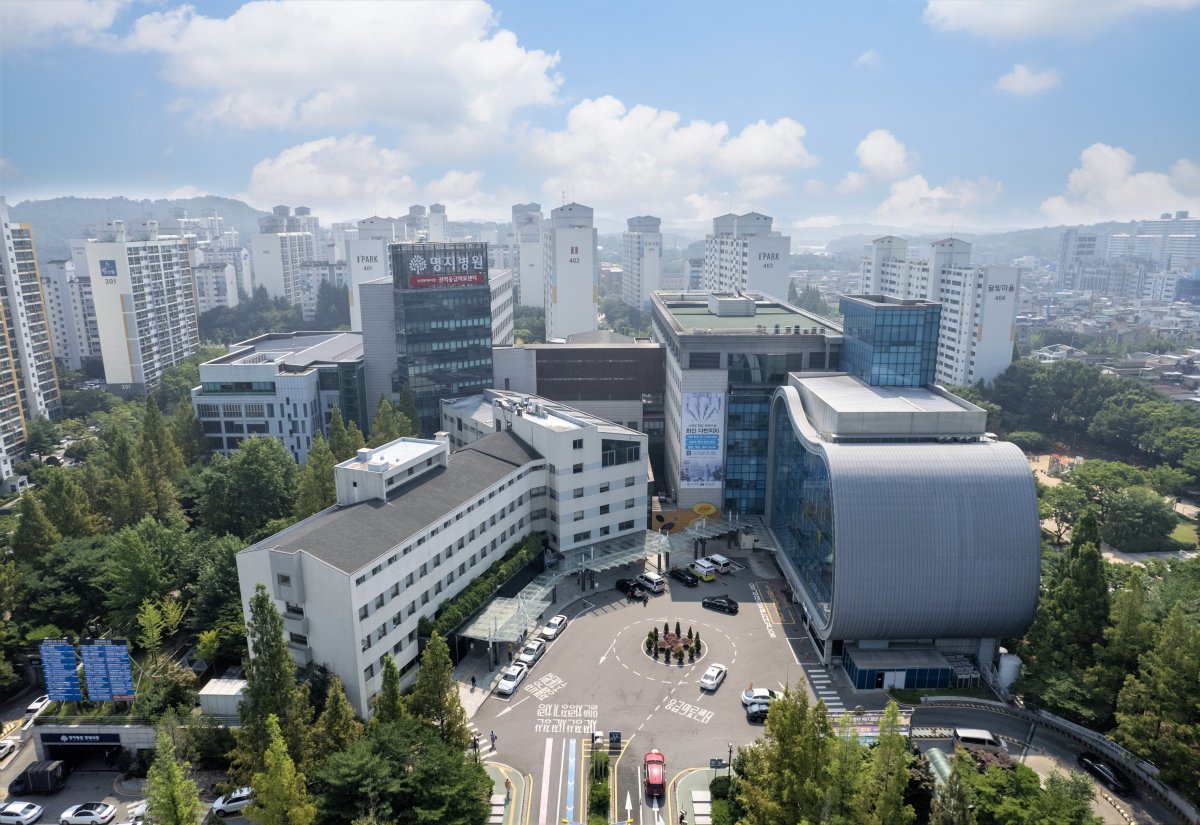











Descripción general de Reconstrucción de articulaciones de pies y dedos de los pies. en Corea del Sur
- Cirugía de reconstrucción mamaria - de $9,000La operación restaura la forma del seno después de la mastectomía, utilizando implantes o tejido corporal. Aumenta la imagen corporal y la confianza.
- Reconstrucción de articulaciones de pies y dedos de los pies. - de $5,500Este procedimiento corrige las deformidades de las articulaciones de los pies y los dedos de los pies mejorando la movilidad, reduciendo el dolor y mejorando la salud general del pie.
- Cirugía reconstructiva - de $8,500Esta terapia recupera la función corporal, mejora la apariencia a través de la reparación quirúrgica y se beneficia enormemente de las técnicas de injerto.
- Reconstrucción mamaria prepectoral - de $9,500Esta cirugía rehace los senos después de la mastectomía, colocando implantes sobre los músculos del pecho para una apariencia más natural y acelerando la recuperación.
- Reconstrucción mamaria con colgajo DIEP - de $14,000**Reconstrucción con colgajo DIEP (cirugía con colgajo perforante epigástrico inferior profundo):** Esta cirugía reconstruye la mama utilizando piel y grasa de la parte inferior del abdomen, preservando el músculo para conseguir un aspecto natural y una recuperación más suave.
Día 1
- Llegada y traslado a su alojamiento.
- Consulta inicial con el cirujano ortopédico.
- Pruebas preoperatorias que incluyen radiografías y análisis de sangre.
Dia 2
- Cita con anestesiólogo para valoración preoperatoria.
- Discusión del plan quirúrgico y riesgos potenciales.
Día 3
- Traslado a la clínica para cirugía.
- Reconstrucción de articulaciones de pies y dedos bajo anestesia general.
- La cirugía dura aproximadamente 2-3 horas.
Día 4-7
- Atención postoperatoria en la clínica.
- Manejo del dolor y cuidado de heridas.
- Planificación del alta con el equipo sanitario.
Semana 1-2
- Descanso y recuperación en casa.
- Cuidados y revisiones periódicas de heridas.
Semana 3-6
- Iniciar fisioterapia para la movilidad del pie.
- Regreso paulatino a las actividades diarias ligeras.
Semana 7-12
- Continúe con la fisioterapia y los controles regulares.
- Regreso al trabajo y actividades normales en esta etapa.
Mes 6
- Se puede observar el resultado final de la reconstrucción.
Tenga en cuenta que la recuperación de cada paciente puede variar y el cronograma proporcionado es una guía general.
- Depósito de Bookimed: 200 $ o 200 €.
- Depósito de la clínica: Pague un porcentaje fijo por adelantado.
Reseñas
Todas las reseñasCompartir contenido
Historias en video de pacientes de Bookimed
 Olena Sikoza
Preguntas frecuentes sobre Reconstrucción de articulaciones de pies y dedos de los pies. en Corea del Sur
¿Necesito una visa para Corea del Sur?
Hasta la fecha, Corea del Sur tiene acuerdos sin visado con 112 estados . No se requiere visa para estadías de menos de 90 días. Para permanecer más tiempo en este país, necesita una visa. Qué estados necesitan una visa para el tratamiento en Corea del Sur y qué países pueden cruzar las fronteras de forma gratuita y fácil de leer aquí .
¿Cuál es el nivel de la medicina en Corea del Sur?
El cuidado de la salud es un sector de desarrollo clave del gobierno coreano. Las autoridades coreanas están convencidas de que el cuidado de la salud de los ciudadanos debe ser una prioridad incondicional de la política estatal, y anualmente gastan alrededor de mil millones de dólares para atraer turistas médicos.
Según Mark Britnell , los hospitales dominan el sistema de salud. El 94% de los hospitales son de propiedad privada.
¿Cuáles son las cirugías plásticas más populares?
Según las estadísticas de la ASPS , en 2018 se realizaron 17,7 millones de cirugías estéticas y 5,8 millones de procedimientos reconstructivos. Los procedimientos cosméticos más populares incluyen:
- aumento de senos
- liposucción
- rinoplastia (cirugía de nariz)
- cirugía de párpado
- Abdominoplastia.
La extirpación de tumores, la cicatrización de desgarros, la cirugía maxilofacial, la revisión de cicatrices, la cirugía de la mano son las operaciones más comunes en el contexto de la cirugía reconstructiva.
¿Qué documentos se requieren para solicitar una visa a Corea del Sur para recibir tratamiento?
Las visas para viajar a Corea del Sur requieren una serie de documentos . La documentación necesaria se puede presentar 90 días antes de la salida prevista. La lista de documentos incluye:
- tarjeta de identificación
- confirmación del registro en línea y llenado del cuestionario
- certificado de ingresos y disponibilidad de fondos
- póliza de seguro de estancia en Corea del Sur (original y copia)
- 2 fotos (5x6)
- obtener una visa
- reserva de vuelos y hoteles
- opinión del médico sobre la necesidad de tratamiento.
¿Qué necesitas saber sobre Corea del Sur antes de viajar?
Moneda | Won surcoreano (el pago de los servicios también es posible en dólares) |
Mejor época para viajar | Abril, mayo y junio o septiembre, octubre y noviembre. |
Idioma | Coreano (la mayoría del personal médico habla inglés con fluidez) |
Visa | no requerido para estadías de hasta 90 días o menos |
Diferencia horaria con Europa | 9:00 |
Diferencia horaria de Estados Unidos | 9:00 |
Capital | Seúl |
Centro de Turismo Médico | seúl |
Estaciones populares | Gangwon-do, Gyeongju, Boseong, Jeju |
¿Qué servicios hoteleros se brindan aquí?
En Corea del Sur , hay hoteles de diferentes rangos de precios y niveles de servicio. La mayoría de los turistas eligen hoteles de 4 y 5 estrellas con régimen de todo incluido. Dichos hoteles tienen todo para una estancia confortable: comida variada, amplio territorio bien cuidado, animación para niños y adultos. Algunos hoteles tienen su propio parque acuático, que los huéspedes pueden utilizar de forma gratuita. Los viajeros con poco presupuesto pueden permitirse reservar un hotel económico de 3 estrellas con media pensión o sin comidas.