Terapia dirigida en Corea del Sur — obtén 3 clínicas con costos


Revisado médicamente por
Fahad Mawlood
¿Cuál es el precio de Terapia dirigida en Corea del Sur? Descubra ahora
La terapia dirigida en la República de Corea suele costar entre $6,500 y $12,500. Los gastos finales dependen del tipo de fármaco, el perfil de mutación y el nivel específico del hospital. En los EE. Estos costos generalmente cubren la medicación, las consultas con expertos y el monitoreo diagnóstico esencial.
- Terapia con Lutecio-177: de $13,500 a $19,500 para el tratamiento con radioligandos dirigidos.
- Ciclos de fármacos estándar: Los protocolos estándar en los principales hospitales universitarios suelen oscilar entre $10,500 y $18,900.
- Protocolos clínicos avanzados: Los hospitales digitales especializados pueden cobrar entre un 20 y un 40% más por terapias complejas basadas en datos.
- Diferencias de precios regionales: Los centros en Incheon a menudo ofrecen tarifas más competitivas que las clínicas en el centro de Seúl.
Perspectiva del experto de Bookimed: Elegir un centro como el Hospital Bundang de la Universidad Nacional de Seúl (SNUBH) ofrece un valor único gracias a su estatus como el primer hospital totalmente digital de Corea. Esta integración digital ayuda a reducir los errores médicos. Para aquellos que buscan una atención de nivel presidencial, el Samsung Medical Center y el Hospital de la Universidad Nacional de Seúl (SNUH) son el estándar de oro. Estos centros son frecuentemente reconocidos por Newsweek como los mejores hospitales del mundo. Muchos centros coreanos de primer nivel, como el Hospital Severance y el Hospital Anam de la Universidad de Corea, cuentan con la acreditación de la Joint Commission International (JCI), lo que garantiza estándares de seguridad occidentales con ahorros significativos.
Beneficios clave
¿Por qué eligen los pacientes la República de Corea para la terapia dirigida?
- Clínicas acreditadas: Hospitales certificados por JCI aseguran atención de alta calidad y cumplimiento con estándares internacionales.
- Últimas tecnologías: Se utilizan técnicas como la terapia con células CAR-T y dispositivos como el Elekta Unity MR-linac para tratamientos de precisión. Las marcas líderes incluyen Novartis y Gilead Sciences.
- Altas tasas de éxito: Las terapias dirigidas demuestran una eficacia del 70-90% en el tratamiento de varios tipos de cáncer. Esto lleva a mejoras significativas en los resultados de los pacientes.
- Cirujanos expertos: Oncólogos de renombre, certificados en oncología molecular e inmunoterapia, han realizado más de 2,000 casos de terapia dirigida. Esto demuestra su experiencia y conocimiento.
Acceda a soluciones avanzadas de terapia dirigida en clínicas de confianza de $6,500.
| Corea del Sur | España | Turquía | |
|---|---|---|---|
| Terapia dirigida | ≈ $6,500 | de $5,000 | de $3,000 |
| Terapia con lutecio-177 | ≈ $13,500 | de $69,500 | de $6,500 |
| Terapia con Actinio-225 | ≈ $18,000 | ≈ $28,000 | de $20,500 |
| Oncotermia | ≈ $1,800 | ≈ $2,200 | ≈ $2,400 |
Sus beneficios y garantías con Bookimed
Precios directos
Bookimed no añade cargos adicionales a los precios de Terapia dirigida. Las tarifas proceden de las listas de precios oficiales de las clínicas. Pagará directamente en la clínica por su Terapia dirigida a su llegada al país.
Sólo clínicas y médicos verificados
Bookimed está comprometido con su seguridad. Solo trabajamos con las clínicas que mantienen altos estándares internacionales en Terapia dirigida y tienen las licencias necesarias para atender a pacientes internacionales en todo el mundo.
Asistencia 24/7 gratuita
Bookimed ofrece asistencia experta gratuita. Un coordinador médico personal le apoya antes, durante y después del tratamiento, resolviendo cualquier problema. Nunca estará solo en su viaje médico de Terapia dirigida.

Su coordinador médico personal de Bookimed
- Le apoya en cada etapa
- Ayuda a elegir la clínica y el médico adecuados
- Asegura un acceso rápido y conveniente a la información
Descubra las mejores clínicas de Terapia dirigida en Corea del Sur: 8 opciones verificadas y Precios









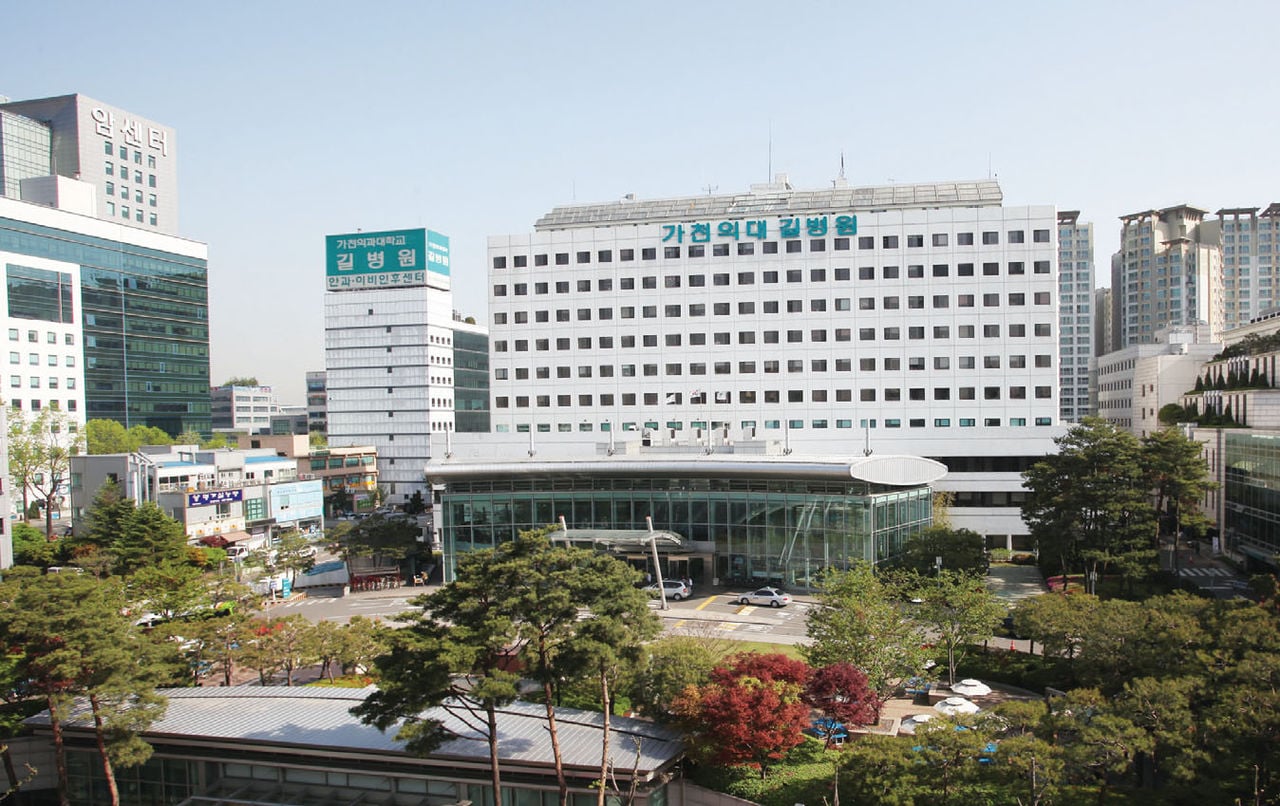


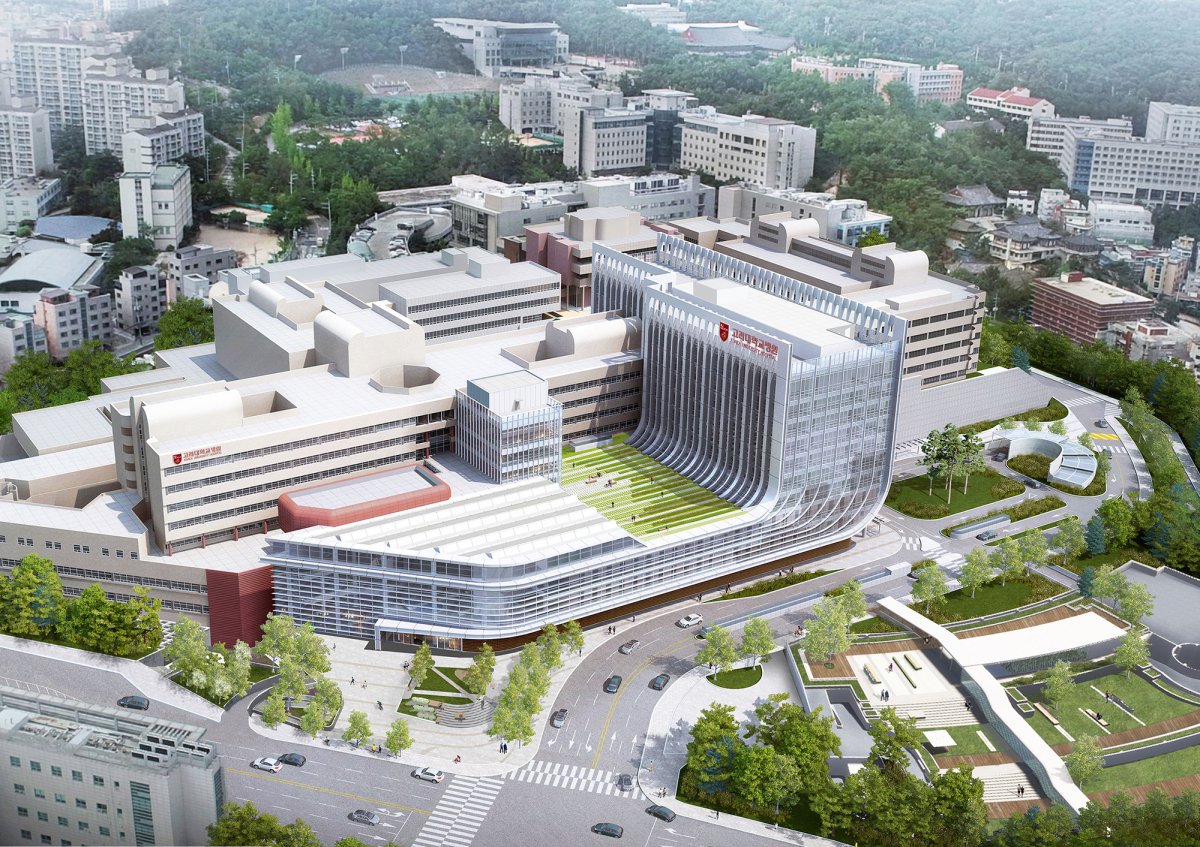
Descripción general de Terapia dirigida en Corea del Sur
- Terapia dirigida - de $6,500Esta terapia se enfoca en células cancerosas específicas, frenando su crecimiento y diseminación con menos efectos secundarios.
- Terapia con lutecio-177 - de $13,500Esta terapia utiliza partículas radiactivas para matar las células cancerosas, ofreciendo un tratamiento preciso y eficaz con menos efectos secundarios.
Día 1: Llegada
- Llegada al país para terapia dirigida.
- Instalarse en su alojamiento (no incluido).
Día 2: Etapa preoperatoria
- Reunirse con un especialista en oncología para consulta.
- Hemograma completo con marcadores de cáncer y proteinograma.
- Pruebas adicionales a criterio del especialista.
Día 3: Terapia Dirigida
- Llegada a la clínica para terapia Dirigida.
- Los detalles del procedimiento se explicarán antes de comenzar.
- El proceso puede tomar de 1 a 3 horas.
- Se utilizará anestesia local o no.
Día 4: Etapa Post-Operatoria
- Permanezca en la clínica para observación posterior al procedimiento.
- Por consejo médico, el paciente puede abandonar la clínica.
Semana 1-2: Rehabilitación
- Seguimientos periódicos con el especialista en oncología.
- Vuelta al trabajo según sugerencia del especialista.
- Regreso paulatino a otras actividades.
- Las actividades deportivas deben reanudarse después de 2 semanas.
Tenga en cuenta que el caso de cada paciente es individual y puede variar.
Lo que les gusta a los pacientes:
- Precio. El costo de la terapia dirigida en la República de Corea oscila entre $ 20000 y $ 30000. Este precio es más asequible en comparación con el costo promedio en países como Estados Unidos, que puede llegar hasta los $50000.
- Profesionalidad de los médicos. Los pacientes aprecian el alto nivel de profesionalismo demostrado por los médicos coreanos. Están bien capacitados, a menudo con certificaciones internacionales y membresías en organizaciones médicas acreditadas.
- Nivel de servicio. El nivel de servicio en los hospitales coreanos es notablemente alto. Los pacientes disfrutan de atención personalizada, instalaciones modernas y un sistema de salud eficiente.
- Eficacia de la terapia dirigida. Los pacientes reportan resultados positivos de su terapia dirigida. Esto se debe al uso de técnicas modernas y equipos médicos avanzados.
- Logística. Los pacientes encuentran que el proceso logístico es fluido. Desde la programación de citas hasta el tratamiento, el proceso es continuo y está bien coordinado.
Lo que no les gusta a los pacientes:
- _cost_link_ Aunque es más asequible que en otros países, algunos pacientes aún encuentran alto el costo de la terapia dirigida en Corea.
- Barrera de comunicación. Los pacientes que no hablan coreano a veces enfrentan problemas de comunicación, aunque la mayoría de los hospitales tienen intérpretes.
- Tiempo de espera. Debido a la gran demanda de terapia dirigida, los pacientes a veces experimentan largos tiempos de espera.
- Depósito de Bookimed: 200 $ o 200 €.
- Depósito de la clínica: Pague un porcentaje fijo por adelantado.
Obtenga una evaluación médica para Terapia dirigida en Corea del Sur: Elija su especialista entre los mejores en el campo
Ver todos los médicos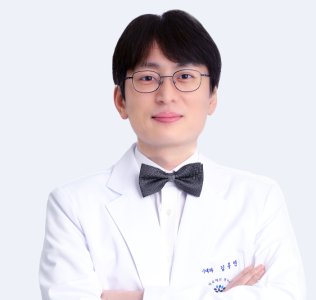
Kim Jong Yeon
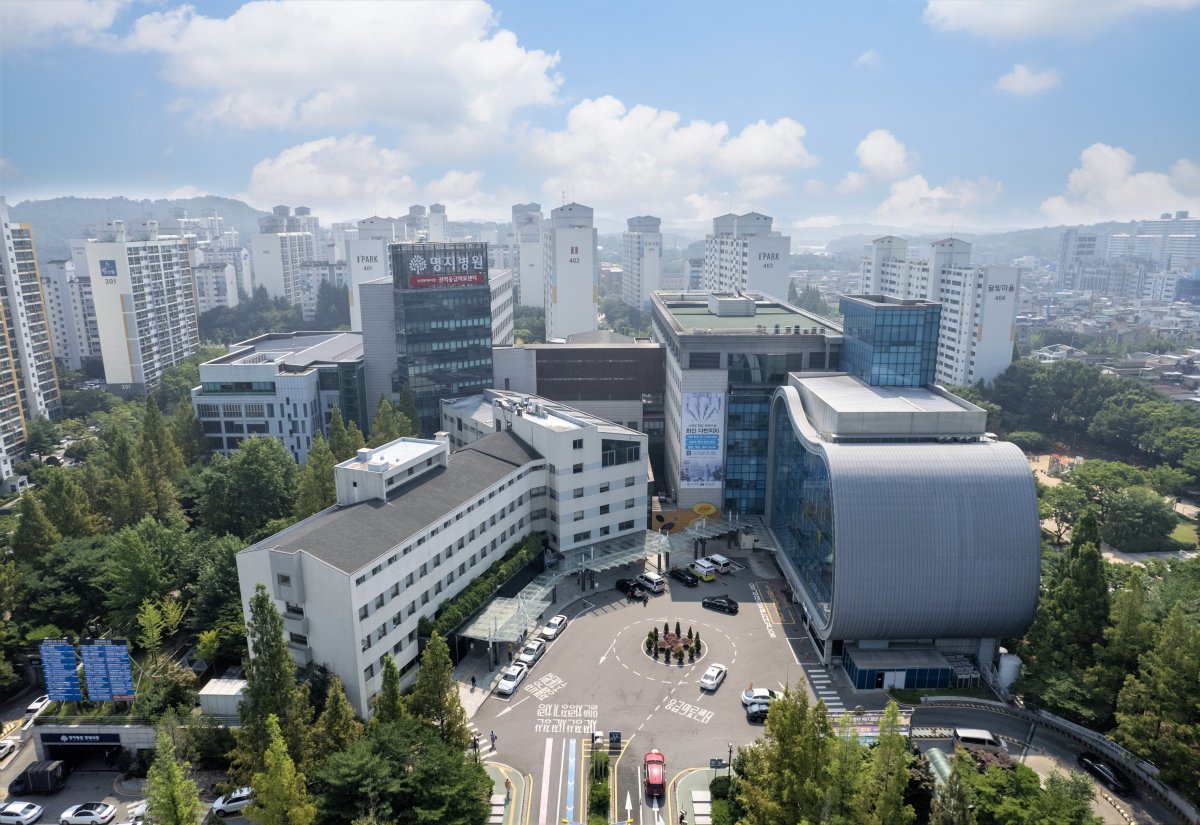
El profesor Kim Jong-yeon es gastroenterólogo en el Hospital Myongji. Trata enfermedades del esófago, estómago, colon e hígado, incluyendo cirrosis y hepatitis. Realiza endoscopia terapéutica, como la polipectomía endoscópica. También se desempeña como subdirector del Centro Internacional de Atención Médica.
Es miembro del Centro de Insuficiencia Hepática. Trabaja con equipos de hepatología, cáncer de hígado y trasplantes para proporcionar atención coordinada para enfermedades hepática
Historias en video de pacientes de Bookimed
Reseñas
Todas las reseñasCompartir contenido
 Olena Sikoza
Preguntas frecuentes sobre Terapia dirigida en Corea del Sur
¿Está disponible la terapia dirigida para todos los tipos de cáncer en Corea del Sur?
Corea del Sur ofrece una amplia terapia dirigida para cánceres comunes como el de pulmón, mama y colorrectal, pero no cubre todos los tipos. La disponibilidad depende de mutaciones genéticas específicas identificadas mediante pruebas NGS. Instituciones importantes como el Samsung Medical Center y el Severance Hospital proporcionan medicamentos avanzados para casos con biomarcadores aprobados.
- Cánceres disponibles: Los medicamentos dirigidos tratan el cáncer de pulmón, mama, colorrectal y ciertos cánceres de sangre.
- Pruebas genéticas: Los paneles de secuenciación de nueva generación (NGS) de rutina identifican las mutaciones elegibles para terapias adaptadas.
- Cáncer de pulmón: Los inhibidores de EGFR como el osimertinib son ampliamente accesibles para pacientes calificados.
- Credenciales clínicas: Los centros principales cuentan con certificaciones de la JCI y del Korea Institute for Healthcare Accreditation (KOIHA).
Perspectiva del experto de Bookimed: Aunque los costos de la terapia dirigida comienzan en $6,500, el valor real proviene del rápido ciclo de aprobación de medicamentos de Corea del Sur. El Samsung Medical Center y el Seoul National University Hospital a menudo brindan acceso a nuevas terapias años antes que otras regiones. Esto convierte a Corea en una opción estratégica para los pacientes que buscan las últimas
¿Qué hospitales en Corea del Sur se especializan en terapia dirigida y qué los distingue?
Los mejores hospitales de Corea del Sur para la terapia dirigida incluyen el Samsung Medical Center, el Severance Hospital y el Seoul National University Hospital. Estas instituciones se distinguen por el análisis genómico de alto volumen, la secuenciación de nueva generación (NGS) y equipos multidisciplinarios que combinan mutaciones genéticas específicas con regímenes farmacológicos precisos para cánceres complejos.
- Samsung Medical Center: Cuenta con un Centro de Oncología de Precisión con más de 10,000 casos de análisis genómico.
- Severance Hospital: Ofrece soporte de UCI oncológica las 24 horas del día, los 7 días de la semana, y acceso rápido a inmunoterapias avanzadas.
- Seoul National University: Instalación totalmente digitalizada que logra algunas de las tasas de éxito contra el cáncer más altas del país.
- Ewha Womans University: Especializado en oncología de precisión para cánceres de mama y ginecológicos con un enfoque estético.
Perspectiva de expertos de Bookimed: El Samsung Medical Center y el Seoul National University Hospital atienden a un total de 3.6 millones de pacientes al año. Este volumen masivo permite a sus especialistas encontrar mutaciones genéticas raras con mayor frecuencia que en la mayoría de los centros occidentales. Este profundo conjunto de datos mejora directamente la precisión de sus paneles de secuenciació
¿El Seguro Nacional de Salud (NHI) de Corea del Sur cubre la terapia dirigida?
El Seguro Nacional de Salud (NHI) de Corea del Sur cubre muchas terapias dirigidas, lo que generalmente reduce los costos del paciente al 5 % de la factura médica total para los tratamientos reembolsados. La cobertura depende de la aprobación específica del medicamento para el tipo y estadio de cáncer del paciente, según lo determinado por el Servicio de Revisión y Evaluación del Seguro de Salud (HIRA).
- Tasas de copago: Los pacientes generalmente pagan el 5 % por los medicamentos contra el cáncer reembolsados bajo el programa de beneficios especiales.
- Lista de reembolso: Actualmente, alrededor de 150 agentes dirigidos están cubiertos para indicaciones médicas específicas y aprobadas.
- Costos no reembolsados: Los pacientes deben pagar el 100 % de su bolsillo si una terapia se usa fuera de indicación (off-label) o no está en la lista.
- Plazo de aprobación: La autorización para tratamientos dirigidos específicos suele tardar entre 2 y 4 semanas.
Perspectiva de expertos de Bookimed: Si bien el NHI ofrece ahorros significativos, los hospitales universitarios como el Severance Hospital o el Samsung Medical Center a menudo tienen mayores probabilidades de aprobación para casos complejos. Estas instalaciones de primer nivel participan en ensayos clínicos internacionales, brindando acceso a terapias de vanguardia antes de que lleguen a la lista of
¿Cómo acelera Corea del Sur el acceso de los pacientes a nuevos medicamentos dirigidos?
Corea del Sur acelera el acceso a medicamentos dirigidos a través del sistema GIFT (Global Innovative Products on Fast Track) y las reformas de aprobación de 2025. Estas vías priorizan las enfermedades graves o raras. Su objetivo es reducir los plazos de revisión regulatoria de 420 días a aproximadamente 295 días.
- Velocidad regulatoria: Las vías aceleradas como GIFT apuntan a la aprobación de medicamentos dentro de los 90 días para enfermedades críticas.
- Procesamiento paralelo: Las empresas pueden solicitar el reembolso y la autorización de comercialización simultáneamente para reducir los tiempos de espera.
- Exenciones de asequibilidad: Los medicamentos para enfermedades potencialmente mortales pueden evitar las evaluaciones económicas si se reembolsan en los países del grupo A7.
- Aprobación condicional: El ministerio otorga derechos de comercialización basados en datos de fase 2 para tratamientos oncológicos.
Opinión de expertos de Bookimed: El Samsung Medical Center y el Severance Hospital a menudo brindan el acceso más rápido a través de programas para pacientes designados. Estos programas permiten a los pacientes recibir nuevos medicamentos de 3 a 6 meses antes del reembolso oficial. En algunos casos, estos medicamentos están disponibles al 20–50 % del precio estándar en EE. UU.
Consenso de los pacientes: Los
¿Qué marco regulatorio rige la terapia dirigida en la República de Corea?
El Ministerio de Seguridad de Alimentos y Medicamentos (MFDS) supervisa la terapia dirigida en la República de Corea bajo la Ley de Asuntos Farmacéuticos. Este marco distingue entre fármacos de moléculas pequeñas y productos biológicos avanzados. Sistemas especializados como el programa GIFT y la Ley ARMAB aceleran el acceso a tratamientos oncológicos innovadores.
- Legislación principal: La Ley de Asuntos Farmacéuticos regula la fabricación, distribución y aprobaciones estándar de medicamentos.
- Biológicos avanzados: La Ley ARMAB proporciona marcos de seguridad especializados para terapias celulares y génicas.
- Aprobación acelerada: El programa GIFT acorta los plazos de aprobación en un 25 % para enfermedades potencialmente mortales.
- Acceso al mercado: Los Acuerdos de Riesgo Compartido (RSA) gestionan la incertidumbre clínica entre los desarrolladores y las autoridades de seguros.
Perspectiva de expertos de Bookimed: Los datos clínicos de instituciones de primer nivel como el Samsung Medical Center y el Hospital de la Universidad Nacional de Seúl muestran una ventaja regulatoria única. Estos importantes centros académicos a menudo completan el proceso de aprobación del MFDS para terapias dirigidas entre 6 y 12 meses más rápido que la FDA. Esta velocidad permite a los pacientes acceder a terapias japonesas o europeas más nuevas antes de que