Tratamiento de Insuficiencia cardíaca crónica (ICC) en España — obtenga 3 coincidencias personalizadas de clínicas


Revisado médicamente por
Fahad Mawlood
Cómo funciona
¿Cuál es el precio del diagnóstico y los tratamientos de Insuficiencia cardíaca crónica (ICC) en España? Descubra ahora
Descubra las mejores clínicas de tratamiento de Insuficiencia cardíaca crónica (ICC) en España: 2 opciones verificadas y Precios







Obtenga una evaluación médica para Insuficiencia cardíaca crónica (ICC) en España: consulte con doctores experimentados ahora
Ver todos los médicos
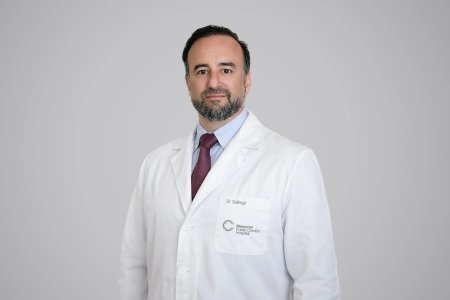
Javier de Juan Bagudá
El Dr. Javier de Juan Baguda es cardiólogo en el Hospital Memorial Publio Cordon, en Madrid. Trata la insuficiencia cardíaca crónica, la miocardiopatía dilatada y la enfermedad de las arterias coronarias. Se ocupa de los trasplantes cardíacos y la fibrilación auricular. El Dr. de Juan Baguda trabaja en un centro acreditado por la Joint Commission International (JCI). También trata la hipertensión y otras afecciones cardiovasculares dentro de esta red médica.
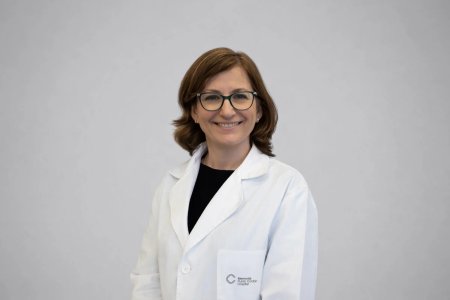
Covadonga Fernández-Golfín
La Dra. Covadonga Fernández-Golfín es cardióloga en el Hospital Memorial Publio Cordón, en Madrid. Trata la enfermedad arterial coronaria, la insuficiencia cardíaca crónica y la miocardiopatía dilatada. La Dra. Fernández-Golfín trabaja en un centro acreditado por la JCI, que cumple las normas internacionales de seguridad y calidad hospitalaria.
La clínica es un centro médico en España que cuenta con 114 médicos. Tiene certificaciones de la Sociedad Europea de Reproducción Humana y Embri
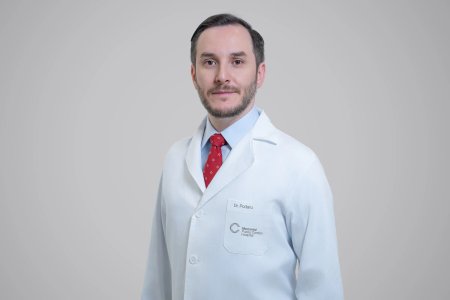
Mihai Podaru Galca
El Dr. Mihai Podaru Galca es especialista en medicina interna, cuidados intensivos y oncología clínica en el Hospital Memorial Publio Cordón de Madrid. Trata afecciones como el cáncer de esófago, la insuficiencia cardíaca crónica y el asma. El Dr. Galca trabaja en un centro acreditado por la Joint Commission International.
El hospital sigue estándares internacionales en sus departamentos de cardiología y oncología. El Dr. Galca gestiona casos agudos y crónicos, realizando diagnósticos e
Compartir contenido
Historias en video de pacientes de Bookimed
 Olena Sikoza
Preguntas frecuentes sobre el tratamiento de Insuficiencia cardíaca crónica (ICC) en España
¿Cómo se organiza la atención de la insuficiencia cardíaca crónica dentro del sistema médico de España?
España organiza la atención de la insuficiencia cardíaca crónica a través de un sistema multidisciplinario y escalonado. El marco integra la atención primaria con unidades hospitalarias especializadas. Este modelo regional garantiza un tratamiento escalonado basado en la complejidad del paciente. Centros acreditados por la JCI como el Hospital Ruber Internacional y el Centro Médico Teknon ofrecen cardiología avanzada e intervenciones quirúrgicas.
- Estructura del sistema: Gestionada de forma independiente por las 17 comunidades autónomas de España con vías localizadas.
- Médicos de cabecera: Los médicos de atención primaria gestionan la estabilidad y el seguimiento médico diario.
- Unidades especializadas: Los hospitales acreditados ofrecen servicios comunitarios, especializados o avanzados para la insuficiencia cardíaca.
- División de la atención: La cardiología maneja los casos estructurales mientras que la medicina interna gestiona a los pacientes de mayor edad.
Opinión del experto de Bookimed: La atención de la insuficiencia cardíaca en España destaca en centros quirúrgicos de alto volumen. Por ejemplo, el Centro Médico Teknon realiza más de 23.500 operaciones al año. Este volumen es crítico para los pacientes con insuficiencia cardíaca que necesitan intervenciones complejas. Mientras que los sistemas públicos enfrentan tiempos de espera pa
¿Tratan las clínicas españolas a pacientes internacionales o privados con insuficiencia cardíaca crónica (ICC)?
Los hospitales privados españoles brindan atención especializada a pacientes internacionales y privados con insuficiencia cardíaca crónica (ICC). Centros como el Centro Médico Teknon y el Hospital Ruber Internacional ofrecen departamentos de cardiología acreditados por la JCI. Los pacientes acceden a diagnósticos avanzados, regímenes farmacológicos personalizados e intervenciones quirúrgicas, incluyendo implantes de marcapasos o desfibriladores.
- Niveles de experiencia: El Hospital Ruber Internacional emplea a 800 médicos y realiza más de 6,000 cirugías al año.
- Estándares clínicos: Los centros líderes mantienen certificaciones de la Joint Commission International (JCI) e ISO 9001.
- Diagnóstico avanzado: La tecnología incluye resonancia magnética de 3 Teslas e imágenes cardíacas de alta resolución para la evaluación estructural.
- Apoyo internacional: Las principales clínicas ofrecen coordinadores multilingües dedicados y consultas por video en línea.
Perspectiva del experto de Bookimed: España ocupa el tercer lugar a nivel mundial en nuestra red en cuanto a accesibilidad a la atención cardíaca. Si bien muchos buscan visitas únicas, centros como el Centro Médico Teknon gestionan más de 10,000 pacientes internacionales al año. Elegir un centro de alto volumen en Madrid o Barcelona garantiza el acceso a especialistas familiarizados con seguros
¿Qué medicamentos de primera línea se recetan para la insuficiencia cardíaca congestiva (ICC) en España?
Los cardiólogos españoles prescriben una terapia cuádruple para la insuficiencia cardíaca basada en las directrices de la Sociedad Europea de Cardiología. Este enfoque de primera línea incluye ARNI o inhibidores de la ECA, betabloqueantes, antagonistas de los receptores de mineralocorticoides e inhibidores de SGLT2. Estos medicamentos tienen como objetivo estabilizar la función cardíaca y reducir las estancias hospitalarias.
- Pilares de la terapia cuádruple: Incluye ARNI, betabloqueantes, ARM e inhibidores de SGLT2 para la insuficiencia cardíaca con fracción de eyección reducida (HFrEF).
- Sacubitril/Valsartán: A menudo preferido sobre los inhibidores de la ECA para reducir los riesgos de mortalidad cardiovascular.
- Betabloqueantes: El bisoprolol o el carvedilol estabilizan el ritmo cardíaco en pacientes clínicamente estables.
- Alivio de los síntomas: La furosemida o la torasemida controlan la retención de líquidos en los pulmones y los tobillos.
Perspectiva de expertos de Bookimed: Los centros de cardiología españoles gestionan grandes volúmenes, y el Hospital Ruber Internacional atiende más de 93.000 consultas al año. Esta escala permite a los especialistas perfeccionar el tratamiento para pacientes no diabéticos mediante el uso de inhibidores de SGLT2. Clínicas como el Centro Médico Teknon también mantienen la acreditación de la Joint Com
¿Qué opciones quirúrgicas y dispositivos médicos ofrecen los hospitales españoles para la insuficiencia cardíaca congestiva (ICC) grave?
Los hospitales españoles ofrecen soluciones quirúrgicas avanzadas para la insuficiencia cardíaca congestiva grave. Estas incluyen trasplantes de corazón, dispositivos de asistencia ventricular izquierda y procedimientos de remodelación ventricular menos invasivos. Los centros especializados utilizan la terapia de resincronización cardíaca y desfibriladores implantables. Muchos centros también ofrecen reparaciones de válvulas mediante catéter para tratar problemas cardíacos subyacentes.
- Trasplante de corazón: España es líder mundial en donación de órganos y cirugía de reemplazo cardíaco definitivo.
- Soporte mecánico: Los cirujanos implantan dispositivos de asistencia ventricular izquierda como terapia de destino o puente al trasplante.
- Gestión del ritmo: Los marcapasos biventriculares avanzados y los desfibriladores automáticos implantables optimizan la eficiencia del bombeo cardíaco.
- Reparación estructural: Procedimientos mínimamente invasivos mediante catéter como TAVI o MitraClip reparan válvulas cardíacas defectuosas.
Opinión de expertos de Bookimed: Aunque muchos buscan centros públicos emblemáticos, clínicas privadas acreditadas por la JCI como el Centro Médico Teknon o el Hospital Ruber Internacional ofrecen cirugía cardíaca especializada en un entorno multidisciplinario. Los datos muestran que el Hospital Ruber Internacional trata
¿Están los programas de rehabilitación cardíaca ampliamente disponibles en España?
La rehabilitación cardíaca en España no está disponible de manera uniforme en todas las regiones. Aunque 17 comunidades autónomas gestionan la atención sanitaria de forma independiente, el acceso sigue siendo bajo para muchos pacientes elegibles. Grandes ciudades como Madrid y Barcelona ofrecen programas avanzados. La telerehabilitación remota y los centros privados ayudan a cerrar las brechas geográficas para los pacientes con insuficiencia cardíaca.
- Tasas de acceso: Solo entre el 2% y el 30% de los pacientes elegibles completan con éxito los programas de rehabilitación.
- Disparidades regionales: Las unidades modernas se concentran en centros urbanos como Madrid y Barcelona.
- Tipos de programas: Las opciones disponibles incluyen unidades hospitalarias, centros deportivos municipales y telerehabilitación.
- Centros especializados: Instalaciones como el Centro Médico Teknon y el Hospital Ruber Internacional mantienen la acreditación JCI.
Perspectiva del experto de Bookimed: Los pacientes deben priorizar los centros con altos volúmenes anuales y credenciales internacionales. El Hospital Ruber Internacional atiende a más de 25.000 pacientes al año y posee múltiples certificaciones ISO. Las grandes instituciones tienen más probabilidades de ofrecer un seguimiento especializado de la insuficiencia cardíaca que las clínicas locales más pequeñas.