Insuficiencia cardíaca crónica (ICC) en India: clínicas verificadas para su tratamiento


Revisado médicamente por
Fahad Mawlood
¿Cuál es el precio del diagnóstico y los tratamientos de Insuficiencia cardíaca crónica (ICC) en India? Descubra ahora
Sus beneficios y garantías con Bookimed
Precios directos
Bookimed no añade cargos extra a los precios de los tratamientos de Insuficiencia cardíaca crónica (ICC). Las tarifas proceden de las listas de precios oficiales de las clínicas. Pagará directamente en la clínica por su tratamiento a su llegada al país.
Sólo clínicas y médicos verificados
Bookimed está comprometido con su seguridad. Solo trabajamos con las clínicas que mantienen altos estándares internacionales en el tratamiento de Insuficiencia cardíaca crónica (ICC) y cuentan con las licencias necesarias para atender a pacientes internacionales en todo el mundo.
Asistencia 24/7 gratuita
Bookimed ofrece asistencia experta gratuita. Un coordinador médico personal le apoya antes, durante y después de su tratamiento, resolviendo cualquier problema. Nunca estará solo en su viaje médico de tratamiento de Insuficiencia cardíaca crónica (ICC).

Su coordinador médico personal de Bookimed
- Le apoya en cada etapa
- Ayuda a elegir la clínica y el médico adecuados
- Asegura un acceso rápido y conveniente a la información
Descubra las mejores clínicas de tratamiento de Insuficiencia cardíaca crónica (ICC) en India: 2 opciones verificadas y Precios





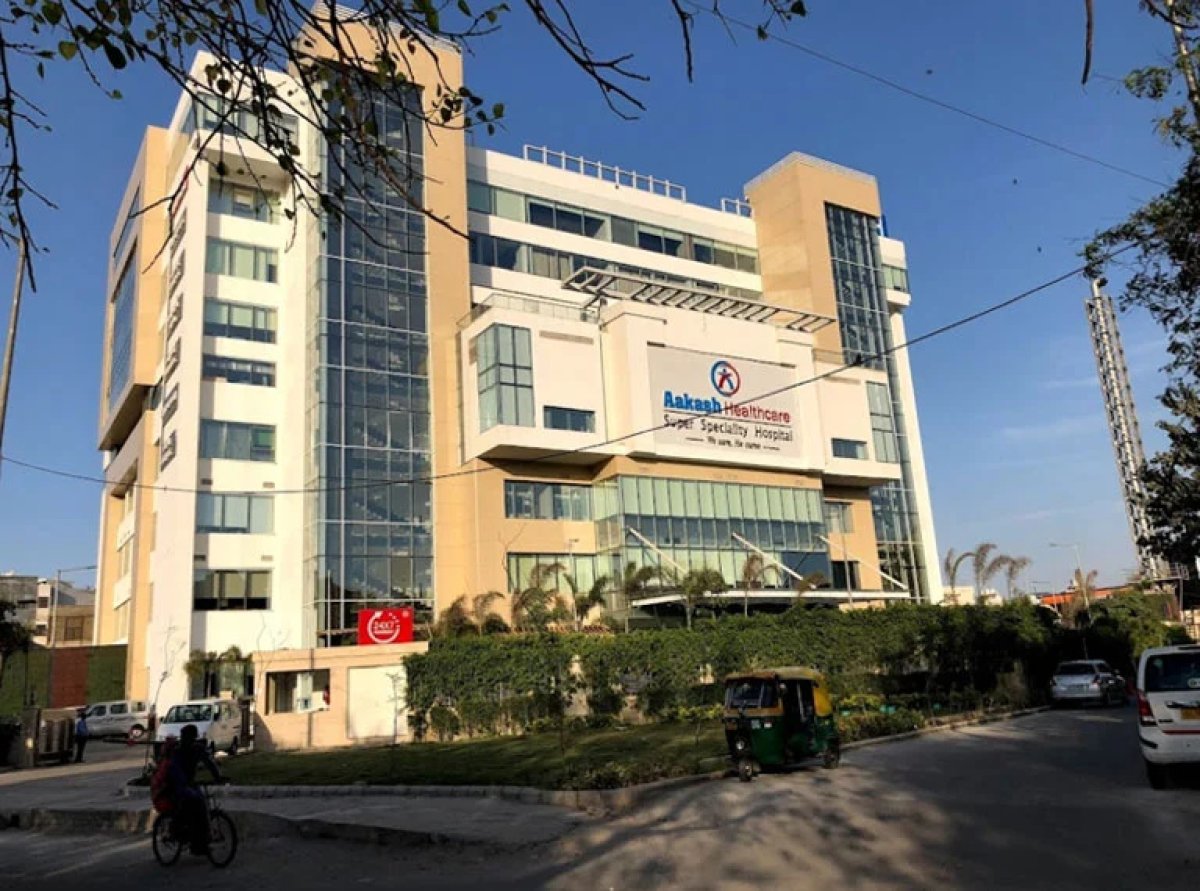
Helal Healthcare
Obtenga una evaluación médica para Insuficiencia cardíaca crónica (ICC) en India: consulte con doctores experimentados ahora
Ver todos los médicos
MC Sandeep
El Dr. MC Sandeep es cardiólogo en Cura Hospitals en Bangalore. Posee una Maestría en Ciencias en Cardiología del Reino Unido y es miembro del Royal College of Physicians de Londres. Realiza procedimientos intervencionistas en este centro con certificación ISO.
- Realiza angiografía coronaria, angioplastia con colocación de stent e implantación de marcapasos.
- Trata afecciones como la insuficiencia cardíaca crónica y la enfermedad de las arterias coronarias.
- Posee cert
Hemant Khemani
Surinder Hansra

Ashok Seth
Compartir contenido
Historias en video de pacientes de Bookimed
 Olena Sikoza
Preguntas frecuentes sobre el tratamiento de Insuficiencia cardíaca crónica (ICC) en India
¿Qué medicamentos recetan los médicos en la India para la insuficiencia cardíaca crónica?
Los médicos en la India recetan terapia médica dirigida por guías (GDMT), incluidos ARNI, betabloqueantes, ARM e inhibidores de SGLT2. Estos cuatro pilares reducen las hospitalizaciones y mejoran la supervivencia. Los protocolos indios siguen los estándares de la Heart Failure Association of India. El tratamiento a menudo incluye diuréticos como la furosemida para el alivio inmediato de los síntomas y el manejo de líquidos.
- Pilares fundamentales: Los ARNI como el sacubitril-valsartán se prefieren a los inhibidores de la ECA y los ARA II tradicionales.
- Control de la frecuencia: Los betabloqueantes como el metoprolol o el carvedilol se inician con dosis iniciales bajas.
- Control de líquidos: La espironolactona es el antagonista del receptor de mineralocorticoides estándar utilizado para controlar la aldosterona.
- Terapia moderna: Los inhibidores de SGLT2 como la empagliflozina son ahora estándar para todos los pacientes con insuficiencia cardíaca.
Perspectiva del experto de Bookimed: Las clínicas indias como el Global Hospital Chennai se especializan en casos cardíacos complejos y trasplantes. Nuestros datos muestran que estos centros a menudo utilizan versiones genéricas de los principales medicamentos GDMT. Esta práctica ayuda a los pacientes a mantener el cumplimiento a largo plazo sin sacrificar la calidad del tratamiento. Los principal
¿En qué momento se recomiendan cirugías o dispositivos cardíacos en la India?
Las cirugías o dispositivos cardíacos se recomiendan en la India cuando los medicamentos y los cambios en el estilo de vida no logran controlar los síntomas de la insuficiencia cardíaca. Las intervenciones son necesarias ante amenazas inminentes para la vida. Los médicos priorizan estos tratamientos para una fracción de eyección baja. También abordan problemas estructurales específicos como arterias bloqueadas o enfermedades valvulares.
- Fracción de eyección baja: Se recomiendan los DAI para pacientes con una fracción de eyección del 35% o menos.
- Desincronización ventricular: Los dispositivos de TRC ayudan a los pacientes con insuficiencia cardíaca avanzada y conducción eléctrica anormal.
- Bloqueos arteriales: Se aconseja la cirugía de bypass para el estrechamiento de la arteria principal izquierda superior al 50% o enfermedad multivaso.
- Falla valvular: La reparación o el reemplazo es esencial para la estenosis o regurgitación valvular grave y la calcificación.
Perspectiva del experto de Bookimed: Los centros cardíacos indios como el Global Hospital Chennai demuestran una alta competencia técnica. Este centro fue el primero en la India en realizar trasplantes de pulmón mínimamente invasivos y trasplantes combinados de corazón y riñón. Esto sugiere que los pacientes con comorbilidades complejas pueden encontrar soluciones quirúrgicas avanz
¿Cuál es el médico adecuado para tratar la insuficiencia cardíaca crónica en la India?
El tratamiento de la insuficiencia cardíaca crónica en la India requiere un cardiólogo con un título de Doctor en Medicina o Diplomado de la Junta Nacional. Los casos avanzados a menudo involucran a un cirujano cardiotorácico o a un especialista en insuficiencia cardíaca. Estos expertos ejercen en centros terciarios acreditados por la NABH para proporcionar terapia médica e intervenciones quirúrgicas dirigidas por guías clínicas.
- Cardiólogo: Prescribe medicamentos para fortalecer el corazón y gestiona la titulación y el seguimiento de la medicación a largo plazo.
- Especialista en insuficiencia cardíaca: Se centra en casos en etapa terminal que requieren trasplantes o sistemas de soporte cardíaco mecánico.
- Cirujano cardiotorácico: Realiza procedimientos especializados como reparaciones de válvulas, cirugía de bypass o implantaciones de dispositivos.
- Médico internista: Supervisa el mantenimiento diario y detecta los primeros signos de sobrecarga de líquidos en los pacientes.
Perspectiva de expertos de Bookimed: Las principales instalaciones indias, como el Global Hospital Chennai, se distinguen por su especialización de alto volumen. Esta clínica realiza 18.000 operaciones al año. También fueron los primeros en la India en realizar trasplantes combinados de corazón y riñón. Elegir centros de nivel académico garantiza el acceso a equipos mu
¿Qué síntomas diarios debe vigilar en casa un paciente con insuficiencia cardíaca?
Los pacientes con insuficiencia cardíaca deben realizar un seguimiento diario del aumento repentino de peso, el empeoramiento de la falta de aire y el aumento de la hinchazón. Estos signos indican retención de líquidos antes de que ocurran emergencias. El control incluye vigilar la tos seca persistente, la fatiga extrema y la incapacidad de acostarse sin almohadas adicionales para mayor comodidad.
- Seguimiento diario del peso: Pésese cada mañana después de ir al baño pero antes de desayunar.
- Umbrales de aumento de peso: Alerte a los médicos ante aumentos de 1 a 1.5 kg diarios o 2.5 kg semanales.
- Evaluación de la respiración: Observe cualquier dificultad nueva durante actividades ligeras o si se despierta jadeando por la noche.
- Control de retención de líquidos: Inspeccione diariamente si hay tobillos hinchados, zapatos más ajustados o hinchazón abdominal inusual.
Perspectiva del experto de Bookimed: Las clínicas indias como el Global Hospital Chennai se especializan en el manejo multiorgánico, realizando trasplantes combinados de corazón y riñón. Esta experiencia es vital porque la sobrecarga de líquidos a menudo desencadena estrés renal secundario. Los pacientes deben elegir centros con acreditación NABH para garantizar protocolos de monitoreo estandarizados para casos tan complejos.
Consenso de los pacientes: Los
¿Qué cambios en la dieta se requieren para los pacientes indios con insuficiencia cardíaca congestiva (ICC)?
Los pacientes indios con insuficiencia cardíaca deben reducir el sodio diario a menos de 2.000 mg. Esto requiere eliminar alimentos básicos como encurtidos, papad y namkeen salado. Los pacientes deben limitar los líquidos totales a 1,5–2 litros para prevenir la congestión pulmonar. Reemplazar el arroz blanco con granos enteros como ragi o jowar ayuda a controlar la tensión cardíaca.
- Restricción de sodio: Limite la sal total a menos de 1 cucharadita al día en todas las comidas.
- Gestión de líquidos: Controle todos los líquidos, incluidos el chai, el sambar y el dal, dentro de los límites diarios.
- Sustitutos de sabor: Use comino, cúrcuma, ajo y limón en lugar de sal de mesa para sazonar.
- Alternativas de granos: Cambie la harina refinada (maida) por chapatis de trigo integral ricos en fibra y arroz integral.
- Grasas saludables: Evite el ghee y el vanaspati, eligiendo pequeñas cantidades de aceite de mostaza o de oliva.
Perspectiva de expertos de Bookimed: Los principales centros de cardiología de la India, como el Global Hospital Chennai, priorizan la atención integrada para casos complejos. Realizaron con éxito el primer trasplante de corazón y riñón de la India, lo que destaca por qué la dieta debe estar equilibrada con precisión. En la insuficiencia cardíaca multiorgánica, controlar las proteínas y el potasio es
¿Con qué frecuencia necesitaré visitas de seguimiento después de comenzar el tratamiento en la India?
Los pacientes requieren inicialmente visitas de seguimiento cada 1 a 3 meses para el ajuste de la medicación. El cronograma depende de qué tan bien tolere los betabloqueantes y los diuréticos. Los médicos generalmente espacian las visitas de 3 a 6 meses una vez que su función cardíaca y sus métricas vitales se estabilizan.
- Fase de estabilización: Espere un monitoreo cada 1 a 4 semanas durante los ajustes iniciales de los medicamentos.
- Fase estable: Los controles de rutina ocurren cada 3 a 6 meses para monitorear la salud del corazón.
- Pruebas diagnósticas: Los seguimientos incluyen ecocardiogramas y pruebas de función renal para rastrear el progreso del tratamiento.
- Monitoreo remoto: Las consultas digitales ayudan a gestionar el asesoramiento sobre el estilo de vida y los resultados de los análisis de sangre locales.
Perspectiva del experto de Bookimed: Los centros cardíacos indios muestran una tendencia clara en protocolos de seguimiento especializados basados en el volumen. Instalaciones como el Global Hospital Chennai gestionan 80.000 pacientes al año y utilizan cronogramas estructurados. Sus equipos a menudo priorizan la estabilización de los niveles de potasio y renales antes de espaciar las citas físicas.
Consenso de los pacientes: Los pacientes señalan que el seguimiento del peso diario y la hinchazón es vi