Tratamiento de Insuficiencia cardíaca crónica (ICC) en Corea del Sur — obtenga 3 coincidencias personalizadas de clínicas


Revisado médicamente por
Fahad Mawlood
Cómo funciona
¿Cuál es el precio del diagnóstico y los tratamientos de Insuficiencia cardíaca crónica (ICC) en Corea del Sur? Descubra ahora
Descubra las mejores clínicas de tratamiento de Insuficiencia cardíaca crónica (ICC) en Corea del Sur: 3 opciones verificadas y Precios
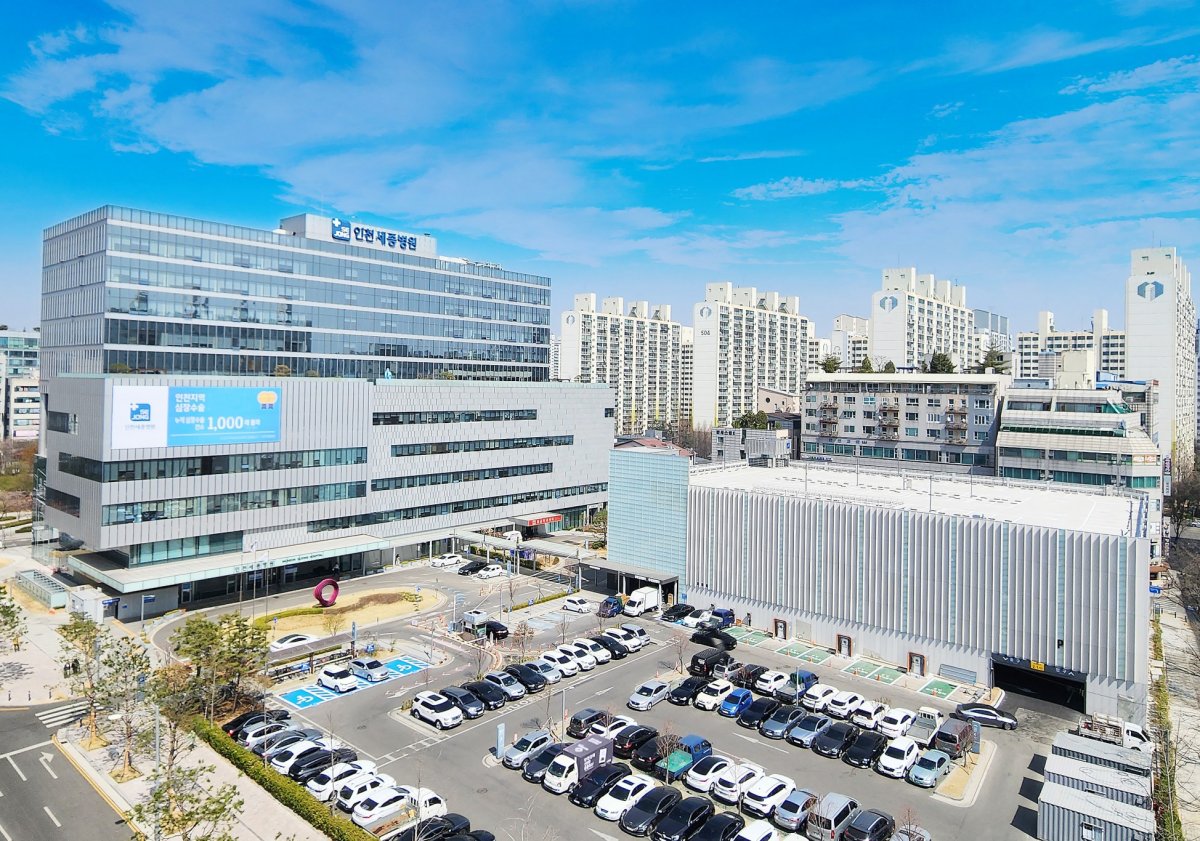
Obtenga una evaluación médica de tratamiento de Insuficiencia cardíaca crónica (ICC) en Corea del Sur: haga una consulta con 6 médicos experimentados ahora
Ver todos los médicos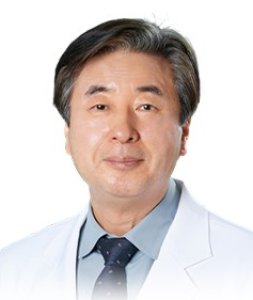
Ahn Taehun
El Dr. Ahn Taehun es cardiólogo (MD, PhD) y director de un centro cardiovascular. Está especializado en enfermedad coronaria, incluida la angina y el infarto de miocardio. También trata la hipertensión, la valvulopatía, la insuficiencia cardíaca y la hiperlipidemia. Su experiencia abarca la cardiología intervencionista, la ecocardiografía y la imagen cardiovascular. Asimismo, maneja la aterosclerosis, la enfermedad arterial oclusiva, la miocardiopatía dilatada y la miocarditis.
Ha dese
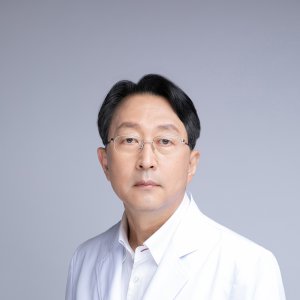
Kim Ki Bong
El profesor Kim Ki-bong está especializado en cirugía de bypass coronario (CABG), cirugía valvular, fibrilación auricular y trasplante cardíaco. Es director de los centros de Cirugía Cardíaca y Cardiovascular del Hospital Myongji. Fue pionero en técnicas avanzadas de bypass coronario en Corea. Cuenta con una amplia experiencia en cirugía de bypass coronario sin circulación extracorpórea (OPCAB) y forma parte del equipo de cirugía de bypass coronario totalmente endoscópica (TECAB) utilizando e
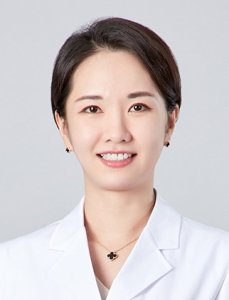
Min Jeong Kim
La Dra. Min-Jeong Kim, MD, PhD, es cardióloga en el Hospital Sejong de Incheon. Se centra en cardiología intervencionista, insuficiencia cardíaca, hipertensión y cardiología preventiva.
Obtuvo los títulos de MD y PhD en la Facultad de Medicina de la Universidad Nacional de Seúl. Completó formación avanzada en medicina interna y enfermedades cardiovasculares en un importante centro médico de Corea.
Su experiencia abarca la enfermedad coronaria, la insuficiencia cardíaca crónica,
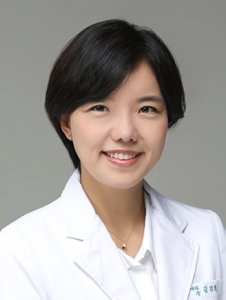
Kyung Hee Kim
La Dra. Kyung-Hee Kim, MD, PhD, es Directora del Centro de Trasplante Cardíaco y Jefa de Cardiología del Hospital Incheon Sejong. Obtuvo los títulos de MD, MS y PhD en la Facultad de Medicina de la Universidad Nacional de Seúl. Completó estancias internacionales, incluida investigación en la Clínica Mayo.
Su experiencia abarca insuficiencia cardíaca avanzada, evaluación y manejo del trasplante cardíaco, soporte circulatorio mecánico (VAD, ECMO), hipertensión pulmonar, miocardiopatías c
Compartir contenido
Historias en video de pacientes de Bookimed
 Olena Sikoza
Preguntas frecuentes sobre el tratamiento de Insuficiencia cardíaca crónica (ICC) en Corea del Sur
¿Qué hospitales en Corea del Sur son mejores para el tratamiento de la insuficiencia cardíaca crónica?
Corea del Sur ofrece atención cardíaca de gran éxito en instituciones como el Hospital Sejong, el Hospital de la Universidad Nacional de Seúl y el Hospital Severance. Estas instalaciones utilizan equipos multidisciplinarios para la insuficiencia cardíaca. Integran soporte circulatorio mecánico avanzado, programas de trasplante de corazón y sistemas de monitoreo digital. La mayoría de los centros cuentan con acreditación KOIHA o JCI para la seguridad.
- Instalaciones especializadas: El Hospital Sejong es el único hospital especializado en cardiología designado por el gobierno en Corea.
- Liderazgo experto: El Prof. Byung-Hee Oh se desempeña actualmente como Presidente de la Sociedad Coreana de Cardiología.
- Tecnología avanzada: Los centros utilizan regularmente dispositivos de asistencia ventricular (VAD) y oxigenación por membrana extracorpórea (ECMO).
- Integración digital: Los hospitales de primer nivel como el SNUBH implementan monitoreo digital avanzado para la atención continua del paciente.
Opinión del experto de Bookimed: Si bien los hospitales universitarios en Seúl son prestigiosos, el Hospital Sejong en Incheon gestiona más de 400.000 visitas de pacientes anualmente. Este volumen masivo asegura que los cirujanos mantengan una alta competencia. El Dr. Kyung-Hee Kim incluso contribuye a las directrices globales de la AHA. Para la insuf
¿Qué opciones de tratamiento avanzado ofrece Corea del Sur para la insuficiencia cardíaca avanzada?
Corea del Sur ofrece tratamientos de gran éxito para la insuficiencia cardíaca avanzada, incluyendo trasplantes de corazón, dispositivos de asistencia ventricular (VAD) y oxigenación por membrana extracorpórea (ECMO). Centros especializados como el Hospital Sejong brindan estos servicios bajo la acreditación KOIHA. Las tasas de supervivencia al año para trasplantes de corazón en la región alcanzan el 90%.
- Trasplante de corazón: Los cirujanos realizan aproximadamente 200 trasplantes al año con resultados de supervivencia altos.
- Apoyo mecánico: Los dispositivos de asistencia ventricular izquierda (LVAD) sirven como puente hacia el trasplante.
- Terapia ECMO: Equipos especializados utilizan ECMO para la estabilización a corto plazo en casos de shock cardíaco agudo.
- Gestión del ritmo: La Terapia de Resincronización Cardíaca (CRT) avanzada mejora la eficiencia de bombeo del corazón mediante marcapasos.
Opinión del experto de Bookimed: El volumen de pacientes suele ser una señal de experiencia especializada en Corea. El Hospital Sejong gestiona más de 402.000 pacientes anualmente. Esta escala masiva permite a médicos como el Dr. Kyung Hee Kim desarrollar protocolos altamente refinados para el soporte circulatorio mecánico. El liderazgo experto, como el de los ex presidentes de la Sociedad Coreana de Cardiología, generalmente se concentra en est
¿Cuál es la tasa de éxito del tratamiento de la insuficiencia cardíaca en Corea del Sur?
Los centros de cardiología de Corea del Sur informan una tasa de supervivencia al año del 91% para la insuficiencia cardíaca. La tasa de supervivencia a 5 años alcanza el 79% mediante terapias médicas dirigidas por guías. Los hospitales terciarios han reducido la mortalidad intrahospitalaria para casos agudos al 2,2%. Los pacientes se benefician de estándares de seguridad acreditados por la KOIHA en las principales ciudades.
- Supervivencia a largo plazo: Los datos nacionales muestran una tasa de supervivencia del 66% a los 10 años.
- Experiencia clínica: El Dr. Byung Hee Oh en el Hospital Sejong dirigió la Sociedad Coreana de Cardiología.
- Credenciales avanzadas: Cirujanos como el Dr. Kyung Hee Kim se formaron en la Clínica Mayo.
- Gran volumen: El Hospital Sejong trata a más de 402.000 pacientes cada año en Incheon.
Opinión del experto de Bookimed: El éxito en Corea se debe a centros especializados de gran volumen como el Hospital Sejong. Sus especialistas a menudo ocupan puestos de liderazgo en comités de cardiología globales. El Dr. Oh Dong Joo ha publicado más de 240 artículos internacionales. Este entorno centrado en la investigación garantiza que los pacientes reciban los protocolos de medicación más recientes antes de que se conviertan en estándares globales.
Consenso de los pacientes: Los pacientes enfatizan qu
¿Cuánto dura el tratamiento de la insuficiencia cardíaca y cuándo puede el paciente regresar a casa?
La hospitalización para la estabilización de la insuficiencia cardíaca aguda en Corea del Sur suele durar de 5 a 10 días. Los pacientes regresan a casa una vez que logran la estabilidad hemodinámica y el equilibrio de líquidos. La recuperación a largo plazo para mejorar la función cardíaca generalmente requiere de 3 a 6 meses de medicación optimizada y monitoreo especializado.
- Estancia hospitalaria: La atención aguda suele requerir de 5 a 10 días para la estabilización.
- Criterios de alta: El regreso a casa requiere presión arterial estable y la resolución de la retención de líquidos.
- Ventana de recuperación: La evaluación de la función cardíaca suele realizarse 3 meses después de comenzar el tratamiento.
- Gestión continua: La insuficiencia cardíaca crónica requiere titulación de medicamentos de por vida y ajustes en el estilo de vida.
Perspectiva del experto de Bookimed: Corea del Sur ofrece una alta densidad de experiencia especializada para casos complejos. La Dra. Kyung Hee Kim en el Hospital Sejong dirige un equipo multidisciplinario centrado en la insuficiencia cardíaca avanzada y el soporte mecánico. Este enfoque integrado en centros de alto volumen, que tratan a más de 400.000 pacientes al año, a menudo resulta en una optimización más precisa de la medicación durante la estancia inicial de 10 días.
Consenso de los p
¿Se incorpora la rehabilitación cardíaca en el tratamiento en Corea?
La rehabilitación cardíaca es una parte estándar del tratamiento de la insuficiencia cardíaca crónica en Corea del Sur. El sistema nacional de seguro médico cubre estos programas desde 2017. Las pautas clínicas establecidas en 2019 integran la evaluación, la terapia de ejercicio supervisada y la educación en los protocolos de recuperación en los principales centros cardíacos.
- Cobertura del seguro: El seguro médico nacional cubre los costos de educación, evaluación clínica y terapia de ejercicio.
- Componentes del programa: El tratamiento incluye entrenamiento aeróbico supervisado, acondicionamiento de fuerza y educación para la prevención secundaria.
- Estándares de acreditación: Centros como el Hospital Sejong mantienen la acreditación KOIHA, garantizando protocolos de seguridad internacionales.
- Liderazgo clínico: Expertos como el Dr. Byung Hee Oh se especializan en cardiología preventiva e insuficiencia cardíaca.
Perspectiva del experto de Bookimed: La coordinación entre la atención aguda y la recuperación es excepcionalmente alta en los centros especializados. El Hospital Sejong gestiona más de 400.000 pacientes al año y mantiene 28 departamentos distintos. Este alto volumen permite una transición fluida desde intervenciones avanzadas como VAD o trasplantes hacia una rehabilitación estructurada. Los pacientes deben elegir centros multies
¿Deben los pacientes ser residentes surcoreanos para recibir atención cardíaca especializada?
Los pacientes no necesitan ser residentes de Corea del Sur para recibir atención cardíaca especializada. La República de Corea ofrece servicios avanzados de cardiología a pacientes internacionales a través de visas médicas o entrada de corta duración. Centros de alto volumen como el Hospital Sejong brindan manejo complejo de insuficiencia cardíaca y trasplantes para no residentes.
- Requisito de visa: Las visas médicas C-3-3 cubren tratamientos de corta duración o chequeos de diagnóstico.
- Atención a largo plazo: Las visas G-1-10 son necesarias para tratamientos que superen los 90 días.
- Documentación clínica: Los pacientes deben proporcionar invitaciones hospitalarias, registros médicos y prueba de fondos.
- Impacto del seguro: Los no residentes generalmente pagan costos de bolsillo más altos sin la cobertura del seguro público coreano.
Perspectiva del experto de Bookimed: Si bien técnicamente cualquier hospital grande puede tratar a no residentes, clínicas especializadas como el Hospital Sejong gestionan más de 400.000 pacientes al año. Este volumen masivo permite a sus más de 100 médicos mantener una alta competencia en intervenciones poco comunes de insuficiencia cardíaca. Elegir un centro cardíaco dedicado en lugar de un hospital universitario general a menudo simplifica el proceso de depósito y traducción para ciudadanos extranjeros.
¿Cómo se integra la tecnología digital de Corea del Sur en el tratamiento de la insuficiencia cardíaca?
Corea del Sur integra la tecnología digital en el tratamiento de la insuficiencia cardíaca mediante diagnósticos por ECG basados en IA y monitoreo remoto de dispositivos cardíacos. La infraestructura admite sensores portátiles con Bluetooth para la detección rápida de arritmias. Estas herramientas conectan a los pacientes con equipos multidisciplinarios dentro de sistemas acreditados por la JCI o KOIHA para una gestión proactiva.
- Diagnóstico por IA: Los modelos de IA detectan la insuficiencia cardíaca con fracción de eyección reducida utilizando ECG estándar.
- Sensores portátiles: Los dispositivos conectados por Bluetooth monitorean 6 derivaciones de ECG para la detección de síntomas en tiempo real.
- Monitoreo de dispositivos: El monitoreo remoto de implantes garantiza un seguimiento seguro de los dispositivos electrónicos cardíacos.
- Terapéutica digital: Las aplicaciones móviles ofrecen tratamientos basados en software para la hipertensión crónica y la insuficiencia cardíaca.
Perspectiva del experto de Bookimed: Si bien muchos buscan los últimos gadgets, la verdadera fortaleza de Corea del Sur radica en la integración de datos de centros de alto volumen. Centros especializados como el Hospital Sejong gestionan más de 400.000 visitas anuales. Este enorme volumen de pacientes permite a líderes como el Prof. Dr. Byung Hee Oh perfeccionar los