Centro Médico Teknon
España, Barcelona
Joaquim Casañas
33 años de experiencia • 460+ tratamientos realizados

acreditaciones : 
Clínica certificada por : 





Revisado médicamente por
Fahad Mawlood
De $6,700. Los precios pueden variar según el tipo de fractura (simple o compleja), la clínica, la experiencia del cirujano y si se requiere fijación quirúrgica (placas, tornillos, varillas). UU.
Las clínicas españolas suelen incluir la evaluación inicial, radiografías o tomografías, cirugía si es necesaria, anestesia, estancia hospitalaria, medicamentos y visitas de seguimiento. En EE. UU., es común recibir facturas separadas por imágenes, cirujano, anestesia y hospitalización. Siempre confirmar con la clínica qué está incluido en el precio total.
Bookimed no añade cargos adicionales a los precios de Tratamiento de fractura ósea. Las tarifas proceden de las listas de precios oficiales de las clínicas. Pagará directamente en la clínica por su Tratamiento de fractura ósea a su llegada al país.
Bookimed está comprometido con su seguridad. Solo trabajamos con las clínicas que mantienen altos estándares internacionales en Tratamiento de fractura ósea y tienen las licencias necesarias para atender a pacientes internacionales en todo el mundo.
Bookimed ofrece asistencia experta gratuita. Un coordinador médico personal le apoya antes, durante y después del tratamiento, resolviendo cualquier problema. Nunca estará solo en su viaje médico de Tratamiento de fractura ósea.



Día 1
Dia 2
Día 3
Día 4-7
Semana 1-2
Semana 3-6
Semana 7-12
Nota: El cronograma de recuperación de cada paciente es diferente y depende de la gravedad de la fractura, el estado general de salud y la respuesta individual al tratamiento.
33 años especializado en el tratamiento de fracturas óseas – el Dr. Casañas fue pionero en el mapeo nervioso intraoperatorio para cirugías de precisión en el Centro Médico Teknon.

Con casi _doctor_8927_años_ de experiencia, el Dr. Leyes se especializa en patologías de rodilla y hombro, lesiones deportivas y cirugía robótica en Olympia Quironsalud.
Más de 25 años de especialización en traumatología deportiva – El Dr. De La Cuadra dirige su propio equipo ortopédico con protocolos de recuperación rápida.

 Olena Sikoza
Los turistas pueden recibir tratamiento por fractura ósea en cualquier hospital público de España. La ley española exige que los servicios de urgencias proporcionen atención inmediata a todas las personas. Los ciudadanos de la Unión Europea con una tarjeta sanitaria europea (TSE) o GHIC válida reciben tratamiento gratuito, mientras que los visitantes de fuera de la UE son financieramente responsables de todos los gastos médicos.
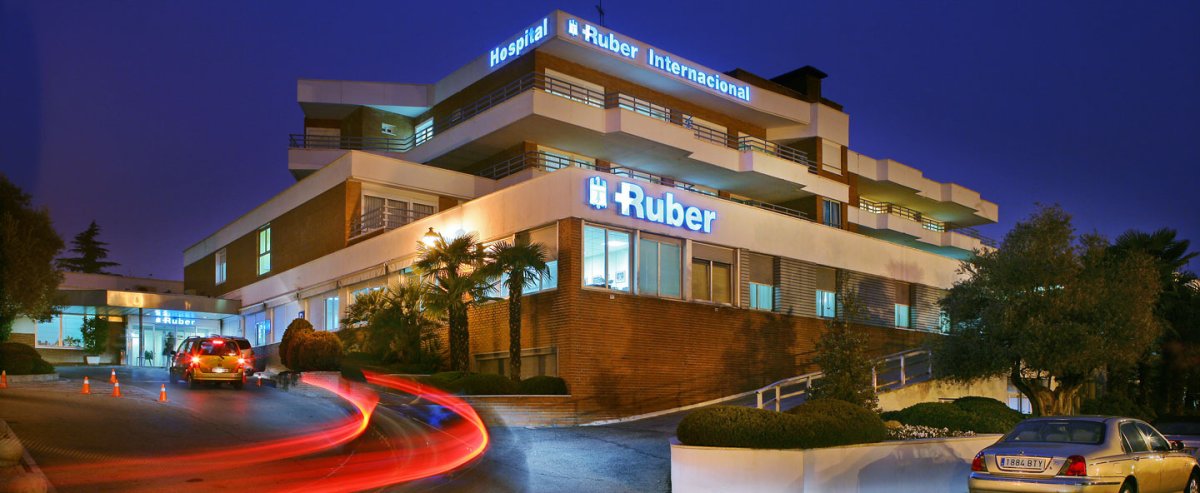
Opinión de expertos de Bookimed: España ocupa el quinto lugar a nivel mundial en solicitudes médicas en nuestra red, lo que refleja una gran confianza en su sistema sanitario. Centros de primer nivel como el Centro Médico Teknon o el Hospital Ruber Internacional ofrecen atención ortopédica especializada que rivaliza con los estándares de los hospitales públicos. Estas instalaciones privada
Tanto los hospitales públicos como las clínicas privadas en España tratan eficazmente las fracturas óseas. Los hospitales públicos ofrecen atención traumatológica de clase mundial y manejan fracturas complejas con múltiples fragmentos. Los centros privados priorizan la rapidez y el personal de habla inglesa. Todas las salas de urgencias españolas deben estabilizar las lesiones urgentes independientemente del estado del seguro.
Opinión de expertos de Bookimed: Aunque los hospitales públicos ofrecen atención ortopédica de élite, los tiempos de espera para fracturas que no ponen en peligro la vida son largos. Las clínicas privadas le permiten evitar colas de 4 horas. Contacte siempre con su proveedor de seguros antes de llegar. Esto garantiza la autorización previa y evita problemas de facturación directa más adelante.
Consenso de los pacientes: Los pacientes valoran la alta
Los expatriados acceden a la prevención secundaria de fracturas y a los Servicios de Enlace de Fracturas a través de redes de salud pública, seguros internacionales privados o vías autofinanciadas. El acceso suele comenzar después de una fractura por fragilidad, lo que requiere una derivación a especialistas como endocrinólogos o reumatólogos para realizar densitometrías óseas (DXA) y gestionar a largo plazo la medicación contra la osteoporosis en centros acreditados.
Perspectiva del experto de Bookimed: Los centros privados españoles como el Hospital Ruber Internacional y el Centro Médico Teknon suelen priorizar la rapidez en el diagnóstico. Mientras que los sistemas públicos pueden tener listas de espera, estos centros privados suelen programar densitometrías y análisis m
Los principales centros españoles utilizan navegación intraoperatoria, cirugía asistida por robot y ortobiológicos regenerativos para tratar fracturas complejas. Instalaciones como el Centro Médico Teknon y la Clínica Universidad de Navarra utilizan planificación preoperatoria basada en TC 3D y fijación percutánea. Estos métodos avanzados garantizan una precisión submilimétrica y aceleran significativamente la curación ósea.
Perspectiva del experto de Bookimed: Si bien muchos se centran en el hardware, las clínicas de primer nivel de España se distinguen por sus equipos de trauma especializados más que solo por el equipo. Centros como la Clínica Universidad de Navarra mantienen una tasa de preservación de extremidades del 95% para casos óseos complejos. Este éxito proviene de combinar la precisión robótica con una gran experienci