Aumento de senos con implantes de silicona en España — obtén 3 clínicas con costos


Revisado médicamente por
Fahad Mawlood
¿Cuál es el precio de Aumento de senos con implantes de silicona en España? Descubra ahora
De $8,000. Los precios varían según la clínica, la experiencia del cirujano, la marca del implante (como Motiva o Mentor) y si se requieren procedimientos adicionales. En Estados Unidos, el costo promedio es de $8,500 (según ASPS). Esto significa que el aumento de senos en España cuesta aproximadamente un 6% menos que en EE. UU.
Las clínicas españolas suelen incluir la consulta inicial, análisis de sangre preoperatorios, medicación postoperatoria, visitas de seguimiento, personal que habla inglés, planes personalizados, instrucciones de cuidados postoperatorios, comidas durante las visitas a la clínica y soporte al paciente 24/7. En EE. UU., el precio anunciado suele cubrir solo los honorarios del cirujano, mientras que la anestesia, los implantes y los seguimientos se facturan por separado. Siempre confirmar exactamente qué está incluido en cada clínica.
| España | Estados Unidos | México | |
|---|---|---|---|
| Aumento de senos con implantes de silicona | de $8,000 | ≈ $6,500 | de $4,800 |
Sus beneficios y garantías con Bookimed
Precios directos
Bookimed no añade cargos adicionales a los precios de Aumento de senos con implantes de silicona. Las tarifas proceden de las listas de precios oficiales de las clínicas. Pagará directamente en la clínica por su Aumento de senos con implantes de silicona a su llegada al país.
Sólo clínicas y médicos verificados
Bookimed está comprometido con su seguridad. Solo trabajamos con las clínicas que mantienen altos estándares internacionales en Aumento de senos con implantes de silicona y tienen las licencias necesarias para atender a pacientes internacionales en todo el mundo.
Asistencia 24/7 gratuita
Bookimed ofrece asistencia experta gratuita. Un coordinador médico personal le apoya antes, durante y después del tratamiento, resolviendo cualquier problema. Nunca estará solo en su viaje médico de Aumento de senos con implantes de silicona.

Su coordinador médico personal de Bookimed
- Le apoya en cada etapa
- Ayuda a elegir la clínica y el médico adecuados
- Asegura un acceso rápido y conveniente a la información
Descubra las mejores clínicas de Aumento de senos con implantes de silicona en España: 3 opciones verificadas y Precios





Descripción general de Aumento de senos con implantes de silicona en España
- Aumento de pecho - de $5,400El procedimiento aumenta el tamaño de los senos usando implantes o transferencia de grasa, ofreciendo una mayor confianza y una mejor forma del cuerpo.
- Aumento de senos con transferencia de grasa - de $6,500Esta terapia aumenta el tamaño de los senos utilizando la propia grasa de la paciente, una alternativa natural que ofrece resultados sutiles y duraderos.
- Aumento de senos con implantes en forma de gota - de $7,700La operación utiliza implantes moldeados, que mejoran el pecho de la mujer, imitan la forma natural de los senos y brindan un realce sutil.
- Esta cirugía estética mejora el tamaño y la forma de las mamas mediante implantes de silicona duraderos en forma de lágrima para conseguir un aspecto natural, con un periodo de recuperación típico de unas pocas semanas.
- Aumento de senos con implantes salinos - de $4,600Esta cirugía estética mejora el tamaño y la forma de las mamas mediante implantes salinos, suele requerir un breve periodo de recuperación y ofrece resultados personalizables.
- Aumento de senos con implantes de silicona - de $8,000Esta cirugía mejora el tamaño y la forma de las mamas mediante la colocación de implantes de silicona bajo el tejido mamario o el músculo pectoral, ofreciendo una sensación y un aspecto naturales con un periodo de recuperación que implica hinchazón y dolor temporales.
- Depósito de Bookimed: 200 $ o 200 €.
- Depósito de la clínica: Pague un porcentaje fijo por adelantado.
Obtenga una evaluación médica para Aumento de senos con implantes de silicona en España: Elija su especialista entre los mejores en el campo
Ver todos los médicos
Sonia Peña
Historias en video de pacientes de Bookimed
Reseñas
Todas las reseñasCompartir contenido
 Olena Sikoza
Preguntas frecuentes sobre Aumento de senos con implantes de silicona en España
¿Puedo seguir dando el pecho después de ponerme implantes de silicona?
La lactancia materna con implantes de silicona suele ser exitosa y segura para los bebés. Los estudios no muestran cambios en la composición de la leche ni efectos perjudiciales para los lactantes. La mayoría de las mujeres mantienen una producción de leche adecuada, especialmente cuando los implantes se colocan submuscularmente para evitar interferencias con los conductos galactóforos y los nervios.
- Técnica quirúrgica: La colocación submuscular ayuda a mantener la conexión entre los conductos galactóforos y el tejido mamario.
- Lugar de incisión: Las incisiones inframamarias o transaxilares son más seguras para las madres lactantes que las incisiones periareolares.
- Producción de leche: Algunas pacientes presentan una disminución en la producción de leche debido a daños nerviosos o a factores tisulares preexistentes.
- Seguridad de los implantes: Las investigaciones demuestran que las fórmulas infantiles comerciales suelen contener niveles más altos de silicona que la leche para implantes.
Opinión de expertos de Bookimed: Los cirujanos en España, como los de la Clínica Planas, suelen priorizar la colocación submuscular de implantes mamarios en pacientes que planean futuros embarazos. Esta técnica preserva la integridad anatómica de las mamas. Si bien la cirugía submuscular es algo más compleja, reduce significativamente el riesgo de problemas
¿Qué preguntas debo hacerle a mi cirujano durante la consulta?
Al consultar sobre un aumento de senos en España, pregunte si el cirujano pertenece a la Sociedad Española de Cirugía Plástica, Reconstructiva y Estética (SECPRE). Solicite información detallada sobre las técnicas de colocación de implantes de silicona, las tasas de revisión y los protocolos de prevención de la contractura capsular para garantizar la seguridad a largo plazo y el éxito estético.
- Requisitos del cirujano: Confirmar la pertenencia a SECPRE y a organizaciones internacionales como ISAPS o ASAPS.
- Estrategia de colocación: Determine si la colocación submuscular es adecuada para usted para lograr una mayor estabilidad.
- Experiencia clínica: Pregunte a su cirujano sobre el volumen anual de cirugías de aumento de senos con implantes de silicona que realiza.
- Evidencia visual: Vea fotos del antes y el después de pacientes con tipos de cuerpo similares.
Opinión de expertos de Bookimed: Si bien España es uno de los principales destinos médicos, la cualificación de los médicos varía considerablemente. Los especialistas de primer nivel, como los de la Clínica Planas en Barcelona, suelen contar con triple titulación y formación internacional. Hemos observado que los cirujanos con amplia experiencia y que desarrollan sus propios instrumentos quirúrgicos tienden a ofrecer técnicas de inserción más sofisticadas. Pregunte siempre si su cirujano
¿Qué tipos de implantes de silicona existen?
Los implantes de silicona están disponibles en diversas formas, incluyendo redondas y anatómicas en forma de lágrima, con una amplia variedad de geles cohesivos. En España, los cirujanos utilizan marcas líderes como Natrelle y Mentor Xtra, que ofrecen texturas que van desde geles cohesivos suaves hasta geles estables tipo "gominola", para lograr resultados personalizados en el aumento de pecho.
- Densidad del gel: Elija entre Responsive (más suave), Soft-Touch (medio) o Cohesive (más firme) para lograr la firmeza deseada.
- Forma del implante: Los implantes redondos proporcionan volumen en la parte superior del seno, mientras que la forma anatómica de lágrima sigue los contornos naturales del seno.
- Textura de la capa exterior: Su superficie lisa proporciona una sensación más suave y un movimiento natural dentro del bolsillo del pecho.
- Opciones de perfil: El perfil moderado proporciona una mejora sutil de la forma, mientras que el perfil alto proporciona el máximo desplazamiento hacia adelante de los implantes.
Opinión de expertos de Bookimed: España sigue siendo un destino líder para la cirugía de mama, ya que clínicas de primer nivel como el Hospital Ruber Internacional están incorporando la tecnología de resonancia magnética de 3 Tesla para sus pacientes. Esto es fundamental para la seguridad a largo plazo, puesto que las resonanc
¿Cuál es el periodo de recuperación tras un aumento de pecho?
La recuperación tras un aumento de senos suele durar de 1 a 2 semanas, durante las cuales las pacientes no pueden realizar sus actividades cotidianas. La mayoría retoma actividades ligeras en 7 días, aunque la hinchazón alcanza su punto máximo en los primeros 10 días. La colocación definitiva de los implantes y la formación de contornos naturales suelen tardar 6 meses.
- Etapa inicial: Durante los primeros 10 días posteriores a la cirugía, es normal que se produzca una hinchazón máxima y un dolor leve.
- Reanudación de la actividad: La mayoría de los pacientes retoman el trabajo de oficina o las tareas domésticas ligeras en el plazo de una semana.
- Restricciones físicas: Evite levantar objetos pesados y realizar ejercicios intensos de la parte superior del cuerpo durante 4 a 6 semanas.
- Resultado final: a los 6 meses, los implantes adquieren una posición y forma naturales.
Opinión de expertos de Bookimed: Si bien la fase inicial de curación es rápida, especialistas españoles como el Dr. Jorge Planas destacan la importancia de los cuidados a largo plazo para mantener la integridad de los implantes de silicona. Su investigación sobre la terapia de ultrasonido para la contractura capsular demuestra por qué elegir centros de alta tecnología como el Hospital Ruber Internacional favorece una recuperación más fluida y una mejor integración tisular con
¿Existe garantía para los implantes de silicona en España?
En España, los implantes de silicona cuentan con una garantía del fabricante que cubre la rotura del implante o los defectos de fabricación. Muchas marcas también ofrecen una garantía contra la contractura capsular. Estas garantías suelen cubrir la sustitución del implante, pero a menudo no incluyen los gastos de anestesia, la hospitalización ni los honorarios del cirujano en caso de cirugía de revisión.
- Sustitución del dispositivo: La mayoría de los fabricantes proporcionan un implante de repuesto en caso de rotura de la cubierta.
- Normas de certificación: Las clínicas utilizan implantes aprobados por la Autoridad Sanitaria Europea, como Mentor o Motiva.
- Garantía contra contracturas: Algunas garantías extendidas cubren la sustitución del producto si se desarrolla una contractura capsular grave en un plazo de 10 años.
- Verifique las cualificaciones del cirujano: Compruebe siempre si el cirujano que ha elegido ofrece una garantía aparte para los servicios quirúrgicos.
Opinión de expertos de Bookimed: Si bien los fabricantes ofrecen garantías para los dispositivos, la opción más segura para los pacientes en España es elegir centros médicos acreditados por la JCI, como el Hospital Ruber Internacional. Estos hospitales de primer nivel utilizan equipos de resonancia magnética de 3 Tesla, fundamentales para la detección temprana y precisa de desg
¿Cuáles son las mejores clínicas de aumento de pecho en España?
Las mejores clínicas españolas de aumento de pecho se concentran en Madrid y Barcelona, entre las que destacan Clínica Planas y el Hospital Ruber Internacional. Estas instituciones cuentan con cirujanos certificados por la Sociedad Española de Cirugía Plástica, Reconstructiva y Estética (SECPRE) y ofrecen técnicas quirúrgicas avanzadas, tanto endoscópicas transaxilares como inframamarias.
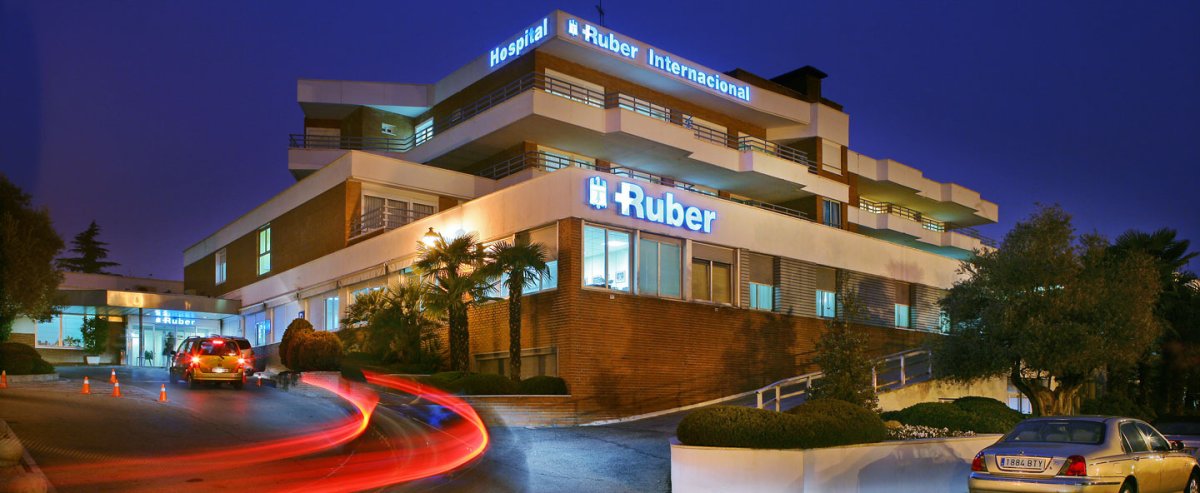
- Hospital Ruber Internacional: un centro médico de alta seguridad en Madrid, certificado por la Joint Commission International (JCI) y la norma ISO 9001.
- Clínica Planas: Un centro de prestigio en Barcelona, dirigido por especialistas como el Dr. Jorge Planas, cirujano reconocido por Forbes.
- Cualificaciones de los cirujanos: Los líderes suelen ser miembros de la Sociedad Internacional de Cirugía Plástica Estética (ISAPS).
- Estándares de las instalaciones: La mayoría de los procedimientos de renombre se realizan en hospitales acreditados, no en quirófanos ubicados en consultorios privados.
Opinión de expertos de Bookimed: Si bien muchas clínicas ofrecen una primera consulta gratuita, el verdadero valor reside en la acreditación del hospital. Elegir un centro acreditado por la JCI, como el Hospital Ruber Internacional, garantiza estándares de seguridad más elevados para la anestesia. El Dr. Jorge Planas, de la Clínica Planas, es especialmente destacable, ya q